
Luxury Gorilla Safari in Bwindi
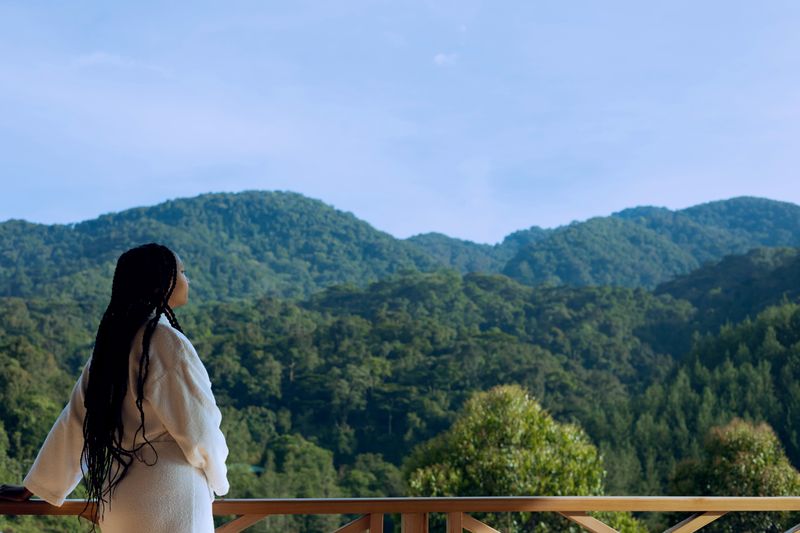
Luxury Gorilla Safari in Bwindi – Luxury Tours, Lodges & Costs
A Luxury Gorilla Safari in Bwindi is best planned around your preferred lodge, gorilla trekking sector, travel dates and style of travel, and Iconic Africa Safaris brings first-hand knowledge of Bwindi’s routes, lodges and trekking sectors to every itinerary. Our team can arrange a seamless luxury journey by scheduled or private flight from Entebbe, or by a comfortable 4×4 road transfer from Entebbe or Kigali, with carefully selected accommodation and gorilla trekking arrangements matched to your travel plans. Luxury safari costs generally range from $450–$800 per person per day, although the final price depends on the number of days, number of travelers, selected lodge, room configuration and season of travel. From Buhoma and Ruhija to Rushaga and Nkuringo, the focus is on combining exceptional accommodation, smooth logistics and the unforgettable experience of meeting mountain gorillas in Bwindi Impenetrable Forest.
Bwindi Impenetrable National Park is one of the last strongholds of the mountain gorilla, a UNESCO World Heritage Site covering roughly 321 square kilometers of ancient, tangled rainforest in southwestern Uganda. For travelers who want more than a checklist encounter, a luxury gorilla safari in Bwindi means pairing that once-in-a-lifetime hour with a gorilla family against a backdrop of thoughtfully chosen lodges, private guiding, and an itinerary designed around comfort as much as adventure.
Luxury Gorilla Safari Packages in Bwindi
| Luxury Safari Package | Starting Cost pp, 2 Sharing |
|---|---|
| 2 Day Luxury Bwindi Gorilla Safari Through Kigali | From $1,900 |
| 3 Day Luxury Gorilla Trekking Tour Uganda | From $2,250 |
| 3 Day Fly-in Gorilla Habituation Experience Tour | From $3,800 |
| 3 Day Luxury Bwindi Double Gorilla Trek Through Kigali | From $2,650 |
| 4 Day Luxury Gorilla Trekking and Lake Bunyonyi Tour | From $2,850 |
| 5 Day Luxury Uganda Gorillas and Game Safari From Kigali | From $3,450 |
| 5 Day Luxury Gorilla Habituation and Chimp Trekking Safari | From $4,250 |
| 6 Days Rwanda & Uganda Luxury Gorilla Adventure | From $4,200 |
What Makes a Bwindi Gorilla Safari Luxury?
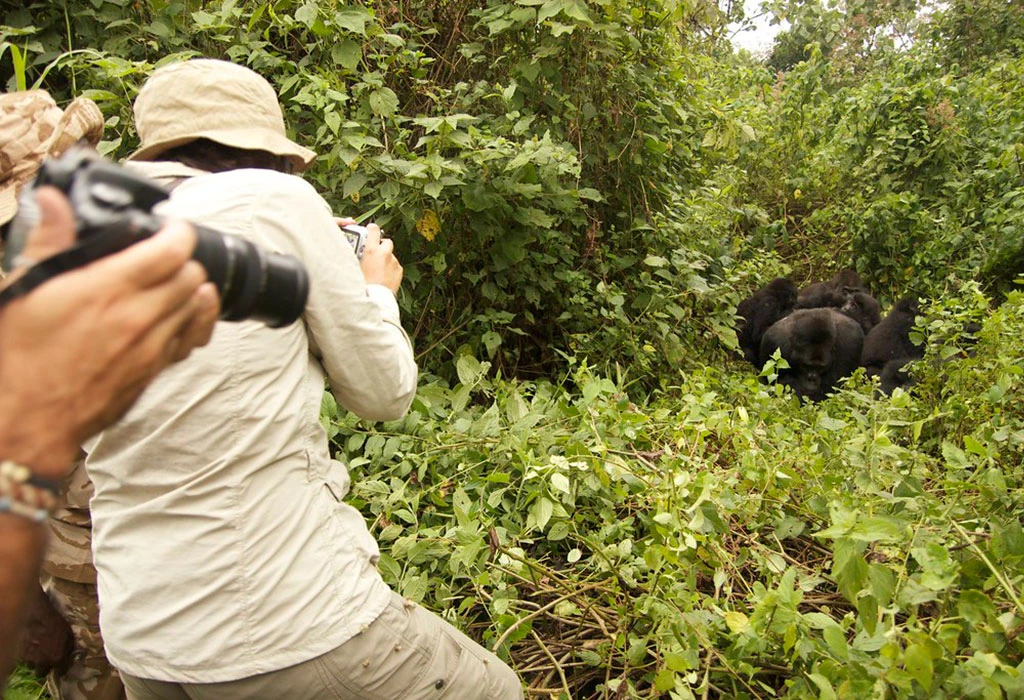
Not every gorilla trek is created the same way. The difference between a standard safari and a genuinely luxury experience comes down to thoughtful details that shape the entire journey, not simply the accommodation. It starts with the lodge: boutique properties with spacious suites or cottages, private verandas overlooking the forest, en-suite bathrooms with hot showers or soaking tubs, fireplaces for cool evenings, and fresh, often locally sourced cuisine. Some also offer plunge pools, spa treatments, and forest-facing decks where you can enjoy birds and colobus monkeys from the comfort of your lodge.
Transport, guiding, pacing, and administration complete the experience. Private 4×4 vehicles with dedicated driver-guides provide flexibility, while scheduled or chartered flights from Entebbe can significantly reduce travel time. Itineraries can be tailored to fitness, preferred sector, and interests, with options such as forest walks, community visits, or sundowners. Iconic Africa Safaris coordinates permits, transfers, accommodation, and on-ground support, adapting plans when weather or trail conditions change.
Luxury Gorilla Lodges in Bwindi
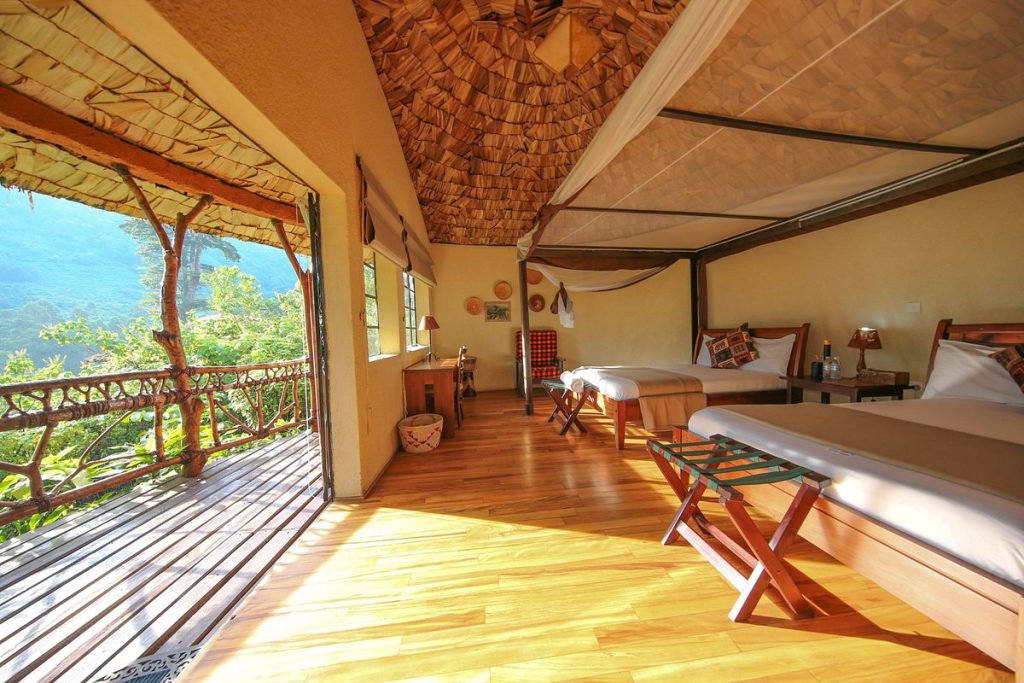
Bwindi’s four trekking sectors each have their own cluster of high-end properties, and where you stay should be decided by which sector you plan to trek in rather than the other way around — trekking permits are sector-specific, so your lodge choice and your gorilla family assignment need to be planned together.
Buhoma Sector – Luxury Lodges
- Sanctuary Gorilla Forest Camp — set inside the park boundary itself, with tented luxury suites and immediate forest access
- Silverback Safari Lodge — panoramic views over the Bwindi canopy with spacious, well-appointed cottages
- Trackers Safari Lodge — a smaller, intimate property known for personalized service
- Buhoma Lodge — award-winning eco-luxury cottages with some of the best forest views in the sector
Rushaga – Luxury Lodges
- Gorilla Safari Lodge — one of the most established high-end properties in the south, close to the Rushaga park headquarters
- Four Gorillas Lodge — boutique-style luxury cottages with volcano views
- Gorilla Leisure Lodge — comfortable, well-located accommodation for southern-sector trekkers
Nkuringo – Luxury Gorilla Lodges
- Nkuringo Gorilla Lodge — perched on a ridge with sweeping views toward the Virunga volcanoes
- Gorilla Heights Lodge — dramatic elevated views and proximity to the Nkuringo trailhead
- Clouds Mountain Gorilla Lodge — widely regarded as one of Uganda’s premier luxury lodges, with stone cottages, fireplaces, and panoramic forest and volcano vistas
Luxury Gorilla Lodge in Ruhija
- Kiho Gorilla Safari Lodge — a quieter, high-altitude option for travelers prioritizing birdwatching alongside gorilla trekking
We recommend verifying the exact current trading names, ownership and luxury classifications of each property before booking, since lodge offerings and management can change over time.
Luxury Gorilla Safari Cost in Bwindi
Understanding permit pricing is essential to planning any Bwindi itinerary, luxury or otherwise, since the gorilla permit is typically the single largest fixed cost in the trip after accommodation.
Gorilla Trekking Permit Prices (Standard)
| Visitor Category | High Season (Jun–Oct, Dec–Feb) | Low Season (Apr, May, Nov) |
|---|---|---|
| Foreign Non-Resident | $800 | $600 |
| Foreign Resident | $700 | $500 |
| Other African Citizen | $500 | $500 |
| East African Citizen | UGX 300,000 | UGX 300,000 |
Standard trekking permits are issued by the Uganda Wildlife Authority and required for all gorilla treks in Bwindi Impenetrable National Park and Mgahinga Gorilla National Park. Permits are normally booked 6–10 months in advance for peak season dates, since popular sectors such as Buhoma and Rushaga can sell out well ahead of time. Note that low-season discounted permits cannot be rescheduled, and full payment is required at the time of booking — a detail worth flagging clearly to clients planning around the cheaper April, May and November window.
Gorilla Habituation Experience Permits (Effective 1st January 2027)
From 1 January 2027, the gorilla habituation permit rises to $1,800 per foreign non-resident, $1,600 per foreign resident, $1,000 per African citizen, and UGX 750,000 per East African citizen — an increase of $300 for foreign non-residents and $600 for foreign residents over the previous rate.
| Visitor Category | Rate before 1 Jan 2027 | Rate from 1 Jan 2027 |
|---|---|---|
| Foreign Non-Resident | $1,500 | $1,800 |
| Foreign Resident | $1,000 | $1,600 |
| Other African Citizen | $1,000 | $1,000 |
| East African Citizen | UGX 750,000 | UGX 750,000 |
The habituation experience is done in a group of a maximum of four visitors, not counting rangers and porters — compared with a maximum of eight people for standard trekking. That smaller group size, combined with the far longer time in the forest, is exactly why many operators and travelers treat gorilla habituation as the more exclusive, luxury-leaning alternative to a standard trek.
Standard Gorilla Trekking vs. Gorilla Habituation Experience
| Feature | Standard Trekking | Habituation Experience |
|---|---|---|
| Time with gorillas | 1 hour | Up to 4 hours |
| Group size | Max 8 visitors | Max 4 visitors |
| Available sectors | Buhoma, Ruhija, Rushaga, Nkuringo | Rushaga only |
| Gorilla families | Fully habituated | Semi-habituated |
| Led by | Park ranger guide | UWA researchers and rangers |
| FNR price (from Jan 2027) | $800 (high) / $600 (low) | $1,800 |
| Best for | First-timers, families, easier logistics | Photographers, primatologists, repeat visitors |
For most first-time visitors, the standard one-hour trek is more than enough — it’s shorter, available in every sector, and considerably less expensive. Repeat visitors, wildlife photographers, and anyone who wants a deeper, more research-oriented experience tend to be the ones who choose habituation instead.
Gorilla Families Currently Undergoing Habituation in Rushaga
Gorilla habituation in Bwindi is carried out exclusively in the Rushaga sector, with two gorilla families currently set aside for the process:
- Bikyingi (Bikingi) family — led by one silverback, with adult females, sub-adults and infants, named after the site in Rushaga where it was first discovered
- Bushaho family — originally part of the Nkuringo group, led by silverback Bahati, and named after the site where it was first sighted
Because these families are only semi-habituated, visitors trek alongside UWA researchers rather than a standard ranger guide, following the group as it goes about its natural routine without the same level of comfort around humans that fully habituated families display. Only four people are permitted per family per day, and the outing is a full-day activity that typically begins with an early-morning briefing at the park headquarters before heading into the forest for at least four hours with the gorillas.
Gorilla Trekking Permits Available Per Sector
Permit numbers shift as gorilla families split or merge, so the figures below should be treated as a current planning guide rather than a fixed number — always confirm live availability with your operator before finalizing dates.
| Sector | Approx. Habituated Families | Approx. Daily Permits |
|---|---|---|
| Buhoma | ~6 | ~48 |
| Ruhija | ~4 | ~32 |
| Rushaga | ~8–9 | ~64–72 |
| Nkuringo | ~2 | ~16 |
| Bwindi total | ~20–25 | ~150–160 |
Rushaga has both the most habituated gorilla families and the most daily permits of the four sectors, which is part of the reason it is also the only sector offering the Habituation Experience — the sheer number of families there gives UWA room to set aside two for the longer, research-style encounter without reducing standard trekking capacity.
Luxury Gorilla Safari from Entebbe
Entebbe International Airport is the main international gateway for a Bwindi gorilla safari, and travelers generally have two ways to make the journey south: by air or by road.
Flying is the fastest option and the one most luxury travelers choose when time is limited. A scheduled or private charter flight from Entebbe to one of the airstrips serving Bwindi — Kihihi for the Buhoma and Ruhija sectors, or Kisoro for Rushaga and Nkuringo — typically takes around 1 to 1.5 hours, compared with a full day of driving. This is particularly valuable on shorter itineraries of 3 to 5 days, where every hour saved on the road is an hour that can be spent at the lodge or on an add-on activity.
Driving from Entebbe is the more budget-conscious and scenic route, generally taking 8 to 10 hours depending on the sector and road conditions, often broken into two days with an overnight stop en route — commonly at Lake Mburo National Park or in the Queen Elizabeth National Park area. This approach suits travelers who want to combine the gorilla trek with additional wildlife viewing along the way, effectively turning the transfer itself into part of the safari rather than a logistical necessity.
Iconic Africa Safaris arranges both options and can advise on which makes more sense based on your total trip length, budget, and interest in combining the gorilla safari with other Ugandan parks.
Luxury Gorilla Safari from Kigali
For travelers heading to the southern sectors — Rushaga and Nkuringo — Kigali, Rwanda is often a faster and more convenient gateway than Entebbe, despite starting the trip in a different country.
The drive from Kigali to Rushaga via the Cyanika border crossing typically takes around 4 to 5 hours, roughly half the time of the equivalent journey from Entebbe. This makes Kigali a popular entry point for travelers combining a Rwanda visit — whether that’s Kigali city, Akagera National Park, or a Volcanoes National Park gorilla trek on the Rwandan side — with a Uganda-based luxury gorilla safari in Bwindi’s southern sectors.
The border crossing itself is generally straightforward for tourists with the correct visas, and Iconic Africa Safaris can arrange private cross-border transfers with an experienced driver-guide who handles the paperwork and border logistics, so the crossing adds minimal friction to an otherwise smooth road journey through Rwanda’s terraced hills and into southwestern Uganda.
Flying to Bwindi for a Luxury Gorilla Safari
Two airstrips serve as the main air access points for Bwindi, and choosing between them comes down to which sector your permit is allocated to:
- Kihihi Airstrip serves the northern sectors of Buhoma and Ruhija, and is roughly a 20 to 30-minute road transfer from most lodges in those areas.
- Kisoro Airstrip serves the southern sectors of Rushaga and Nkuringo, similarly close to the main lodges in that part of the park.
Scheduled flights typically operate daily from Entebbe, with flight times of roughly 1 to 1.5 hours depending on routing and any stops along the way. Private charters are also widely available for travelers who want a fixed departure time or are traveling in a small group, and these can sometimes combine a Bwindi flight with a stop at another park such as Queen Elizabeth National Park in the same itinerary.
For luxury travelers on a tight schedule — particularly those doing a shorter safari of under a week — flying is generally the preferred choice, since it frees up an extra day or more that can be spent trekking, relaxing at the lodge, or adding an extra activity such as golden monkey trekking or a coffee farm visit.
Driving to Bwindi from Entebbe or Kigali
For those who prefer the overland route, or who want to see more of Uganda along the way, driving to Bwindi is a scenic, if long, journey.
From Entebbe or Kampala, the drive south takes roughly 8 to 10 hours depending on the exact sector, road conditions, and time of year — rainy months can add time due to muddier stretches on some rural roads. Many itineraries break this into two more comfortable days, often routing through Lake Mburo National Park for a short game drive or overnight stop, or continuing further to Queen Elizabeth National Park before finishing the journey into Bwindi. This turns what could otherwise feel like a long transfer day into a multi-park safari in its own right.
From Kigali, the drive to the southern sectors (Rushaga and Nkuringo) via the Cyanika border is considerably shorter, at around 4 to 5 hours, making it the more time-efficient road option for travelers focused specifically on Bwindi’s southern sectors.
Whichever route is chosen, Iconic Africa Safaris uses experienced driver-guides in well-maintained 4×4 vehicles, since Uganda’s rural roads — particularly the final stretches into Bwindi itself — can be steep and winding, and a knowledgeable driver makes a meaningful difference to comfort and safety.
Bwindi Gorilla Trekking Sectors for Luxury Travelers
Bwindi is divided into four trekking sectors — Buhoma, Ruhija, Rushaga and Nkuringo — and since a gorilla permit is tied to one specific sector, choosing the right one is one of the most important early decisions in planning a luxury safari.
Buhoma Luxury Gorilla Safaris
Buhoma, in the north of the park, is Bwindi’s original and most developed trekking sector, home to the oldest habituated gorilla family, Mubare, first opened to tourism in 1992. It offers a wide range of luxury lodges, generally easier and more moderate terrain than the southern sectors, and convenient access from Kihihi Airstrip or via Queen Elizabeth National Park. This combination of established infrastructure and gentler trekking makes Buhoma a strong choice for first-time visitors, older travelers, or anyone prioritizing comfort alongside the gorilla encounter.
Rushaga Luxury Gorilla Safaris
Rushaga, in the south, is home to the largest number of habituated gorilla families in Bwindi and is the only sector offering the Gorilla Habituation Experience. It is also the most convenient sector for travelers arriving via Kigali and the Cyanika border, making it a popular choice for itineraries that combine Rwanda and Uganda. With its wide selection of luxury lodges and the option to upgrade to the four-hour habituation experience, Rushaga suits travelers who want maximum flexibility and the most exclusive gorilla product Bwindi offers.
Nkuringo Luxury Gorilla Safaris
Nkuringo, in the southwest, is known for its dramatic ridge-top scenery, with sweeping views toward the Virunga volcanoes and the Rwandan border. Terrain here tends to be steeper and more strenuous than in Buhoma or Rushaga, rewarding fitter travelers with a genuinely wild, off-the-beaten-path trekking experience. Luxury lodges here, such as Clouds Mountain Gorilla Lodge, are among the most scenic in the entire region, making Nkuringo a favorite for travelers who want both a challenging trek and an exceptional view to return to at the end of the day.
Ruhija Luxury Gorilla Safaris
Ruhija sits at Bwindi’s highest altitude, in the park’s eastern section, and is the quietest of the four sectors in terms of visitor numbers. Beyond gorilla trekking, it’s widely regarded as the best sector for birdwatching, with a high concentration of Albertine Rift endemic species. The high altitude means cooler temperatures and, at times, more demanding trekking conditions, but the trade-off is a more secluded, nature-focused experience — ideal for travelers who want to pair their gorilla trek with serious birding or simply prefer a less-visited part of the park.
How Many Days Do You Need for a Luxury Gorilla Safari?
The minimum realistic itinerary for a Bwindi gorilla safari is three days: one day to travel in, one full day for the trek itself, and one day to depart or connect onward. This works well for travelers combining Bwindi with a broader Uganda or Rwanda itinerary and who don’t want to dedicate more time than necessary to this single activity.
For a fuller experience, five to seven days allows for a second trek (either a repeat standard trek or an upgrade to the habituation experience), time to properly enjoy the luxury lodge itself rather than treating it purely as a base, and room for one or two add-on activities such as golden monkey trekking, a coffee farm visit, or a wildlife excursion in a neighboring park. Longer itineraries of ten days or more are common for travelers who want to combine Bwindi with Queen Elizabeth National Park, Lake Mburo, or a cross-border extension into Rwanda, turning the gorilla trek into one highlight within a broader luxury Uganda safari.
Iconic Africa Safaris typically recommends a minimum of four to five days for a genuinely relaxed luxury experience — enough time to account for possible weather delays, enjoy the lodge properly, and avoid feeling rushed on trekking day.
Best Time for a Luxury Gorilla Safari in Bwindi
| Month | Rainfall / Weather | Trekking Conditions |
|---|---|---|
| January | Dry season, sunny mornings | Excellent — firm trails, peak-season demand |
| February | Dry, warm days | Excellent — book early, high demand |
| March | Start of long rains | Good, occasional showers, more mud |
| April | Heavy rains (low season pricing) | Muddier, slower trails, fewer crowds |
| May | Rains continue (low season pricing) | Muddy but quiet, lush scenery |
| June | Dry season begins | Very good — trails firm up |
| July | Peak dry season | Excellent — busiest month, book far ahead |
| August | Dry, peak season | Excellent — very high demand |
| September | Short rains begin | Good, some afternoon showers |
| October | Short rains | Fair — muddier, fewer tourists |
| November | Rains (low season pricing) | Muddier, quieter, good permit availability |
| December | Dry season returns | Excellent — festive high season, book early |
Bwindi’s equatorial, high-altitude climate means it can be trekked comfortably year-round, but the two dry windows — June to August and December to February — offer the firmest trails and the best overall trekking conditions, which is also why they’re the busiest and most expensive months to book. Travelers who don’t mind a bit of mud and the occasional shower can save meaningfully by trekking in April, May or November, when discounted low-season permit pricing applies and the forest is at its greenest and quietest. Whichever window you choose, sturdy waterproof hiking boots and a good rain layer are essential regardless of season, since Bwindi’s name — the “Impenetrable Forest” — is well earned.
What Else Can You Add to Your Luxury Gorilla Safari in Bwindi?
A luxury gorilla safari in Bwindi can be much more than a single gorilla trekking experience. Southwestern Uganda offers an exceptional combination of mountain forests, volcanic landscapes, peaceful lakes, cultural encounters, and wildlife-rich national parks that can be added to your itinerary. With Iconic Africa Safaris, your luxury gorilla trekking in Bwindi can be combined with carefully selected experiences based on your interests, available time, preferred accommodation, and travel route. Whether you want another primate encounter, a scenic mountain adventure, relaxing canoe excursion, authentic cultural experience, or additional wildlife viewing, these extensions can turn a short Bwindi gorilla tour into a more complete luxury Uganda safari.
Golden Monkey Trekking or Habituation in Mgahinga
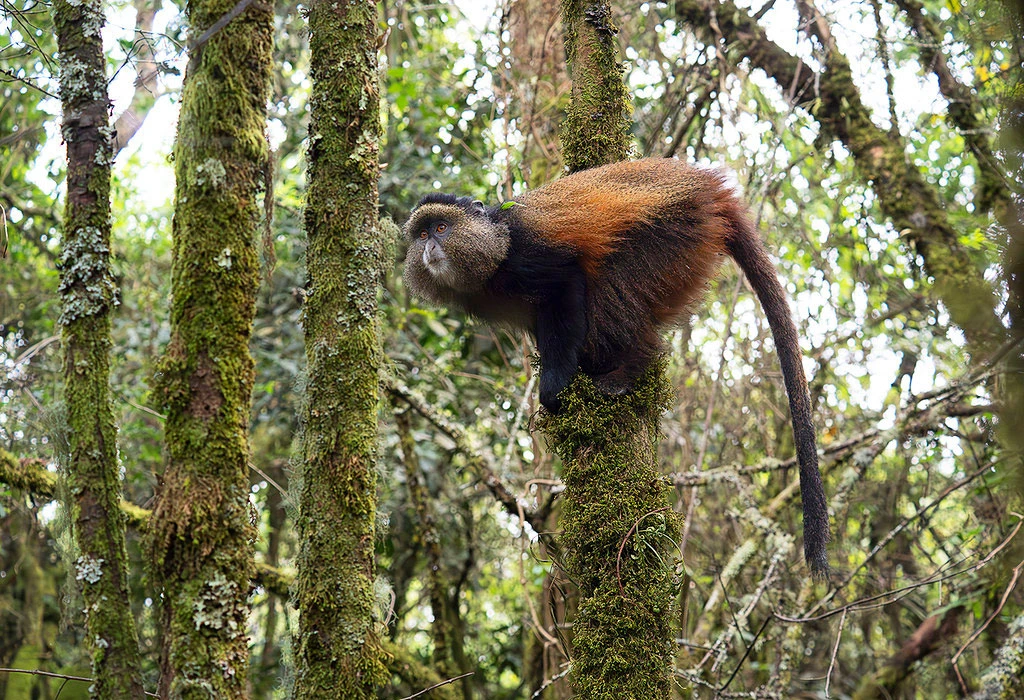
Add golden monkey trekking to your luxury gorilla safari in Bwindi for another memorable primate experience. Mgahinga Gorilla National Park is home to endangered golden monkeys, which can be encountered in the bamboo-covered slopes of the Virunga Mountains. Golden monkey trekking can work particularly well as a half-day activity before or after your Bwindi gorilla trek.
Mount Sabyinyo Hiking

For adventurous travelers, Mount Sabyinyo hiking offers a challenging addition to a luxury Bwindi safari. The Virunga volcano rises near the Uganda-Rwanda-DR Congo border, and the demanding hike leads toward the remarkable point where the three countries meet. Clear conditions can provide panoramic views across the surrounding volcanic landscapes.
Luxury Canoeing on Lake Mutanda

A Lake Mutanda canoe experience provides a peaceful contrast to the physical demands of gorilla trekking. Located near Kisoro, the lake is surrounded by dramatic volcanic scenery and offers beautiful views toward the Virunga Mountains. It is an ideal addition for travelers seeking a relaxed outdoor experience during their luxury gorilla tour in Uganda.
Luxury Lake Bunyonyi Experience

Lake Bunyonyi is another popular extension to a Bwindi luxury gorilla safari. Surrounded by terraced hills and scattered islands, the tranquil lake provides opportunities for gentle canoeing, birdwatching, photography, and relaxation. Adding a stay around Lake Bunyonyi can create a slower-paced section of your itinerary after the excitement of gorilla trekking.
Coffee Experience at Peter’s Family Farm

A visit to Peter’s Family Farm near Kisoro adds a genuine local experience to your luxury Uganda gorilla safari. Travelers can discover how coffee is grown, harvested, processed, and prepared while meeting a local farming family. The hands-on experience combines cultural interaction, agricultural insight, and the opportunity to taste locally produced coffee.
Queen Elizabeth National Park Wildlife Safari

Extend your luxury gorilla safari in Bwindi with a wildlife experience in Queen Elizabeth National Park. Game drives across the park’s savannah landscapes can provide opportunities to see elephants, lions, leopards, buffalo, antelopes, and other wildlife. A boat cruise along the Kazinga Channel adds another highlight, with large concentrations of hippos and buffalo often visible along the water. The park is also well known for its tree-climbing lions.
Lake Mburo National Park Safari
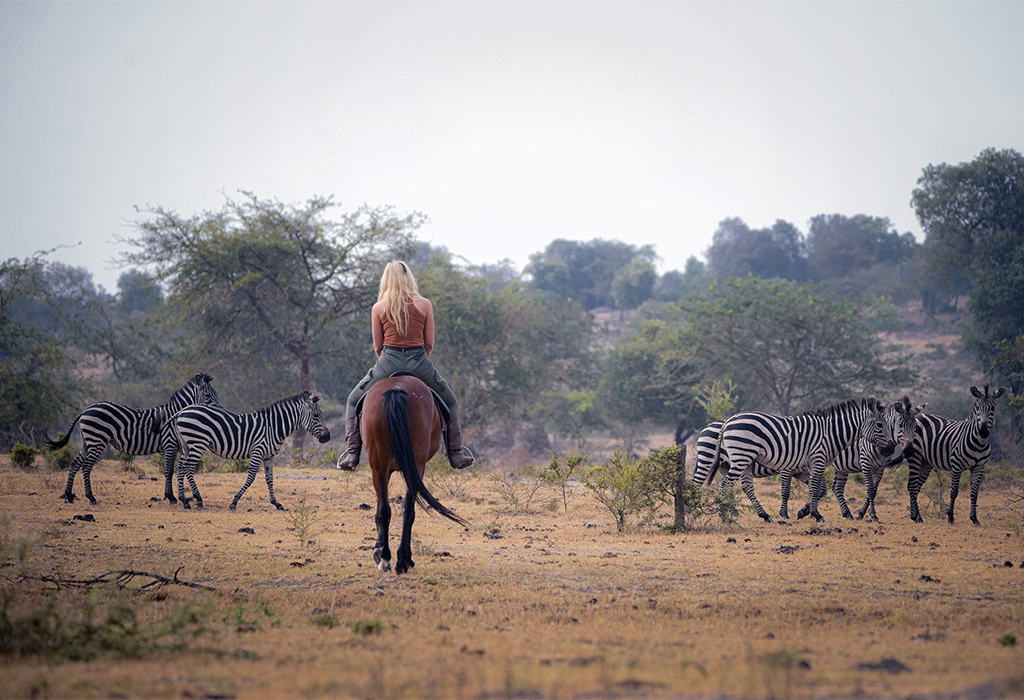
Lake Mburo National Park provides a convenient wildlife extension for travelers taking the road route between Entebbe and southwestern Uganda. The park is known for zebra, eland, impala, and other wildlife, while guided walking experiences offer a more intimate way to explore the landscape. Combining Lake Mburo with luxury gorilla trekking in Bwindi can create a diverse Uganda safari covering both wildlife and mountain gorillas.
These extensions make it possible to design a luxury gorilla safari in Bwindi around more than gorilla trekking alone. Depending on your route and travel dates, Iconic Africa Safaris can combine Bwindi with Mgahinga, Lake Mutanda, Lake Bunyonyi, Queen Elizabeth National Park, Lake Mburo, and other destinations across Uganda. The result is a private, well-paced safari that balances premium accommodation, wildlife, adventure, culture, relaxation, and the unforgettable experience of encountering mountain gorillas in their natural forest habitat.
How to Plan Your Bwindi Luxury Safari with Iconic Africa Safaris?
Planning your Bwindi luxury safari with Iconic Africa Safaris is simple, convenient, and tailored around the experience you want. There are three easy ways to begin your journey. You can complete our quick online booking form and share your preferred travel dates, safari style, number of travelers, and any special requests. You can also contact our friendly safari team directly by email at info@iconicafricasafaris.com to discuss your plans, interests, preferred accommodation, and transportation options. For quick and convenient assistance, simply tap the green WhatsApp icon at the bottom right corner of your screen and connect with our team directly. From choosing your preferred Bwindi trekking sector and luxury lodge to arranging transportation from Kigali or Entebbe, we help bring the important details together.
Our driver-guides are among the professionals guests rely on throughout their safari. They are experienced, carefully selected, and knowledgeable about Uganda’s wildlife, landscapes, communities, and cultures. Some have previously worked as park rangers, giving them valuable first-hand knowledge of the destinations they guide. Your driver-guide remains with you throughout the journey, from the moment you are picked up at the airport until your final departure. They help coordinate daily movements, provide insights along the way, and keep the safari comfortable, organized, and safe, allowing you to focus on enjoying your Bwindi luxury adventure.
Frequently Asked Questions About Luxury Gorilla Safaris in Bwindi
What is the minimum age for gorilla trekking in Bwindi?
Uganda Wildlife Authority sets fifteen as the minimum age for standard gorilla trekking and the habituation experience alike. Rangers enforce this rule strictly, since gorillas can react unpredictably around young children in close forest settings. Consequently, travelers under fifteen cannot join the actual trek, regardless of fitness or maturity. However, lodges often welcome younger children and arrange supervised activities while parents complete their trek nearby.
Is a Luxury Gorilla Safari in Bwindi suitable for solo travelers?
Absolutely, solo travelers frequently choose a Luxury Gorilla Safari in Bwindi for its structured, secure logistics. Because permits, transport and guiding are pre-arranged, solo trekkers rarely feel unsafe or unsupported during the journey. Lodges also welcome single travelers warmly, often seating solo guests with other visitors during meals. Furthermore, trekking groups naturally encourage camaraderie, so solo travelers quickly bond with fellow adventurers on the trail.
Is Bwindi a good destination for couples and honeymooners?
Bwindi ranks among East Africa’s most romantic destinations, particularly for couples seeking a shared, unforgettable adventure. Luxury lodges here offer private cottages, candlelit dinners, and secluded decks overlooking the forest canopy. Consequently, honeymooners often combine gorilla trekking with quieter activities like canoeing or a spa treatment. Overall, the combination of adrenaline and intimacy makes Bwindi an increasingly popular honeymoon choice.
Can I celebrate an anniversary or birthday during my gorilla safari?
Yes, many lodges happily arrange special touches for anniversaries, birthdays, or other meaningful milestones during your stay. Simply inform your operator in advance, so the lodge can prepare decorations, cakes, or private dinners accordingly. Some properties also offer champagne toasts or bonfire setups for celebratory evenings under Bwindi’s clear night sky. Ultimately, a little advance notice transforms an ordinary safari into a memorable celebration.
Can I plan a wedding around a Luxury Gorilla Safari in Bwindi?
Increasingly, couples choose a Luxury Gorilla Safari in Bwindi as the backdrop for intimate destination weddings. Several lodges offer scenic outdoor spaces, from forest clearings to volcano-view terraces, perfect for small ceremonies. Additionally, experienced planners can coordinate legal requirements, catering, and décor well ahead of your travel dates. Afterward, newlyweds often extend their stay, turning the wedding into an unforgettable honeymoon safari.
What does a typical day of gorilla trekking look like?
Trekking day begins early, typically around seven, with a briefing at the park headquarters beforehand. Rangers then assign groups to specific gorilla families, based on fitness levels and trekking difficulty preferences. Afterward, groups head into the forest, sometimes hiking for thirty minutes or several hours. Once gorillas are located, visitors spend exactly one hour observing, before returning to the trailhead by afternoon.
What does a day during the Gorilla Habituation Experience involve?
Habituation days start earlier and last considerably longer than standard treks, often stretching into a full day. Visitors join researchers and rangers at park headquarters before heading toward a semi-habituated family’s known territory. Because these gorillas remain less accustomed to humans, tracking can involve longer, more unpredictable hikes through dense forest. Ultimately, participants spend up to four hours observing behavior, guided closely by researchers throughout.
Why should I hire a porter for gorilla trekking?
Porters carry your daypack, walking stick, and supplies, allowing you to focus entirely on the trek. Beyond convenience, hiring a porter directly supports local communities living around Bwindi’s forest edge. Many porters also offer a steadying hand across slippery, uneven terrain, especially on Bwindi’s notoriously steep slopes. Consequently, most guides strongly encourage every trekker to hire one, regardless of personal fitness level.
Is tipping mandatory after a gorilla trek?
Tipping isn’t mandatory, but it remains a deeply appreciated as part of Ugandan safari culture. Tipping directly rewards the people whose skill and effort make your gorilla encounter possible and memorable. Guides track gorillas for hours, while porters carry gear across genuinely demanding, steep forest terrain daily. Rangers, meanwhile, provide security throughout the trek, often walking alongside visitors in remote wilderness areas. Ultimately, tipping acknowledges their expertise while directly supporting families living around Bwindi’s forest communities.
What is the Batwa Cultural Experience and is it worth adding?
The Batwa Cultural Experience introduces visitors to Uganda’s indigenous forest people, the Batwa pygmies. Once forest-dwelling hunter-gatherers, the Batwa were relocated when Bwindi became a protected national park. Today, guided visits showcase traditional hunting techniques, folklore, dance, and medicinal plant knowledge firsthand. Consequently, the experience offers meaningful cultural context alongside the wildlife-focused highlights of your gorilla safari.
Can I combine the Batwa Cultural Experience with my gorilla safari?
Yes, most itineraries easily accommodate a Batwa Cultural Experience alongside standard gorilla trekking or habituation days. Typically scheduled as a half-day activity, it fits comfortably before or after your main trek. Additionally, visiting the Batwa community directly supports their livelihoods through tourism revenue and cultural preservation. Therefore, combining both experiences enriches your safari with meaningful cultural depth alongside wildlife encounters.
What should I pack for a Luxury Gorilla Safari in Bwindi?
Essential packing includes waterproof hiking boots, a rain jacket, and moisture-wicking layers for changeable weather. Gardening gloves protect hands from stinging nettles, while gaiters keep mud and insects away from ankles. Additionally, pack a wide-brimmed hat, sunscreen, insect repellent, and a reusable water bottle for hydration. Binoculars and a good camera also enhance the experience considerably during your forest trek.
Do I need to bring a face mask for gorilla trekking?
Yes, Uganda Wildlife Authority requires all visitors to wear face masks while observing gorilla families closely. This rule protects gorillas from human respiratory illnesses, since they share nearly ninety-eight percent of human DNA. Consequently, pack several reusable or disposable masks, ensuring you always have a spare available. Rangers typically enforce this requirement strictly, so arriving without one can cause delays.
How fit do I need to be for gorilla trekking?
Moderate fitness helps considerably, since treks can last anywhere between thirty minutes and eight hours. Bwindi’s terrain is steep, muddy, and often unpredictable, particularly in sectors like Nkuringo or Ruhija. However, porters and flexible route options make trekking manageable even for moderately fit travelers. Ultimately, honest communication with your guide about fitness levels ensures a safer, more enjoyable experience.
What happens if it rains on my trekking day?
Treks proceed regardless of rain, since gorilla trekking happens within a genuine rainforest ecosystem year-round. Rain simply means muddier trails, slower pacing, and extra caution required on steep, slippery sections. Guides adjust routes accordingly, prioritizing safety while still reaching the assigned gorilla family eventually. Packing proper rain gear, therefore, ensures comfort regardless of unexpected weather changes on trek day.
Can I request a specific gorilla family to trek?
Requests are possible, though Uganda Wildlife Authority makes final allocation decisions based on fitness and logistics. Some travelers request specific families known for calm temperaments, proximity, or unique family dynamics. However, rangers ultimately assign families the morning of trekking, considering group fitness and current gorilla locations. Communicating preferences early through your operator improves, though never guarantees, the likelihood of accommodation.
What is the dress code for gorilla trekking in Bwindi?
Neutral-colored clothing works best, since bright colors can startle gorillas or attract stinging insects unnecessarily. Long sleeves and long trousers protect skin from nettles, thorns, and biting ants along forest trails. Sturdy, ankle-supporting boots are essential, given Bwindi’s steep, often slippery, and uneven terrain throughout. Overall, practical, weather-appropriate clothing matters far more than style during your forest trek.