
Why Trek Gorillas in Rushaga Sector of Bwindi
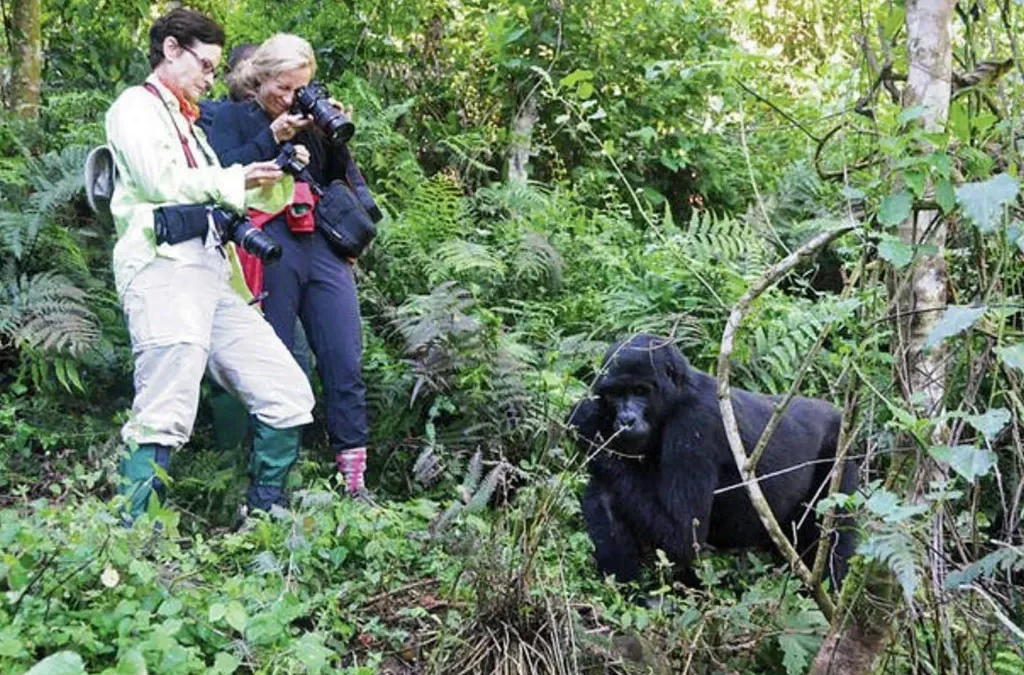
Are you planning a safari but undecided which sector of Bwindi to see mountain gorillas? Rushaga Sector might be exactly what you’re looking for. This part of Bwindi sits in southwestern Uganda and offers some of the most reliable gorilla encounters in all of East Africa. You’ll find eight fully habituated families here, meaning researchers have trained them to accept human visitors without fear. The sector delivers an almost 100% chance of seeing gorillas on any given trek day. What makes Rushaga stand out from other gorilla trekking sectors of Bwindi isn’t just the high success rate—it’s also the flexibility. You can choose a standard one-hour trek with a fully habituated group or spend up to four hours with semi-habituated families learning about conservation research. The location works brilliantly for travelers coming from Rwanda, Uganda, or combining both countries in one trip. Lodges nearby range from budget-friendly camps to ultra-luxury eco-retreats with fireplaces and massage services. Rushaga delivers genuine gorilla encounters without the high hassle factor that plagues some remote destinations. Whether you’re a serious wildlife photographer, a nature lover, or simply checking gorillas off your bucket list, this sector has the infrastructure, the gorilla families, and the practical access to make your dream happen.
Why Is Your Success Rate So High Here?
Rushaga hosts one of the largest concentrations of mountain gorillas in Bwindi. The sector homes around eight gorilla families living in habituated groups that researchers have worked with for years. This density means your odds of actually seeing gorillas aren’t a gamble—they’re almost guaranteed. During a trek, you walk through the rainforest with experienced guides who know where each family moves. Sometimes you find them within 30 minutes. Other days the trek takes up to seven hours. Once your guides locate the family, though, you’re locked in for a full hour of observation. You’ll watch them feed on wild celery and leaves, see mothers caring for infants, and observe the daily social interactions that make gorilla groups so fascinating. The habituated families have seen hundreds of visitors over the years. They’ve learned that humans aren’t a threat, so they carry on with their natural behavior rather than running away.
Which Gorilla Families Can You Actually Meet?
Rushaga’s eight habituated families each have their own personality and story. When you book a permit, park rangers assign you to one of these groups based on availability and fitness level:
- Nshongi Gorilla Family – About eight members, this group was once the largest in Bwindi before multiple splits created new families. Now it offers a more intimate encounter since the group is smaller.
- Mishaya Gorilla Family – Roughly ten members led by silverback Tinfayo. The group broke away from Nshongi in 2010, and the family dynamics remain active with multiple females and young gorillas.
- Busingye Gorilla Family – Around twelve members led by dominant silverback Busingye. Trekkers favor this group because the gorillas display active behaviors and the group composition includes several young animals that put on entertaining shows.
- Bweza Gorilla Family – About eleven members under silverback Kakono’s leadership. Originally part of the massive Nshongi family, this group split off and established itself as a distinct unit.
- Kahungye Gorilla Family – Roughly thirteen members led by silverback Ruziika since the group’s habituation in 2008. Kahungye started with 29 individuals before natural fissions created other families like Busingye and Rwiigi.
- Bikingi Gorilla Family – Around ten members available for standard trekking, though this family also participates in the special habituation experience program.
- Mucunguzi Gorilla Family – Approximately twelve members led by silverback Mucunguzi, whose name means “Redeemer.” Photographers particularly love this family because the silverback poses well and the group includes striking individuals.
- Rwiigi Gorilla Family – About ten members led by silverback Rwiigi, whose name means “door” or “gateway.” This family split from Kahungye and all members are fully habituated.
What About the Gorilla Habituation Experience?
Rushaga offers something you won’t find anywhere else in Bwindi—the Gorilla Habituation Experience. This isn’t your typical one-hour trek. Instead, you spend up to four hours with a semi-habituated gorilla family, helping researchers observe how the gorillas gradually accept human presence. The experience feels rawer and less predictable than standard trekking. You get to witness gorillas in their most natural state since they’re still learning to tolerate humans. This deeper immersion into conservation work changes how visitors understand gorilla protection.
Two families participate in this program:
- Bikyingi Gorilla Family is one of the semi-habituated groups. The family includes a dominant silverback, multiple adult females, sub-adults, and several infants. This composition gives you rich family dynamics to observe as the group interacts throughout your time with them.
- Bushaho Gorilla Family is the second semi-habituated group. Like Bikyingi, Bushaho isn’t used for standard one-hour trekking. Instead, researchers reserve these gorillas for longer visits where tourists participate in the actual habituation process under expert supervision.
The difference between semi-habituated and fully habituated families matters. Semi-habituated gorillas still maintain more natural behaviors because they’re not yet accustomed to humans. You’ll see more authentic reactions to your presence, creating a richer conservation education.
How Much Does this Actually Cost?
Standard trekking permits cost $800 per person for foreign visitors. You get 1 hour with a fully habituated family, expert guides and the highest likelihood of a close gorilla encounter. Gorilla Habituation Experience permits run $1,800 per person because you’re spending more time (4 hours) with the gorillas and contributing directly to research efforts. The price reflects the intensive nature of the experience and the expertise required to keep everyone safe while gorillas remain semi-habituated.
How Easy is Rushaga Sector From Kigali and Entebbe?
Rushaga’s southern location in Bwindi makes it uniquely accessible from two directions. Flying into Kampala or Entebbe and driving to Rushaga takes longer but connects you to Uganda’s other attractions like Queen Elizabeth National Park. Traveling from Kigali, Rwanda changes everything. The Cyanika border crossing connects Rwanda to this sector in just 3–5 hours of driving. This proximity makes Rushaga perfect for travelers combining gorilla tracking with Rwanda’s volcanoes, lakes, or Kigali’s city experiences. Short 2–3 day gorilla tours suddenly become realistic when you’re starting from Rwanda rather than central Uganda.
When Should You Actually Plan Your Trek?
The drier months from June to September and December to February work best for gorilla trekking. During these periods, trails become less slippery and gorillas often move into more open areas to enjoy sunshine. Rain doesn’t stop trekking entirely. Rushaga runs treks year-round for travelers who want fewer crowds and don’t mind muddy trails. Rainy periods do push gorillas deeper into dense vegetation, sometimes making longer treks necessary but comes with discounted gorilla permits. Your fitness level and preference for crowds should guide your season choice.
What About Staying Nearby?
Rushaga has developed strong tourism infrastructure with lodges at every comfort level. This makes planning straightforward because you can find decent accommodation without traveling far from the trekking briefing point.
Budget Lodges deliver clean, comfortable rooms without premium pricing:
- Nshongi Camp sits extremely close to the park boundary—just minutes from the briefing point. Traditional mud-walled bandas and a campfire setup next to the rainforest create an authentic forest experience.
- Rushaga Gorilla Lodge offers budget-friendly lazy-camping tents and standard rooms roughly fifteen minutes’ walk from the briefing center, with good value for money.
- Rushaga Gorilla Haven Lodge positions itself on a hillside with views overlooking the canopy, providing budget-conscious cottages that don’t sacrifice convenience.
- Gorilla Valley Lodge sits right on the park boundary where you can see forest animals from private verandas overlooking the dense Bwindi canopy.
- Bweza Gorilla Lodge combines cozy accommodations with personalized service and traditional stone-and-timber architecture.
Mid-Range Lodges balance comfort and value:
- Ichumbi Gorilla Lodge ranks as one of Rushaga’s most sought-after options with spacious decorated cottages just ten minutes from the park gate.
- Lake Mulehe Gorilla Lodge sits outside the immediate forest sector on Lake Mulehe’s edge, offering panoramic water views framed by distant Virunga volcanoes.
- Mutanda Lake Resort extends onto a peninsula into Lake Mutanda, providing an incredible lakeside experience that mid-range travelers love.
Luxury Lodges deliver premium comfort and services:
- Four Gorillas Lodge sits tucked directly into forest surroundings with elegantly appointed en-suite cottages and butler service minutes from the briefing point.
- Gorilla Safari Lodge stands at the forest boundary with eight spacious timber cottages featuring walk-in verandas and standalone fireplaces.
- Gorilla Leisure Lodge focuses on forest views and upscale dining with private viewing decks along steep hillsides.
- Chameleon Hill Lodge offers dramatic lake and Virunga range views from private chalets positioned on a ridge overlooking Lake Mutanda.
- Clouds Mountain Gorilla Lodge sits nearby in Nkuringo Sector but frequently hosts high-end travelers seeking ultra-luxury stone cottages and spectacular high-altitude views.
Why Trust Iconic Africa Safaris for Your Gorilla Trek?
Our experienced driver guides know Rushaga intimately. They’ve spent years working there and understand gorilla trekking deeply. Your trek won’t feel like just another safari activity—it becomes an experience that stays with you. Our tour consultants listen carefully to what you actually want, not what they think you should want. Everyone travels differently, and your itinerary gets customized to match your preferences and budget. We use comfortable 4×4 Land Cruisers for all trips unless you request something different. From the moment you book until you watch silverbacks grooming in the rainforest, your comfort and success remain our priority. Rushaga offers genuine gorilla encounters, and we’ve built our operation around making sure you get exactly that.