
The Cost of Gorilla Habituation in Uganda – Bwindi
The Cost of Gorilla Habituation in Uganda: A Complete Guide
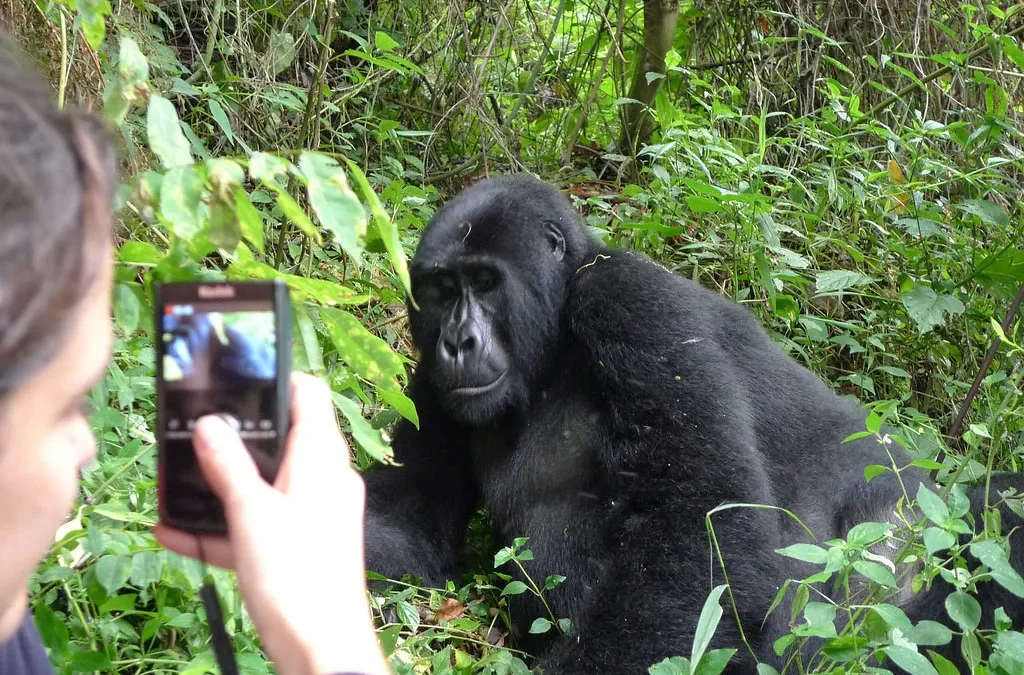
Standing seven to ten meters from a wild mountain gorilla grooming her infant feels truly unforgettable. This kind of moment often makes travelers start researching flights before they even leave the forest. Before booking anything, though, you need real numbers explaining the true cost of gorilla habituation in Uganda. This figure ranks among the most searched, and most misunderstood, numbers in African travel planning today. This guide breaks the cost of gorilla habituation in Uganda down piece by piece for you.
Safari websites often list wildly different prices, which understandably confuses travelers planning their first gorilla trip. Nationality, accommodation choice, group size, and travel season all shape the cost of gorilla habituation in Uganda. This article gathers exact permit fees, sample itineraries, and practical details many other guides skip entirely.
By the end, you will fully understand the true cost of gorilla habituation in Uganda itself. You will also learn why habituation costs more and how permit fees support active conservation work. Finally, you will learn how to plan a trip that fits your budget without cutting corners.
Most travelers researching the cost of gorilla habituation in Uganda ask one simple, central question first. They want to know honestly whether this experience justifies its considerable price tag before booking anything. This guide answers that question directly, walking through every dollar from permits to small extra costs. You will find exact figures here, whether comparing operators or choosing between habituation and standard trekking.
What is Gorilla Habituation and How is It Different From Standard Trekking?
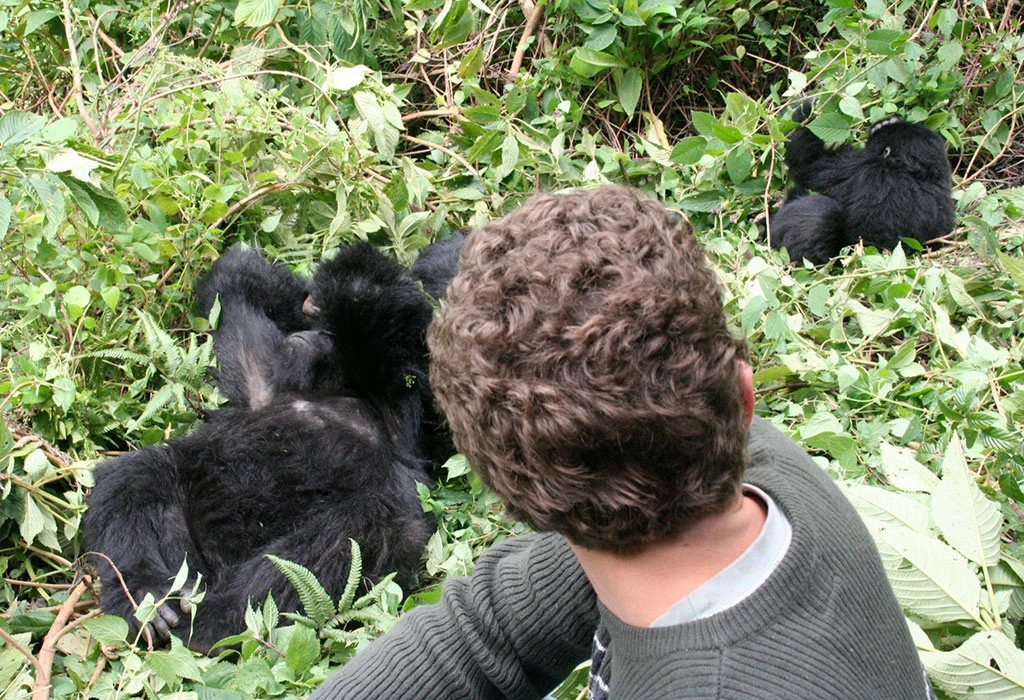
Gorilla habituation is a specialized wildlife experience offered only in the Rushaga Sector of Bwindi Impenetrable National Park in southwestern Uganda. Unlike standard gorilla trekking, which gives visitors one hour with a fully habituated family, the Gorilla Habituation Experience gives you four full hours with a semi-habituated gorilla family, alongside researchers and Uganda Wildlife Authority rangers who are actively involved in the habituation process itself.
This distinction matters a lot when you are calculating the cost of gorilla habituation in Uganda. You are not just paying to see gorillas. You are paying to take part in the process that turns a wild, cautious gorilla family into one that tolerates respectful human observation. That extra access, extra time, and extra involvement from conservation staff is the core reason the price is higher than regular trekking.
Did You Know? Mountain gorillas share close to 98% of their DNA with humans, which is part of why researchers must be so careful during habituation, a single respiratory infection passed from a visitor could seriously harm an entire family group.
Only two habituation gorilla families are currently available for this experience, and only four visitors are allowed per family per day. That means just eight habituation permits exist across the entire country each day. This scarcity is the second major driver behind the cost of gorilla habituation in Uganda, demand is high, supply is deliberately limited to protect the gorillas.
Understanding the Cost of Gorilla Habituation in Uganda: Official Permit Fees
The permit itself is issued directly by the Uganda Wildlife Authority, and the fee structure is fixed by visitor category. Here is the current breakdown of the cost of gorilla habituation in Uganda at the permit level:
- Foreign Non-Residents: US$1,800 per person
- Foreign Residents in East Africa: US$1,500 per person
- Africans from Outside East Africa: US$1,000 per person
- East African Citizens: UGX 750,000 per person
These fees are non-negotiable, set by the government, and valid exclusively in the Rushaga Sector of Bwindi Impenetrable National Park. No amount of haggling with a tour operator will change this number, it goes straight to the Uganda Wildlife Authority, not to the safari company arranging your trip.
Insider Tip: If you are traveling with family members from different countries, check each person’s residency category separately. A mixed group often pays different permit rates per person, which changes your total cost of gorilla habituation in Uganda significantly. Always ask your operator (Iconic Africa Safaris) to confirm the applicable rate before payment, since the cost of gorilla habituation in Uganda can differ meaningfully depending on how residency is documented.
What does this permit actually include? It covers park entrance fees, ranger and tracker services, and four hours with the gorillas once they are located by the tracking team. It does not include transport, accommodation, meals, or tips, all of which we cover in the full cost breakdown further down this guide.
Why Permits Are Non-Negotiable
The Uganda Wildlife Authority sets these rates centrally because gorilla tourism revenue funds an entire conservation ecosystem. Ranger salaries, anti-poaching patrols, veterinary care for sick or injured gorillas, and community development projects around the park all draw from this pool. When you understand where the money goes, the cost of gorilla habituation in Uganda starts to look less like a luxury markup and more like a direct investment in keeping these animals alive.
Why the Cost of Gorilla Habituation in Uganda is Higher than Regular Trekking
Standard gorilla trekking permits cost US$800 for foreign non-residents, roughly less than half the habituation fee. Several factors explain this gap in the cost of gorilla habituation in Uganda compared to regular trekking:
- Four hours instead of one. You get four times the observation time, which means four times the staffing, planning, and physical demand on the trekking team.
- Smaller group sizes. Only four visitors per family per day, compared to eight for standard trekking, so fewer people share the operational cost.
- Research involvement. Habituation groups are accompanied by researchers actively studying and desensitizing the gorillas, not just guides walking you to a settled family.
- Longer, more physically demanding treks. Semi-habituated families often live deeper in the forest, away from tourist paths.
- Direct conservation funding. A larger share of the fee is reinvested into the habituation program itself, which is a multi-year, resource-heavy conservation effort.
Expert Advice: If your main goal is simply “seeing a gorilla,” standard trekking is more budget-friendly. If your goal is understanding gorilla behavior in depth, photographing natural interactions over a longer window, and supporting active conservation work, the higher cost of gorilla habituation in Uganda is easier to justify.
Full Cost Breakdown: Everything Included in a Habituation Safari Budget
Most travelers searching for the cost of gorilla habituation in Uganda actually want the full trip cost, not just the permit fee. Here is every line item you should budget for:
- Gorilla habituation permit: US$1,800 (foreign non-resident rate)
- Accommodation: ranges from US$60/night (budget) to US$700+/night (luxury lodges)
- Ground transportation: 4×4 Land Cruiser hire, typically US$100–180 per day including a driver-guide
- Meals: usually bundled into lodge rates on full-board packages, or US$20–40/day if paying separately
- Guide and tracker fees: included in the permit, but tipping is customary
- Optional Porter fees: roughly US$15–20 per trek, highly recommended even for fit travelers
- Optional Tips: budget US$10–20/day for guides and lodge staff combined
- Optional Domestic flights: Aerolink Uganda flights to Kisoro Airstrip run roughly US$200–450 one-way depending on route and season
- Visa fees: the Uganda single-entry visa costs US$50, or consider the East Africa Tourist Visa at US$100 if visiting Rwanda and Kenya too
- Travel insurance: typically US$50–150 depending on coverage and trip length
- Optional activities: community walks, Batwa cultural visits, or bird watching, usually US$20–50 each
- Miscellaneous expenses: souvenirs, laundry, phone/data — budget US$50–100 for a 3-day trip
Adding these together gives you a realistic picture of the total cost of gorilla habituation in Uganda, not just the headline permit price that most websites lead with. Many first-time researchers see the US$1,800 permit figure and assume that number represents the entire cost of gorilla habituation in Uganda, only to be surprised later by transport, accommodation, and flight costs that can double or triple the total trip budget.
Money-Saving Tip: Book your permit and accommodation together through one operator. Bundled packages often shave 10–15% off what you would pay booking each piece separately, meaningfully lowering the overall cost of gorilla habituation in Uganda for budget-conscious travelers.
Sample Budgets: Budget vs Mid-Range vs Luxury Safari Costs
Numbers are far more useful with real examples attached. Here is how the cost of gorilla habituation in Uganda plays out across three traveler profiles.
Budget Safari (from approximately US$2,200 per person)
This tier uses simple guesthouse-style lodges near Rushaga, shared 4×4 transport, and a straightforward 3-day itinerary. You still get the full habituation permit and four-hour gorilla experience — the savings come from accommodation and transport choices, not from the core experience. This is the lowest realistic entry point for the cost of gorilla habituation in Uganda without sacrificing safety or missing the permit itself.
Mid-Range Safari (around US$2,790 per person, two people sharing)
This is the most popular bracket, and it represents the most common real-world cost of gorilla habituation in Uganda that travelers actually pay. A typical 3-day mid-range habituation safari for two people sharing costs around US$2,790 per person. It includes a comfortable mid-range lodge, private 4×4 transport with driver-guide, full board meals, the habituation permit, and standard park fees. Solo travelers pay more per person since vehicle and guide costs are not split, while larger groups of four to six people can bring the per-person cost down noticeably.
Luxury Safari (US$4,000 and above)
Luxury habituation safaris add high-end lodges with private verandas overlooking the forest, personalized butler-style service, gourmet dining, and sometimes private charter flights instead of scheduled Aerolink routes. The permit fee stays identical across all three tiers — luxury spending goes toward comfort, not toward gorilla access. Travelers choosing this tier should expect the cost of gorilla habituation in Uganda to sit well above US$4,000 once flights, premium lodging, and private transfers are added together.
Travel Planning Tip: Accommodation category is the single biggest lever affecting your total cost of gorilla habituation in Uganda. If you want to stretch your budget further without sacrificing the gorilla experience itself, spend less on lodging and more on trip length.
Gorilla Habituation vs Gorilla Trekking: Which One Fits You?
| Factor | Gorilla Habituation | Standard Gorilla Trekking |
|---|---|---|
| Time with gorillas | 4 hours | 1 hour |
| Permit price (foreign non-resident) | US$1,800 | US$800 |
| Daily permits available | 8 | Around 88 (across all sectors) |
| Group size | Up to 4 people | Up to 8 people |
| Sector availability | Rushaga only | Multiple sectors |
| Physical demand | Higher, often longer treks | Moderate |
| Best for | Photographers, researchers, repeat visitors | First-time visitors, families, tighter budgets |
The table above makes the price gap in the cost of gorilla habituation in Uganda easy to see at a glance, alongside the extra time and access you receive in exchange. If you are trying to decide whether the higher cost of gorilla habituation in Uganda is worth it for your trip, ask yourself these questions: Do you want to observe natural gorilla behavior over an extended period? Are you a serious wildlife photographer who needs more shooting time? Have you already done standard trekking and want a deeper experience this time? If yes to any of these, habituation is worth the premium. If you simply want to check “see gorillas” off your list on a first African trip, standard trekking delivers a powerful experience at a lower price point.
Rushaga Sector: Home of the Habituation Experience
Rushaga sits in the southern part of Bwindi Impenetrable National Park, one of the last strongholds of the mountain gorilla anywhere on earth. This sector was specifically chosen for the habituation program because of its dense forest cover, established ranger infrastructure, and proximity to gorilla families still in the process of adjusting to human presence.
Bwindi itself is a UNESCO World Heritage Site, an ancient rainforest that has existed largely undisturbed for over 25,000 years. It shelters roughly half of the world’s remaining mountain gorilla population, along with forest elephants, over 350 bird species, and hundreds of butterfly and tree species found nowhere else. Visiting a park with this level of ecological importance is itself part of the value behind the cost of gorilla habituation in Uganda, since your permit fee helps protect an entire ecosystem, not just the gorilla families you see.
Understanding Rushaga’s role helps explain the cost of gorilla habituation in Uganda from a geographic angle too — this sector requires more remote, better-trained ranger teams than the more accessible trekking sectors, and that specialized staffing is baked into the fee structure.
Rushaga vs Other Bwindi Sectors
Bwindi has four main sectors: Buhoma, Ruhija, Nkuringo, and Rushaga. Only Rushaga currently hosts habituation experiences. The other three sectors offer standard one-hour trekking only. Rushaga is also known for having the highest concentration of habituated and semi-habituated families in one area, making it a hub for both trekking and habituation tourism. If you are comparing the cost of gorilla habituation in Uganda against a standard Buhoma or Ruhija trek, remember that only Rushaga can offer the habituation experience at all — the other sectors simply are not an option for this particular activity.
Meet the Habituated Families: Bikingi and Bushaho
Two families are currently part of the habituation program, and getting to know them adds real meaning to the cost of gorilla habituation in Uganda you are paying.
- The Bikingi Family has around 22 members led by one dominant silverback. This is a large, active group, which means plenty of natural behavior to observe — juveniles playing, mothers nursing infants, and the silverback maintaining order within the group.
- The Bushaho Family is led by silverback Bahati. This family is occasionally tracked from the neighboring Nkuringo area depending on where the group has moved that day, since gorilla families do not respect sector boundaries drawn on a map.
Local Guide Recommendation: Ask your ranger team which family you have been assigned before the trek begins. Bikingi’s larger size often means more visible activity, while Bushaho’s smaller size can mean calmer, more intimate observation — both are rewarding in different ways, and neither changes the fixed cost of gorilla habituation in Uganda you already paid.
The Habituation Process: A Multi-Year Conservation Story
Habituation is not a quick fix. It is a multi-year conservation effort that gradually helps wild gorillas tolerate respectful human presence without domesticating them. Researchers and rangers visit the same family repeatedly over months and years, slowly reducing the distance the gorillas feel comfortable with, always moving at the pace the animals set rather than forcing progress.
This process is delicate. Move too fast, and gorillas become stressed or aggressive. Move too slow, and the program takes even longer to reach a point where limited tourism can begin generating conservation revenue. The staff time, scientific oversight, and sheer patience required explain a large part of the cost of gorilla habituation in Uganda , you are essentially funding an ongoing research program every time you book this experience. Very few tourism products anywhere in the world let you contribute so directly to a live conservation project, which is part of why so many repeat visitors say the cost of gorilla habituation in Uganda felt justified once they understood what it funds.
Expert Advice: Once habituation is far enough along that visitors are permitted, the family is still not considered “fully habituated” the way trekking families are. This is why habituation groups get smaller visitor numbers and closer ranger supervision — the process is still active, even during your visit.
How Permit Fees Support Conservation
Every dollar included in the cost of gorilla habituation in Uganda flows into a conservation system that keeps mountain gorillas alive and their habitat intact. Here is a closer look at where the money goes:
- Ranger salaries and training: Rangers patrol the forest daily, monitor gorilla health, and respond to emergencies. Their pay and equipment come directly from permit revenue.
- Anti-poaching operations: Snare removal patrols and enforcement against illegal hunting are funded largely through gorilla tourism income, including the cost of gorilla habituation in Uganda.
- Veterinary care: A dedicated team monitors gorilla health, treating injuries, snare wounds, and illness, sometimes requiring complex field interventions.
- Habitat protection: Reforestation projects and boundary maintenance around Bwindi Impenetrable National Park rely on consistent tourism revenue.
- Community development: A share of permit fees funds schools, clinics, and infrastructure projects in villages bordering the park, giving local communities a direct incentive to protect gorillas rather than view them as a threat to farmland.
Did You Know? Uganda’s mountain gorilla population has grown steadily over the past two decades, one of the few great ape success stories in conservation, largely credited to tourism revenue models like the one behind the cost of gorilla habituation in Uganda.
Photography Tips for Your Gorilla Habituation Trek
Four hours with a gorilla family is a rare gift for photographers, and getting the most from that time takes some preparation.
- Bring a zoom lens in the 70–200mm range for flexibility without needing to get closer than the required 7–10 meter distance.
- Set your camera to a faster shutter speed before entering the forest, since deep canopy light changes quickly and gorillas move fast.
- Turn off flash entirely — it is prohibited near the gorillas and can startle them.
- Bring a rain sleeve or dry bag for your camera, especially during the rainy season months.
- Pack extra memory cards. Four hours of observation produces far more images than a standard one-hour trek, and running out of storage mid-session is a common regret.
How to Book Permits and When to Reserve Them
Because only eight habituation permits exist per day, availability disappears fast, especially during peak season. Here is what you need to know about booking:
- Book at least 4–6 months in advance for peak season travel (June–September, December–February).
- Book at least 2–3 months in advance for shoulder or low season travel.
- Payment is typically required in full at the time of booking to secure the permit, since the Uganda Wildlife Authority does not hold permits on partial deposits for long.
- Permits are non-transferable between people, so make sure passport details are accurate when booking.
- Cancellations are subject to Uganda Wildlife Authority policy, which generally does not offer refunds for late cancellations — always ask your operator for the current cancellation terms before paying.
Common Mistake to Avoid: Waiting until a few weeks before your trip to inquire about habituation permits. Because only eight spots exist daily across the entire country, last-minute bookings frequently fail, forcing travelers to switch to standard trekking or delay their trip entirely. This single mistake is the most common reason people end up paying more than expected — rushed rebooking rarely finds the best rates.
Suggested Itineraries for a Gorilla Habituation Trip
Because the cost of gorilla habituation in Uganda represents a major share of most travelers’ safari budgets, it helps to see how a full itinerary fits around the trek itself. Here are two realistic outlines.
3-Day Habituation Safari (Rushaga Focus)
- Day 1: Fly into Kigali or Entebbe, drive to Rushaga, check into your lodge, rest and prepare gear.
- Day 2: Early briefing at 6:30 AM, full gorilla habituation trek, return to the lodge for dinner and an early night.
- Day 3: Relaxed morning, optional community walk or Batwa cultural visit, transfer back to Kigali or onward destination.
This compact itinerary keeps the cost of gorilla habituation in Uganda focused mainly on the permit, one trekking day, and two nights of accommodation, making it a good fit for travelers with limited vacation time.
5-Day Combined Safari (Habituation Plus Queen Elizabeth National Park)
- Days 1–2: Travel from Entebbe to Rushaga with an overnight stop near Queen Elizabeth National Park, including a game drive or boat cruise.
- Day 3: Arrive in Rushaga, rest, and prepare for the trek.
- Day 4: Full gorilla habituation experience.
- Day 5: Departure or extension toward Lake Bunyonyi for relaxation before flying home.
Combining parks spreads out the cost of gorilla habituation in Uganda across a longer, richer trip, often making the per-day value feel higher even though the total budget increases.
Travel Planning Tip: If you only have three days available, prioritize arriving the afternoon before your trek rather than the same morning. Flight delays and long drives can otherwise put your entire habituation permit at risk.
Getting to Rushaga: Kigali, Kampala, Entebbe, and Flights
Your transportation choice significantly affects the total cost of gorilla habituation in Uganda, so it deserves its own detailed section.
Driving from Kigali, Rwanda
Rushaga is roughly 3–4 hours from Kigali via the Cyanika border crossing. This route has become increasingly popular because Kigali International Airport offers convenient connections from Europe, the Middle East, and other parts of Africa, and the drive itself passes through beautiful terraced hillsides.
Driving from Kampala or Entebbe, Uganda
The drive from Kampala or Entebbe to Rushaga takes 8–10 hours, which most travelers break into a two-day journey with an overnight stop, often near Lake Mburo National Park or Queen Elizabeth National Park, turning the transfer itself into part of the safari.
Flying with Aerolink Uganda
Aerolink Uganda operates scheduled flights to Kisoro Airstrip, followed by a 1–2-hour drive to Rushaga. This option saves significant time compared to the long road transfer from Kampala, though it adds flight costs to your total budget.
Driving vs Flying to Rushaga
If time is limited, flying into Kisoro or driving in from Kigali both save hours compared to the long Kampala–Rushaga road transfer. Flying into Kigali often saves both time and money for many travelers, especially those combining Uganda with Rwanda gorilla trekking on the same trip. Driving costs less upfront but eats into your vacation days, while flying costs more upfront but frees up time for additional activities.
Insider Tip: Compare the full cost, not just the flight ticket. A domestic flight might cost more than a long drive, but it can save you an entire day that could otherwise be spent adding a second national park to your itinerary, which affects the overall cost of gorilla habituation in Uganda once you factor in extra lodge nights.
Peak Season vs Low Season: Timing Your Trip
Timing has a real effect on the cost of gorilla habituation in Uganda, mainly through accommodation pricing and availability rather than the permit fee itself, which stays fixed year-round.
Peak Season: June–September and December–February
These are the driest months, with easier hiking conditions and the highest demand. Lodges charge premium rates, and permits sell out furthest in advance. If you want to visit during these windows, book early — sometimes six months ahead for the most popular lodges near Rushaga.
Low Season: March–May and September–November
The rainy seasons bring fewer crowds, easier permit availability, and noticeably lower accommodation rates. Yes, trails get muddier and hiking is more physically demanding, but many photographers actually prefer this period. Rainy season brings lush, vivid green scenery and excellent photography opportunities after rainfall, when light filters beautifully through wet forest canopy.
Photography Tip: Pack a rain cover for your camera bag regardless of season, but especially during the rainy months. The payoff — dramatic misty forest shots and gorillas with rain-glossed fur — is worth the extra gear.
Choosing low season is one of the most effective ways to reduce the overall cost of gorilla habituation in Uganda, since the permit price never drops but everything built around it does.
What Happens on the Day of the Habituation Experience
Understanding the full day helps you appreciate exactly what the cost of gorilla habituation in Uganda is paying for.
- Early morning briefing, around 6:30 AM. Rangers explain the day’s plan, safety rules, and which family you will be tracking.
- Trackers head out ahead of visitors. Skilled trackers locate the previous night’s nesting site before the main group enters the forest, following signs like broken vegetation, feeding trails, and fresh dung.
- The trek begins. Depending on where the family has moved, this can range from a relatively short walk to several hours of steep, muddy hiking through dense forest.
- The four-hour experience starts only once the gorillas are found. This is the critical difference from standard trekking — your clock does not start until you are actually with the family.
- Observation and note-taking. Because this is a habituation experience, you may see researchers recording behavioral data alongside your own photography and observation time.
- Return trek. After the four hours conclude, you hike back out, and the entire excursion — including the search, the observation, and the return — may last more than six hours in total.
Packing Tip: Bring a packed lunch and snacks, since you will likely be in the forest through midday. Most lodges will prepare this for you if you request it the night before.
Rules, Age Limits and Health Requirements
Strict rules protect both visitors and gorillas, and understanding them is part of understanding the full cost of gorilla habituation in Uganda — these protocols require staffing and enforcement that factor into the fee.
- Minimum age of 15 years. No exceptions are made, regardless of a younger traveler’s fitness or maturity.
- Health screening before entry. Anyone showing signs of a cold, flu, or other communicable illness may be asked not to trek, since gorillas can catch human diseases with devastating consequences.
- Maintain a 7–10 meter distance from the gorillas at all times, even if a curious young gorilla approaches closer on its own.
- No eating, drinking, or smoking near the gorillas.
- No flash photography. Sudden bright light can startle or distress the animals.
- Speak quietly and move slowly. Sudden movements or loud noise can be interpreted as a threat.
Following these rules is non-negotiable, and understanding them upfront is part of understanding the full cost of gorilla habituation in Uganda beyond the dollar figures.
Health Precautions and Safety Considerations
Health and safety planning is part of the true cost of gorilla habituation in Uganda, even though it rarely shows up as a line item on an invoice. Consider these precautions before you travel:
- Yellow fever vaccination is required for entry into Uganda from many countries, so check current requirements well before departure.
- Malaria prophylaxis is strongly recommended, since Bwindi sits in a malaria zone, even at higher elevation.
- Fitness preparation matters more for habituation than standard trekking, given the longer trek times and steeper terrain in Rushaga. A few weeks of hiking or stair-climbing before your trip makes a real difference.
- Altitude considerations: Bwindi sits at elevations between 1,160 and 2,607 meters, and some travelers feel mild effects even without technically reaching high-altitude sickness territory.
- Trekking poles or a walking stick reduce strain on knees during steep, muddy descents.
- Travel insurance with medical evacuation coverage is strongly advised given the remote location, and should be factored into your overall cost of gorilla habituation in Uganda before you commit to a booking.
Expert Advice: Speak to a travel clinic at least four to six weeks before departure. Some vaccinations require multiple doses spaced weeks apart, and leaving this until the last minute can force rushed, more expensive appointments.
Packing Checklist for a Habituation Trek
Because the habituation trek often runs longer than standard trekking, proper gear matters even more, and good preparation protects the investment you have made in the cost of gorilla habituation in Uganda by keeping you comfortable and safe for the full six-hour day. Pack:
- Long-sleeved shirts and long trousers, ideally lightweight but tough against thorns and nettles
- Waterproof hiking boots with good ankle support
- Tall socks tucked over trouser hems to block safari ants
- Sturdy gardening-style gloves for gripping vegetation on steep sections
- A face mask, useful both for dust and for reducing disease transmission risk near the gorillas
- A packed lunch and snacks for the longer trek day
- At least 2 liters of drinking water
- Waterproof protection for your camera or phone
- Spare camera batteries, since cold, humid forest conditions drain them faster
- A small first aid kit with blister plasters and basic medication
- Sunscreen and insect repellent
- A lightweight rain jacket, even in dry season
- A walking stick, often provided free at the trailhead
- Binoculars for spotting forest birds during the trek
- Local cash (Ugandan shillings) for hiring a porter and tipping
Money-Saving Tip: Rent gear like walking sticks locally instead of buying it at home. Most lodges and trailhead stations provide sticks free of charge or for a small fee, saving luggage space and money.
Where to Stay Near Rushaga
Gorilla Leisure Lodge
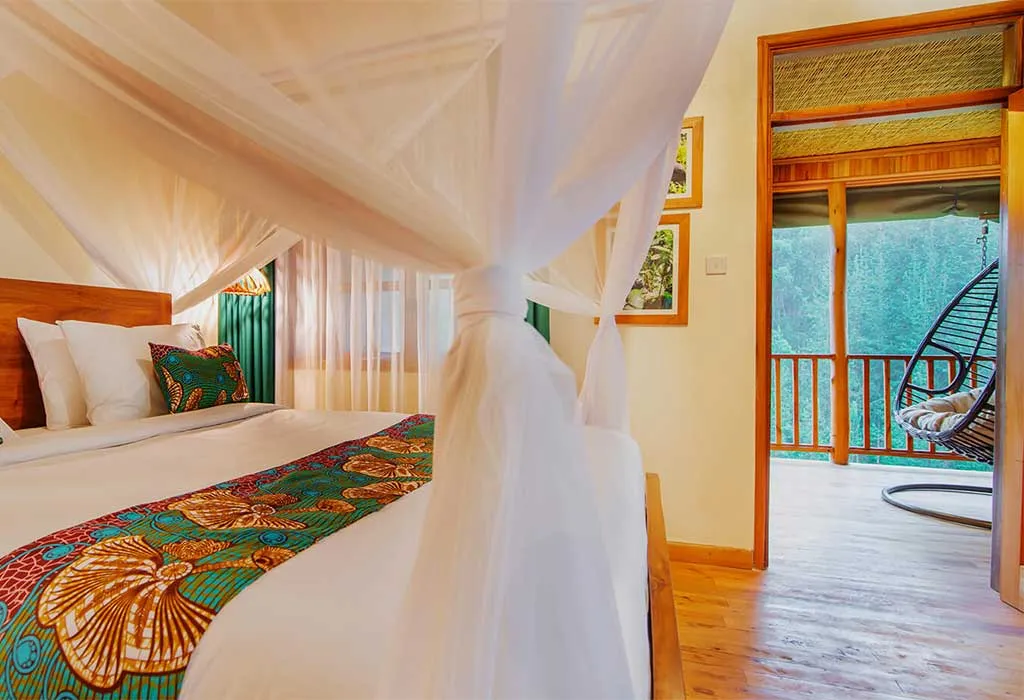
Accommodation near Rushaga ranges from simple community-run guesthouses to award-winning luxury lodges perched on the forest edge. Your choice here is the biggest single factor in your total cost of gorilla habituation in Uganda beyond the permit itself.
- Budget lodges: simple rooms, hearty meals, friendly staff, often locally owned and supporting the surrounding community directly. Good options include Nshongi Gorilla Lodge, Gorilla Valley Lodge, Gorilla Hills Eco-Lodge, and Rushaga Gorilla Havens Lodge.
- Mid-range lodges: comfortable en-suite cottages, good food, often with forest or valley views, and reliable hot water. Popular choices include Ichumbi Gorilla Lodge, Rushaga Gorilla Lodge, Four Gorillas Lodge, Gorilla Leisure Lodge, and Bweza Gorilla Lodge.
- Luxury lodges: private verandas overlooking Bwindi’s canopy, personalized service, gourmet multi-course dinners, and sometimes spa facilities. Gorilla Safari Lodge is the standout option in this category near Rushaga.
Local Guide Recommendation: If budget allows, mid-range options like Ichumbi Gorilla Lodge or Four Gorillas Lodge strike a strong balance between comfort and value, often the sweet spot for travelers weighing the total cost of gorilla habituation in Uganda against the quality of their stay.
Travel Planning Tip: Book accommodation for one extra night before your trek. Arriving the afternoon before means you start the early morning briefing rested rather than exhausted from a long drive that same day.
Your lodge choice, more than any other single decision, determines where your total cost of gorilla habituation in Uganda lands within the budget, mid-range, or luxury bracket described earlier in this guide.
Common Mistakes That Inflate the Cost of Gorilla Habituation in Uganda
- Booking too late and being forced into last-minute, higher-priced accommodation or flights.
- Ignoring the health screening rules and risking being turned away on trek day.
- Underestimating transport costs, especially the long Kampala–Rushaga road transfer.
- Skipping travel insurance to save a small amount upfront, then facing large costs if a medical issue or trip disruption occurs.
- Not budgeting for tips, which are customary and expected for guides, trackers, porters, and lodge staff.
- Choosing the cheapest possible operator without checking licensing, which can lead to permit fraud or unreliable logistics.
Avoiding these mistakes is one of the simplest ways to keep the cost of gorilla habituation in Uganda close to your original budget instead of watching it balloon through avoidable errors.
Money-Saving Tips for Your Gorilla Habituation Safari
- Travel during low season for lower accommodation rates and easier permit access.
- Book permits and lodging together through one reputable operator for bundled discounts.
- Travel in a small group to split private transport costs.
- Fly into Kigali if it works out cheaper and faster than the long Kampala road transfer.
- Hire a porter — the small fee supports the local community and reduces your physical strain, which is worth far more than the cost.
Applying even two or three of these tips can meaningfully lower the total cost of gorilla habituation in Uganda without touching the fixed permit fee itself.
Frequently Asked Questions
1. What is the exact cost of gorilla habituation in Uganda for foreign visitors?
Foreign non-residents pay US$1,800 for a single gorilla habituation permit in the Rushaga Sector of Bwindi. The Uganda Wildlife Authority charges foreign residents US$1,500 and Africans outside East Africa US$1,000 per permit. East African citizens pay UGX 750,000 each, since the government sets lower regional rates for residents.
2. Is the cost of gorilla habituation in Uganda worth it compared to standard trekking?
Gorilla habituation gives visitors four full hours with gorillas, while standard trekking allows only one hour total. Photographers and repeat visitors often value the extra observation time and closer researcher access habituation provides them. First-time travelers on tighter budgets frequently choose standard trekking and still enjoy a genuinely powerful experience.
3. How many gorilla habituation permits are available each day?
Uganda offers only eight gorilla habituation permits daily, split evenly between the Bikingi and Bushaho families. Each family accepts only four visitors per day, which limits access severely across the entire country. This scarcity pushes serious travelers to book their permits several months before their planned travel dates.
4. What is included in the cost of gorilla habituation in Uganda permit?
The habituation permit covers park entrance fees, professional ranger services, and expert tracker assistance throughout your trek. It also grants four full hours observing gorillas once your tracking team locates the assigned family. The permit excludes accommodation, meals, and ground transportation, so travelers must budget separately for those extra expenses.
5. Does the cost of gorilla habituation in Uganda include accommodation and meals?
No, the permit fee covers only the gorilla experience itself, excluding accommodation, meals, and transport entirely. Travelers choose their own lodges and pay separately based on budget, comfort level, and travel season. Accommodation choice therefore drives most of the total variation in trip costs that travelers ultimately report afterward.
6. How much does a full gorilla habituation safari package cost?
A typical three-day mid-range habituation safari for two people sharing costs around $2,790 per person total. Budget travelers can arrange complete trips starting near $2,200, while luxury packages often exceed $4,000 easily. Accommodation category and group size influence these final figures more than any other single factor involved.
7. Why is the cost of gorilla habituation in Uganda higher than gorilla trekking?
Habituation offers four full hours with gorillas instead of the single hour standard trekking provides visitors. Smaller visitor groups and active researcher involvement raise the staffing costs behind every habituation permit sold. This premium also funds an ongoing, multi-year conservation program that most visitors never fully witness firsthand.
8. Where does the money from gorilla habituation permits go?
Permit revenue pays ranger salaries and funds daily anti-poaching patrols across Bwindi Impenetrable National Park grounds. It also covers veterinary care for injured gorillas and supports community development projects in nearby villages. These investments give local communities a genuine incentive to protect gorillas and their fragile forest habitat.
9. What is the minimum age for gorilla habituation trekking?
Uganda Wildlife Authority sets the minimum age at fifteen years, without any documented exceptions ever allowed. This rule protects both young travelers and gorillas from unnecessary physical strain and serious health risks. Families traveling with younger children should plan alternative activities during the entire scheduled gorilla trekking day.
10. Can I get a refund if I miss my gorilla habituation trek?
Uganda Wildlife Authority enforces strict cancellation rules and rarely refunds permits cancelled close to travel dates. Travelers should confirm the exact cancellation terms with their chosen operator before making any final payment. Comprehensive travel insurance protects your financial investment against illness, flight delays, or sudden itinerary disruptions overall.
11. Which gorilla families are part of the habituation program?
The Bikingi family includes roughly twenty-two members, all led by one dominant and protective silverback gorilla. Silverback Bahati leads the Bushaho family, which rangers sometimes track from the nearby Nkuringo sector instead. Rangers assign your gorilla family based on location and movement patterns tracked earlier that same morning.
12. How long does the entire habituation trekking day take?
Rangers brief all visitors around 6:30 AM before trackers begin searching for the assigned gorilla family. The four-hour observation period starts only after trackers successfully locate the gorillas deep in the forest. Including the search and the long return hike, the full excursion often exceeds six total hours.
13. What should I pack for a gorilla habituation trek?
Pack long-sleeved shirts, sturdy waterproof hiking boots, and tall socks to guard against stubborn biting insects. Bring at least two liters of drinking water, sturdy gloves, and a genuinely reliable rain jacket. Carry spare camera batteries and waterproof gear protection, since forest humidity drains electronics unusually quickly there.
14. When is the best time to do gorilla habituation in Uganda?
June through September and December through February offer travelers the driest and most popular trekking conditions. Rainy season months bring fewer crowds, easier permit availability, and noticeably lower accommodation rates throughout Rushaga. Photographers often prefer wet season light, which creates dramatic and richly colored forest scenery each day.
15. How do I get from Kigali or Kampala to Rushaga?
Travelers can reach Rushaga from Kigali within three to four hours via the Cyanika border crossing. Drivers from Kampala or Entebbe usually need eight to ten hours, often split across two days. Aerolink Uganda flies travelers to Kisoro Airstrip, followed by a short one to two hour drive.
How to Book With Iconic Africa Safaris
If you are ready to plan your own habituation safari, Iconic Africa Safaris is ready too to handle every detail, from securing your permits and arranging domestic flights to booking accommodation and organizing comfortable 4×4 Land Cruiser transfers between Kigali, Kampala, Entebbe, and Rushaga. Reach out through the website booking form, email info@iconicafricasafaris.com, or send a message via WhatsApp icon on your bottom ride side of your screen to start planning a fully personalized gorilla habituation experience. The team manages the logistics so you can focus on what matters — spending four unforgettable hours with one of the last mountain gorilla families on earth.