
Best Lodges for Gorilla Luxury Safari in Uganda
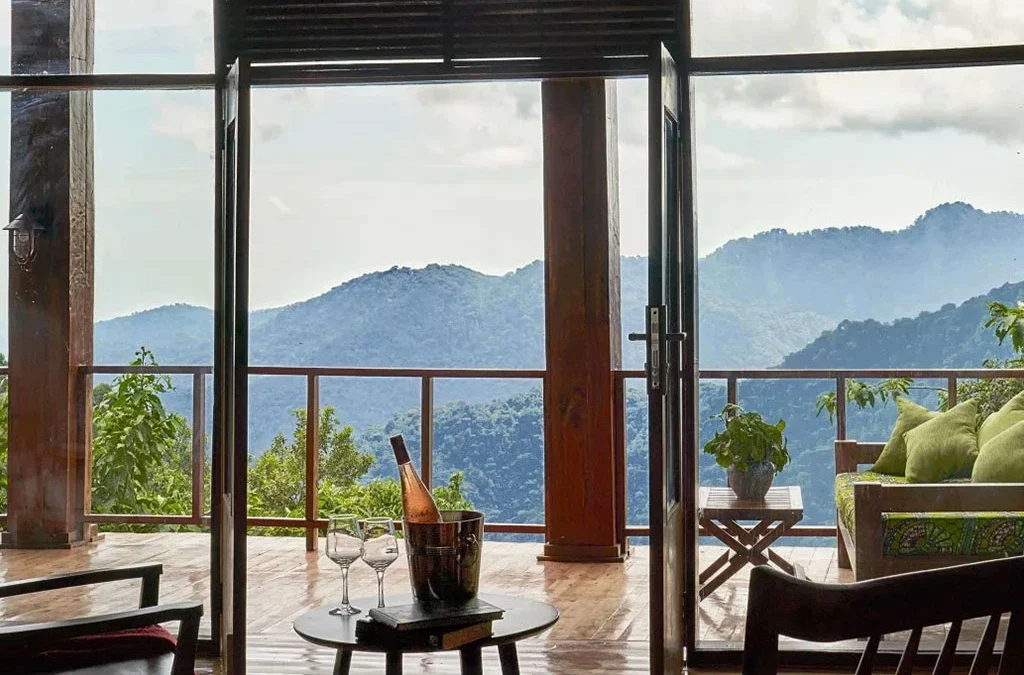
If you’re planning a luxury gorilla safari in Uganda, the choices can feel overwhelming at first. Two parks offer this experience: Bwindi Impenetrable National Park and Mgahinga Gorilla National Park. Both sit in the country’s far southwest corner, wrapped in thick forest and volcanic slopes. Bwindi holds over 400 mountain gorillas spread across four sectors, while Mgahinga shelters just one habituated family. Picking the right lodge, sector, and season shapes your entire trip from start to finish. In this guide Iconic Africa Safaris covers the best luxury lodges, what a trekking day really involves, permit costs, activities worth adding, and a sample itinerary linking both parks. By the end, you’ll know how to plan and book your luxury gorilla trek with confidence.
Which Lodge Should You Pick for a Bwindi Gorilla Safari?
Bwindi isn’t one single trekking spot; it’s split into four sectors, each with its own gate and gorilla families. Your permit gets allocated to a specific sector, so the smart move is sleeping close to that briefing point.
Nkuringo Sector (Southern Bwindi)
Nkuringo sits in the southern half of Bwindi Impenetrable Forest, right at the edge of the rainforest. If your permit lands here, three lodges stand out above the rest for comfort and location. Each one sits within minutes of the trailhead, so early mornings feel far less rushed.
- Gorilla Heights Lodge: This ranks among the highest-rated properties in the entire region, and guests rarely disagree. Villa-style suites come with huge private balconies, outdoor showers, and sweeping valley views below. Food and service both draw consistent praise across reviews, matching the dramatic setting. Its ridge-top position delivers arguably the most striking panorama of any lodge in Bwindi. It also sits just minutes from the Nkuringo trailhead, making trek mornings simple.
- Nkuringo Gorilla Lodge: A polished, well-established favourite perched on Nteko Ridge, loved for its warmth. Cozy fires get laid in every room, and staff leave hot water bottles each evening. Service here feels personal rather than routine, with staff often remembered long after checkout. It’s a genuinely strong all-rounder, balancing comfort, location, and hospitality in equal measure.

Nkuringo Bwindi Gorilla Lodge
- Clouds Mountain Gorilla Lodge: This is the original ultra-luxury address in southern Bwindi, and it still leads. Community-owned and run by Wild Places Africa, it carries real conservation weight behind the comfort. The main lodge uses grand stone-and-timber architecture, while isolated cottages sit near 6,000 feet. That altitude brings cooler nights and quieter mornings than most lodges nearby offer. Its conservation and community ethos runs deeper than most luxury properties in the area.
Rushaga Sector (Southern Bwindi — Most Gorilla Families)
Rushaga sits in the far south of Bwindi and holds more habituated gorilla families than any other sector, currently around 8 groups. It’s also the only sector offering the Gorilla Habituation Experience, so serious primate fans often base themselves here first. Roads into Rushaga wind through terraced hillsides and small farming villages before reaching the forest edge.
- Gorilla Safari Lodge: This intimate property holds about 19 bungalows, several with fireplaces built into the deluxe rooms. Staff deliver warm, personal service that regular guests mention again and again in reviews. The trailhead sits just 5 minutes away, cutting down on early-morning travel stress. As one of Rushaga’s longest-running luxury names, it remains a dependable, well-loved choice.
- Four Gorillas Lodge: Set on the forest’s edge, this newer 4-star property sits roughly 10 minutes from the briefing centre. Eight elegant cottages combine thatched roofs with raised wooden platforms and full en-suite bathrooms. Guests praise the fireplace lounge, the forest views, and the easy access to Rushaga’s gorilla families. Beyond trekking, the lodge arranges birding walks, Batwa cultural visits, and trips to nearby Lake Mutanda.
- Gorilla Leisure Lodge: Rated an impressive 4.9 by past guests, this lodge sits fully immersed within the forest canopy. Rooms feel spacious, and big balconies open directly onto views of surrounding trees. Its chef earns consistent praise, turning meals into a genuine highlight rather than an afterthought. Walking distance to the trekking start makes early mornings simple and unhurried.
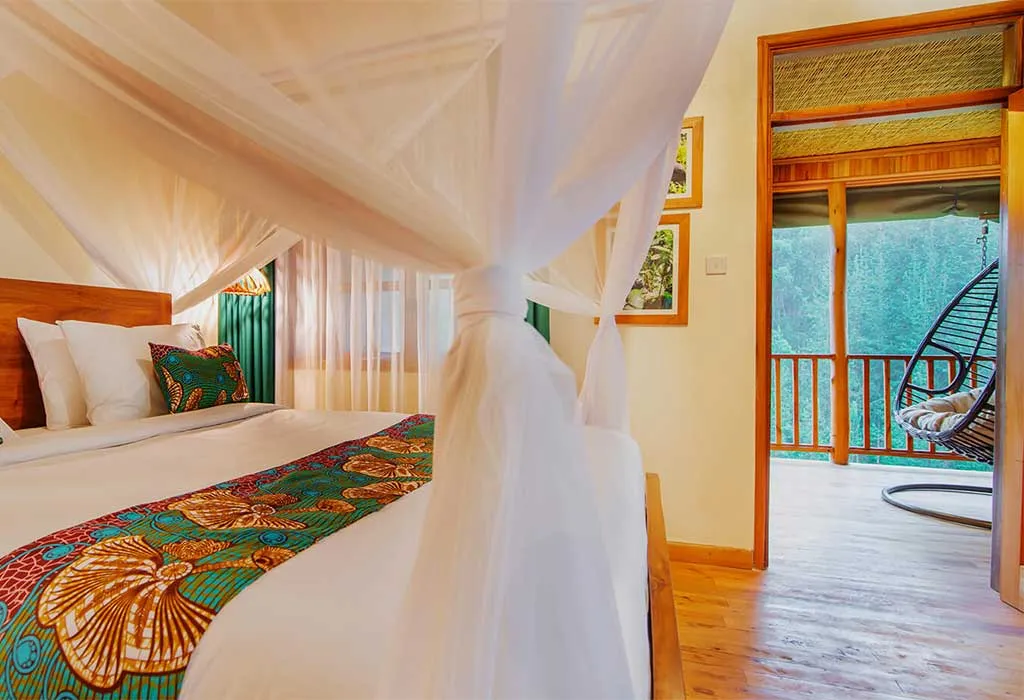
Gorilla Leisure Lodge
- Chameleon Hill Lodge (near Lake Mutanda): Perched above Lake Mutanda, this lodge trades forest immersion for whimsical, colourful chalets and sweeping lake views. It sits outside the forest itself, yet stays within easy reach of the Rushaga trailhead. Couples often pick it for the romantic setting and some of the best lake panoramas in Uganda. After a trek, the calm water views offer a gentle contrast to the forest’s intensity.
Buhoma Sector (Northern Bwindi — the easiest to trek, most accessible)
Buhoma is where gorilla trekking in Uganda truly began, and it still feels like the easiest, friendliest starting point. Roads here stay smoother than in the southern sectors, so the drive in feels far less bumpy. The trekking centre sits right at the forest edge, cutting transfer time down to almost nothing.
- Gorilla Forest Lodge: This iconic camp, run by A&K Sanctuary, sits inside the forest itself, just 3 minutes from the trekking centre. Personal housekeepers turn down warmed mattresses every evening, adding real comfort after a long day. Its unbeatable location remains the single biggest draw for returning guests. Few camps in Bwindi match this proximity to the actual briefing point each morning.
- Buhoma Lodge: Cozy timber cottages sit perched above the forest edge here, with wide verandas looking straight into the trees. The atmosphere feels relaxed and homely rather than formal or stiff. Guests often mention the warm staff and genuine attention to small, thoughtful details. It suits travellers who want comfort without excess polish getting in the way.

Buhoma-lodge
- Silverback Lodge: This newer top-tier entry brings heated plunge pools to every room, alongside private butler service throughout your stay. Golf-cart transfers whisk you to the briefing point in just 5 minutes flat. All-inclusive packages cover most extras, plus a wellness spa for post-trek recovery. It’s the most premium option here, so confirm exactly what’s included before booking.
- Bwindi Lodge: This property recently finished a full renovation from top to bottom. Modern African luxury bandas now sit right at the forest boundary, blending style with comfort. Guiding here consistently earns praise, with staff known for sharp tracking knowledge and genuine warmth. Returning guests often cite the guiding team as the property’s biggest strength.
- Mahogany Springs: Refined suites sit beside a running mountain stream, giving rooms a calm, natural soundtrack throughout the night. A strong spa program pairs well with sore legs after a long trekking day. Compared with the top-end camps nearby, it delivers excellent value without sacrificing much comfort. Many travellers rank it as the smartest mid-to-luxury pick in the sector.
- Trackers Safari Lodge: A stylish, multi-level design sets this lodge apart, anchored by a fireplace bar for cool evenings. A small pool and gym add extra comfort rarely found at this price point. Sweeping forest views stretch from most rooms, especially striking at sunrise and sunset. It rounds out Buhoma’s lineup as a strong, well-rounded choice overall, whatever your budget looks like.
Ruhija Sector (Eastern Bwindi — higher, cooler, quieter)
- Kiho Gorilla Safari Lodge: Tucked deep in Ruhija’s forest, this treehouse-style lodge offers a genuinely unique stay near Bwindi. Rooms feature private jacuzzis, log fires, and wide windows framing dense jungle canopy views. Being higher and cooler than other sectors, Ruhija stays quieter with far fewer trekkers around. Kiho remains the standout luxury choice here, blending rustic charm with real comfort after each long trekking day.

Kiho Gorilla Safari Lodge
Which Lodge Should You Pick for a Mgahinga Gorilla Safari?
- Mount Gahinga Lodge: This boutique property serves as the top luxury base near Mgahinga National Park. Cozy stone cottages face the volcanoes directly, warmed each night by open fireplaces. Because it sits close to the golden monkey trailhead, transfers stay short and simple. Meanwhile, the on-site garden supplies fresh produce for meals throughout your stay. After trekking, guests relax on private verandas overlooking the Virunga peaks, making it an ideal, restful choice.

Mount Gahinga Lodge
How Does a Standard Gorilla Trekking Day Unfold?
Your adventure begins early in the morning at the park headquarters around 7:30. First, rangers provide a vital safety briefing, explain strict forest etiquette, and assign you to a specific family. Meanwhile, professional trackers enter the forest at dawn to locate the exact position of the primates. The hike itself lasts between 30 minutes and 8 hours depending on wildlife movement. However, you receive exactly 1 hour of contact time once your group locates the gorillas. Park authorities strictly enforce this 60-minute limit to protect the animals from human stress and diseases. For instance, gorillas share 98.4% of our DNA, meaning a simple human cold can prove fatal to them.
The terrain requires decent physical fitness because Bwindi features steep slopes and no formal walking trails. Therefore, trackers must cut paths through dense vegetation using machetes as you move through the forest. Hiring a local porter costs roughly $20 and helps you navigate the slippery, muddy hillsides easily. Consequently, this fee provides direct financial support to the families living around the park borders. Finally, visitors must be at least 15 years old, free of illness, and maintain a 7-10 meter distance.
What Makes Bwindi and Mgahinga Parks Distinct from Each Other?
Bwindi covers a massive expanse of ancient, dense rainforest that has thrived for over 25000 years. Specifically, the park protects roughly 400 mountain gorillas, which equals half of the global wild population. You can track 19 habituated families across 4 distinct sectors that yield 152 permits daily. Alternatively, Bwindi also offers the exclusive Gorilla Habituation Experience in the southern Rushaga sector. This unique option allows 4 travelers to spend 4 hours with a wild group alongside researchers.
On the other hand, Mgahinga stands as Uganda’s smallest national park and occupies the dramatic slopes of the Virunga Volcanoes. The open Afro-montane terrain offers stunning volcanic views across the borders of Rwanda and Congo. In contrast to Bwindi, the park hosts just 1 habituated group named the Nyakagezi family, yielding 8 permits per day.
Insider Tip: If the Nyakagezi family wanders into Rwanda, the Uganda Wildlife Authority gives you a 100% refund. Modern tracking data shows the family now stays settled in Uganda most of the year.
What Are the Current Costs and Rules for Gorilla Permits?
Every traveler must secure an official permit issued by the Uganda Wildlife Authority to enter the forest. The standard permit covers park entry, expert security rangers, and your guiding team for the day. However, it does not include your luxury lodging, private transport, daily meals, or optional porter fees.
- Foreign Non-Residents: $800 per person for a standard permit.
- Foreign Residents: $700 per person for a standard permit..
- Rest-of-Africa Citizens: Citizens from other African nations outside East Africa – $500 per person for a standard permit.
- East African Community Citizens: UGX 300,000 per person for a standard permit.
A promotional low-season discount reduces the price to $600 for foreign non-residents and $500 for foreign residents during April, May, and November. In comparison, the 4-hour Gorilla Habituation Experience costs $1800 for foreign non-residents and $1500 for foreign residents regardless of any month of the year.
Insider Tip: Gorilla Trekking or habituation permits sells out fast, so Iconic Africa Safaris advises to book them in 3-6 months in advance to guarantee your trekking.
What Else to Add to Your Luxury Gorilla Safari in Uganda
If gorillas are the main event, plenty of other experiences round out your trip in this corner of Uganda. Golden monkeys, ancient volcanoes, and living Batwa culture all sit within reach of your lodge. Meanwhile, birdwatchers and coffee lovers find just as much to enjoy here. Because permits for gorillas are limited to one hour, most travellers build extra days around other activities. Below are five worth considering, each one adding a different flavour to your itinerary.
Track Endangered Golden Monkeys in Mgahinga
Mgahinga stands as the only park in Uganda where golden monkeys live in the wild. These orange-and-black primates inhabit high-altitude bamboo zones, with a global population of just 2,000 to 4,000. Because they move so acrobatically through the canopy, spotting them rarely takes long. The standard trek costs $60 for foreign non-residents, plus a $40 daily park entrance fee. For a deeper encounter, a 4-hour habituation experience lets you spend extra time nearby. This activity pairs naturally with a gorilla trek and fits neatly into a regional itinerary.
The Batwa Cultural Experience
The Batwa lived as hunter-gatherers inside these forests for thousands of years before the parks existed. Their Mgahinga trail offers an authentic walk led entirely by indigenous guides through the bush. Along the way, guides demonstrate hunting techniques, medicinal plants, and traditional survival skills. The trail ends at Garama Cave, once used as a royal hideout during tribal conflict. Songs, dances, and storytelling close out the visit inside the cave itself. Bwindi also runs community walks near Buhoma and Nkuringo, supporting a historically marginalised community directly.
Virunga Volcanoes Day Hikes
Three extinct volcanoes dominate Mgahinga’s skyline, each offering a demanding, full-day climb with sweeping views. Sabinyo delivers a thrilling ridge walk where three countries meet at the summit. Gahinga, by contrast, winds gently through bamboo forest toward a quiet crater swamp. Muhavura poses the steepest challenge, rewarding climbers with a crater lake at the top. Hikes start at 7:00 and run 4 to 8 hours, with permits costing roughly $75. Sturdy boots, rain gear, and solid fitness matter more here than on any other activity.
Birdwatching and Nature Walks
Bwindi ranks among Africa’s finest birding destinations, drawing enthusiasts chasing rare Albertine Rift endemics. Ruhija sector, particularly the trail to Mubwindi Swamp, holds the best odds for the African green broadbill. Mgahinga adds another 180 species, including 12 endemics found along the Sabinyo-Gahinga gorge. Local guides can lead half-day or full-day birding walks for serious spotters. For a gentler pace, the Buhoma waterfall trail passes ferns, cascades, and butterflies instead. Further south, Lake Mutanda offers calm canoe rides beneath the volcanoes’ shadow.
Kisoro Coffee Tour Experience
Rich volcanic soil across the Virunga slopes produces fruity, high-altitude Arabica coffee prized by roasters. Local farmer Peter runs a hands-on tour just 5 minutes outside Kisoro town. First, you pick ripe cherries alongside his family across the terraced hillside. Then you pulp, pound, and roast the beans over an open wood fire yourself. Finally, you grind the beans and brew a fresh cup using traditional tools. The session runs 2 to 3 hours and costs about $20 per person. Because payment goes straight to the family, your visit supports sustainable farming over forest clearing.
When is the Best Time to Visit Bwindi or Mgahinga in Uganda?
Gorilla trekking operates throughout the year, but weather conditions change significantly between the seasons. The primary dry windows run from June through September and December through February each year.
- Dry Months: To begin with, the forest trails remain firm, making the steep hiking much easier for visitors. Furthermore, the clear skies also provide excellent visibility for photography and volcano climbing adventures.
- Wet Months: On the other hand, rains are expected during April, May, and November, turning paths into slippery, muddy tracks. Consequently, the vegetation grows thick and lush, which sometimes draws the gorilla families down to lower elevations.During the same period you can be surprised by sunny days during your visit.
Insider Tip: Bring high-quality waterproof jacket and pants even during the dry months. Bwindi is a tropical rainforest, so heavy downpours can happen unexpectedly at any time.
How Do You Book Your Luxury Gorilla Safari?
You can book your custom adventure by filling out our online form or emailing info@iconicafricasafaris.com directly. Alternatively, tap the WhatsApp button on the bottom right corner of your screen for an instant chat. Share your specific travel dates, group size, preferred luxury lodging level, and total vacation days.
Our local travel consultants remain available 24 hours a day to craft your personalized itinerary. Remember that gorilla permits are strictly limited by law and sell out rapidly during peak seasons. Therefore, you should finalize your booking 3 to 6 months in advance to guarantee your forest passes. In the end, our team handles every detail, from sourcing permits to arranging luxury transport and private guiding. Contact us today to begin planning your dream safari into the magical forests of Uganda.