
Is Uganda Safe for South African Tourists?
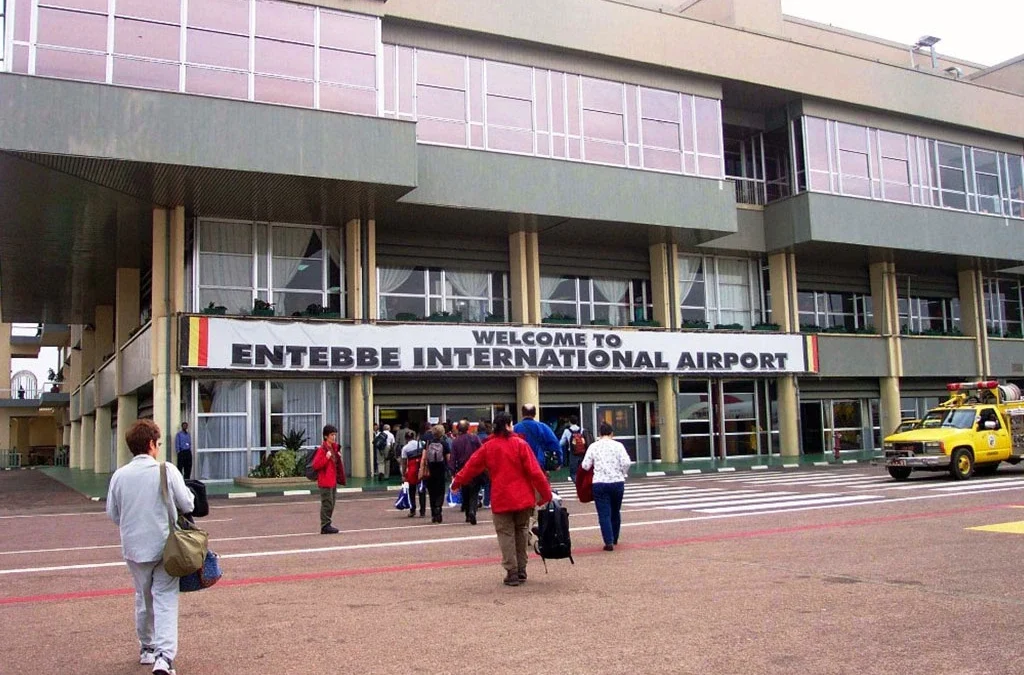
Yes, Uganda is a safe and welcoming place for South African tourists, and the vast majority of visitors travel here without a single problem. Locals greet foreigners warmly, no matter where you come from or why you chose their country. The simple rule that keeps every trip smooth is this: come for tourism and keep your focus on tourism.
Uganda leans heavily on tourism, so protecting visitors matters to almost everyone you meet. Guides, rangers, lodge staff and drivers all take your safety seriously because your good experience is their livelihood. National parks stay well managed, and armed rangers walk with you on gorilla and chimp treks.
A few everyday habits still make sense, just as they would anywhere in the world:
- Keep your valuables close. Use a lodge safe for your passport and spare cash, and carry only what you need for the day.
- Move with a trusted operator. A licensed company such as Iconic Africa Safaris handles your transport, permits and routes, which removes most of the guesswork.
- Respect local customs. Dressing modestly in towns and asking before you photograph people goes a long way.
Insider Tip : Save your operator’s WhatsApp number before you fly. Should anything feel off, one quick message puts a local expert on your side within minutes, day or night.
What are the Top Tourism Attractions in Uganda?
Uganda packs an incredible range of experiences into one compact country, from open savannah to steamy rainforest and snow-capped peaks. Wildlife lovers get big game, rare primates and dramatic landscapes, often within a single trip. Below sit the top attractions that most South African travelers and other travelers build their itineraries around, along with the minimum time each one deserves:
- Murchison Falls National Park (3 days minimum): Look for lions, elephants, buffaloes, warthogs, hyenas, occasional leopard, antelopes and giraffes on a game drive, then cruise the Nile to the base of a thundering waterfall where the river squeezes through a narrow gorge.
- Kibale Forest National Park (3 days minimum): Trek or habituate chimpanzees in one of Africa’s richest primate forests. Watching them swing and call overhead ranks among the continent’s best wildlife moments.
- Queen Elizabeth National Park (3 days minimum): Combine a classic game safari (encounter lions, elephants, buffaloes, warthogs, hyenas, occasional leopard, antelopes ) with a boat cruise along the Kazinga Channel, where hippos, buffalo and countless birds gather at the water’s edge.
- Bwindi Impenetrable Forest or Mgahinga Gorilla National Park (3 days minimum): Come face to face with mountain gorillas, the trip that draws most visitors to Uganda in the first place.
- Rwenzori Mountains (7 days minimum): Lace up your boots for a serious hike through the fabled “Mountains of the Moon,” where glaciers and strange plants sit almost on the equator.
Pick two or three of these, and you already have an unforgettable holiday. Most travellers pair gorillas with either chimps or a savannah park for balance. Time is the only real limit, so a longer stay simply means more of Uganda to enjoy.
How Much Does a Gorilla Trekking Permit Cost?
Here comes the number most South Africans want first. A gorilla trekking permit for South African passport holders costs $500 per person, since Uganda charges citizens of other African countries a lower “Rest of Africa” rate than the $800 non-residents from Europe or the United States pay. That single fee already carries real value. Think of it as a direct contribution to protecting one of the world’s rarest animals.
Your permit covers more than just entry. It buys you one full hour beside a habituated gorilla family, the services of an expert park guide, armed ranger protection, and the park entrance fee for the day. Porters, tips and transport sit outside the permit, so budget a little extra for those.
Permits stay strictly limited to protect the gorillas, with a maximum of 8 permits issued daily for each habituated gorilla group. Because demand runs high, dates sell out fast, especially across the peak months of June to September and December to February. Book 3 to 6 months ahead to lock in your spot, and go through a reputable licensed operator such as Iconic Africa Safaris, which secures the permit and handles the paperwork with the Uganda Wildlife Authority for you.
When Should You Plan Your Uganda Trip?
Uganda welcomes visitors all year, yet the weather shapes how easy your trek feels. The country sits right on the equator, so temperatures stay mild and pleasant, while rainfall decides the real difference between seasons. Two drier stretches stand out as the classic choice for most travellers. Your choice really comes down to a simple trade: easier trails or fewer people.
June to September and December to February bring the driest, firmest trails, which makes gorilla and chimp trekking noticeably easier. These same months count as peak season, so crowds grow and permits vanish quickly. Booking early becomes essential if you want these dates.
March to May and October to November mark the wetter “green season.” Rain falls harder and trails turn muddy, yet the payoff is real: forests glow a deeper green, waterfalls run full, bird life explodes, and far fewer tourists share the parks. Photographers often prefer this softer, dramatic light.
Weather in the mountains stays unpredictable no matter when you come, so a short burst of rain can arrive on any day. Pack a light rain jacket and quick-dry clothes, and you will handle whatever the sky does.
Insider Tip: Aim for the shoulder weeks at the edges of each season, such as early June or late September. You catch mostly dry weather while dodging the thickest crowds and the highest lodge rates, which stretches your budget further without spoiling the experience.
South Africans enjoy an easy time difference too, with Uganda just one hour ahead, so jet lag barely registers on arrival.
What Do You Need to Enter Uganda?
Getting into Uganda stays refreshingly simple, as long as you sort 3 documents before you fly. South African passport holders need a visa, a valid passport, and proof of a yellow fever jab. Handle these early, and your arrival at Entebbe runs smoothly.
Here is what to prepare:
- A tourist e-visa. Apply online through Uganda’s official immigration portal before you travel. The single-entry tourist e-visa grants 90 days of stay from your arrival date, and the standard fee sits around $50, though you should confirm the current amount on the government site.
- A passport with at least 6 months of validity from your arrival date, plus a blank page for the stamp.
- A yellow fever vaccination certificate. A valid yellow fever vaccination is a strict requirement for entry into Uganda for all travellers from South Africa, and officers check it on arrival.
Apply for the e-visa roughly two to four weeks ahead. Officers usually decide within a few days, yet leaving buffer time protects you against any hold-ups or requests for extra documents. Print your approval letter and carry it with your passport, since you will show both at the desk.
Planning to hop into Kenya or Rwanda on the same trip? Look at the East Africa Tourist Visa, which covers all three countries under one application and saves both money and hassle.
How Do You Book Your Safari in Uganda?
Ready to turn this into a real trip? Reaching us takes seconds. Fill in the booking form, send an email to info@iconicafricasafaris.com, or tap the WhatsApp button in the bottom right corner of your screen for an instant chat. Each option reaches the same friendly team.
To speed things along, share a few details when you message us:
- Your travel dates
- The number of people in your private group
- Your preferred accommodation level, whether Budget, Mid-Range or Luxury
- The number of days you want to travel
One of our local consultants then crafts a personalized, fully costed itinerary shaped around your requests and preferences. We stay reachable 24 hours a day, so a message is all it takes.
Remember, gorilla permits are limited and sell out fast. If you plan to travel during peak season, book 3 to 6 months ahead to guarantee your spot.