
Luxury Rwanda Gorilla Safari Guide for US Travelers
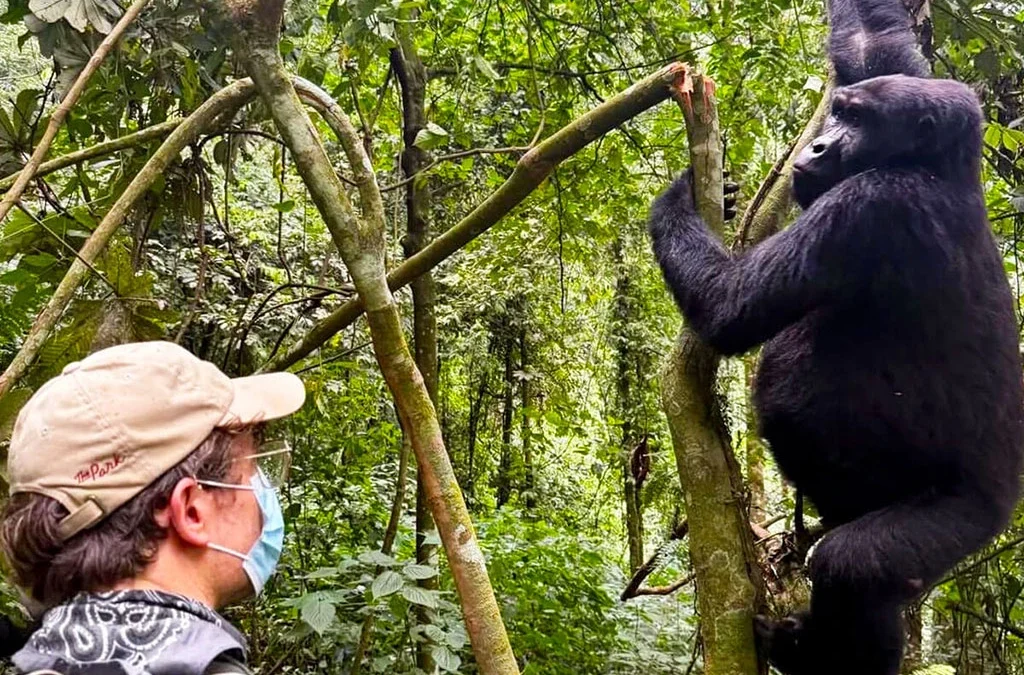
Luxury Rwanda Gorilla Safari from USA: The Complete Guide
If you are a US traveler weighing a luxury Rwanda gorilla safari, here is the short version before we go deep. A well-built luxury trip runs somewhere between three and ten days. It centers on one or two guided treks to see mountain gorillas in Volcanoes National Park. Most trips also layer in high-end lodges and a private vehicle and guide. Many add a second wildlife chapter too, such as golden monkey tracking, Nyungwe chimpanzee trekking, or a big-game safari at Akagera National Park. Budget roughly $4,500 to well over $15,000 per person, depending on trip length, lodge tier, and season. The single largest fixed cost is the $1,500 gorilla trekking permit, which the Rwanda Development Board issues.
Rwanda has deliberately built its tourism model around “high value, low volume.” The country releases only a limited number of permits each day. Luxury lodges near the park are genuinely world-class. The entire visitor experience feels unhurried, private, and safe by design. That runs true from the moment you land in Kigali. It holds all the way through the hour you spend with a gorilla family in the Virunga foothills. American travelers usually research a trip online before committing real money to it. That combination of scarcity and quality is exactly why the details below matter. This guide covers what things cost and what the price actually includes. It also explains how to get there from the United States, when to go, and how to choose between Rwanda and its neighbors.
The rest of this guide walks through each of those questions in order, ending with a straightforward FAQ and a way to request a tailored quote.
Luxury Rwanda Gorilla Safari Cost
Cost is usually the first real filter for US travelers considering this trip. This guide gives it a serious, honest breakdown rather than a vague “starting from” number. For a deeper dive into pricing across every travel style, see our full breakdown of Rwanda safari cost.
The Fixed Cost: Your Gorilla Trekking Permit
The one fixed, non-negotiable cost is the gorilla trekking permit itself. The Rwanda Development Board sets this at $1,500 per person for foreign non-residents. That price has held steady for several years, as part of a deliberate conservation-funding strategy. This permit covers park entry, a trained tracker team, an armed ranger escort, and up to one hour with a habituated gorilla family. It does not cover lodging, meals, transport, or gear. Our detailed guide to gorilla trekking permits walks through exactly what the fee includes and how to book.
Everything layered on top of that permit is where “luxury” actually gets defined, and it is also where the price range widens considerably.
Sample Luxury Itinerary Pricing
| Safari type | Duration | Luxury level | Approx. cost per person |
|---|---|---|---|
| Luxury Gorilla Escape | 3 days | Luxury | From $4,500 |
| Luxury Gorilla & Kigali | 4 days | Luxury | From $5,800 |
| Gorilla & Golden Monkey | 5 days | Luxury | From $7,200 |
| Gorilla & Akagera | 6 days | Luxury | From $8,600 |
| Luxury Rwanda Primates & Safari | 8 days | Luxury | From $12,500 |
These figures are indicative starting points for double occupancy, built around one gorilla permit per person. A handful of factors move them up or down, and it helps to understand each one before you request a quote.
What Moves the Price Up or Down
- Gorilla permit count. One trek is standard. Some travelers add a second trek on a different day. This adds another $1,500 per person but roughly doubles the chance of an exceptional gorilla encounter.
- Lodge category. Rwanda’s luxury lodges near Volcanoes National Park range widely in price. Boutique properties start at a few hundred dollars a night; ultra-luxury lodges run well over $2,000 a night. This single variable moves the total cost of a trip more than any other.
- Private vehicle and guide. A dedicated 4×4 with a professional driver-guide for the whole trip costs more than joining shared transfers. It buys flexibility, privacy, and a guide who can tailor the pace of each day.
- Group size. Two travelers splitting a private vehicle and guide pay a lower per-person rate than a solo traveler booking the same private arrangement.
- Season. Rwanda’s two dry seasons, roughly June through September and December through February, are the most popular trekking windows, and luxury lodges price accordingly. The wetter shoulder months can bring meaningfully lower lodge rates for the same permit price.
- Domestic and charter flights. Some itineraries use the short scenic flight or helicopter transfer between Kigali and the Volcanoes region or Akagera instead of a road transfer. This adds cost but saves hours.
- Meals, activities, and nights. Full-board luxury lodges, guided nature walks, cultural visits, and extra nights all add incrementally. These are usually where the trip stops feeling transactional and starts feeling like a proper vacation.
Insider tip: how to actually save money without cutting corners. Most first-time planners assume the only way to lower the cost of a luxury Rwanda gorilla safari is to downgrade the lodge. In practice, the more effective lever is timing your permit booking and travel dates around Rwanda’s shoulder seasons, roughly March to May and October to November. Lodges quietly drop rates by 20 to 30 percent in those windows. The gorilla trekking experience itself stays unaffected, since the permit price stays the same year round. You get the same $1,500 permit, the same gorilla family, and the same luxury lodge. You just pay a rate the property offers to keep occupancy up during quieter months. Pair that with booking two nights instead of one at your gorilla lodge. A one-night stay often means arriving late and leaving early on trek day, which is the single most common regret we hear from past guests.
What Is Included in a Luxury Rwanda Gorilla Safari?
A properly built luxury itinerary is not just “the gorilla trek plus a nice hotel.” A well-designed package typically bundles:
- Airport meet-and-greet in Kigali and all internal transfers, usually in a private 4×4
- Accommodation at luxury or boutique lodges, generally full board (breakfast, lunch, dinner)
- A professional English-speaking driver-guide for the length of the trip
- The gorilla trekking permit(s), pre-booked through the Rwanda Development Board
- Park entrance fees for any additional parks visited (Akagera, Nyungwe)
- Bottled water and soft drinks during transfers and game drives
- Government taxes and, in most cases, a portion of trip-related insurance or emergency evacuation coverage
What is usually excluded, and worth budgeting separately for, includes international flights to and from Rwanda, Rwanda’s entry visa fee, travel insurance, and alcoholic beverages. It also excludes spa treatments and tips for guides, trackers, and porters. Optional add-ons like a hot-air balloon flight or a helicopter transfer fall outside the standard package too. So does a visit to the Dian Fossey tomb site at Karisoke, which involves a longer, more strenuous hike than the standard gorilla trek.
Inclusions vary meaningfully between operators, so this ranks among the most important things to clarify line by line before comparing two quotes that look different on price. A $5,800 quote that includes park fees, all meals, and a private vehicle is not more expensive than a $4,900 quote. It simply excludes half of those items. It is simply more honestly priced.
Luxury Rwanda Gorilla Safari for US Travelers
Generic “Rwanda gorilla safari” content tends to assume the reader already knows how to get to East Africa. It also assumes they already know what a US passport requires and how far a trip like this actually is from home. For an American traveler, those are the real planning questions. This guide addresses them directly rather than treating “US travelers” as a title keyword.
Rwanda sits in a convenient time zone for this kind of planning. Central Africa Time runs only six to nine hours ahead of the continental United States, depending on the season and coast. That is a far smaller adjustment than flying to Southeast Asia or Australia. It means jet lag on a Rwanda trip is usually mild and short-lived compared to other long-haul bucket-list destinations.
The practical trip shape for most Americans looks like this. First comes an overnight or two-leg flight from a major US hub to Kigali, then one night in Kigali to recover and organize gear. From there, a transfer of roughly two and a half to three hours by road (or a short scenic flight) reaches the Volcanoes National Park region. The trip continues with the gorilla trek itself. From there, travelers either return to Kigali or extend the trip to a second park. Travelers coming from the East Coast can sometimes manage this with a single connection; West Coast travelers should plan on two.
How to Get From the USA to Rwanda
There are no nonstop commercial flights between the continental United States and Kigali, so every US traveler is connecting somewhere. The three most common routing families are:
- Through Europe: connections via Brussels, Amsterdam, Paris, or London. These often run on a US carrier to the European hub and then a partner or RwandAir flight onward to Kigali International Airport. This is frequently the most time-efficient option for East Coast travelers.
- Through the Middle East: connections via Doha or Addis Ababa. These can offer strong overnight connections and competitive fares, particularly from central and western US cities.
- Via RwandAir directly: RwandAir has operated flights connecting the US market through partner and codeshare arrangements. Checking their current routing is worth doing directly, since airline networks shift.
Total door-to-door travel time for most US travelers runs 17 to 22 hours including a connection, comparable to flying to parts of Southeast Asia. Gorilla trekking mornings start early and involve real physical exertion. Most experienced planners strongly recommend building in one full night in Kigali before heading to the park, rather than connecting straight through. Arriving exhausted the morning of a trek is the single most avoidable mistake in this kind of trip.
Rwanda Visa and Entry Requirements for US Travelers
Entry requirements are worth stating clearly and linking directly to the official source rather than relying on secondhand summaries.
Rwanda’s Directorate General of Immigration and Emigration states that citizens of essentially all countries can obtain a visa on arrival at Kigali International Airport, including US citizens. Travelers who prefer not to arrange their visa at the border can also apply online in advance through Rwanda’s official immigration portal. The current published fee schedule sets a maximum of $50 for a single-entry visa and $70 for a multiple-entry visa. Always confirm the current fee directly with Rwanda’s Directorate General of Immigration and Emigration before departure, since government fee schedules can change.
Beyond the visa itself, US travelers should plan for a few other things:
- A US passport valid for at least six months beyond the intended departure date from Rwanda, with at least one blank visa page
- Proof of onward travel, occasionally requested at the border
- Yellow fever vaccination documentation if arriving from, or having recently transited through, a country with risk of yellow fever transmission. Rwanda’s immigration authorities and the CDC’s travel health pages for Rwanda are the authoritative sources to check
- A printed or digital copy of hotel/lodge confirmations, which smooths the arrival process
Rwanda also participates in a single East Africa Tourist Visa arrangement with Kenya and Uganda for travelers combining multiple countries in one trip. Anyone planning a Rwanda-and-Uganda itinerary should ask their operator whether that visa makes more sense than two separate single-country visas.
Best Luxury Lodges Near Volcanoes National Park
The lodge you choose near Volcanoes National Park probably shapes how “luxury” your trip actually feels, more than any other single decision. You will spend your evenings here decompressing after a physically demanding day. The views of the Virunga volcanoes themselves become part of the experience too.
The Three Lodge Tiers
Lodges near the park broadly fall into three tiers. Boutique and mid-range luxury properties offer attentive service, comfortable rooms or cottages, and genuinely good food, typically at the lower end of the luxury cost spectrum. These suit travelers who want a real luxury feel without ultra-premium pricing. High-end luxury lodges run larger and more polished. They add spa facilities, elevated dining, and premium room categories, often with direct volcano views from private decks or plunge pools. Ultra-luxury properties make up a small number of internationally renowned lodges in the Volcanoes region that rank among the most expensive on the African continent. They offer extraordinary design, service ratios, and privacy, usually as part of a broader collection of East African luxury camps.
Five Standout Properties
Rwanda’s official tourism platform, run by the Rwanda Development Board, currently classifies several specific properties as luxury accommodation in the Volcanoes National Park area. Five of them consistently rise to the top of any serious shortlist. Those are Singita Kwitonda Lodge, Bisate Lodge, One&Only Gorilla’s Nest, Sabyinyo Silverback Lodge, and Virunga Lodge.
Singita Kwitonda Lodge

Singita Kwitonda Lodge sits directly beside Volcanoes National Park and suits travelers seeking exceptional luxury, privacy, design, and service. The property offers eight luxury suites along with the exclusive use Kataza House. It combines contemporary design with the surrounding volcanic landscape through private heated plunge pools and indoor and outdoor fireplaces in each suite. Its location beside the park stands as one of its strongest advantages. Being this close means less time spent traveling on the morning of your gorilla trek. Singita Kwitonda stands out for its exceptional privacy, high-end service, volcano views, private heated plunge pools, and strong conservation focus. It also appeals strongly for honeymoons and other special celebrations. The property suits couples, anniversary trips, and travelers who want the highest level of comfort available in the region.
Bisate Lodge

Bisate Lodge ranks among Rwanda’s most distinctive luxury properties and suits eco-conscious travelers who want distinctive architecture paired with a strong conservation experience. The lodge has only six ensuite rooms built into the surrounding hills, giving it a private and intimate atmosphere. Its architecture draws on traditional Rwandan design set against the surrounding volcanic landscape. Bisate particularly appeals to travelers who want luxury combined with conservation. Its reforestation work and connection to the surrounding ecosystem add a meaningful dimension to the stay beyond the trek itself. It stands out for having only six rooms, a strong sense of privacy, and distinctive architecture. A mountain and forest setting rounds out the picture, along with hands-on conservation and reforestation experiences for guests. It suits eco-conscious luxury travelers, photographers, honeymooners, and anyone who values a genuinely unique lodge experience close to the park.
One&Only Gorilla’s Nest

One&Only Gorilla’s Nest sits among eucalyptus trees near the foothills of the Virunga volcanoes. It suits travelers who prefer international five-star resort standards, spa services, and polished hospitality. It offers a different style of luxury from the smaller wilderness lodges nearby. The property combines the gorilla trekking experience with extensive resort-style facilities, extensive gardens, gourmet dining, and comfortable accommodation. The property particularly attracts travelers who want to spend as much time enjoying their hotel as they do exploring the destination. It remains conveniently located for gorilla trekking. It suits US travelers accustomed to high-end international hotels, couples, and anyone who values spa and wellness facilities alongside the wildlife experience.
Sabyinyo Silverback Lodge

Sabyinyo Silverback Lodge sits close to the park headquarters in the foothills of the Virunga volcanoes. It suits travelers seeking luxury, character, and convenient access to gorilla trekking without necessarily choosing the most expensive ultra-luxury properties. Its private cottages sit surrounded by gardens, while the main lodge provides a bar, restaurant, library, and comfortable spaces for relaxing after a day of trekking. Rwanda’s tourism authority specifically highlights its proximity to the park headquarters. That makes it especially practical for travelers who want to reduce morning transfer time before the gorilla trek. Sabyinyo stands out for its closeness to the trekking headquarters, private cottages, mountain views, and peaceful gardens, plus a strong balance between luxury and value. It suits travelers who want a high-end lodge without necessarily choosing the most expensive property in the region.
Virunga Lodge

Virunga Lodge occupies a hilltop position overlooking the surrounding volcanic landscape and lakes. It suits travelers who value dramatic scenery and a traditional African lodge atmosphere. The setting ranks as one of its biggest attractions, giving guests sweeping views across the region. Rwanda’s tourism authority also lists Virunga Lodge among the luxury accommodation options around Volcanoes National Park. The lodge provides a more intimate and traditional feel than the larger international luxury hotels nearby. Its hilltop location, volcano and lake views, and traditional lodge character make it an excellent base. It stands as the natural choice for travelers who want scenery, atmosphere, and a more traditional African safari lodge experience.
Choosing Between Them
Ultra-luxury service, privacy, and a premium lodge experience point toward Singita Kwitonda. Conservation, architecture, and an intimate setting favor Bisate over a larger resort. Travelers who prefer the services and facilities of an international five-star resort tend to pick One&Only Gorilla’s Nest. A comfortable luxury stay with convenient access to the gorilla trekking area, at a slightly lower price point, points toward Sabyinyo Silverback Lodge. Spectacular scenery and a traditional lodge atmosphere make Virunga Lodge the natural fit. Most US travelers planning a once-in-a-lifetime luxury Rwanda gorilla safari narrow the shortlist to Singita Kwitonda, Bisate, or One&Only Gorilla’s Nest when budget allows. Sabyinyo and Virunga provide equally strong alternatives, for travelers who want a genuinely luxurious stay with a different character and a somewhat gentler price tag.
Practical Considerations for Any Lodge
Whichever property you choose, a few practical things matter more near Volcanoes National Park than at a typical safari lodge elsewhere in Africa. Altitude is one: the park sits at high elevation and evenings turn genuinely cold, so lodges with fireplaces and hot water bottles are not a gimmick. Proximity to the park headquarters where treks begin is another. Closer lodges mean a shorter, easier pre-dawn transfer on trek morning. It is also worth checking whether the lodge includes porters and trekking gear rental. Many of the properties above now offer this as a courtesy.
Making the Most of Your Evenings
It’s also worth thinking about what you’ll actually do with your evenings, since a gorilla trekking trip is not a game-drive safari with long, activity-filled days. Most travelers arrive at their Volcanoes lodge by mid-afternoon the day before their trek. They arrive again by early-to-mid afternoon on trek day itself, once the hour with the gorillas and the walk back are done. That leaves a genuine window for the lodge itself to matter. A spa treatment can ease trekking-sore legs. A fireside dinner brings volcano views, or you can simply spend a quiet afternoon on a private veranda watching cloud move across the Virunga peaks. Many of the lodges above have leaned into this by building their entire guest experience around post-trek recovery. Heated pools, deep-tissue massage marketed specifically to trekkers, and communal fire pits let guests compare notes on which gorilla family they saw that day.
Best Time for a Luxury Rwanda Gorilla Safari
Rwanda’s climate near Volcanoes National Park follows its high elevation and equatorial position. This produces two dry seasons and two wetter seasons, rather than a single classic dry/wet split.
- Long dry season, roughly June through September: The most popular trekking window, with the driest trails and clearest mountain views. This ranks as peak season, meaning higher lodge rates and busier trailheads.
- Short dry season, roughly December through February: A strong second choice window with generally good trekking conditions. Demand runs slightly lower than the June to September peak.
- Long rainy season, roughly March through May: Wetter trails and more mud on the trek itself, but noticeably quieter parks and often meaningfully discounted lodge rates. Gorilla trekking happens rain or shine; permit pricing does not change with the weather.
- Short rainy season, roughly October and November: A genuine shoulder season sweet spot. Travelers get lower rates and lighter crowds, without committing to the heaviest rains.
Because Volcanoes National Park sits at high altitude in a rainforest ecosystem, some rain is realistically possible in any month, including the “dry” ones. This is not a desert safari. Travelers who arrive expecting guaranteed sunshine year round will want to recalibrate that expectation regardless of when they book.
What Gorilla Trekking Is Like
- Trekking day starts early. Most groups gather at Kinigi park headquarters near Volcanoes National Park before sunrise for a briefing. Rangers assign each group of up to eight visitors to a specific habituated gorilla family. That assignment rests on the family’s last known location and each group’s fitness level. Trackers, who have often already located the family’s approximate position that morning, then lead the group into the forest. Armed park rangers accompany them. Their role centers almost entirely on protecting the gorillas and managing the trek, not personal security in any dramatic sense.
- The hike itself can range from a relatively gentle 30-minute walk to a strenuous multi-hour climb through dense vegetation. It depends on where that day’s gorilla family happens to be. Rwanda’s terrain around the Virunga volcanoes runs steep, often muddy, and at real elevation. This means genuine physical exertion rather than a stroll.
- Once the group is within range, rangers ask everyone to leave walking sticks and bags with an assigned staff member. The group then makes the final approach to the gorillas quietly and slowly. From that point, visitors get a strictly enforced maximum of one hour with the gorilla family. They watch them forage, rest, interact, and occasionally approach quite close on their own terms. The gorillas have grown habituated to human presence but remain wild and uncontrolled. Guides generally permit photography without flash. They typically help position the group for good sightlines too, while keeping a required minimum distance from the animals.
How Difficult Is Rwanda Gorilla Trekking?
This ranks among the most searched, and most under-answered, questions for first-time trekkers. It deserves a direct answer rather than a vague reassurance.
Difficulty depends almost entirely on which gorilla family rangers assign to your group that morning. That assignment rests partly on the fitness level you report at the pre-trek briefing, so being honest about your fitness matters more than most travelers realize. Some families stay relatively close to park boundaries. Others range deep into steep, high-altitude terrain that can involve several hours of strenuous climbing through thick vegetation, loose volcanic soil, and stinging nettles.
Realistic expectations: most treks last somewhere between one and four hours each way, at elevations often above 8,000 feet, on unmarked, uneven forest terrain. Porters are available to hire at the trailhead for a modest fee. Hiring one is a practical decision, since they genuinely help with balance and gear on difficult terrain. It also makes a meaningful economic contribution to the local community. Most seasoned guides consider it one of the best value additions to the entire trip.
A few things noticeably ease the experience:
- Request a moderate group at the briefing if you have any doubts about fitness, and say so honestly. Rangers take this seriously, and it directly affects which family you’re assigned.
- Break in real hiking boots before you travel, not on the trail itself. Ankle support matters more here than on almost any other safari activity.
- Hire a porter at the trailhead, even if you feel fit. The terrain, not your stamina, is usually the limiting factor.
- Acclimatize for a day if possible, since the altitude alone can affect trekkers who feel completely fine at sea level.
Luxury Rwanda Gorilla Safari Itineraries
Because Rwanda is geographically compact, even a relatively short trip can cover meaningful ground. For more full sample packages beyond the five below, see our broader guide to Rwanda safari packages.
The Five Itinerary Samples
Here is how each of the five itinerary types from the cost table typically unfolds on a Rwanda gorilla trekking trip.
- 3-Day Luxury Gorilla Escape. Fly into Kigali, transfer the same or next morning to Volcanoes National Park, and trek on day two. Either fly home or return to Kigali on day three. This suits travelers with limited time who want the gorilla encounter itself without a longer safari attached.
- 4-Day Luxury Gorilla & Kigali. Adds a genuine day in Kigali: often a guided city tour, the Kigali Genocide Memorial, and a visit to a local coffee or art cooperative. This gives the trip cultural depth alongside the trek.
- 5-Day Gorilla & Golden Monkey. Combines the gorilla trek with a second, less strenuous primate trek to see golden monkeys. This endangered and visually striking species lives in the same Virunga bamboo forests, and its permit costs a fraction of the gorilla permit.
- 6-Day Gorilla & Akagera. Pairs the gorilla trek with a short fly-in or drive to Akagera National Park in eastern Rwanda. This park is home to the “Big Five,” and it offers a completely different savanna landscape from the misty Volcanoes highlands. It suits travelers who want both a primate encounter and a classic game-drive safari in one trip.
- 8-Day Luxury Rwanda Primates & Safari. The full country experience: gorillas at Volcanoes, chimpanzee trekking and canopy walks in Nyungwe Forest, and a proper multi-night safari at Akagera. Short scenic flights usually connect the legs to minimize road time.
Common Customizations for Luxury Rwanda Gorilla Safari
Beyond these five samples, the most common customization requests fall into a handful of patterns. These are worth knowing about even if you plan to book a standard itinerary.
- Honeymooners frequently ask for the 5- or 6-day version with an added private dinner, or a stay extended by a night at an ultra-luxury property. They treat the gorilla trek as the trip’s centerpiece rather than its entirety.
- Multigenerational family groups often lean toward the Akagera combination. A savanna game drive offers an easier, vehicle-based wildlife experience for travelers who may not want to attempt the gorilla trek’s physical demands.
- Younger or more active family members can do the trek itself instead. Some travelers combine Rwanda with a broader East Africa trip, such as a Serengeti migration safari in Tanzania or a Zanzibar beach extension. These usually treat the 3- or 4-day Rwanda segment as a standalone bookend. They place it at the start or end of a longer journey. This approach keeps the logistics simple and avoids overloading a single trip with too many destinations.
Rwanda vs Uganda for a Luxury Gorilla Safari
This ranks among the most common decision points for travelers researching this trip, and both countries have real, legitimate advantages depending on priorities. Our full Rwanda vs Uganda gorilla trekking comparison covers every angle in depth; here is the short version.
- Rwanda’s case: Shorter, more comfortable road transfers. Kigali to Volcanoes National Park runs roughly two and a half to three hours, versus considerably longer drives to Uganda’s Bwindi. Rwanda also offers a more polished and internationally connected capital city, plus a higher concentration of true ultra-luxury lodges immediately adjacent to the park. Rwanda’s gorilla permit also costs meaningfully more than Uganda’s. That correlates directly with lower daily visitor numbers and a less crowded trekking experience.
- Uganda’s case: A substantially lower gorilla permit price and a larger number of habituated gorilla families spread across two parks (Bwindi and Mgahinga). Uganda also offers the option to combine Uganda gorilla trekking with chimpanzee tracking and classic savanna safari in national parks like Queen Elizabeth. Overall trip costs run generally lower too, for travelers prioritizing value over polish.
Neither country is objectively “better.” Rwanda is the stronger choice for travelers who want the smoothest, most polished luxury experience. It suits those willing to pay a premium for that time-efficient feel. Uganda suits travelers optimizing for value, itinerary variety, and a slightly wilder, less curated feel.
What to Pack for a Luxury Rwanda Gorilla Safari
Even a luxury trip has a genuinely physical core activity at its center, so packing well matters regardless of how nice your lodge is.
The Essentials Checklist
- Sturdy, broken-in hiking boots with ankle support (not new boots straight out of the box)
- Long, lightweight trekking trousers and long-sleeved shirts in neutral colors, to guard against nettles and biting insects on the forest trail
- A light rain jacket or shell, since rain is possible at Volcanoes National Park in any month
- Gardening-style gloves, genuinely useful for gripping vegetation on steep sections of the trail
- Gaiters, if you own them, to keep mud and insects out of your boots
- A daypack for water, snacks, and camera gear, kept light since porters can carry it for you
- A wide-brimmed hat and sun protection, since elevation intensifies UV exposure even on overcast days
- Insect repellent and a basic personal first-aid kit
- A good zoom lens or, at minimum, a phone with strong optical zoom, since park rules ban flash photography near the gorillas
- Layers for evenings, since the Volcanoes region gets genuinely cold after sunset despite Rwanda’s equatorial location
- A modest amount of US dollars in small denominations, ideally bills printed after 2009, for tips, park fees, and incidental purchases. Rwanda’s tourism economy still runs substantially on cash for gratuities.
Insider tip: the gear detail almost every packing list gets wrong. Most guides mention hiking boots, rain gear, and gloves, but rarely explain what actually separates a comfortable trek from a miserable one at this elevation. Sock choice and boot break-in time matter more than the boots themselves. Bring two pairs of moisture-wicking hiking socks and rotate them if your trek runs long. Damp cotton socks combined with steep, muddy Virunga terrain cause most of the blisters that end up cutting a trek short. Break your boots in on actual hills at home for at least two to three weeks before you travel. A “comfortable” boot on flat pavement can still cause real problems on volcanic slopes above 8,000 feet.
Luxury Rwanda Gorilla Safari: Private vs Group Travel
Park regulation caps every trekking group at eight visitors per gorilla family. But “private vs group” in the luxury context really refers to how the rest of your trip comes together: the vehicle, the guide, and the pace, not the trek itself.
- Private travel means a dedicated vehicle, driver-guide, and itinerary built entirely around your schedule and preferences. It covers everything from meal timing to how many extra stops you make along the way. This costs more per person, especially for solo travelers. It stands as the standard expectation at the luxury end of this market, though. It also gives real flexibility. That might mean starting the drive to the park earlier for extra buffer time, or lingering longer at a coffee cooperative that catches your interest.
- Small-group or shared travel pairs unrelated travelers in the same vehicle and itinerary, at a meaningfully lower cost. The trek itself remains identical regardless of how you got to the trailhead. For couples or solo travelers watching budget carefully, this offers a legitimate way to access the same luxury lodges and the same gorilla experience. You simply share transport costs.
The trek itself, notably, is the one part of the trip where “private” and “group” converge to some degree. Park regulations mean every visitor treks in a group of up to eight assigned by rangers, regardless of how luxuriously they traveled to get there. Ultra-premium private trekking experiences do exist too, through Rwanda’s dedicated “gorilla naming ceremony” partner programs and behind-the-scenes conservation experiences. These come at a substantial additional cost, for travelers who want an even more exclusive version of the encounter.
Safety and Travel Tips for US Visitors on Luxury Rwanda Gorilla Safari
Rwanda ranks consistently among the safest and most stable countries in East Africa for travelers. It has a well-organized tourism infrastructure specifically built around the gorilla trekking industry. That said, a few practical points are worth knowing before you go.
Money, Tipping, and Practical Safety
- Rwanda’s currency is the Rwandan franc, but businesses widely accept US dollars for tourism services, tips, and park-related purchases. Bring newer, undamaged bills, since older or worn notes are sometimes refused.
- Luxury lodges and businesses in Kigali increasingly accept credit cards, but cash remains the norm for tips and smaller transactions, especially near the park.
- Tipping is customary and meaningful to the local economy. Guides, trackers, porters, and lodge staff generally expect gratuities. Most operators can provide specific per-day guidance so you arrive with the right amount in the right denominations.
- Rwanda’s roads and general public order stay notably well-maintained compared to many neighboring countries. Travelers widely regard Kigali as one of the cleanest, safest capital cities on the continent.
- Standard travel health precautions apply: check current CDC and State Department guidance for Rwanda before departure, and carry a basic travel medical kit. Confirm your travel insurance includes emergency medical evacuation coverage too, since this matters more in a remote park setting than in Kigali itself.
- Airport staff strictly enforce Rwanda’s plastic bag ban, so repack any plastic packaging before arrival to avoid confiscation at customs.
Staying Connected and Comfortable for your Luxury Rwanda Gorilla Safari
Small things shape how relaxed a trip feels day to day, so it’s worth adding a note on connectivity and general comfort. Kigali has reliable mobile data and widely available Wi-Fi at hotels and cafes.
Most luxury lodges near Volcanoes National Park now offer at least basic Wi-Fi in common areas. Signal can be inconsistent, though, given the terrain and remote setting. Travelers who need to stay reachable for work should treat the trek day itself as effectively offline. Power runs on the same Type C/Type J sockets common across much of continental Europe, so a simple adapter is all most US travelers need. Voltage runs at 230V, so devices without built-in voltage conversion, such as some hair dryers and older electronics, may need a converter too. Tap water in Kigali and at most lodges undergoes treatment, but bottled or filtered water remains the standard recommendation for visitors. Virtually every lodge in this guide provides it as a matter of course.
Responsible and Sustainable Gorilla Tourism
Mountain gorillas were, within living memory, considered critically endangered with a population low enough to raise real fear of extinction. Their recovery to a healthier, still-fragile population ranks as one of conservation’s genuine modern success stories, and it did not happen by accident. It happened largely because of the high-value tourism model Rwanda and its neighbors adopted. That model ties the animals’ survival directly to sustained, well-managed visitor revenue.
A meaningful share of every gorilla permit fee funds anti-poaching patrols, veterinary monitoring of habituated gorilla families, ranger salaries, and a community revenue-sharing program. That program channels tourism income directly into schools, health clinics, and local infrastructure around Volcanoes National Park. The structure specifically aims to give surrounding communities a direct economic stake in the gorillas’ survival. Former poachers now work as trackers and guides as part of it.
Responsible visitors can reinforce this system in a few concrete ways. Follow ranger instructions strictly on distance and noise during the trek. Avoid trekking while visibly sick, since gorillas share enough genetic similarity with humans to be vulnerable to human respiratory illnesses. Tip trackers and porters fairly. Choose lodges and operators that stay transparent about how their pricing supports conservation and local employment, rather than treating it as a marketing slogan.
Why Book a Luxury Rwanda Gorilla Safari With Iconic Africa Safaris
A luxury gorilla safari has a lot of moving parts: permit timing, lodge selection, road versus air transfers, and visa logistics. It also takes the kind of on-the-ground judgment calls that only come from genuinely knowing the region. Iconic Africa Safaris builds each itinerary individually rather than selling a fixed package. We draw on firsthand experience in Rwanda’s parks and lodges and direct relationships with the Rwanda Development Board for permit booking. Our specialist team has personally trekked the routes and stayed at the recommended lodges. Browse our full collection of Rwanda luxury safari itineraries for more inspiration.
A quote from Iconic Africa Safaris reflects real, current lodge availability and pricing rather than generic estimates. It also reflects a trip built around your fitness level, timeline, and budget rather than a one-size itinerary. A single point of contact manages permits, transfers, and logistics from the first inquiry through the trip itself. For US travelers in particular, that includes practical guidance most generic guides skip entirely. Think realistic flight routing from your home airport, buffer time before a trek day, and straightforward advice on visas, tipping, and what to actually pack.
Frequently Asked Questions
How much does a luxury Rwanda gorilla safari cost?
A compact three-day trip runs roughly $4,500 per person. An eight-day itinerary combining gorillas, chimpanzees, and a full safari at Akagera can run $12,500 or more per person. The $1,500 gorilla permit stays fixed. Lodge tier, trip length, and season move the total most.
How much is a Rwanda gorilla permit?
The Rwanda Development Board prices the gorilla trekking permit at $1,500 per person for foreign non-residents. This covers park entry, trackers, and ranger escort, plus up to one hour with a gorilla family, but not lodging, transport, or meals.
What is the best luxury lodge for gorilla trekking in Rwanda?
There is no single best answer. It depends on budget and priorities. Boutique lodges offer excellent value luxury, and high-end properties add elevated dining and spa facilities. A small number of ultra-luxury lodges near the park rank among the finest in Africa. A specialist operator can match the right tier to your trip.
Is Rwanda safe for US travelers?
Yes. Rwanda ranks widely among the safest, most stable, and best-organized countries in East Africa for tourism. It carries a strong safety record around its national parks and capital. Standard travel precautions and current government advisories still apply, as with any international trip.
Do Americans need a visa for Rwanda?
Yes, but it is straightforward. US citizens can obtain a visa on arrival at Kigali International Airport or apply online in advance. Published maximum fees run $50 for single entry and $70 for multiple entry. Always confirm current fees with Rwanda’s Directorate General of Immigration and Emigration before travel.
How many days do I need for a Rwanda gorilla safari?
A minimum of three days covers a single gorilla trek comfortably. Five to eight days allows for a genuinely well-rounded trip combining gorillas with golden monkeys, chimpanzees, or a savanna safari at Akagera, without feeling rushed.
Is Rwanda or Uganda better for a luxury gorilla safari?
Rwanda offers shorter transfers, a more polished capital, and denser luxury lodge options, at a higher permit cost. Uganda offers a lower permit price, more habituated gorilla families, and easier combination with a broader safari circuit. Neither is objectively better; it depends on what you’re optimizing for.
How difficult is gorilla trekking in Rwanda?
It varies significantly by which gorilla family you’re assigned. Some treks amount to a manageable one-hour walk; others become a strenuous multi-hour climb at high altitude on steep, muddy terrain. Reporting your honest fitness level at the morning briefing directly affects which family you get matched with.
How far in advance should I book a Luxury Rwanda Gorilla safari?
Gorilla permits sell in limited numbers and release well ahead of peak season. Book 4 to 6 months in advance for June through September or December through February travel. Shoulder-season trips can sometimes come together with less lead time.
What should I wear for gorilla trekking?
Sturdy broken-in hiking boots, long trousers and sleeves in neutral colors, a light rain shell, gardening gloves, and layers for cold evenings. Bright colors and flash photography near the gorillas are both discouraged.
Insider tip: the booking order mistake that costs travelers the best lodges. Because the Rwanda Development Board allocates gorilla permits on a fixed daily quota, most travelers assume the permit is the hard constraint and the lodge is flexible. In reality, the handful of top luxury lodges directly adjacent to Volcanoes National Park sell out for peak-season dates faster than permits do. This can happen nine to twelve months out. The smarter sequence is to lock in your preferred lodge dates first. Then build the permit and the rest of the itinerary around that lodge availability, not the other way around. Travelers who book the permit first sometimes discover their first-choice lodge is full. They often end up staying twenty or thirty minutes further from park headquarters. That means a noticeably earlier, colder pre-dawn departure on trek morning.
Request Your Luxury Rwanda Gorilla Safari Quote
A luxury Rwanda gorilla safari rewards careful planning: the right permit dates, the right lodge, a realistic itinerary shape, and a clear-eyed budget from the start. If you’re a US traveler ready to see mountain gorillas in the wild, reach out to Iconic Africa Safaris for a tailored, no-obligation quote. We’ll build it around your timeline, fitness level, and budget. A specialist will walk through permit availability, lodge options across every tier, and realistic flight routing from your home airport. You’ll get a full cost breakdown too, so you know exactly what you’re paying for before you commit.