
Lake Mutanda Relaxation after Buhoma Gorilla Safari
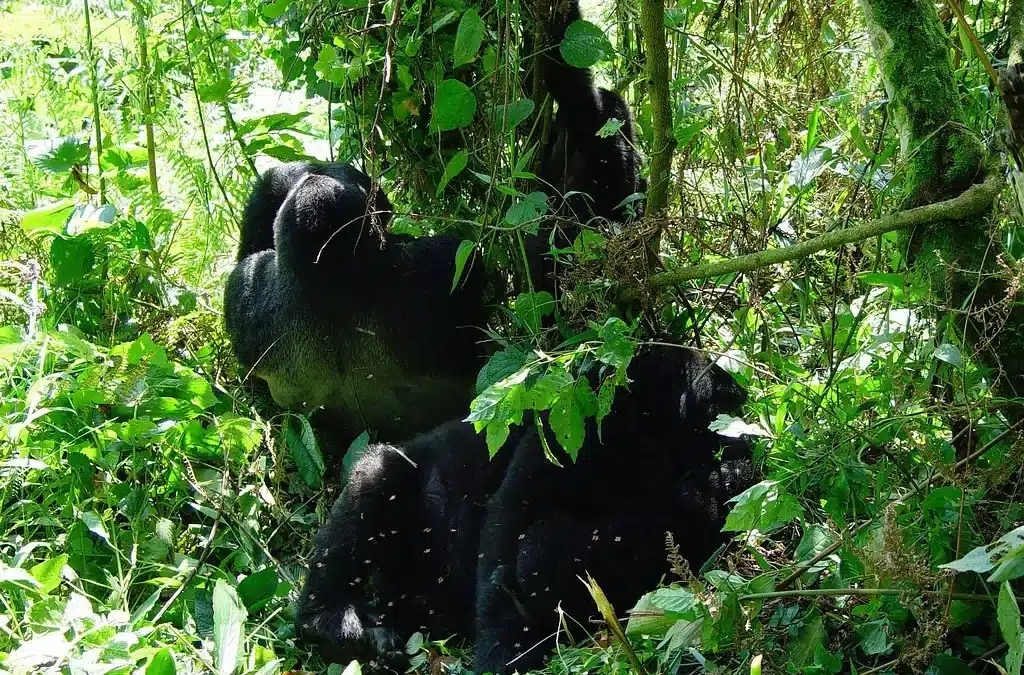
Buhoma serves as the historic gateway for travelers seeking a profound encounter with mountain gorillas in Uganda today. This northern sector of Bwindi Impenetrable Forest National Park provides a welcoming atmosphere for every adventurous international traveler. Visitors frequently choose this region because the lower altitude makes trekking much easier than the steep southern slopes. You will find that the infrastructure here is highly developed to ensure a seamless and comfortable wilderness stay. Furthermore, the lush canopy creates a stunning emerald backdrop that captures the true essence of an African jungle.
Your journey typically begins with a scenic drive from Kampala which lasts approximately 9 to 10 hours total. Alternatively, you can take a quick 1-hour flight to Kihihi Airstrip to save valuable time for your safari. The trekking day starts early at 7:00 AM with a detailed briefing at the park headquarters for safety. By 8:00 AM, you will enter the misty forest under the guidance of expert rangers and armed trackers. Although the hikes are manageable, you should prepare for thick vegetation and muddy trails under the ancient trees. Once you locate the family, you receive exactly 1 hour of quiet observation with these gentle forest giants.
The Habituated Gorilla Families in Buhoma Sector
Buhoma currently hosts several unique gorilla families that offer distinct social interactions and fascinating histories for every visitor. Each group has a different number of members which provides a variety of viewing opportunities during your trek.
- Mubare Family: As the first group habituated in 1993, they represent the long legacy of conservation in Bwindi. Led by the silverback Maraya, this compact group of 9 members often stays close to the park boundaries.
- Habinyanja Family: This large and energetic group of 18 members was first identified near a local swamp in 1997. Under the leadership of silverback Makara, they provide a lively spectacle of playing juveniles and busy nursing mothers.
- Rushegura Family: Known for their calm nature, these 19 members often wander through lodge gardens near the park headquarters. They split from the Habinyanja group in 2002 and remain the most relaxed family for photography sessions.
- Katwe Family: This group of 9 members joined the tourism program in 2018 to accommodate the rising demand. They offer a fresh experience for trekkers who want to explore less-visited ridges within the dense Buhoma forest.
- Muyambi and Binyindo Families: These recent additions since 2019 ensure that more permits are available for travelers during peak seasons. You will often see playful infants tumbling through the vines while the silverbacks keep a watchful eye.
Essential Travel Logistics and Planning for Gorilla Safari
Planning a successful safari requires careful attention to permit costs and the specific timing of your African holiday. You must secure your documentation months in advance because the demand for these encounters remains exceptionally high worldwide.
- Permit Pricing: Foreign non-residents pay $800 while foreign residents can obtain their permits for a fee of $700. This revenue directly supports the local community and the essential conservation of the endangered mountain gorilla population.
- Optimal Seasons: The best months to visit are June to September and December to February during the dry periods. During these times, the trails are less slippery and the clear skies allow for much better wildlife photography.
- Packing List: You should bring waterproof boots, long-sleeved shirts, and sturdy gardening gloves to protect against stinging forest nettles. A high-quality rain poncho is also vital because the weather in the rainforest can change very quickly.
Premier Accommodations in the Buhoma Sector
The lodging options in Buhoma range from high-end luxury retreats to community-run camps that support the local people. Staying close to the park gate ensures that you can reach the morning briefing without any stressful delays.
- Buhoma Lodge: This luxury lodge sits right at the park entrance and offers cozy fireplaces for cool jungle nights. With prices around USh 427,583 per night, it provides an intimate connection to the surrounding wilderness environment.
- Mahogany Springs Lodge: Guests consistently rate this property 4.7 out of 5 for its world-class service and panoramic views. The spacious stone cottages overlook the Munyanga River and provide a serene atmosphere for resting after your trek.
- Silverback Lodge: Located on a high ridge, this 3-star option offers a perfect balance of comfort and stunning scenery. You can enjoy a drink at the bar while watching the clouds roll over the ancient forest canopy.
- Buhoma Community Rest Camp: This property directly benefits the neighboring village schools. It offers a variety of tents and cottages that cater to budget-conscious travelers seeking an authentic experience.
Transitioning to Lake Mutanda for Relaxation
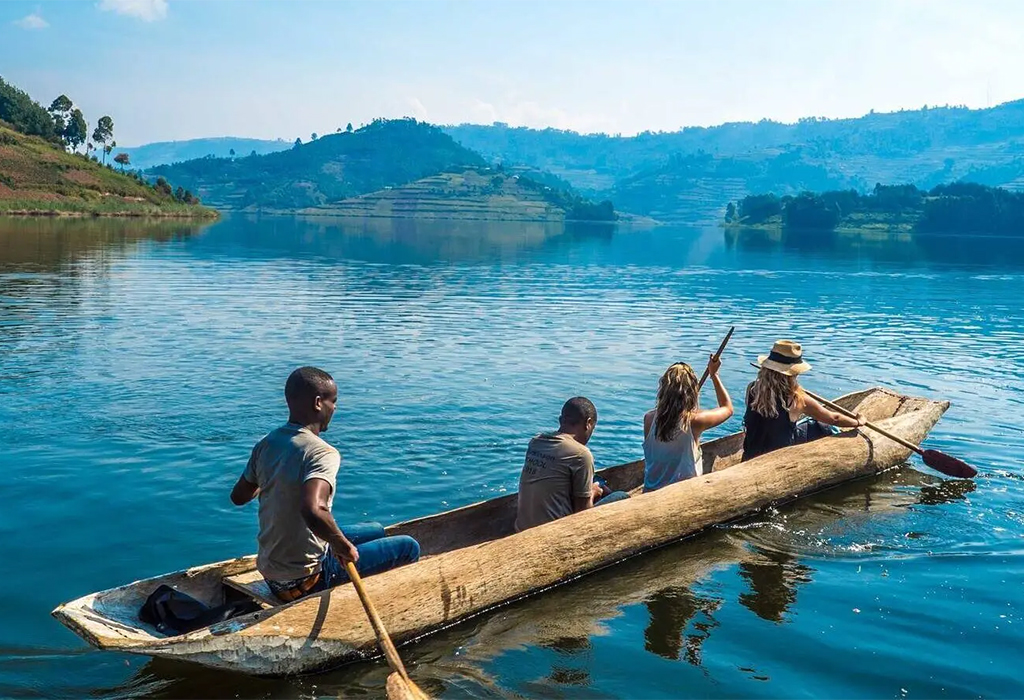 After the physical exertion of the gorilla trek, Lake Mutanda offers a peaceful sanctuary in the southern highlands. Moving from the dense forest to the open volcanic landscape provides a refreshing change for your weary body. The air feels cool and crisp as you look out over the deep blue waters toward the horizon. This lava-dammed lake is exceptionally deep and remains free from the parasites often found in other African waters. Consequently, it is safe for swimming and provides a tranquil environment for deep reflection and physical recovery. The three towering Virunga Volcanoes dominate the skyline and create a dramatic silhouette during the golden hour.
You will find that the pace of life slows down significantly once you arrive at this hidden gem. The absence of motorboats ensures that only the sounds of birds and lapping water fill the quiet air. Many travelers find that 2 or 3 days here are sufficient to recharge their energy before flying home. The reflection of the mountains on the glass-like surface creates a magical atmosphere that feels like a dream. It is truly the “soft landing” that every adventurer deserves after navigating the thickest parts of Bwindi.
Immersive Activities on the Water
While relaxation is the main goal, the lake offers several gentle activities that connect you with local culture. You can choose how much or how little you want to do during your stay at Lake Mutanda.
- Dugout Canoeing: Gliding across the still water in a hand-hewn wooden boat is the most traditional way to explore. You can watch the mist rise off the volcanoes while a local guide shares stories of the region.
- Island Hopping: Explore the 15 unique islands scattered across the lake, including the mysterious Kyangushu Island with its history. Each island has its own character and provides a different perspective of the massive volcanic peaks nearby.
- Otter Watching: The African clawless otter thrives in these clean waters and can be seen playing near the reeds. Early morning boat trips offer the best chance to spot these elusive creatures as they hunt for fish.
- Sundowner Drinks: Most lodges feature wide wooden decks that are perfectly positioned to capture the glow of the sunset. Savoring a cold beverage while the sky turns purple and orange is the ultimate way to end.
Luxury and Mid-Range Stays by the Lake
Choosing the right lodge at Lake Mutanda depends on your preference for seclusion or panoramic bird’s-eye views. Each property is designed to blend into the natural environment while providing modern comforts for every visiting guest.
- Mutanda Lake Resort: This mid-range lodge occupies a private peninsula and features a wooden pier for direct water access. It is the best choice for those who want to swim or depart easily for morning canoe trips.
- Chameleon Hill Lodge: This luxury property is famous for its vibrant colors and castle-like towers perched high on a ridge. It offers the most spectacular views of the islands and the volcanoes from every private balcony on site.
- Gahiza Island Retreat: If you want total isolation, this island-based lodge allows you to disconnect from the modern world. The silence is profound and the starry night sky is brighter than anywhere else in the southern region.
Navigating the Route from Buhoma
The journey from the northern forest to the southern lake is an adventure through the “Switzerland of Africa.” You have two distinct ways to make this transfer depending on your remaining physical energy and personal interest.
The most common method is a 4-to-5-hour drive through the stunning Kigezi Highlands and hills. You will see incredible terraced farms that cling to the steep slopes in a beautiful patchwork of green colors. For the more adventurous, the Ivy River hike allows you to walk through the forest for about 4 hours. After the hike, a driver can meet you in Nkuringo for a 45-minute descent to the lake shore. This walking route offers a final chance to see rare birds and monkeys before leaving the Bwindi wilderness. Whichever path you choose, the transition from the jungle to the volcanoes will be a highlight of your trip.