
Why Combine Akagera Game Safaris and Bird Photography
Why Combine Akagera Game Safaris and Bird Photography
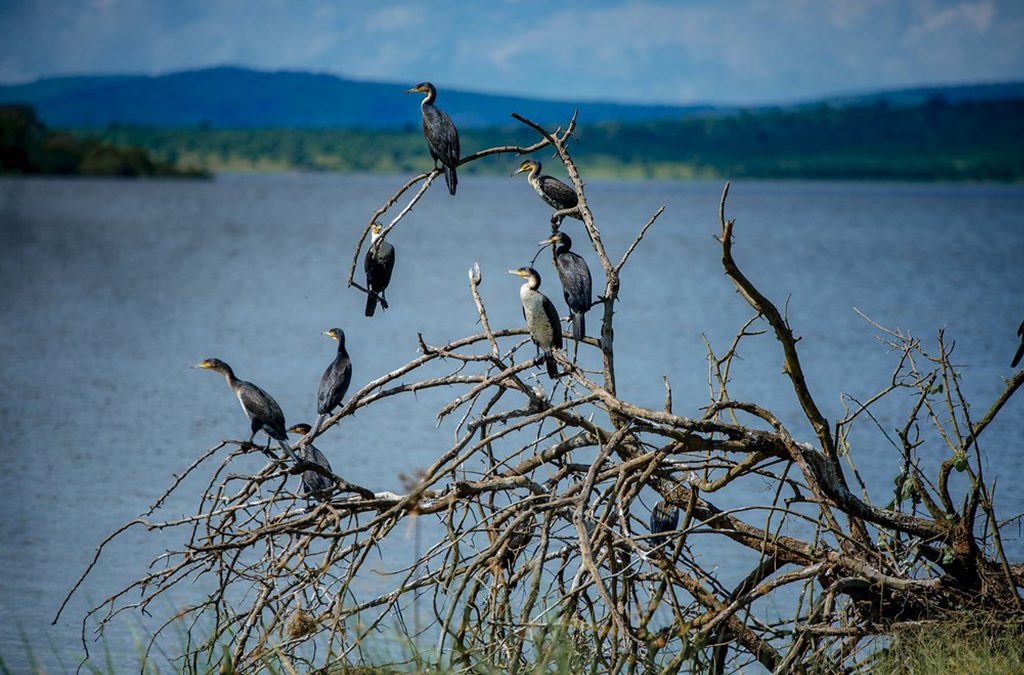
Akagera National Park blends wide savannahs, wooded hills, and peaceful wetlands, making it an ideal place to enjoy both wildlife safaris and bird photography in one journey. The park offers incredible variety in a compact area, so every moment feels full of life. Warm morning light spreads across open plains, animals move through tall grass, and birds fill the skies with constant calls. The mix of large mammals and more than 500 bird species creates endless moments for clear, beautiful photographs. You can explore by game drive, boat ride, or guided walk, each offering a different rhythm and view of the landscape. Every route reveals new colors, sounds, and movements, giving visitors a deep sense of being part of the wild, natural world.
Benefits of Combining Safaris and Bird Photography
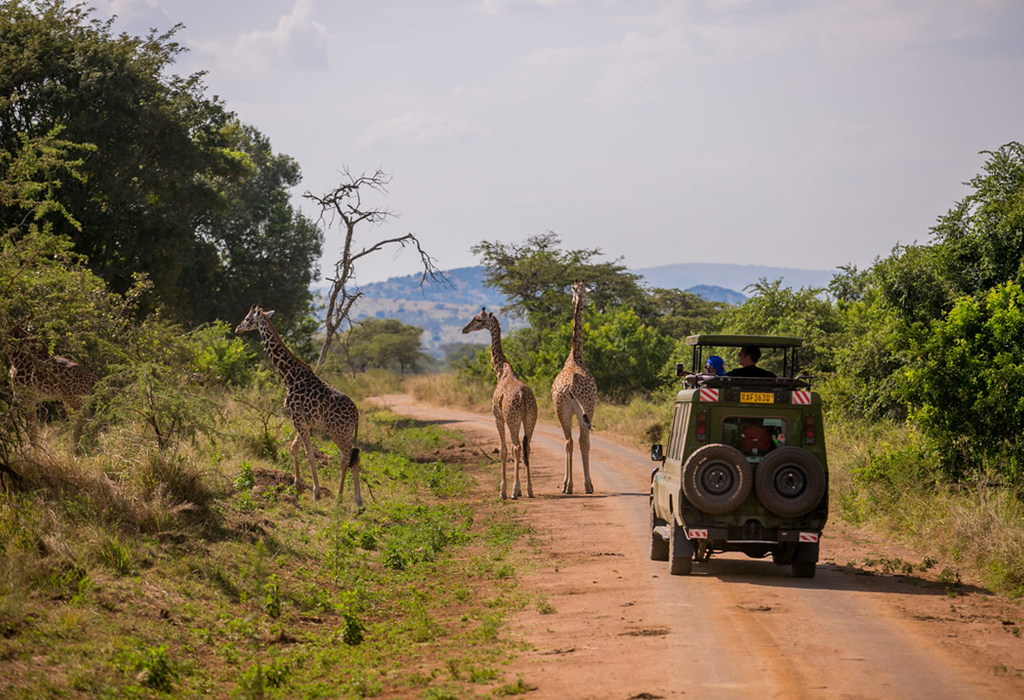 Akagera’s wildlife diversity makes every day of exploration exciting. Elephants, buffaloes, lions, rhinos, zebras, giraffes, and antelopes roam the plains, while birds like the Lilac-breasted Roller, African Fish Eagle, and Papyrus Gonolek add vibrant color to the scenery. The landscapes shift constantly as you travel. Open savannahs hold perching raptors and rollers; wetlands host pelicans, storks, and kingfishers; and woodlands shelter rare birds found only in this region.
Game drives reveal both big mammals and surprising bird sightings. Boat trips on Lake Ihema provide close views of water birds as they dive, soar, or glide silently over the water. Walking safaris bring you nearer to plants, insects, and bird species that stay hidden from vehicles. This combination of movement and perspective creates a rich experience for photographers and casual travelers alike.
Common Birds of Akagera National Park
As the sun rises, Akagera’s birdlife wakes the landscape with layered calls and quick flashes of color. More than 500 species live here, from giant herons to tiny sunbirds. Wetlands, lakes, grasslands, and woodlands give each species a place to feed, nest, and thrive.
Water Birds of Lakes and Wetlands
The African Fish Eagle dominates the lakeshores with its bold call and striking white-and-chestnut plumage. It perches high in dead trees, watching for fish. Early light often highlights its flight, making mornings the best time to watch it sweep down to the water.
Nearby, the African Darter swims with only its long neck above the surface. It dives for fish and later spreads its wings on rocks to dry in the warm sun. Pied Kingfishers hover above the water before diving straight down to catch fish, their black-and-white patterns shining clearly as they move.
Flocks of Great White Pelicans glide smoothly across Lake Ihema. Their wingspans create impressive shadows as they fly low over the water. They often work together while feeding, herding fish into shallow areas. Saddle-billed Storks stand tall in marshes, moving slowly through water as their bright red, yellow, and black bills search for prey.
Savannah and Grassland Birds
Across the open plains, the Lilac-breasted Roller stands out with bright turquoise, lilac, and blue feathers. It perches in clear view and dives quickly to catch insects. Secretary Birds walk with steady steps through tall grass, using strong legs to hunt snakes and small animals. Their height and crest feathers make them easy to spot.
Crested Francolins move in small groups along road edges and woodland borders. They call loudly at dawn and dusk, creating lively sound in quiet areas. The Grey Crowned Crane adds elegance to wetlands and plains with its golden crown, long legs, and graceful movements. Its calls and dances are highlights for many visitors.
Woodland and Forest Birds
In Akagera’s wooded sections, the Red-faced Barbet stands out as a special sighting because it lives only in a small region of East Africa. Its bright face and strong call make it easier to find during early mornings. White-headed Black Chats perch on rocks and termite mounds, often flicking their tails as they search for insects.
The Woodland Kingfisher brings flashes of blue and white into the trees, calling loudly through the day. It hunts insects rather than fish and often chooses open branches for clear views.
3-Day Sample Experience
A three-day journey blends game drives, boat rides, and time in quiet natural spaces. Day one often begins in the southern woodlands where you may meet giraffes, zebras, and early-rising birds. As the day warms, elephants and antelopes move toward open areas, and rollers shine brightly in the sun.
Day two typically includes a boat trip on Lake Ihema. Calm water reflects pelicans, darters, storks, and crocodiles resting on the banks. Afternoon drives move through savannahs where lions rest under acacia trees and cranes feed near wetlands.
Day three usually focuses on the northern plains. Wide views expose herds of animals and offer excellent chances to find Secretary Birds, chats, and other open-country species. As the trip ends, the range of colors, sounds, and wildlife remains clear in memory, shaped by Akagera’s quiet lakes, warm breezes, and endless movement in the grass.