
Why do a Safari in Uganda in July & August
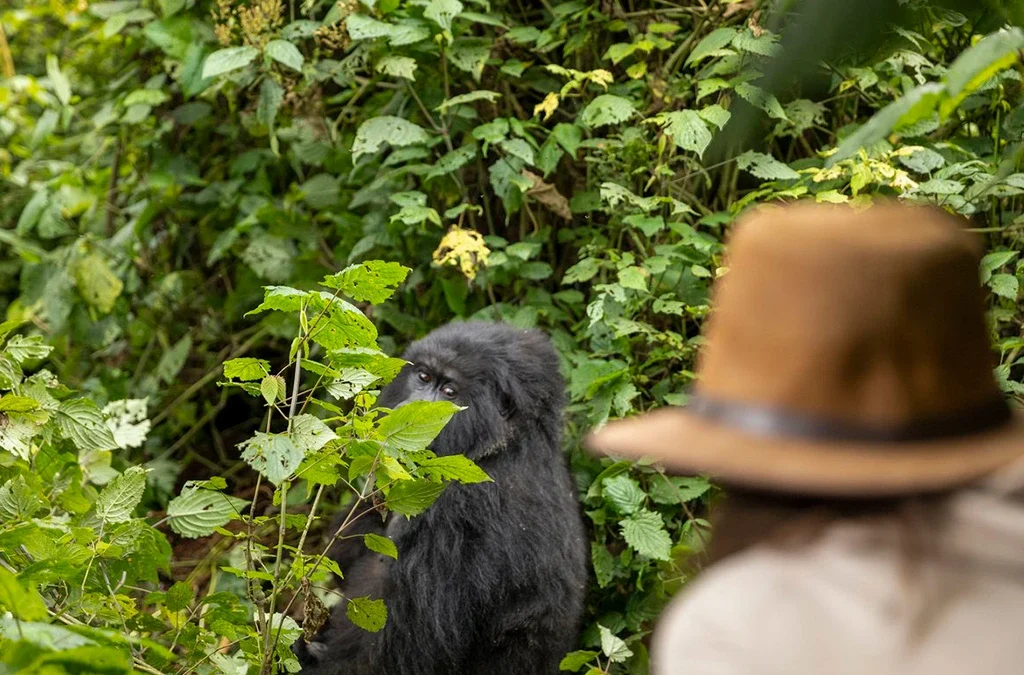
Uganda rewards travelers most generously in July and August because dry weather, easier wildlife viewing, and excellent trekking conditions combine beautifully. These months also support gorilla trekking, safari game drives, birding, and adventure activities with remarkable reliability.
Uganda’s Dry Season Makes Every Journey Smoother
Uganda enters its main dry season from June through September, and July and August sit squarely inside that favorable window. Rainfall drops across major destinations such as Bwindi, Queen Elizabeth and Murchison Falls, improving overall travel comfort. Dirt roads and forest trails become firmer, so vehicles move more easily and travelers spend less time stuck in mud.
Temperatures during these months usually stay warm during the day and pleasantly cool in the evening. That balance makes long game drives, boat trips, and forest walks far more enjoyable than during wetter months. Short showers can still occur because Uganda sits near the equator, but prolonged heavy rain is uncommon. Clear skies and better visibility also help photographers capture cleaner and more attractive wildlife images.
Gorilla Trekking Reaches Its Finest Point
Uganda protects roughly half of the world’s remaining mountain gorillas, mainly in Bwindi Impenetrable Forest and Mgahinga Gorilla National Park. July and August are among the very best months for gorilla trekking because trails are drier and forest conditions are less punishing. The undergrowth thins out slightly, which improves footing and reduces the risk of slipping on steep slopes.
Gorilla families also become somewhat easier to locate because food sources remain more concentrated during the dry season. Trekking usually begins with an early morning briefing at park headquarters, followed by a guided hike into the forest. The trek may last one hour or six hours, depending on where the gorillas rested the previous day. Once you find them, you spend one unforgettable hour watching silverbacks, mothers, and juveniles behave naturally in the forest.
That hour often feels magical because no barrier separates visitors from the animals, only careful park rules and expert guiding. The better light and thinner vegetation during July and August also improve photography significantly. Gorilla permits currently cost USD 800 for foreign non-residents, and peak-season availability disappears quickly. Travelers should book permits atleast 3-6 months ahead through the Uganda Wildlife Authority or a licensed operator such as Iconic Africa Safaris.
Savannah Parks Offer Outstanding Wildlife Viewing
Uganda’s dry season transforms its savannah parks into much stronger wildlife destinations. Queen Elizabeth National Park and Murchison Falls National Park both become especially rewarding from July through August. Grasses dry out and shrink, which makes animals easier to see from a vehicle. Elephants gather around remaining water sources, lions relax in open areas, and hippos crowd into shallower river sections.
Murchison Falls Delivers Powerful Wildlife & River Nile Drama
Murchison Falls National Park is Uganda’s largest park and one of Africa’s most dramatic wildlife landscapes. It hosts elephants, buffaloes, giraffes, kobs, impalas, topis, warthogs, waterbucks, and occasional leopards. The Nile River cuts through the park before crashing through a narrow rocky gap to form the powerful Murchison Falls. A boat safari from Paraa to the base of the falls ranks among East Africa’s most memorable experiences.
July and August make that boat trip even more impressive because lower water levels intensify the falls’ force and drama. The riverbanks also attract crocodiles, hippos, and large numbers of birds, creating constant visual action. Wildlife concentrations along the Nile improve because animals cluster around dependable water and feeding zones. That combination gives visitors a richer safari experience with less searching and more observing.
Queen Elizabeth Shows Tree-Climbing Lions and Waterlife
Queen Elizabeth National Park is famous for its tree-climbing lions, especially in the Ishasha sector. These lions often rest in fig trees, creating one of Africa’s most unusual predator sightings. Dry-season conditions help because shorter grass and open views make the trees easier to scan. Visitors gain a better chance of seeing a lion stretched along a branch above the savannah.
The park also supports elephants, buffaloes, kobs, impalas, warthogs, waterbucks, and occasional leopards. The Kazinga Channel links Lake George and Lake Edward, attracting some of Africa’s densest concentrations of hippos and buffaloes. Daily boat cruises along the channel offer close wildlife encounters and excellent birdwatching. The dry season makes these sightings more reliable because animals gather near water rather than dispersing widely.
Chimpanzee Tracking Becomes More Rewarding
Uganda offers strong chimpanzee tracking opportunities in Kibale National Park, Budongo Forest, and Kyambura Gorge. Kibale remains the most popular destination because it holds Africa’s highest chimpanzee density. July and August are excellent months because fruit trees are in season, drawing chimps into active feeding patterns. Active chimpanzees are much easier to watch because they move, vocalize, and interact constantly.
Visitors may see them cracking fruit, grooming each other, chasing through the canopy, or calling loudly across the forest. The dry trails also help guides move faster and safely through the forest. Better light during these months further improves viewing quality and photography opportunities. As a result, many travelers secure fuller and more satisfying morning tracking experiences.
Birdwatching Peaks with Concentrated Activity
Uganda supports more than 1,060 bird species, making it one of Africa’s richest birding countries. Birdwatchers travel here for species such as the Shoebill Stork, African Green Broadbill, and Shelly’s Crimsonwing. July and August work especially well for birding because dry conditions concentrate birds around remaining water sources. That concentration makes sightings easier and often more predictable for both beginners and experts.
Migratory species from Europe and Asia also begin arriving around August, adding fresh variety to the resident bird list. The Mabamba swamp near Kampala is one of the best places to see the Shoebill Stork. Dry-season boat access to the swamp is generally easier and more dependable. Murchison Falls, Queen Elizabeth, Kibale, and Bwindi also offer outstanding birding across different habitats.
The Rwenzori Mountains becomes less challenging for Hiking
The Rwenzori Mountains, often called the Mountains of the Moon, create one of Africa’s most dramatic landscapes. They sit along the border with the Democratic Republic of Congo and include Mount Stanley, which rises to 5,109 metres. Their snowy peaks and Afro-alpine vegetation produce a setting unlike any other mountain range in the region. July and August fall within the best trekking period because trails become drier and more stable.
That matters greatly because the Rwenzoris rank among Africa’s wettest mountains during rainy periods. Multi-day treks can last from five to twelve days and pass through giant heather forests, glacial lakes, and high alpine terrain. These journeys demand strong fitness, good preparation, and proper equipment. Still, the scenery feels wonderfully remote and otherworldly once the clouds lift.
Rafting the Nile Adds Pure Adventure
Jinja sits at the source of the Nile on the northern shore of Lake Victoria and serves as East Africa’s adventure capital. White-water rafting there consistently ranks among the world’s best rafting experiences. The river offers reliable Grade 4 and Grade 5 rapids throughout the year. In July and August, water levels suit rafting especially well, delivering intense and exciting runs.
Adventure travelers can also enjoy bungee jumping, kayaking, quad biking, and horseback riding along the Nile banks. That variety makes Jinja a perfect complement to wildlife-focused safari itineraries. Many visitors choose to balance gorilla trekking and game drives with high-energy water and land adventures. July and August therefore suit travelers who want both relaxation and adrenaline.
Planning Well Makes the Trip Easier
Because July and August fall within peak season, advance booking becomes essential for a smooth trip. Gorilla permits usually sell out first, so securing them months ahead is the safest strategy. Lodges near Bwindi, Murchison Falls, and Queen Elizabeth also fill quickly, especially mid-range and luxury properties. Budget rooms may remain more available, but early reservations still help avoid disappointment.
Packing also matters because Uganda’s climates vary widely between savannah, forest, and mountain environments. Light clothing works well for the warmer lowlands, but warm layers remain important for gorilla trekking and the Rwenzoris. Waterproof hiking boots are essential because forest trails can still become slippery. Sunscreen, a wide-brimmed hat, and insect protection also improve comfort on long safari days.
Health preparation should begin before departure because Uganda requires a valid yellow fever vaccination certificate for entry. Malaria prophylaxis is also recommended for most parts of the country. Travelers should carry insurance that includes medical evacuation coverage. Those precautions help keep the journey safe, comfortable, and stress-free