
Is April a Good Month for Safari in Rwanda?
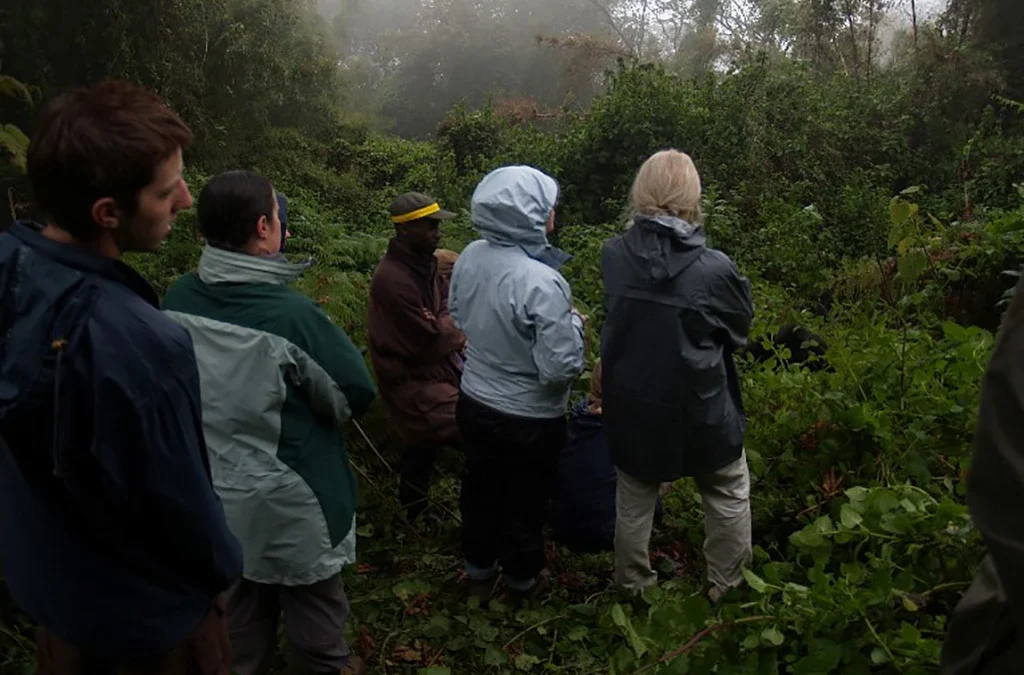
Rwanda is one of Africa’s most extraordinary safari destinations – a small, mountainous country packed with biodiversity, dramatic landscapes, and some of the continent’s most intimate wildlife encounters. From the misty slopes of the Virunga Mountains to the sweeping savannahs of Akagera National Park, Rwanda offers a safari experience that you will truly appreciate.
But when it comes to planning a safari, timing matters enormously. Many travelers wonder whether April is a good month to visit Rwanda for wildlife viewing. The short answer is: it depends on what you are looking for. April falls in the heart of Rwanda’s long rainy season, which runs from March through May. This makes it what the travel industry calls a “shoulder season” or “green season” – a time of year that comes with both challenges and surprisingly rewarding advantages.
If you are budget-conscious, flexible and drawn to the idea of experiencing Rwanda’s landscapes at their most lush and vibrant, April might actually be the perfect month for your safari. This guide breaks down everything you need to know about going on safari in Rwanda in April, from gorilla trekking conditions to wildlife viewing in Akagera, and helps you decide whether this green season adventure is right for you.
What Is the Weather Like in Rwanda in April?
To understand what April offers, you first need to understand Rwanda’s climate. Rwanda sits just south of the equator and experiences two rainy seasons and two dry seasons throughout the year. The long rainy season runs from March to May, while a shorter rainy season occurs from October to November. The dry seasons – considered the peak safari months – fall between June and September and again from December to February.
April sits squarely in the wettest part of the long rains. Rainfall is more likely, often arriving as afternoon or evening downpours rather than all-day drizzle. Morning hours are sometimes clear and fresh, which actually creates excellent conditions for early morning activities like gorilla trekking and game drives. Temperatures remain mild and comfortable throughout the month, hovering between 15°C and 27°C (59°F to 81°F) depending on the altitude. Rwanda’s highland terrain keeps things cooler than you might expect from a tropical country.
The rain transforms the landscape dramatically. Rwanda earns its nickname “The Land of a Thousand Hills” in April more than any other month, as every hillside turns a deep, vivid green. Waterfalls swell and surge, flowers bloom across the forest floors, and the air carries a clean, crisp quality that photographers love.
Gorilla Trekking in April: What to Expect
Gorilla trekking is the crown jewel of any Rwanda safari, and Volcanoes National Park in the northwest is the gateway to one of the world’s most profound wildlife encounters. Rwanda is home to roughly one-third of the world’s remaining mountain gorillas, and trekking permits grant visitors 1 precious hour in the presence of a habituated gorilla family.
In April, gorilla trekking is absolutely still possible and, for many seasoned travelers, even preferable. Here is why. The wet season keeps visitor numbers significantly lower than the peak dry season months of July, August, and September. This means gorilla trekking permits are more readily available, often with less advance booking required. You are more likely to have a quieter, more meditative experience on the trail and at the gorilla family’s location.
The trails, however, do become muddier and more slippery during April. Proper gear is essential – waterproof hiking boots with solid ankle support, gaiters, lightweight rain gear and long moisture-wicking layers. The trek itself can range from 2 to 6 hours depending on where the gorilla family has moved, and in wet conditions, the steep volcanic slopes demand physical preparation and the right footwear.
The gorillas themselves are not bothered by the rain. Mountain gorillas are extraordinarily well-adapted to their high-altitude forest environment and remain active and visible throughout the wet months. In fact, some guides report that gorillas are often more relaxed and settled during overcast, cooler days, moving less frantically and offering extended periods of calm observation.
One important consideration: Gorilla Trekking Permits in Rwanda cost $1,500 USD per person year-round and can booked from Rwanda Development Board (RDB) or Iconic Africa Safaris . The price does not drop in April, so the savings of traveling during the green season come from lower lodge rates and discounts from tour operators.
Wildlife Viewing in Akagera National Park
Akagera National Park in eastern Rwanda offers a very different safari experience from Volcanoes. This is classic savannah park – rolling grasslands, lakes dotted with hippos, and a revitalized Big Five population that includes lions, elephants, leopards, buffaloes, and rhinos. Other animals which are present in the park include zebras, giraffes, impalas, elands, kobs, waterbucks, warthogs, topis and many others. Akagera is one of Africa’s great conservation comeback stories, with its predator populations rebuilt through strategic reintroductions over the past decade.
April presents more nuanced wildlife viewing conditions in Akagera compared to the dry season. The long grasses that grow during the rainy season can make spotting smaller animals more challenging, as game tends to disperse rather than congregating around water sources as they do in the dry months. However, the birding in April is exceptional. The wet season attracts migratory bird species from the northern hemisphere, and Akagera’s already impressive list of over 500 bird species swells during this period. For birdwatchers, April in Akagera is genuinely world-class.
Larger animals like elephants, hippos, and giraffes remain highly visible throughout the year. The park’s lakes and wetlands are particularly rewarding in April, with possible boat safaris on Lake Ihema offering remarkable close-up views of hippos, crocodiles, and an extraordinary variety of waterbirds. Early morning game drives often deliver excellent sightings before the rains typically arrive in the afternoons.
Nyungwe Forest: A Hidden Gem in April
Often overshadowed by gorilla trekking and Akagera’s Big Five, Nyungwe Forest National Park in southwestern Rwanda is one of Africa’s oldest and most biodiverse rainforests. It is home to chimpanzees, colobus monkeys, and 13 primate species in total, along with hundreds of bird species including the spectacular Great Blue Turaco.
April is arguably one of the best months to visit Nyungwe for primate trekking. The forest canopy is dense and impossibly green, the trails are cool, and the chimpanzee families are active and vocal. Chimp tracking success rates remain high in April because the animals are drawn to the abundant fruit that ripens during the wet season. Unlike the dry season, when fruit can be scarce and chimps range widely in search of food, April’s fruiting trees keep groups more localized and easier to track.
Nyungwe’s famous canopy walkway – suspended 50 meters above the forest floor – is an incredible experience in any season. In April, it offers views of the forest draped in mist and renewed life, a setting that feels genuinely primordial.
Practical Travel Considerations for April
- Cost and Availability: April is one of Rwanda’s most affordable months for safari. Lodges and camps across Volcanoes, Akagera, and Nyungwe typically offer green season rates, with discounts ranging from 20% to 40% compared to peak season prices, making it possible to put together a high-quality Rwanda safari at significantly lower overall costs.
- Packing for April: Waterproof, breathable gear is non-negotiable. A quality rain jacket that packs small is your most important piece of kit. Waterproof trekking boots and gaiters will make your gorilla trek far more comfortable. Lightweight quick-dry clothing works well for savannah game drives, and insect repellent is a year-round essential in Rwanda.
- Road Conditions: Rwanda has invested heavily in its road infrastructure, and the main routes connecting Kigali to Volcanoes and Akagera are tarred and generally accessible year-round. Some secondary tracks inside parks can become difficult after heavy rain, but experienced guides and quality safari vehicles handle these conditions routinely.
- Health and Safety: Rwanda requires proof of yellow fever vaccination for entry. Malaria prophylaxis is recommended, particularly for Akagera and lower-altitude areas. Rwanda’s high altitude means malaria risk is lower in Volcanoes and Nyungwe, but caution remains advisable.
Who Should Visit Rwanda in April?
April in Rwanda is not for everyone, but it is ideal for a specific kind of traveler. If you prioritize value for money, thrive in off-peak, uncrowded environments, and are drawn to lush, dramatic landscapes, April rewards you richly. It suits wildlife photographers looking for moody, atmospheric conditions, birdwatchers chasing migratory species, and adventure travelers who do not mind a little mud on their boots.
Families with young children, travelers with limited mobility, or those who prioritize guaranteed dry, comfortable conditions may find the June-to-September dry season better suited to their needs. The peak dry season also offers more predictable game concentrations in Akagera and generally easier trekking conditions.
Final thoughts
April is a genuinely good month for safari in Rwanda – it simply requires the right mindset and preparation. The green season transforms this already spectacular country into something otherworldly, with emerald hillsides, surging waterfalls, and forests so vivid they almost seem artificial. Gorilla trekking remains fully operational and arguably more intimate with fewer crowds. Chimpanzee tracking in Nyungwe benefits from abundant fruiting trees. Akagera delivers outstanding birding and reliable sightings of elephants, hippos, and plains game.
The trade-off is occasional rain, muddier trails, and slightly reduced visibility for predator spotting in the longer savannah grass. But for travelers willing to embrace Rwanda’s green season character, April offers an extraordinary, affordable, and deeply personal safari experience.
Rwanda in April is not a compromise – it is a choice. And for the right traveler, it is an inspired one.