
What is the cost of Gorilla Trekking Safari in 2026?
The Cost of Gorilla Trekking Safari in 2026
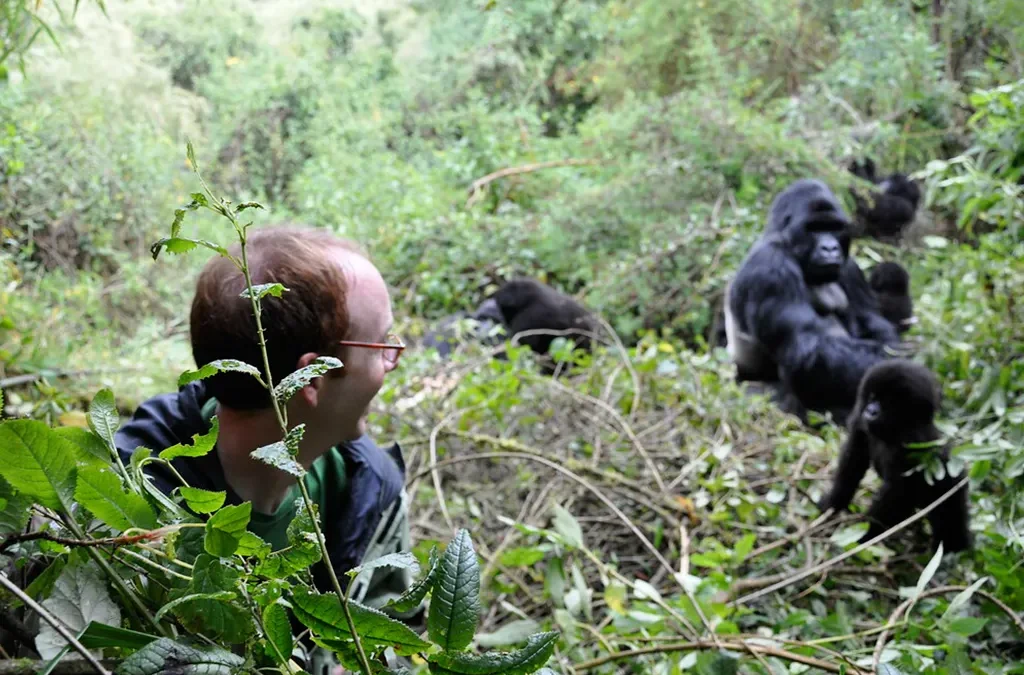
The cost of Gorilla Trekking Safari in 2026 depends on several factors, including the country you choose, your travel style, and the type of experience you want. Gorilla trekking in Uganda and Rwanda remains one of the most memorable wildlife adventures in Africa. This unique experience allows travelers to meet the endangered mountain gorillas in their natural rainforest homes. In 2026, the cost of a gorilla trekking safari starts mainly with the gorilla permit. In Uganda, the permit costs US$800 per person, while in Rwanda, it costs US$1,500. These fees support conservation and give trekkers one hour with the gorillas. A 5-day gorilla safari can range between US$2,400 and US$7,000 per person depending on where and how you travel.
Understanding Gorilla Permit Costs
A gorilla permit is your official pass to visit and observe gorillas in the wild. In Uganda, the permit for foreign non-residents costs US$800 per person, foreign residents pay US$700, African citizens pay US$500, and East African citizens pay UGX 250,000 (about US$65). In Rwanda, the permit for foreign non-residents is US$1,500, foreign residents pay US$500, and East African citizens pay US$200. The permit gives you access to a guided trek led by expert rangers. For travelers who want a deeper experience, Uganda offers a Gorilla Habituation Experience permit at US$1,500. This unique option allows visitors to spend up to four hours with a gorilla family as they become familiar with human presence.
These permits might seem expensive, but they play a vital role in protecting the gorillas and their habitat. The fees support anti-poaching patrols, community projects, research programs, and park maintenance. By paying for a permit, travelers directly contribute to conservation and local development.
You can obtain a gorilla permit through the Uganda Wildlife Authority (UWA) or the Rwanda Development Board (RDB). Most travelers prefer booking through licensed tour operators such as Iconic Africa Safaris who manage the entire process and ensure availability. Since permits are limited and sell out fast, especially between June and September, it’s wise to book several months in advance.
Total Cost of a Gorilla Safari in Uganda
Uganda offers one of the most affordable gorilla trekking experiences in Africa. A typical 5-day safari in 2026 ranges between US$2,400 and US$4,500 per person. This includes your gorilla permit, accommodation, meals, park entry, and transportation. Budget travelers can expect to spend around US$2,200, while mid-range options average US$2,400 to US$3,000. Luxury safaris with top lodges and exclusive services can go beyond US$4,500.
Accommodation prices vary by comfort level. Budget lodges start around US$100 per night, mid-range lodges range from US$150 to US$400, and luxury lodges start at US$400 and can exceed US$1,500. Uganda also offers camping sites (US$10–US$30 per night) and local homestays (US$20–US$60 per night) for travelers seeking authentic and affordable stays.
Transportation costs depend on your route. A private 4×4 safari vehicle with a driver costs around US$150–US$250 per day. If you prefer flying, domestic flights from Entebbe to Bwindi cost about US$540 round trip. Meals are generally affordable, ranging from US$10–US$40 per meal, depending on where you dine.
Total Cost of a Gorilla Safari in Rwanda
Rwanda offers a more exclusive and luxury-focused trekking experience. A 5-day safari in 2026 ranges from US$3,500 to US$7,000 or more per person. The higher cost comes mainly from the US$1,500 permit fee and the country’s upscale lodge options. Mid-range lodges in Volcanoes National Park cost between US$300 and US$600 per night, while luxury lodges start around US$800 and can go beyond US$3,000.
Rwanda’s accommodation options are designed for travelers seeking comfort and stunning views of the volcanic landscape. Some recommended lodges include Sabyinyo Silverback Lodge, Bisate Lodge, Virunga Lodge, and Le Bambou Gorilla Lodge. Transportation is easy and efficient; most safaris use private 4×4 vehicles costing about US$200 per day. Since Volcanoes National Park is just a 2.5-hour drive from Kigali, travelers save time on transfers.
What Makes Gorilla Trekking Expensive
Several factors influence the total cost of gorilla trekking safari. The most important is the gorilla permit, which is limited and in high demand. Accommodation choice is the second major cost, as rates rise with comfort, location, and season. Lodges closer to the trek starting points in Bwindi or Volcanoes National Park usually charge more.
Transportation also plays a role. Travelers who choose private safari vehicles or internal flights spend more than those who share transport. Seasonality affects costs as well; prices peak from June to September and December to February due to good weather and high demand.
Tour operators can also influence your expenses. Booking through a reliable operator offers convenience and expertise, while a self-guided (DIY) trip might save money but requires careful planning and local knowledge.
Additional Travel Expenses
Beyond the permit, accommodation, and transportation, several smaller costs add up during your safari. Travelers need entry visas for Uganda or Rwanda. A single-entry visa for either country costs US$50 and is valid for 60 days. If you plan to visit both countries, the East Africa Tourist Visa is a better option at US$100, allowing multiple entries across Uganda, Rwanda, and Kenya.
Porter fees are another consideration. Porters help carry your bags and support you during the trek for about US$20 per trek. Hiring a porter not only makes your trek easier but also supports local communities. Meals outside your lodge cost US$10–US$40 per meal, depending on the restaurant.
Other optional expenses include tipping guides (US$10–US$20 per person per day), cultural tours (US$30–US$50), and souvenirs. Many travelers also add activities like bird watching, nature walks, or community visits to their itinerary.
Why Gorilla Trekking Is Worth the Cost
While gorilla trekking safaris are costly, the experience is truly priceless. Meeting the mountain gorillas in their forest home is an emotional and once-in-a-lifetime encounter. Every moment spent observing them—watching a silverback lead his family or seeing a baby play—is unforgettable.
Moreover, your visit directly supports conservation and community development. A portion of every permit goes toward protecting gorillas from poaching, funding local schools, and creating jobs for communities around the parks. This eco-tourism model ensures that gorillas and people coexist sustainably.
By choosing responsible tour operators and lodges, you help preserve this endangered species while enjoying an adventure unlike any other. The experience combines nature, culture, and conservation, making it one of Africa’s most meaningful travel experiences.
Budgeting Tips for an Affordable Safari
Planning early is the best way to save money on a gorilla trekking safari. Book your permit and lodge several months in advance to secure lower rates and availability. Traveling during the low season (March–May and October–November) can also reduce costs, as lodges often offer discounts.
Choosing Uganda over Rwanda is another way to cut expenses since Uganda offers lower permit fees and a wide range of budget-friendly lodges. Joining a group tour can further reduce transportation costs, as you share the safari vehicle and guide expenses.
Pack wisely to avoid renting equipment. Bring waterproof boots, gloves, and rain gear since the rainforest is often wet and muddy. Lastly, use local operators who understand the region and can arrange reliable services at fair prices.
Planning Your 2026 Gorilla Trekking Safari
A well-planned gorilla safari ensures a smooth and memorable adventure. Start by selecting your destination—Uganda for affordability and variety, or Rwanda for luxury and easy access. Book your permit early, choose your lodge based on comfort and proximity, and confirm transport arrangements.
Expect long hikes through dense forests and steep terrain, so prepare physically before your trip. Always follow ranger instructions during the trek to ensure both your safety and the gorillas’ well-being. Bring essentials like sturdy hiking boots, insect repellent, a reusable water bottle, and energy snacks.
When your long-awaited moment arrives and you finally see a gorilla family, the experience will exceed every expectation. The gentle eyes of these magnificent creatures and the lush beauty of their mountain home make every dollar spent worthwhile.