
Top Reasons Lake Kivu Completes Any Rwanda Safari
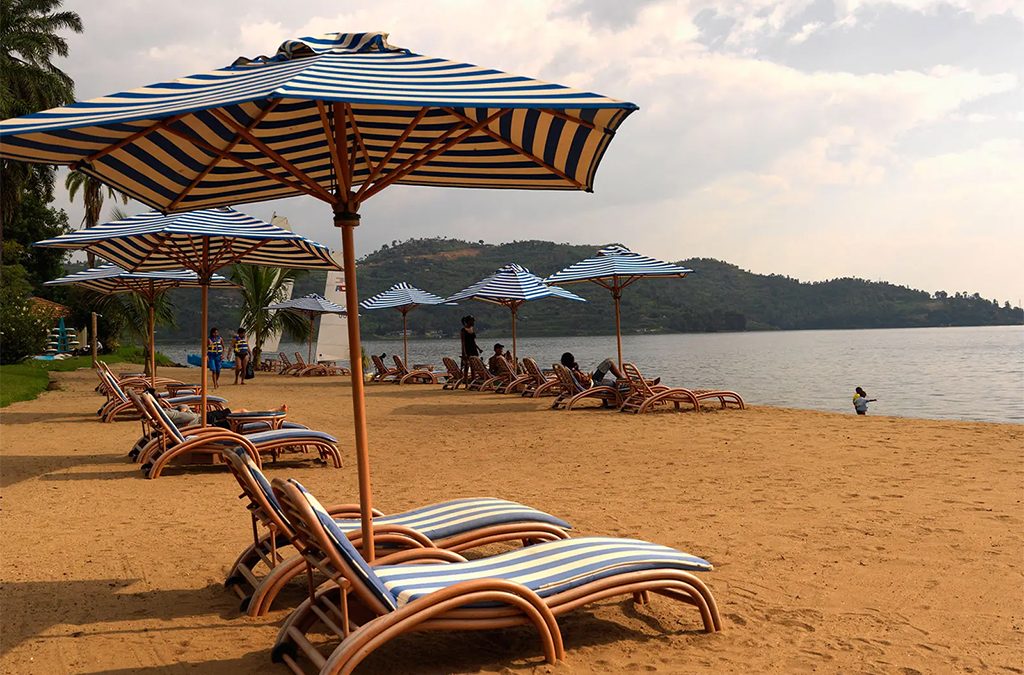
Are you planning a Rwanda safari and wondering what to add after the big-ticket parks and treks? Are you dreaming of a quiet place to rest your legs, slow your pace, and watch life unfold on the water? Are you picturing a calm lake framed by green hills, soft light, and fishing boats gliding home at dusk? Are you ready for warm evenings, gentle waves, and the smell of grilled fish drifting across the shore? Are you curious about villages, coffee farms, and friendly lakeside towns where life still feels unhurried? Are you looking for a peaceful break after gorilla trekking, game drives, or canopy walks? Are you imagining yourself waking up to birdsong, volcano views, and mist lifting off the water? Are you planning the kind of trip where the quiet moments become your favourite memories?
Lake Kivu: The Perfect Safari Ending
Lake Kivu completes Primates & Game Safari in Rwanda because it offers deep rest after high-energy adventures in the Rwanda’s national parks. The lake sits between Rwanda and the Democratic Republic of Congo, so it feels both wild and sheltered at the same time. Gentle waves, soft light, and open horizons let your mind and body slow down after long days on safari. You can come here after gorilla trekking in Volcanoes, game drives in Akagera, or chimp tracking in Nyungwe and feel the pace drop immediately. The air feels warmer than in the highlands, the water looks like glass in the mornings, and each sunset stretches slowly across the hills. Instead of rushing to the next activity, you finally have time to sit, breathe, and really absorb everything you have seen.
Are You Curious Where Lake Kivu Is?
Lake Kivu curves like a comma along Rwanda’s western border, hugging the country in a long, lazy sweep. Forested hills rise from the shore, and on clear days you see distant volcanoes watching over the water. The lake stretches for many kilometres, so every part feels slightly different yet still connected by the same calm mood. Gisenyi in the north, Karongi in the centre, and Rusizi in the south wrap around the lakeshore like three distinct, welcoming faces. Each town gives you another angle on the same wide water and layered hills beyond. Driving between them, the road dips and climbs past banana fields, villages, and lookout points that make you want to stop and stare. The journey itself starts feeling like part of the holiday, not just a transfer.
Are You Looking for the Right Town Base?
Gisenyi (Rubavu) is the lively choice, with long sandy beaches, volleyball games, and people strolling at sunset. You feel a soft buzz here, with beach bars, music drifting across the water, and neighbours meeting along the promenade. It stays relaxed, but there is always something to watch, from children splashing to boats drifting into the bay. Karongi (Kibuye) feels gentler and more poetic, with islands scattered across the water and hills that fold into the distance. Evenings here are quiet and golden, especially when fishermen light small lanterns on their boats and cross the lake like a moving constellation. Rusizi (Cyangugu) in the south is the most low-key and wild, close to Nyungwe Forest and tucked against steep, green slopes. Here you feel far from the world, listening to birds and waves rather than traffic or crowds.
Relax in Calm, Safe, Swimmable Water
Lake Kivu is one of the few African lakes where you can swim without worrying about hippos or crocodiles. The water stays pleasantly warm, often around twenty-four degrees, so every dip feels like sliding into a natural bath. Shallow sections near the main towns have gentle entry points, sandy stretches, and quiet corners for floating in peace. On a still morning, you can swim while mist still clings to the hills and the surface looks like polished stone. Later in the day, local children laugh and splash along the shore while adults chat or mend nets nearby. Because the lake is so calm, even nervous swimmers often feel comfortable stepping slowly into the water. For many visitors, that first swim becomes their lasting memory of ease and freedom.
Enjoy Easy Water Activities Without Stress
Lake Kivu is perfect if you love being on the water but do not want intense, technical adventures. Kayaking lets you glide past terraced farms, small islands, and quiet coves where birds rest on overhanging branches. Paddleboarding near Rubavu feels steady and peaceful, with soft ripples under your board and hills surrounding you like an amphitheatre. Short boat trips take you to islands such as Napoleon Island, where you might hike gently and see fruit bats resting in trees. Peace Island near Karongi lives up to its name, offering shady spots, soft grass, and clear water for relaxed swimming. Fishing trips target sambaza, the local sardine-like fish, and nothing beats tasting them grilled fresh after sunset. Most lodges help arrange boats, guides, and gear, so you simply step out, sign up, and go.
Feel the Quiet Wildlife and Birdlife
Lake Kivu does not have lions or elephants, but it rewards anyone who moves slowly and watches closely. African fish eagles often circle high above, then dive suddenly with a splash that echoes across the bay. Pied kingfishers hover like tiny helicopters before plunging straight down for a fish, then zip back to their perch. Malachite sunbirds flash green and gold in lakeside gardens, catching the light as they move quickly between flowers. Cormorants spread their wings to dry on rocks, while pelicans cruise the quieter inlets in small, steady groups. Sometimes otters appear near the shore, darting through the shallows and vanishing again before you can call out. The more time you spend sitting still by the water, the more this gentle wildlife world reveals itself.
Connect with Local Life and Culture
Along Lake Kivu, daily life unfolds at a soft, steady rhythm that visitors are gently invited to join. In the mornings, children kick footballs along dusty paths while adults carry produce or balance baskets on bicycles. Markets near the lake hum with conversation, bright fabrics, and the smoky scent of grilled fish and maize. Fishermen push their wooden boats out in the late afternoon, singing in unison as they work together. After dark, their lanterns dot the water like stars, and their voices drift faintly back to shore. Many experiences around the lake are led by local cooperatives, from canoe rides to village walks and coffee tastings. Sharing a meal, a story, or a short hike with these hosts feels like stepping into everyday Rwandan life.
Are You Ready for Coffee, Views and Quiet Moments?
Coffee farms near the lake show you the full journey from red cherry to steaming cup in your hands. Walking through the rows, you smell earth, leaves, and sweet fruit before watching beans being washed and dried. Later, you sit with a mug of freshly brewed Rwandan coffee and watch the light move across the water. In places like Karongi, the combination of strong coffee, soft air, and stillness makes time feel slower. Some lodges offer yoga sessions, simple massages, or quiet decks where you can read, write, or just listen. Even doing nothing becomes its own activity here, as waves lap gently and distant voices rise and fall nearby. This is where a busy safari finally settles into long, reflective pauses you will remember for years.
Choose Stays That Match Your Travel Style
Lake Kivu offers stays for every type of traveller, from polished lakeside resorts to eco-lodges and local guesthouses. In Gisenyi, Lake Kivu Serena Hotel mixes comfort with a private beach, sun loungers, and views straight across the bay. Inzu Lodge nearby adds an eco-friendly feel, with tented rooms, community projects, and simple spaces for yoga and workshops. In Karongi, Cormoran Lodge clings to the hillside, with wooden chalets and balconies that float above the water. Moriah Hill Resort offers clean, modern rooms that open onto wide lake views perfect for sunrise coffee. In Rusizi, Kivu Peace View Hotel lives up to its name, giving you misty mornings and clear vistas toward Nyungwe. If time allows, staying in more than one town lets you experience the full character of the lake.
Are You Wondering About When to Go and Safety?
Lake Kivu welcomes visitors all year, but dry seasons bring clearer skies and easier days on the water. From June to mid-September and mid-December to February, you usually enjoy more sun and less rainfall. Even in light rains, the lake region often feels warmer and brighter than Rwanda’s higher, cooler interior. Health-wise, you may want to ask your doctor about malaria tablets, depending on timing and your personal needs. The lake itself is free from crocodiles and hippos, which is rare and reassuring by African lake standards. Lakeside towns like Gisenyi and Karongi generally feel safe, with friendly locals and a relaxed atmosphere. Usual travel sense still applies, so keep valuables discreet and use safes when available at your lodge. With thoughtful planning, Lake Kivu becomes the calm, soulful chapter that completes your Rwanda safari story.