
The Role of Porters during Gorilla Trekking
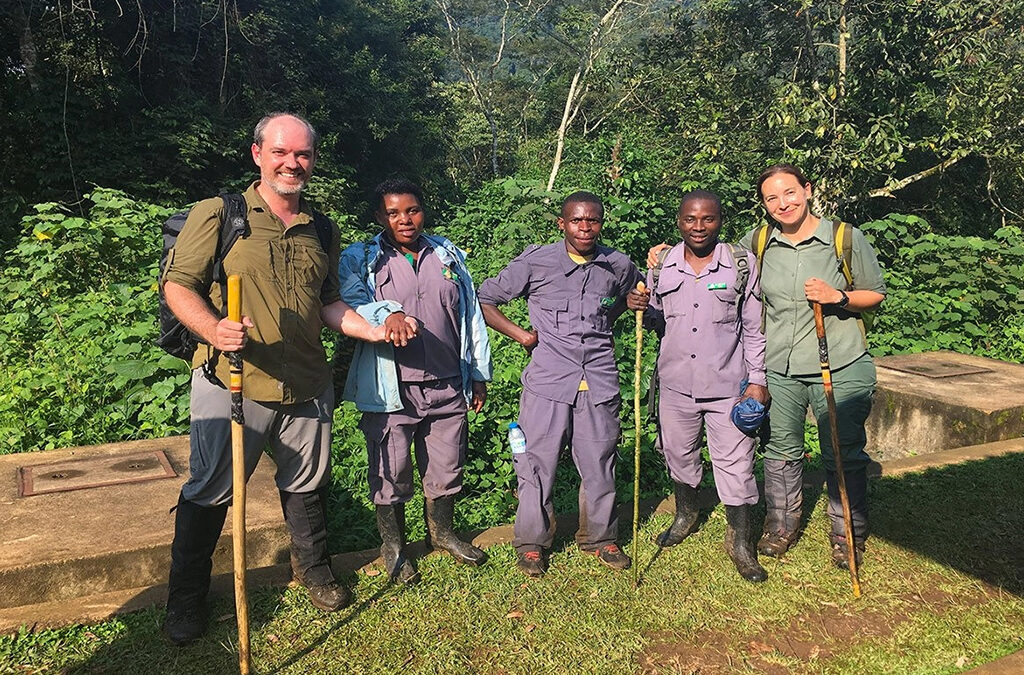
Porters during gorilla trekking play an essential role in ensuring trekkers have a smooth and enjoyable experience. They assist with carrying personal items and navigating the challenging terrain of the forest. Local to the area, they bring valuable knowledge of the land, wildlife, and the surrounding culture. Porters also help improve conservation efforts and support local communities. Their presence enriches the trek, allowing trekkers to focus on the incredible experience of seeing gorillas in their natural habitat. The following sections explore how porters assist and benefit trekkers during their journey.
Assisting with Gear
One of the primary roles of porters is helping carry gear. Trekking in the dense forests of Africa requires carrying several items, including backpacks, water, snacks, and cameras. These items can be heavy and cumbersome, especially over long distances or steep inclines. Porters take on the weight, freeing trekkers to focus on the hike and the wildlife around them.
By helping with gear, porters also ensure that trekkers are well-prepared for any challenges that may arise. Instead of worrying about personal belongings, trekkers can conserve energy for the more demanding aspects of the trek, such as steep climbs or slippery paths.
Guiding and Navigation
Porters are experienced in navigating the forest trails, which are often narrow and difficult to follow. Their knowledge of the terrain helps trekkers stay on track, particularly in areas where the path is unclear or overgrown.
The dense jungles and shifting weather conditions can make trekking tricky, but porters know how to deal with these challenges. They guide trekkers safely, ensuring they avoid hazards such as fallen trees or steep drops. With their expertise, trekkers can rely on porters to help them stay oriented and move through the forest with ease.
Physical Support
The terrain during gorilla trekking can be tough, and it is common for trekkers to feel exhausted. Steep slopes, muddy paths, and slippery rocks make the journey physically demanding. Porters offer valuable physical support during these moments.
If a trekker becomes too tired to continue, porters are ready to assist. They help on difficult sections by offering steadying hands or even supporting trekkers who need extra help. Their assistance ensures that trekkers can keep moving forward, even when the trek becomes overwhelming. This support helps maintain the safety and comfort of those in the group, keeping the experience enjoyable despite physical challenges.
Cultural Exchange
Another key role of porters is facilitating cultural exchange between trekkers and local communities. As local residents, they offer insights into the traditions, customs, and practices of the people who live in the area. Their knowledge enhances the trekking experience, making it more than just an adventure into the forest.
Porters often share stories about their heritage, traditions, and how they’ve adapted to life in the jungle. This can include information about local wildlife, forest preservation, and the ways in which the community works to protect their environment. Learning from porters adds a deeper connection to the land and the people who call it home.
Economic Benefit
Hiring porters has a significant positive impact on the local economy. Many of the people working as porters come from nearby communities where opportunities for employment may be limited. By hiring porters, trekkers provide a steady source of income for local families.
Porters often come from areas where they may have once been involved in activities like poaching or illegal logging. Working as a porter offers a legal and ethical alternative, allowing individuals to support their families while contributing to conservation efforts. This shift toward sustainable work benefits both the community and the environment.
Supporting Conservation
Porters help directly support conservation efforts by encouraging eco-friendly practices and promoting wildlife protection. Many porters are passionate about preserving the forests and the gorillas that live within them. They take pride in their work as it helps to protect the gorillas and their habitat.
When trekkers hire porters, they are contributing to a system that supports both local livelihoods and wildlife conservation. Porters are part of the larger conservation ecosystem, ensuring that the trekking experience remains sustainable and that the forest remains a safe place for gorillas to thrive.
Enhancing the Trekking Experience
The presence of porters enhances the overall trekking experience. They help manage the physical demands of the trek, guide trekkers through the forest, and share their knowledge of the area. These contributions ensure that trekkers can enjoy the unique experience of observing gorillas in the wild without being burdened by the stress of the journey.
Porters also play a key role in creating a sense of connection between trekkers and the local community. Through their guidance and insights, they foster understanding and appreciation for the region’s culture, traditions, and conservation efforts.
A Sustainable Alternative
Many porters come from communities that rely on tourism for their livelihood. The role of porters provides an opportunity to engage in a sustainable and ethical industry. By supporting eco-tourism, trekkers help preserve local cultures and habitats while offering a much-needed source of income for the community.
This type of sustainable work encourages the local population to become actively involved in conservation efforts. The more people work as porters and in other tourism-related roles, the more incentive there is for protecting the forests and the animals within them.
Mountain Gorilla Trekking Destinations in Africa
Several countries in Africa offer chances to see mountain gorillas up close. Each destination has its own charm, but all rely on local support teams like porters.
Uganda
Uganda offers two famous parks for gorilla trekking: Bwindi Impenetrable Forest National Park and Mgahinga Gorilla National Park. Both parks found in south western Uganda, have thick forests, steep trails and rich wildlife. Bwindi is home to more than half the world’s mountain gorillas. Mgahinga is smaller but shares the same ecosystem with nearby parks. In both places, porters play a major role in helping visitors enjoy the trek.
Rwanda
Rwanda’s Volcanoes National Park is a top spot for seeing mountain gorillas. The park lies among five stunning volcanoes, making treks both scenic and tough. Trails in Volcanoes National Park rise steeply and require strong legs and a good guide. Porters here are known for their friendly service and strong forest skills. Many porters in Rwanda also teach visitors about the efforts to protect gorillas. Their stories inspire visitors to support conservation long after they leave.
Democratic Republic of Congo
The Democratic Republic of Congo offers gorilla trekking in Virunga National Park. This park is less crowded and wilder than others, attracting true adventure lovers. The trails here are even rougher, so hiring a porter is highly advised. Porters in Virunga often risk much to keep tourism alive. Their work brings hope to local families after years of hardship. Visitors to Congo say the bond with their porters became a highlight of their trip.