
The Cost of Porters for Gorilla Safaris
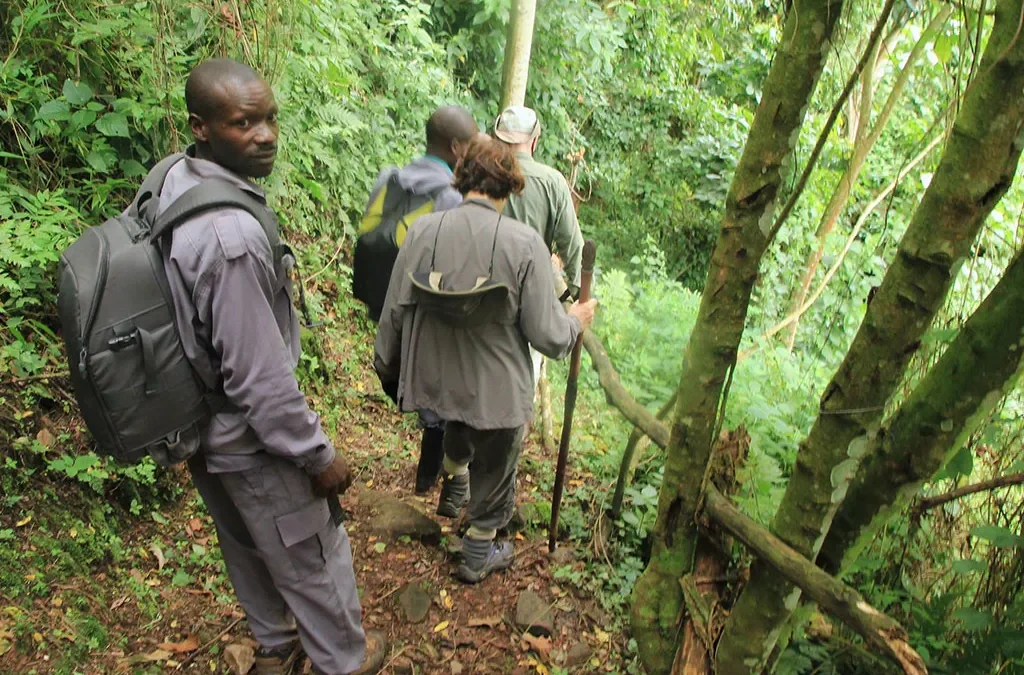
The cost of Porters for Gorilla Safaris in Uganda & Rwanda ranges between $15 and $20 USD per day. These helpful locals carry your gear through challenging mountain terrain, making your trek significantly easier and more enjoyable. Additionally, you’ll tip your official park guides and trackers approximately $10 to $20 USD per day for their expertise. Your permit includes these trained professionals, but optional tipping remains essential for supporting local communities and conservation efforts. Understanding these costs helps you budget properly and ensures you contribute meaningfully to the people protecting these magnificent creatures.
Understanding Porter Costs and Services
What You Pay for Porter Services
Porters charge a daily fee of approximately $15 to $20 USD for their invaluable assistance during your gorilla trek. You hire these experienced locals at the park briefing point before your adventure begins each morning. They wear official uniforms and wait eagerly to help international visitors navigate the challenging forest terrain ahead. Your tour operator or park guide can help you select a reliable porter from the available team. Payment happens directly at the end of your trekking day, usually in cash using US dollars.
How Porters Make Your Trek Easier
Porters transform your gorilla trekking experience by carrying heavy backpacks, camera equipment, and personal belongings throughout the journey. They navigate steep muddy slopes with remarkable skill, often extending a helpful hand when you need extra support. These local experts know the forest paths intimately and can assist you over fallen logs and slippery rocks. Your porter stays close throughout the entire trek, adjusting their pace to match your comfort level perfectly. This support allows you to focus completely on the incredible wildlife and stunning scenery surrounding you.
Guide and Tracker Fees Explained
What Your Permit Includes
Your gorilla trekking permit automatically includes the services of trained park rangers and experienced gorilla trackers. These professionals lead your group safely through the forest while sharing fascinating information about the mountain gorillas. Rwanda charges $1,500 USD per permit, while Uganda’s permits cost a more affordable $800 USD for visitors. The permit grants you one precious hour with a habituated gorilla family once the trackers locate them. No additional fees apply for guide services, but optional customary tipping remains an important part of the experience.
Why Tipping Guides Matters
Tipping your guides and trackers provides crucial supplementary income that supports their families and local conservation initiatives. Most visitors tip between $10 and $20 USD per day, depending on the quality of service received. These dedicated professionals wake before dawn to track gorilla families through dense forest in all weather conditions. Your tips directly reward their expertise, patience and commitment to protecting these endangered primates in the wild. This money stays within local communities, creating sustainable livelihoods connected to wildlife conservation rather than poaching.
The Complete Gorilla Trekking Experience
Trekking in Rwanda’s Volcanoes National Park
Rwanda’s Volcanoes National Park offers a premium gorilla trekking experience with shorter, easier hikes through relatively open volcanic mountain terrain. The park sits just 2.5 hours from Kigali, making it highly accessible for international visitors with limited time. Treks here typically last between 1 and 4 hours, depending on where gorilla families wandered overnight. The terrain features less dense vegetation, allowing for somewhat easier hiking compared to Uganda’s jungle environment. Luxury lodges surround the park, providing world-class amenities and stunning views of the volcanic Virunga Mountains.
Exploring Uganda’s Bwindi Impenetrable Forest
Uganda’s Bwindi Impenetrable Forest National Park delivers a wilder, more adventurous gorilla encounter through incredibly dense jungle vegetation. The park requires a longer journey of seven to nine hours from Entebbe or Kampala airports. Treks wind through thick forest undergrowth, often lasting three to six hours before reaching your designated family. The challenging terrain includes steep muddy slopes, tangled vines, and narrow paths cutting through the impenetrable vegetation. This raw wilderness experience costs significantly less than Rwanda while offering equally magnificent gorilla encounters and sightings.
What Happens During Your Trek
Your adventure begins early morning at around 7:00am with a briefing from park rangers explaining safety rules and trekking expectations. Guides then lead small groups of 8 visitors maximum into the misty forest to find your assigned family. You hike through challenging terrain that can be steep, muddy, and physically demanding in unpredictable ways. Trackers communicate by radio about gorilla locations, adjusting your route throughout the morning as needed continuously. Once you locate the family, pure magic unfolds as you spend one unforgettable hour observing these gentle giants.
Your Hour With the Gorillas
Standing just meters from mountain gorillas creates an overwhelming emotional experience you’ll treasure forever in your memories. You watch mothers tenderly caring for playful infants while massive silverbacks rest peacefully nearby under the canopy. Juveniles swing through branches and wrestle playfully, completely unbothered by your respectful presence among their family. These endangered primates go about their daily routines—feeding, grooming, napping—while you photograph and observe in reverent silence. The hour passes incredibly quickly, leaving you moved by the profound connection between humans and gorillas.
Preparing for Your Gorilla Safari
-
Fitness Requirements and Expectations
Gorilla trekking requires moderate physical fitness since you’ll hike through steep, uneven terrain at high altitude. Most reasonably healthy people with an adventurous spirit successfully complete treks despite the physical challenges involved throughout. Prepare by walking regularly in the months before your trip to build stamina and leg strength. The altitude ranges between 2,400 and 4,000 meters, which can affect breathing for some unaccustomed visitors. However, guides adjust the pace to accommodate all fitness levels, ensuring everyone reaches the gorillas successfully.
-
Booking Your Permits in Advance
Gorilla permits sell out months ahead, especially during peak seasons from June through September and December. Book through reputable tour operators like Iconic Africa Safaris or directly through official park authorities online. Uganda Wildlife Authority handles Uganda’s permits, while Rwanda Development Board manages Rwanda’s permit sales and reservations. Secure your permits at least 4-6 months before your intended travel dates to guarantee availability. Tour operators arrange permits alongside accommodation, transportation, and other safari activities for seamless travel planning.
-
Accommodation Options Near the Parks
Both countries offer diverse accommodation ranging from budget guesthouses to ultra-luxury safari lodges near trekking starting points. Rwanda’s lodges tend toward higher-end properties with premium pricing reflecting the country’s luxury safari positioning. Uganda provides more budget-friendly options while still offering excellent mid-range and luxury choices for discerning travelers. Staying close to the park minimizes early morning travel time before your trek begins at dawn. Book accommodations simultaneously with permits since availability becomes limited during high-demand periods throughout the year.
Making the Most of Your Investment
-
Choosing Between Uganda and Rwanda
Your choice depends on budget, time available, physical fitness level, and desired overall safari experience beyond gorillas. Rwanda suits travelers seeking luxury, convenience, and easier treks within a compact, well-organized tourism infrastructure. Uganda appeals to adventure seekers wanting authentic wilderness, lower costs, and opportunities for additional wildlife safaris. Both countries deliver equally spectacular gorilla encounters that justify the investment regardless of price differences. Consider combining both destinations if time permits to experience the unique character each country offers visitors.
-
Supporting Local Communities Through Tourism
Your spending on porters, tips, and permits directly supports communities living adjacent to critical gorilla habitat areas. This economic benefit gives locals powerful incentives to protect gorillas rather than viewing them as threats. Conservation succeeds when people benefit financially from living peacefully alongside endangered wildlife in protected forest zones. Generous tipping and hiring porters puts money immediately into the hands of hardworking families throughout the region. Your visit becomes part of a sustainable model that preserves mountain gorillas for future generations worldwide.
-
Safety and Travel Considerations
Both Uganda and Rwanda maintain excellent safety records for international tourists visiting their gorilla trekking destinations reliably. Rwanda often receives praise for its well-developed infrastructure, cleanliness, and efficient government services throughout the country. Uganda offers equally safe experiences with friendly locals, though infrastructure may feel slightly less developed in places. Follow standard travel precautions, listen to your guides, and respect all park rules for a safe experience. Thousands of visitors trek successfully each year without incident, enjoying life-changing encounters with these remarkable endangered primates.