
Major 4 Activities to do in Bwindi Impenetrable Forest National Park
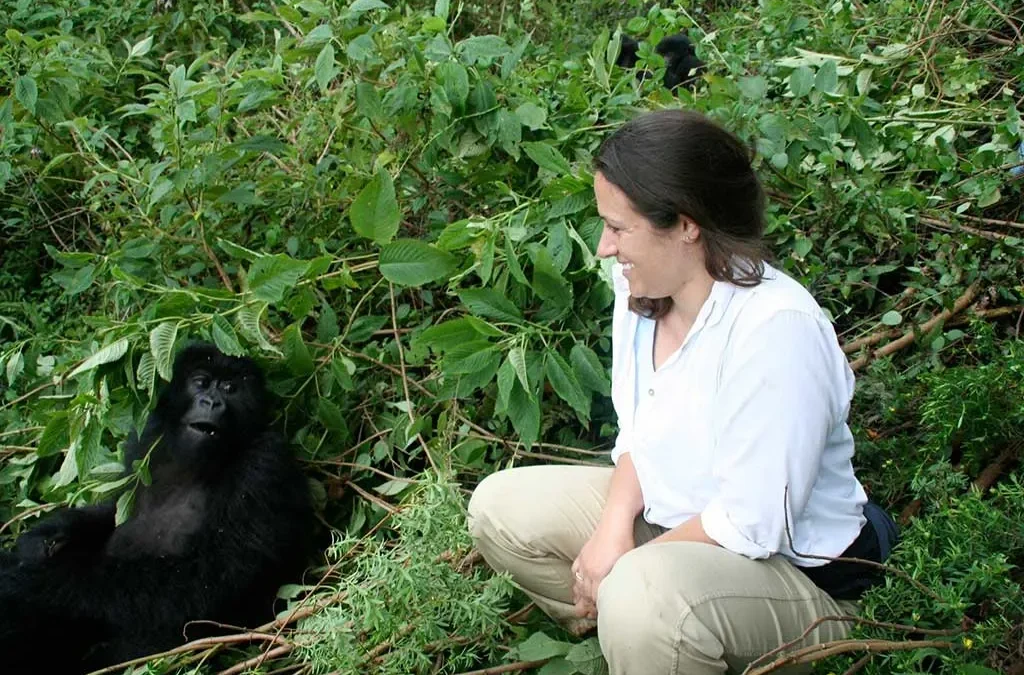
Bwindi Impenetrable Forest National Park is in southwestern Uganda, near the border with Rwanda and the DRC. It covers about 331 square kilometers, making it one of Uganda’s smallest but most biodiverse parks. The park’s rugged terrain includes steep hills, valleys, and rivers.
The vegetation in Bwindi is lush and dense, featuring ancient tropical forests that date back over 25,000 years. Towering trees, shrubs, and ferns cover the area, creating a rich habitat. These forests provide food and shelter for animals, including endangered mountain gorillas.
Bwindi has four sectors: Buhoma, Ruhija, Rushaga and Nkuringo. Each sector offers different trekking experiences. Visitors enjoy spotting birds, butterflies, and primates during nature walks. Travelers also appreciate the forest’s cool climate and fresh air.
Tourists flock to Bwindi for its unique wildlife and diverse plant life. The park supports over 120 mammal species, 350 bird species, and countless insects. Its vegetation plays a vital role in conservation and eco-tourism. In addition to gorilla trekking, Bwindi is ideal for birdwatching and cultural tours.
Gorilla Trekking in Bwindi
Gorilla trekking is the top activities to do in Bwindi Impenetrable Forest National Park. The park has four sectors: Buhoma, Ruhija, Nkuringo, and Rushaga. Nearly half of the world’s mountain gorillas live in Uganda, and Bwindi is a prime location to see them.
During the trek, tourists hike through the forest to find gorilla families. Once located, visitors spend one hour with them. Watching these great apes in their natural environment is an unforgettable experience. To join a trek, visitors must buy a permit in advance. Gorilla permits cost $800 for foreign non-residents, $700 for residents, and $500 for African citizens outside East Africa. East African citizens pay 300,000 Uganda shillings.
Only individuals aged 15 and above can participate. Each trek allows up to eight tourists to visit one gorilla family per day. Booking permits early is essential because of high demand and limited availability.
Gorilla Habituation in Bwindi
Visitors seeking a more immersive experience can opt for gorilla habituation. This activity happens only in the Rushaga sector in southern Bwindi. Habituation involves gradually introducing gorillas to human presence.
During this four-hour activity, tourists join researchers and rangers in observing gorilla behavior. They learn how gorillas adapt to human interaction in their natural setting. Unlike gorilla trekking, habituation provides an extended time to understand these creatures better.
The cost of habituation permits is $1,500 for foreign non-residents, $1,000 for residents, and 750,000 Uganda shillings for East African citizens. Permits should also be booked in advance to secure a spot. After the habituation process is complete, the gorilla family becomes available for regular trekking tours.
Cultural Experiences with the Batwa and Bakiga
A visit to Bwindi offers more than wildlife encounters. Tourists can explore the rich cultures of local communities, including the Batwa and Bakiga people.
The Batwa, often called forest people, lived in Bwindi before it became a national park. The Batwa cultural experience introduces visitors to their ancient traditions and survival skills. Tourists join the Batwa to learn hunting techniques, honey collection, and fire-making. The experience often includes traditional dance performances and storytelling about their connection to the forest.
In addition to the Batwa, tourists can engage with the Bakiga community. The Bakiga are skilled farmers who live near Bwindi. Visitors can tour their farms, help with planting or harvesting, and learn about their agricultural practices. Other activities include basket weaving, millet grinding, and trying local food. Tourists can also enjoy traditional songs and dances performed by the Bakiga.
These cultural experiences provide a deeper understanding of the people who share a history with Bwindi’s forest.
Hiking and Nature Walks in Bwindi
Bwindi is a haven for hikers and nature lovers. Guided hikes and nature walks take visitors closer to the forest’s beauty. With the help of ranger guides, tourists can explore well-marked trails while enjoying breathtaking views.
Hiking in Bwindi is ideal during the dry seasons, from June to September and December to February. During these months, the trails are less slippery and easier to navigate. Bwindi’s steep terrain makes hiking both challenging and rewarding. The activity offers stunning views of the forest, wildlife sightings, and an opportunity to connect with nature.
The Ivy River Trail and Munyaga River Trail are among the popular routes for nature walks. Along these trails, tourists can spot birds, primates, and diverse plant species. The peaceful surroundings of the forest create a perfect escape from the busy world.
The best time to visit Bwindi Impenetrable Forest National Park
The best time to visit Bwindi Impenetrable National Park is during the dry seasons. These occur from June to August and December to February. During this time, the weather is sunny, and the trekking trails are less muddy. This makes gorilla trekking easier and more enjoyable.
However, the park is open all year round. If you visit during the rainy seasons, from March to May and September to November, you will experience fewer crowds. The rains bring fresh greenery, and the scenery looks amazing. Gorilla permits are also easier to get during this time.
If you plan to see gorillas, always book permits early to avoid missing out. The dry season is very popular with tourists. Additionally, pack comfortable hiking boots and a waterproof jacket for the trek.
How to Get to Bwindi from Entebbe International Airport or Kigali International Airport
Getting to Bwindi Impenetrable Forest National Park is easy from either Entebbe or Kigali airports. Here’s how you can travel:
From Entebbe Airport
Entebbe Airport is the main international gateway to Uganda. After landing, you can take a domestic flight to Bwindi. Regular flights operate from Entebbe to Kihihi or Kisoro airstrips, both close to Bwindi. Kihihi serves the northern section, while Kisoro serves the southern part. Flights take about 1.5 hours and save time.
Alternatively, you can choose a road transfer. The drive from Entebbe to Bwindi takes about 8-10 hours. Though long, it offers scenic views of Uganda’s countryside, including the equator crossing.
From Kigali Airport
Kigali Airport is a shorter option for accessing Bwindi. After landing, you can take a 4-5 hour drive to Bwindi. The journey passes through scenic landscapes and includes a border crossing into Uganda. The Cyanika or Katuna border posts are commonly used.
Driving from Kigali is faster and more convenient than traveling from Entebbe. It is an excellent choice for travelers short on time.
Choosing the Best Option
Choose a domestic flight if you want a quick and scenic journey from Entebbe. If you prefer a shorter drive, consider traveling from Kigali. For budget-conscious travelers, road transfers from either airport are affordable options.
Plan your journey based on your budget, schedule, and starting point to ensure the best experience.