
Low-Season Discounted Gorilla Permits in Uganda
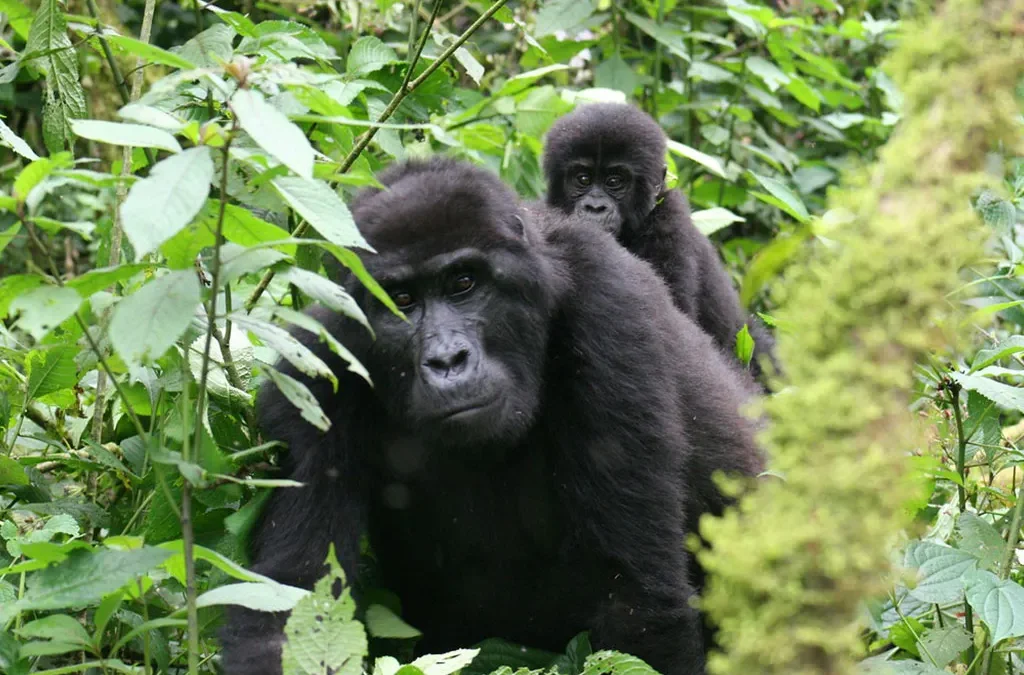
Are you planning a safari to see mountain gorillas but hoping to stretch your budget a little further? Uganda has an answer for you. Between April, May, and November, the country drops its gorilla permit prices without dropping the quality of the experience one bit. The forests stay green, the trails stay quiet, and the gorillas keep doing exactly what they do year-round. Rain showers up, sure, but they rarely ruin a trek. What you get instead is a mist-covered Bwindi, birdsong echoing through wet leaves, and fewer travelers crowding the paths. This guide walks you through the savings, the logistics, and the best spots to make your low-season gorilla trek unforgettable.
What Makes Uganda’s Low Season So Special?
You step out of your lodge at dawn, and the air smells like wet soil and crushed eucalyptus. Fog clings to the hillsides. Somewhere below, a chorus of turacos and hornbills starts up before the sun even clears the ridge. This is Uganda in April, May, or November and it’s a different world from the dusty, crowded trails of peak season.
Uganda sits right on the equator, so forget the idea of harsh winters or blazing summers. The country cycles between wet and dry stretches instead. Locals call April, May, and November the “low season” or “green season,” and rain does fall more often during these months. But here’s the thing most first-time visitors don’t expect: showers tend to arrive in the late afternoon or evening, long after your morning trek wraps up. Plenty of days surprise you with clear skies and warm sun, even in the so-called rainy months.
Trekkers who come during this window often say the forest feels alive in a way dry season can’t match. Waterfalls run fuller, plants glow a deeper green, and the gorillas themselves seem more relaxed with fewer groups passing through their territory. Pack a rain jacket, wear gaiters if you have them, and you’ll barely notice the weather working against you.
Insider Tip: Bring a dry bag or waterproof cover for your camera gear. Sudden mist rolling through Bwindi can dampen everything in minutes, and you don’t want to miss a shot of a silverback because your lens fogged up.
When Do the Discounts Apply?
Uganda Wildlife Authority marks April, May, and November as its official low-season months. These three months sit just before or after the two dry seasons, when tourist numbers naturally dip. Fewer permits get booked, so the government lowers prices to keep trekking accessible and to spread visitor traffic more evenly across the year.
Don’t confuse low season with low quality. The gorilla families still get tracked daily by rangers, trekking permits still guarantee you a full hour with the gorillas, and park infrastructure runs exactly as it does in July or December. The only real difference is your wallet feels lighter and the trails feel emptier.
How Much Will You Save on Gorilla Permits?
Here’s where the numbers speak for themselves. Gorilla permits in Uganda normally cost a fair amount, but during the low-season window, prices come down noticeably for both foreign residents and non-residents.
- Foreign Non-Residents: The price drops from $800 to $600 per permit per person, a savings of $200 that can go straight toward extra nights at your lodge or an additional activity like a boat cruise on the Kazinga Channel.
- Foreign Residents: The price drops from $700 to $500 per permit per person, giving expats and long-term residents in East Africa an easier way to fit gorilla trekking into a tighter budget.
How Far in Advance Should You Book?
Peak season in Uganda fills up permits months ahead, sometimes a year in advance for popular sectors like Rushaga. Low season plays by different rules. Because fewer travelers show up during April, May, and November, permits stay available much closer to your travel date.
You can technically book as little as 1 month before your trek and still land a spot. That said, waiting until the last minute isn’t always the smart move. We recommend booking 2 to 3 months ahead so you have time to sort out flights and visas without scrambling. It also gives safari consultant room to build an itinerary that actually fits your interests instead of settling for whatever’s left.
Insider Tip: If your travel dates are flexible, ask your operator (Iconic Africa Safaris) to check permit availability across all four Bwindi sectors before locking anything in. Rushaga and Buhoma tend to book out faster than Ruhija and Nkuringo, even in low season.
Where Can You Trek Gorillas in Uganda?
Uganda offers two protected areas for gorilla trekking, and both sit tucked into the southwest corner of the country near the borders with Rwanda and the Democratic Republic of Congo. Picking the right one shapes your whole trip, so here’s what each has to offer.
Bwindi Impenetrable Forest National Park
Bwindi carries the bulk of Uganda’s gorilla trekking activity, and for good reason. This ancient rainforest holds roughly half of the world’s remaining mountain gorillas, tangled vines and towering hardwoods stretching across a landscape that feels untouched by time. Park officials split Bwindi into four trekking sectors, each with its own personality and gorilla families.
- Buhoma: The original trekking sector and still the most accessible one. Sitting on the northern edge of the park, Buhoma offers gentler terrain than the other sectors and the widest selection of lodges, from budget campsites to luxury retreats.
- Ruhija: Located in the east at a higher altitude, Ruhija runs cooler than the rest of Bwindi. Some of the park’s largest gorilla families call this sector home, making for rewarding treks despite the chillier mornings.
- Rushaga: Found in the south, Rushaga hosts more gorilla families than any other sector. It’s also the go-to spot for habituation experiences, where you spend extended time with gorillas still adjusting to human presence.
- Nkuringo: Tucked in the southwest, Nkuringo rewards trekkers with dramatic mountain scenery, though the trails here run steeper and more demanding than elsewhere in Bwindi.
Mgahinga Gorilla National Park
Mgahinga sits quietly among the Virunga volcanoes, right where Uganda meets Rwanda and Congo. Much smaller than Bwindi, this park usually has just one habituated gorilla family, known as Nyakagezi. Trekking here comes with a small catch: the gorillas sometimes wander across the border into neighboring countries, so sightings aren’t always guaranteed. Still, Mgahinga makes a strong choice if you want to pair gorilla trekking with golden monkey tracking or a hike up one of the volcanic peaks.
Insider Tip: Golden monkey trekking in Mgahinga runs on a completely separate permit from gorilla trekking, and it costs far less. If you have an extra day, add it to your itinerary. Watching golden monkeys leap through bamboo forests is a highlight in its own right.
Gorilla Trekking Day: What to Expect
Your trekking day starts early, usually around 7:00 or 7:30 AM, with a briefing at the park headquarters. Rangers assign groups of up to 8 travelers to specific gorilla families based on fitness level and interest. From there, you head into the forest with an armed ranger, a guide, and sometimes porters if you’ve hired one to help carry your bag.
Trek length varies wildly depending on where the gorillas moved overnight. Some groups reach their family in 30 minutes; others hike for 4 or 5 hours through mud and thick vegetation. Once you find the gorillas, you get exactly 1 hour to watch, photograph, and simply take in the experience before heading back. Bring sturdy boots, a walking stick (usually provided free at the trailhead), and snacks to keep your energy up along the way.
Insider Tip: Hire a local porter even if you feel fit enough to skip one. Porters know the terrain, help pull you through slippery sections, and the small fee you pay goes directly to community members living around the park.
Ready to Book Your Gorilla Safari?
Uganda’s low season gives you a rare combination: real savings, quieter trails, and a forest bursting with green life. Whether you’re chasing a budget-friendly adventure or simply want fewer crowds between you and a silverback, April, May, and November deliver both.
Getting started is simple. Reach out through our booking form, email us at info@iconicafricasafaris.com, or tap the WhatsApp button in the bottom right corner of your screen for an instant chat with our team. Let us know your travel dates, group size, whether you’re leaning Budget, Mid-Range, or Luxury, and how many days you have to explore. From there, one of our local consultants builds a personalized, fully costed itinerary shaped around what you actually want to see and do.
We’ve guided travelers through Bwindi and Mgahinga across every season, and low season remains one of our favorite times to send people into the forest. Fewer crowds, lower costs, and gorillas that behave exactly the same whether the sun is shining or the mist is rolling in. Message us today, and let’s start planning your trek.