
Why Visit Chobe National Park – Botswana
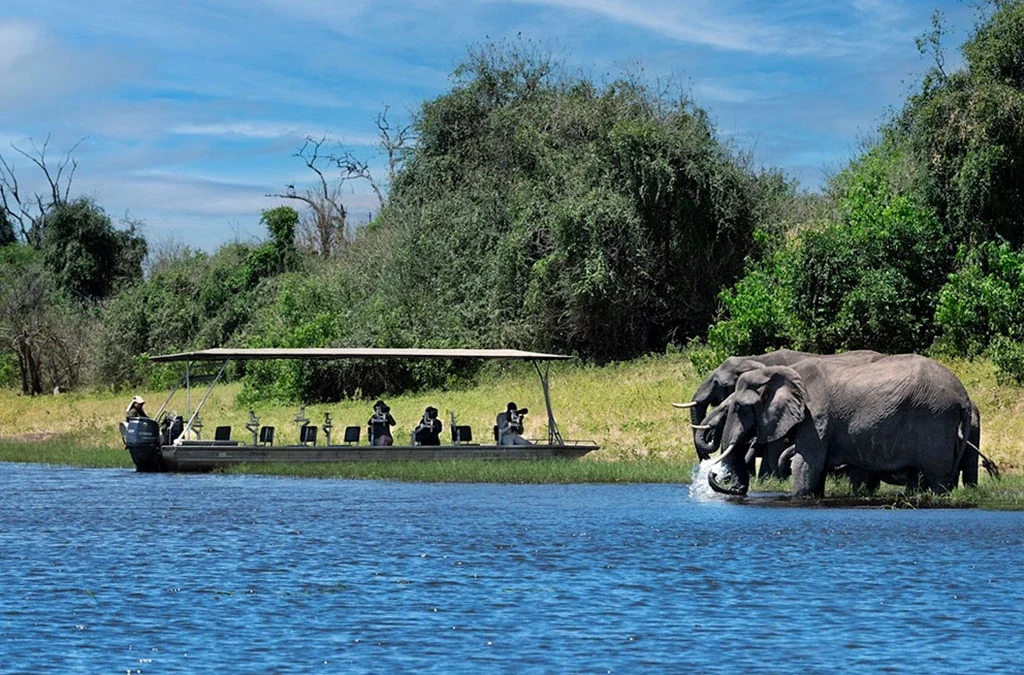
Are you planning a safari to Botswana and wondering if Chobe National Park should be on your list? This vast wilderness in the far northeast of the country gives you a powerful mix of river scenery, big game, and soft, wild silence. Here, the Chobe River cuts across dry land and draws animals from every direction, so you see wildlife in big numbers and from very close range. The park stretches across northern Botswana, forming part of the wider Kalahari Basin, and it shares borders with Zimbabwe, Zambia, and Namibia. As you move through Chobe, the landscape shifts from green riverbanks to remote marshes and dusty plains, each with its own character and animals. This variety, combined with easy access and excellent lodges, makes Chobe one of the most rewarding safari destinations in Southern Africa.
Why choose Chobe National Park?
Chobe National Park sits in northeast Botswana, along the northern edge of the country and the Chobe River. It covers around 10,500–11,700 square kilometers, which means it is almost the size of a small country, similar to Northern Ireland in area. This huge space gives wildlife room to move, migrate, and thrive. The park lies within the greater Kalahari Basin, so you get both riverine greenery and drier inland habitats on a single trip.
Chobe is Botswana’s premier wildlife sanctuary and is famous worldwide for its huge elephant population. It holds Africa’s highest concentration of Kalahari elephants, with estimates ranging from about 50,000 to 120,000 animals in and around the park. When you sit beside the river at sunset and watch herd after herd file down to drink and bathe, you understand why it is often called the elephant capital of the world. Alongside elephants, large numbers of Cape buffalo, plains game, and predators make game viewing intense and frequent.
The park has deep roots in Botswana’s conservation history. It was first set aside as a wildlife reserve in the 1930s. Later, in 1967–1968, just after Botswana gained independence, Chobe became the country’s first official national park. Over time, the government extended its boundaries, and by the 1980s the park reached its current size. Today, Chobe forms part of the larger Kavango–Zambezi transfrontier conservation area, which joins protected lands across Botswana, Namibia, Zambia, Zimbabwe, and Angola. This shared space allows animals to move across borders and keeps the wider ecosystem healthy and wild.
How is Chobe divided into regions?
Chobe National Park is not one single, uniform landscape. Instead, it is divided into four main regions, each with its own look and feel. This structure lets you tailor your safari to your interests, whether you like big herds by the river, remote marshes, or quieter woodland tracks.
Chobe Riverfront
The Chobe Riverfront, often called Serondella, lies in the northeast of the park along the river. This is the most accessible area and is usually the starting point for many visitors. The landscape here is lush, with green floodplains, thick woodlands, and classic riverine habitat. During the dry season, animals from the interior drift toward the water, and this section becomes a magnet for wildlife.
This riverfront is the main gathering point for massive elephant and Cape buffalo herds when the bush inland dries out. At certain times of year, you can see dozens of elephants at once, walking in single file, swimming, or rolling in the mud on the banks. Buffalo come in broad, dark lines and often share the space with antelope and giraffes. Because the Chobe River forms a firm, reliable water source, game density stays high and sightings feel almost constant on some days.
Savuti Marsh
The Savuti Marsh lies in the southwest of the park. It is a wide sweep of grasslands, scattered dead trees, and open plains. This area feels wild, tough, and remote. The famous Savute Channel flows here, a waterway that has dried up and flowed again through history, creating shifting conditions that animals must adapt to.
Savuti is known for intense predator–prey interactions. Lion prides here have a reputation for bold behavior and sometimes hunt large animals like buffalo and even elephants. This creates dramatic sightings for visitors who are patient and willing to spend time tracking the cats. The open landscape also makes it easier to spot animals at a distance, and many visitors report some of their most memorable game drive moments in this region.
Linyanti Marsh
The Linyanti Marsh sits in the northwest of Chobe, along the Linyanti River. This area is more remote and less visited than the riverfront, so it suits travelers who love quieter, more exclusive safaris. The marsh itself feels like a small version of the Okavango Delta, with swampy channels, wet grasslands, and islands of trees.
Here, you can see hippos and crocodiles in the river, along with rare antelope species in the surrounding vegetation. Sable and roan antelope sometimes appear in these parts, adding a touch of rarity to your sightings. The mix of water and woodland also makes Linyanti a good spot for birds and for predators moving through the area.
Nogatsaa and hinterland
Nogatsaa and the broader hinterland lie away from the main river and marshes. This region is hot, dry, and dominated by mopane woodlands and clay pans. It is less visited than the riverfront, which means it offers a more uncrowded safari experience. Here, quiet artificial waterholes draw animals during the dry months.
If you like solitude and long drives without other vehicles in sight, Nogatsaa can be very rewarding. You may not see the same huge herds as along the Chobe River, yet the feeling of having the bush to yourself, with animals emerging one by one to drink, can be just as special.
What safari activities do you enjoy in the park?
A Chobe safari gives you both land and water experiences, which keeps each day varied and exciting. Instead of repeating the same type of activity, you can mix game drives with river cruises and bird outings.
River Boat Cruises
River cruises on the Chobe Riverfront are one of the park’s signature experiences. You board a boat, sit at water level, and glide slowly along the river edge. From this angle, you see elephants swimming, hippos wallowing, and crocodiles basking on sandbanks. You also get excellent views of birdlife, including African Fish Eagles calling from trees and kingfishers diving for prey. Sunset cruises are especially beautiful, as the sky reflects on the water and the light softens across the floodplain.
4×4 Game Drives
Open-vehicle game drives take you along sandy tracks through the park’s different regions. Guides look for fresh tracks and signs of predators such as lions, leopards, cheetahs, and African wild dogs. Being in a vehicle allows you to cover more ground, shifting from riverfront loops to deeper bush or marsh edges. Early morning and late afternoon drives are often the most productive, when animals are more active and the light is gentle.
Bird Watching
Chobe is a strong birding destination, with more than 440–500 recorded species depending on the source you consult. During wetter months, both resident and migratory birds appear in big numbers. Along the river, you can see bee-eaters, rollers, storks, and a variety of waterbirds. Some rarities, like Pel’s Fishing Owl, draw serious birders, while casual visitors still enjoy obvious, colorful species such as kingfishers and carmine bee-eaters. If you love birds, you can dedicate entire outings to searching for new species.
What wildlife can you expect to see?
Wildlife is the heart of Chobe’s appeal. The park is known for hosting some of Africa’s largest elephant and Cape buffalo populations, with estimates of around 120,000 elephants in and around its boundaries. In the dry season, herds cluster close to the Chobe River and other water sources, giving visitors long, rich viewing opportunities.
Plains game are common throughout the park. You can expect to see giraffes grazing on acacia trees, kudu with spiral horns moving through the mopane, and roan and sable antelope in particular areas. Lechwe and puku like wetter ground, while waterbuck and impala often appear near river edges and woodland openings. This wide mix of grazing and browsing species supports strong predator populations. Lions, leopards, and spotted hyenas all live in Chobe, while jackals and, at times, African wild dogs move through parts of the park.
Birdlife adds another layer to your sightings. The park record lists over 440–500 bird species depending on the survey. Along the river, you may see African Fish Eagles, striking in white and dark brown, plus bright kingfishers, bee-eaters, and rollers perched or flying low over the water. Storks and other waterbirds stand in shallows or fly across the marshes. If you stay longer or travel with a bird guide, you can search for rarer species such as Pel’s Fishing Owl. This variety makes Chobe one of Southern Africa’s standout birdwatching locations.
What is the climate and best time to visit?
Chobe’s climate is semi-arid, with most rainfall coming in the warmer summer months. Annual rainfall generally falls between about 500 and 600 millimetres. The wet season usually runs roughly from November to March, while the dry season stretches from around April to October.
The dry season is widely considered the best time for game viewing. As water sources shrink inland, animals gather around the Chobe River and remaining pans. This concentration makes sightings easier and more frequent. The air is often clear, and bush becomes more open, which helps you spot wildlife. On the other hand, the green season brings lush scenery and very good birding. Migratory species arrive, and the landscape takes on fresh color. If you care as much about photography and birds as big game, visiting during or just after the rains can be very enjoyable.
Why is Chobe such a rewarding safari destination?
Visiting Chobe National Park is highly rewarding because it blends high wildlife density with varied ways of seeing animals. It offers the largest concentration of elephants in Africa, combined with the thrill of both land-based game drives and river safaris. When you float past a herd of elephants drinking or stand on a vehicle watching lions stalk buffalo, you feel you have a front-row seat to the natural world.
What accommodation options are available in Chobe?
Chobe National Park offers a wide range of accommodation, including world-class, five-star luxury lodges. These properties are designed to blend immersive wildlife encounters with high-end comfort. Many lodges feature private plunge pools, expert guides, and prime riverfront access. Rates often start at around 600 to 1,300 dollars or more per person per night, depending on season and room type.
Chobe Game Lodge
This 5-star eco-lodge sits directly inside the park and is famous for being the only lodge within the official park boundaries. It has a riverfront deck and boardwalks that let you watch wildlife moving along the water. The lodge also runs eco-friendly electric safari boats, reducing noise and impact on the environment. Typical rates begin around 690 dollars per person per night.
Chobe Chilwero Lodge
Managed by Sanctuary Retreats, this lodge rests high above the Chobe River and offers sweeping panoramic views. Guests enjoy an award-winning spa, a split-level swimming pool, and luxury thatched suites, each with a private plunge pool. Rates generally start around 965 dollars per person per night.
Ngoma Safari Lodge
Ngoma sits in the Chobe Forest Reserve on the park’s western edge and overlooks the Chobe River floodplain. Built using local, natural materials, its suites each have a plunge pool and viewing deck. From these decks, guests often watch elephants gathering at the nearby waterhole. Rates usually start around 932 dollars per person per night.
Savute Safari Lodge
This lodge lies on the banks of the famous Savute Channel in the remote western part of the park. The area is known for high concentrations of lions and elephants. The lodge itself uses glass and timber in its design and offers comfortable viewing decks plus strong guided game drives. Rates typically start around 690 dollars per person per night.
Muchenje Safari Lodge
Muchenje is located on the quieter western side of Chobe. It offers a blend of intimate, authentic safari atmosphere and modern luxury. Guests can enjoy spectacular escarpment views, night drives, and walking safaris. Rates often range from about 441 to 639 dollars per person per night, depending on room and season.
These lodges cater to different styles, from classic luxury to more relaxed yet still high-end stays. When you choose where to stay, think about whether you prefer being inside the park, above the river, or in a quieter area on the edge.
How do you get to Chobe from Sir Seretse Khama International Airport?
Sir Seretse Khama International Airport sits in Gaborone, Botswana’s capital, which lies far to the south of Chobe. Most travelers don’t head straight there for a Chobe trip. Instead, you’ll connect onward to Kasane Airport, the small but well-served gateway that sits just minutes from the park gates.
A few routes get you to Kasane. Flying from Gaborone takes about 2 hours on Air Botswana, with several flights running each week. Many international visitors skip Gaborone altogether and fly straight into Kasane from Johannesburg instead, a route with daily flights that takes under two hours. Once you land, your lodge is typically a short drive away, sometimes just ten or fifteen minutes.
Driving in works well too, especially if you’re combining countries. Victoria Falls sits around 90 minutes from Kasane by road, though border queues can stretch that closer to two hours. Livingstone in Zambia offers a similarly short crossing.
How long should you actually stay? Plan for at least three or four days if you want to properly explore beyond the Riverfront. A single night barely scratches the surface, while five or six days gives you time to add Savuti or Linyanti without rushing.