
Is Mountain Gorilla Trekking Safe in Uganda and Rwanda?
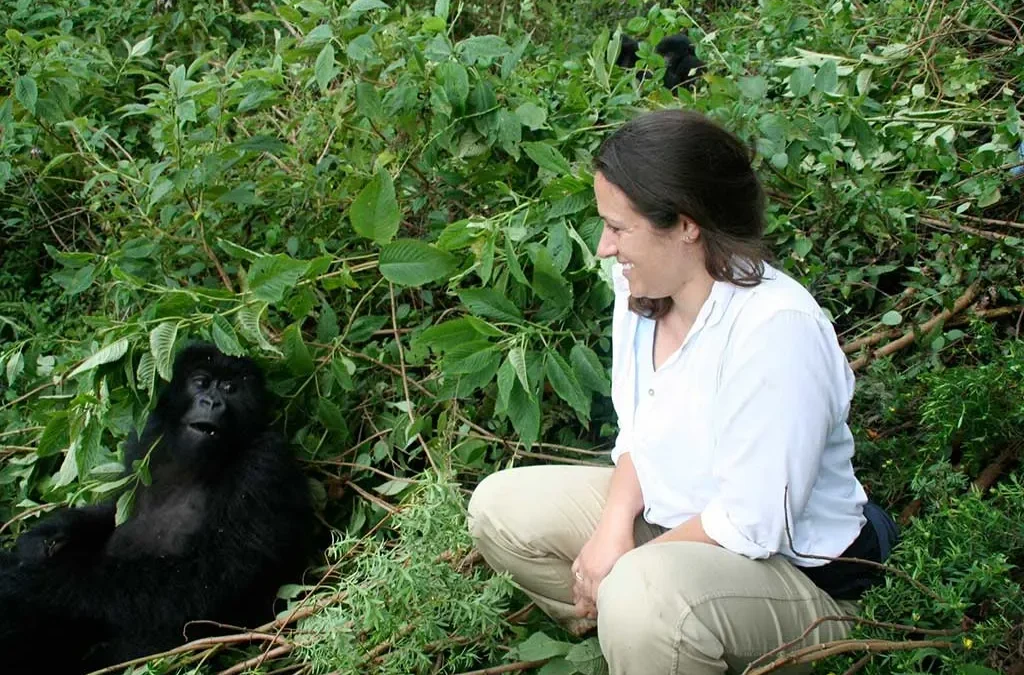
Yes, mountain gorilla trekking in Uganda and Rwanda is safe. These countries offer some of the safest areas for gorilla trekking in Africa. When planning a vacation, safety is crucial. Everyone wants to return home safely after enjoying their holiday. In Uganda, gorilla trekking takes place in Bwindi Impenetrable Forest National Park and Mgahinga Gorilla National Park. Both parks are located in the southwestern region of Uganda.
Bwindi Impenetrable Forest National Park is vast and divided into two main sectors: the northern and southern sectors. For easier management, the park is further divided into four trekking regions. These include Buhoma, Ruhija, Nkuringo, and Rushaga regions. Bwindi hosts the highest number of habituated gorilla families in the world.
In Rwanda, gorilla trekking happens in Volcanoes National Park, located in the northwest. The park covers 160 square kilometers and features mountainous terrain. Five Virunga volcanoes give the park a stunning landscape. These volcanoes include Mount Karisimbi, Mount Bisoke, Mount Muhavura, Mount Sabyinyo, and Mount Gahinga. Volcanoes National Park has 13 habituated gorilla families. Some popular groups include the Amahoro family, Group 13 family, and the Hirwa family.
Regulations for Gorilla Trekking
All stakeholders involved in gorilla trekking must follow strict laws and regulations. These include hotels, travel companies, ranger guides, and researchers. The Rwanda Development Board and Uganda Wildlife Authority enforce these rules to protect tourists and prevent fraud. Tour operators and guides must register with the government and undergo training to provide quality services.
Political Stability
Uganda and Rwanda enjoy political stability. Since the 1980s, Uganda has maintained peace and security after a period of unrest. Tourists can visit Bwindi Impenetrable National Park without fearing crime or violence. Security agencies, including tourism police, work hard to protect these areas.
Rwanda also restored peace after the 1994 genocide. The government focused on rehabilitation and conserving affected parks. Volcanoes National Park, a major source of revenue, benefits from strict security measures. Rangers and security agencies ensure tourists and wildlife remain safe.
Uganda and Rwanda cooperate to conserve mountain gorillas. This partnership allows gorilla families to roam freely between the two countries. For example, the Nyakagezi family in Mgahinga sometimes crosses into Rwanda.
Accessibility to Gorilla Trekking Parks
Improved road networks make accessing gorilla trekking sites easier from Kampala, Entebbe, or Kigali. Though Bwindi Impenetrable National Park, Mgahinga National Park, and Volcanoes National Park are in remote areas, roads have seen significant upgrades.
From Kampala, public transport reaches Kabale, where connections to Bwindi are available. In Rwanda, public transport from Kigali City goes to Musanze, close to Volcanoes National Park. Domestic flights in Uganda make travel faster. You can fly from Kajjansi Airstrip or Entebbe Airport to Kihihi or Kisoro airstrips. From these airstrips, a short drive takes you to Bwindi. These flights reduce travel time for those who dislike long road trips. However, early booking is necessary for domestic flights. Both Uganda and Rwanda also offer charter flight options.
Professional Ranger Teams in Gorilla Parks
Gorilla trekking becomes more enjoyable with professional ranger guides. The Uganda Wildlife Authority and the Rwanda Development Board train rangers extensively. These rangers know gorillas well and share valuable insights during treks.
Early in the morning, rangers locate gorilla families and inform trekking teams of their positions. This helps tourists find the gorillas more easily. During the trek, rangers explain gorilla behaviors and family dynamics. This knowledge deepens the connection between visitors and the gorillas. The presence of experienced rangers ensures safety and makes the trek informative and fun.
Research Organizations Supporting Gorilla Conservation
Many research organizations work to protect gorillas in Uganda and Rwanda. The Karisoke Research Center, founded by Dian Fossey, pioneered these efforts in Rwanda. Fossey believed that involving people in conservation would help save gorillas. Her efforts led to the development of gorilla trekking.
Research organizations contribute to gorilla habituation, medical care, and population monitoring. Groups like Gorilla Doctors, Gorilla Fund, and UNESCO play significant roles. These organizations help increase gorilla numbers and ensure they remain comfortable with human presence. Their efforts have improved gorilla trekking experiences in both countries.
Time to Reach Gorilla Trekking Parks
Volcanoes National Park in Rwanda is only three to four hours from Kigali Airport. This short travel time allows visitors to attend a gorilla trekking briefing on the same day they arrive. In contrast, Bwindi Impenetrable National Park in Uganda is about an eight to nine-hour drive from Entebbe Airport.
Fortunately, domestic flights reduce travel time to Bwindi. These flights take about 2.5 hours to reach Kihihi or Kisoro airstrips. From there, a one-hour drive takes you to Bwindi. After your gorilla trek, you can easily return to the international airport for departure.
Limiting the Number of Trekkers
To protect the gorillas and their habitat, only eight people can visit each gorilla family per day. This limit helps prevent damage to the forest and reduces stress for the gorillas. Before the trek, visitors attend a briefing at park offices. In Rwanda, the briefing takes place at ORTPN headquarters. In Uganda, briefings occur at Uganda Wildlife Authority offices in Bwindi or Mgahinga.
Rangers explain trekking procedures and gorilla behaviors during these briefings. Small group sizes ensure rangers can monitor each visitor closely. This prevents tourists from getting lost or having a poor experience. Limiting visitors also prevents the gorillas from feeling overwhelmed or threatened.
Well-Organized Park Management
The Rwanda Development Board manages Volcanoes National Park. In Uganda, the Uganda Wildlife Authority oversees Bwindi and Mgahinga National Parks. These organizations train rangers, maintain trails, and conduct regular gorilla censuses. They enforce rules to protect tourists and wildlife.
Tour operators, guides, and other stakeholders must follow these rules. Authorities impose penalties on those who break the rules and reward those who perform well. This efficient management system maintains high standards in the parks. As a result, tourists receive excellent service, and gorillas remain protected.