
How to Book Uganda Gorilla Safari from Portugal
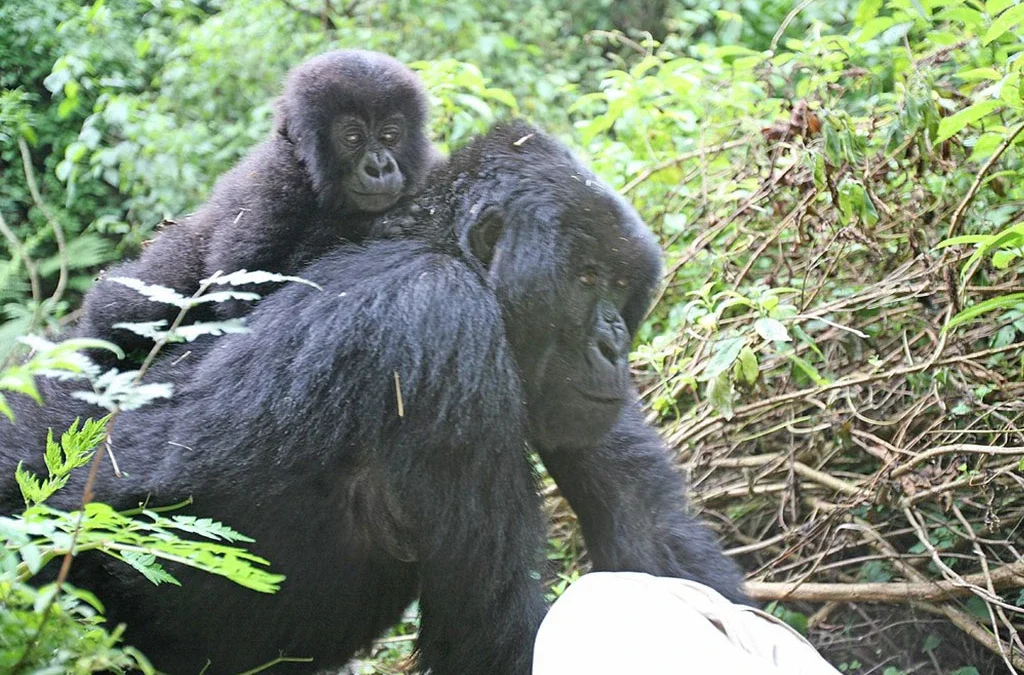
Are you planning a safari to come face to face with mountain gorillas? Uganda hands you one of the most moving wildlife encounters anywhere on earth, and reaching it from Portugal is simpler than most people expect. The trek takes place in two forest parks tucked into the green southwest corner of the country. Bwindi Impenetrable Forest National Park is the favourite, holding many habituated gorilla families spread across four sectors – Rushaga, Buhoma, Nkuringo and Ruhija. A short distance away sits Mgahinga Gorilla National Park, home to a single family called Nyakagezi.
How to get to Uganda from Portugal by air
Your trip begins at either Lisbon (LIS) or Porto (OPO), and your final landing point is Entebbe International Airport (EBB), Uganda’s main gateway just outside Kampala. No airline flies the full route without a stop, so you’ll change planes at one hub before the last leg into Entebbe. That single connection usually adds a few hours, yet it also breaks up the journey and lets you rest between flights.
Plenty of dependable routes link the two countries:
- Istanbul with Turkish Airlines — a smooth one-stop option with frequent departures
- Doha with Qatar Airways — quick connections and a comfortable, modern fleet
- Addis Ababa with Ethiopian Airlines — often the shortest hop into East Africa
- Dubai with Emirates or flydubai — handy if you fancy a slightly longer stopover
- Nairobi with Kenya Airways — a close regional hub right next door to Uganda
- Brussels or Amsterdam with KLM — easy European links from across the continent
How do you trek the gorillas and spend the evening?
This is the moment travellers dream about for months. You’ll wake between 5:30am and 6:30am, eat a hearty breakfast, then head to the park headquarters for the 7:30am trekking briefing. Rangers split everyone into small groups of eight, with one group sent to each gorilla family, and they match people by age and fitness so the pace suits you. Right before setting off, think about hiring a local porter for $15 to $20. Porters carry your bag, steady you on slippery slopes, and your fee flows straight into the surrounding community.
A little preparation goes a long way. Sturdy boots, a light rain jacket, gardening gloves, long sleeves and trousers, drinking water, and a couple of energy snacks will keep you comfortable through the climb. You don’t need to be an athlete, though some gentle walks in the weeks before your trip make the forest feel far easier.
At 8:00am the hike begins. Armed rangers lead the way, clearing the path through Bwindi’s thick forest and keeping you safe throughout. Depending on where the family has wandered, the walk can take anywhere from one to six hours. Once you reach them, the rangers raise a hand for silence. Then, for one full and unforgettable hour, you simply watch. The silverback stands guard over his family, mothers cradle and nurse their infants, and the young ones tumble and wrestle through the leaves.
When your hour ends, you’ll make your way back to the starting point and collect your Gorilla Trekking Certificate. After that comes a well-earned lunch and a rest at your lodge. Should some energy still linger by evening, two lovely options wait:
- The Batwa cultural experience — this forest community shares ancient songs, traditions and survival skills passed down across generations
- A village walk — stroll among nearby homes and pick up handmade crafts that become lasting souvenirs
Either choice rounds off the day beautifully.
When is the best time to visit Uganda for gorilla trekking?
Treks run all year, yet certain months make the experience far more comfortable. The dry seasons stand out – June through late September and December through February. During these stretches the trails stay firmer, the mud thins out and you can see deeper into the forest. Because these are peak travel periods too, smart visitors lock in gorilla permits and lodges in Bwindi or Mgahinga 3-6 months ahead to secure the dates and prices they want.
The months regarded as rainy season or low season tell a different story and they reward flexible travellers:
- Lower permit prices — across April, May and November the gorilla permit drops to $600, down from the usual $800 for foreign non-residents
- Lodge discounts — many lodges trim their rates to welcome guests through this softer season
- Surprising sunshine — although people picture constant rain in these months, plenty of bright, dry days slip through and trekking on them feels wonderful
Crowds also shrink during this window, which means quieter trails and a more personal feel at your lodge. So if saving money and dodging the busy season matter more than guaranteed dry ground, the low months can be a clever and rewarding choice.
How do you book your gorilla safari from Portugal?
Getting started takes only a minute. Reach us through the booking form, send a note to info@iconicafricasafaris.com, or tap the WhatsApp button in the bottom right corner of your screen for an instant chat. Share a few simple details:
- Your travel dates
- The number of people in your private group
- Your preferred level of comfort — Budget, Mid-Range or Luxury
- The number of days you’d like to travel
From there, one of our local consultants crafts a personalised, fully costed itinerary around your wishes. Maybe you want only the gorilla trekking experience. Perhaps you’d rather stretch the adventure into a game drive in Queen Elizabeth National Park or a chimpanzee trek in Kibale. Whatever picture sits in your mind, we’re one message away, day or night, every day of the week.
One important note deserves your attention: gorilla trekking permits are limited and sell out fast. Travelling during peak season? Then book 3 to 6 months ahead to lock in your spot. Once your dates and permits are confirmed, we handle the lodges, the transport and every small detail so you can simply look forward to the forest.
Getting to Bwindi from Entebbe or Kigali International Airport
From Entebbe International Airport in Uganda
The drive covers roughly 480 to 520 km and takes around 9 to 10 hours. You’ll travel through Kampala, then head southwest via Mbarara and Kabale. Many travellers prefer to split the trip and spend a night in Mbarara or Kabale, which keeps things relaxed and adds a few lovely views along the way. Rather skip the long road? A scheduled or charter flight from Entebbe (or Kajjansi) reaches Kisoro Airstrip in about 1.5 hours, or Kihihi a little quicker, followed by a short one to 1.5 hour drive to the park.
From Kigali International Airport in Rwanda
From Kigali International Airport in Rwanda, the journey runs faster and proves more popular — about 4 to 5 hours by road across roughly 220 to 230 km. You’ll drive south and west from Kigali toward the Cyanika or Katuna/Gatuna border crossing. After immigration clears you into Uganda, carry on to Kisoro, then about one to 1.5 hours more to Bwindi. Keep your passport, gorilla permit and yellow-fever certificate within easy reach for the border.
Confirm your permit and trekking sector before you arrive, since we arrange transport to match exactly where you’ll meet the gorillas.
Why should you choose Iconic Africa Safaris for this adventure?
Plenty of companies sell gorilla trips, yet the people behind yours make all the difference. Here’s what sets our team apart:
- Experienced driver guides — we pair you with a guide who knows this land inside out, with years spent working these routes and a deep feel for gorilla trekking, so your memories stay vivid for life
- Patient tour consultants — our office team understands that no two travellers are alike, so they listen closely to every request and shape an itinerary that fits your tastes and your budget
- A comfortable 4×4 Land Cruiser — you’ll ride in a sturdy, roomy vehicle built for Uganda’s roads, with space to stretch out, take photos and soak in the scenery as it rolls by