How Kigali City Tours Enhance a Uganda Gorilla Safari

Kigali city tours offer travelers memorable experiences before or after gorilla trekking in Uganda. The vibrant Rwandan capital sits just four to five hours from Uganda’s premier gorilla parks. Visitors explore Kigali Genocide Memorial, where Rwanda’s history unfolds through powerful exhibits and peaceful gardens. Horse riding adventures let you discover rolling hills and stunning countryside from a unique perspective. Mount Kigali offers panoramic views that stretch across the city’s modern skyline and green valleys.
Bicycle cycling tours wind through neighborhoods where daily life pulses with energy and friendly faces. Inema Art Centre and Niyo Art Centre showcase contemporary African art in colorful gallery spaces. Kimironko Market bursts with sights, sounds and aromas of fresh produce and handmade crafts.
 Plan Your Perfect Cross-Border Safari Journey
Your adventure can start in Kigali and finish at Entebbe International Airport after gorilla trekking. Alternatively, begin at Entebbe International Airport and conclude your journey in Kigali’s modern capital. Some travelers prefer starting and ending their entire safari experience in Kigali for maximum convenience. Each routing option offers distinct advantages depending on your international flight connections and travel preferences.
When ending your safari in Kigali, save the city tour for after your gorilla encounter. This approach lets you unwind in urban comfort after challenging forest treks and wildlife adventures. Starting in Kigali & ending in Entebbe means exploring the city first before heading to Uganda’s misty mountains. Fresh energy and excitement make city sightseeing enjoyable before the physically demanding gorilla experience begins.
A 4-day adventure allows enough time to enjoy both Kigali’s attractions and gorilla trekking fully. This duration prevents rushing while maximizing your chances of meaningful wildlife encounters and cultural experiences. You’ll appreciate having extra time to absorb the profound impact of meeting mountain gorillas.
Discover Uganda’s Two Premier Gorilla Trekking Destinations
Gorilla trekking in Uganda happens exclusively in two southwestern national parks near Rwanda’s border. Bwindi Impenetrable Forest National Park and Mgahinga Gorilla National Park both offer world-class encounters. The 4 to 5 hour drive from Kigali makes either park easily accessible for travelers. This proximity creates seamless cross-border safari experiences combining Rwanda’s culture with Uganda’s wilderness treasures.
Bwindi Impenetrable Forest attracts more visitors because of its numerous habituated gorilla families available. Four distinct sectors spread across the park provide multiple trekking options for different group sizes. Buhoma, Rushaga, Ruhija and Nkuringo sectors each host several gorilla families with unique personalities. More gorilla families mean more available permits and better chances of securing your preferred date.
Mgahinga Gorilla National Park offers a more intimate experience with just one habituated family. The Nyakagezi gorilla group crosses borders between Uganda, Rwanda, and Democratic Republic of Congo freely. Only eight permits become available daily, making this option exclusive but sometimes harder to book. However, Mgahinga’s bamboo forests present gentler terrain for visitors concerned about physical fitness challenges.
What to Expect During Your Gorilla Trekking Experience
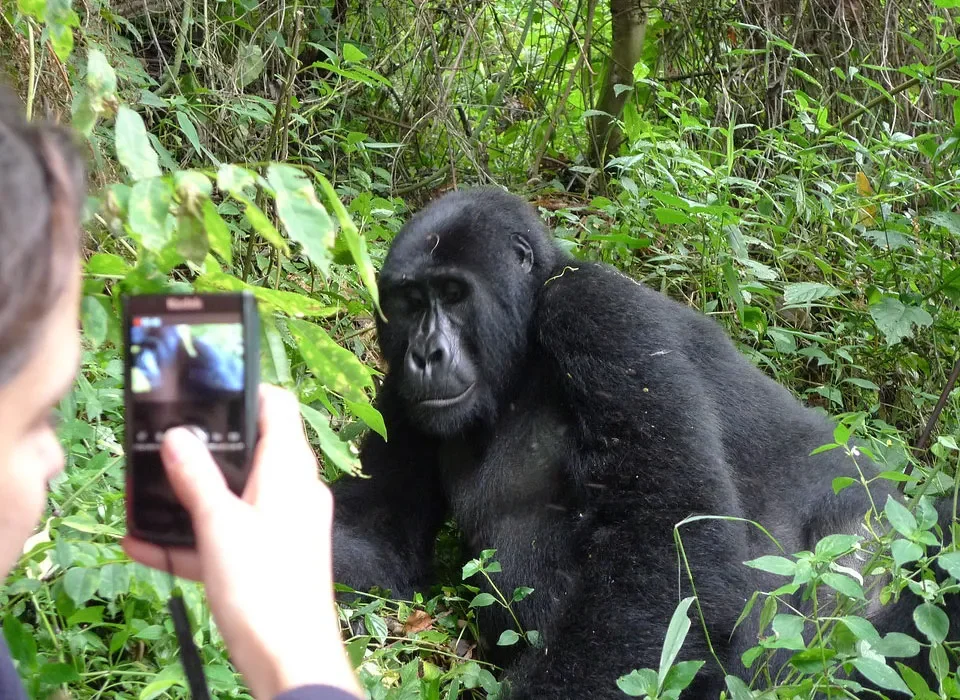
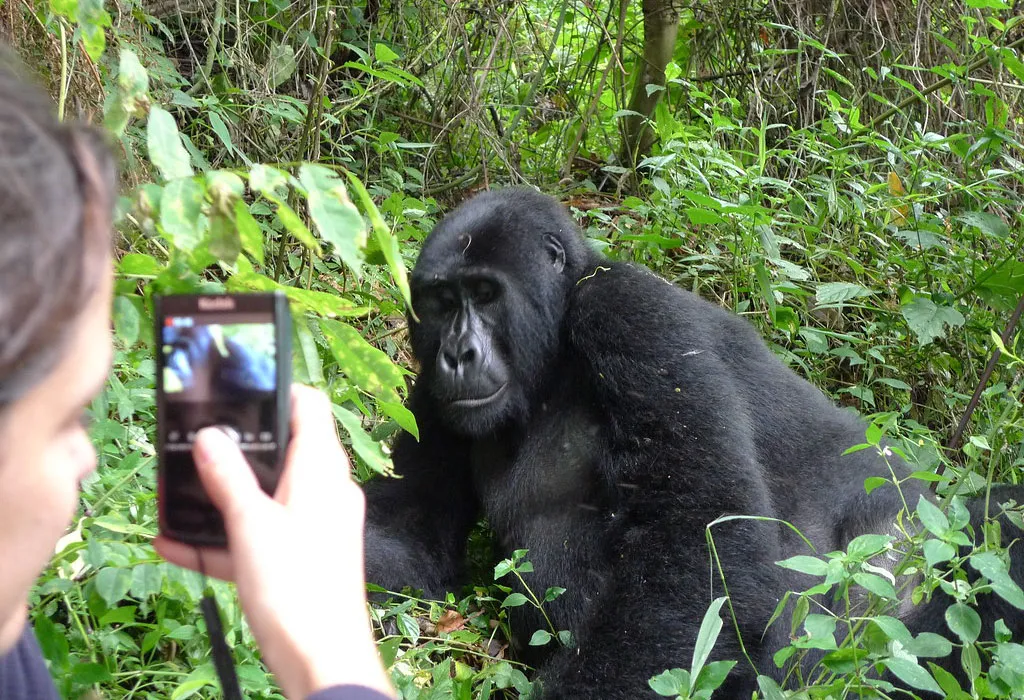
Every gorilla trek begins with an early morning briefing around 7:00am at park headquarters. Rangers explain safety protocols, gorilla behavior, and what to expect during your forest adventure. Briefings create excitement while ensuring everyone understands how to protect these endangered mountain gorillas properly.
Hikes can last anywhere from 2 hours to 6 hours depending on gorilla movements. Some families stay near yesterday’s nesting sites while others travel far seeking favorite feeding areas. The unpredictable nature of wildlife adds authentic adventure to every trek through ancient forests. Your ranger guides use expert tracking skills to locate gorillas efficiently while sharing forest ecology.
Explore Bwindi’s Ancient Rainforest
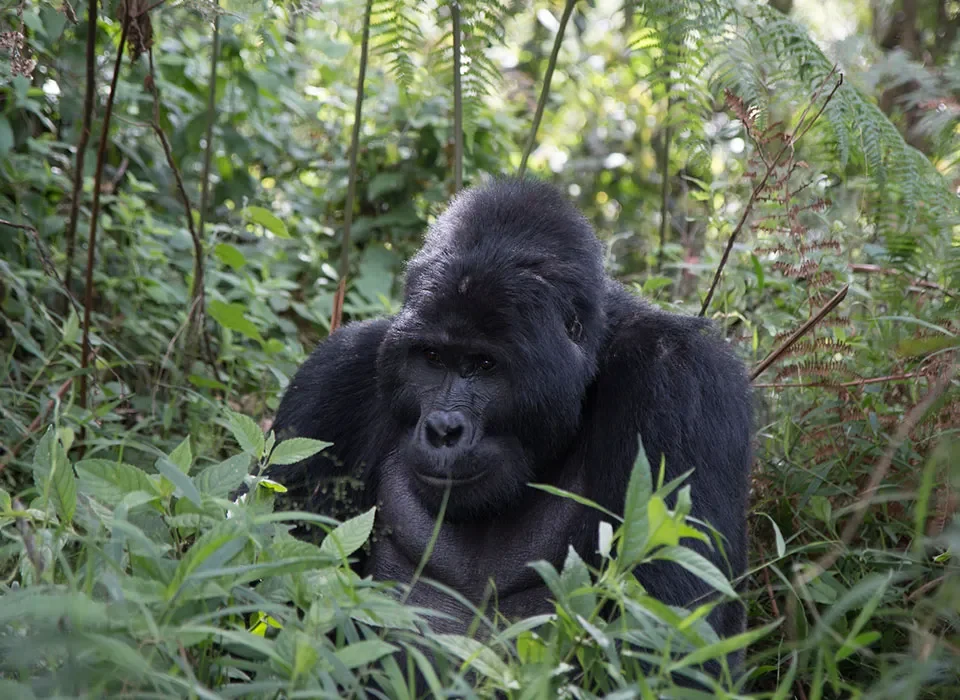
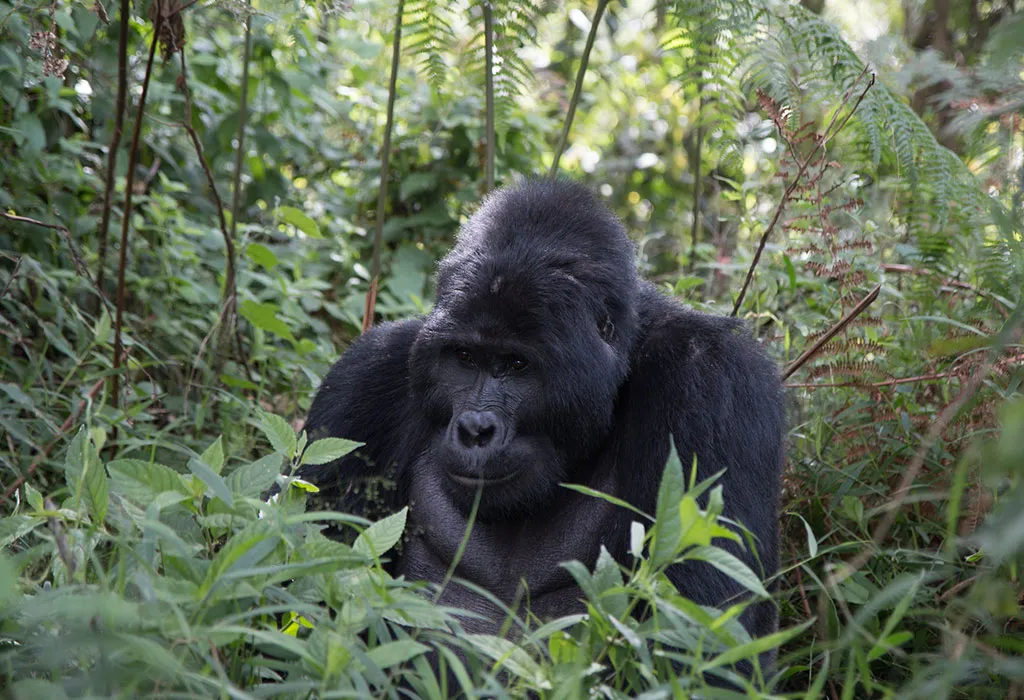
Bwindi Impenetrable Forest National Park protects nearly half of the world’s remaining mountain gorillas. This UNESCO World Heritage site shelters approximately four hundred fifty-nine mountain gorillas within its boundaries. The population represents a conservation success story that continues inspiring global wildlife protection efforts today.
Beyond gorillas, Bwindi ranks among Africa’s most biodiverse rainforests with astounding ecological richness. Over one hundred twenty mammal species roam the forest including elephants and chimpanzees. More than three hundred fifty bird species fill the canopy with songs and brilliant plumage. Twenty-three bird species exist only in the Albertine Rift region, making Bwindi essential for ornithologists.
This ancient forest has survived for over twenty-five thousand years through climatic changes. Varied Afromontane vegetation carpets steep, rugged landscapes rising from valley floors to mountain peaks. The name “Bwindi” translates to “darkness” in the local language, describing dense undergrowth perfectly. Deep valleys create shadowy corridors where sunlight barely penetrates the thick forest canopy overhead.
The park occupies southwestern Uganda along the Democratic Republic of Congo border in strategic location. Positioned on the Albertine Rift Valley’s edge, elevations range from eleven hundred sixty meters upward. The highest points reach twenty-six hundred seven meters above sea level with dramatic topography. UNESCO recognized this site for outstanding biological richness and critical importance to global conservation efforts.
Immerse Yourself in Extended Gorilla Encounters and Forest Walks
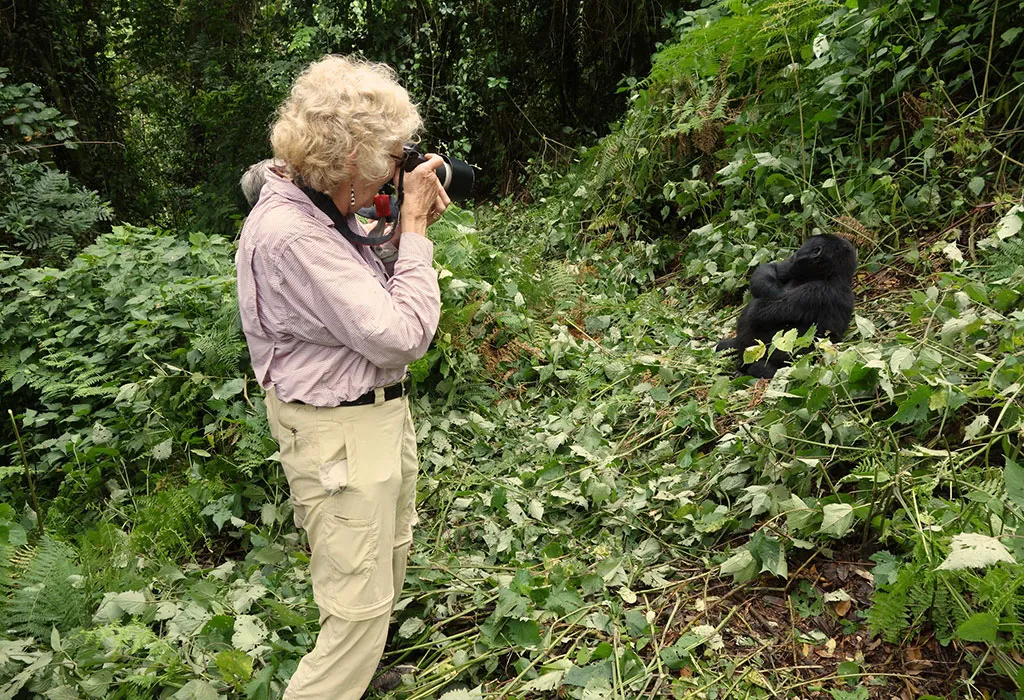
Gorilla trekking represents the main attraction, allowing visitors to observe mountain gorillas in natural habitat. Groups spend 1 precious hour watching gorillas feed, play, and interact within their family structure. This hour creates memories that last a lifetime as you witness intimate moments rarely seen.
Gorilla habituation experiences offer more in-depth adventures for those seeking deeper wildlife connections. Participants spend up to 4 hours with gorillas still becoming accustomed to human presence. Researchers and guides share insights about individual gorilla personalities and ongoing conservation science happening daily.
Nature walks through different sectors reveal forest secrets beyond the gorilla families you’ve already visited. Shorter hikes from Buhoma, Rushaga, and Nkuringo provide opportunities for cultural encounters with local communities. Village visits demonstrate how communities benefit from conservation tourism and protect their natural heritage together.
Experience Mgahinga’s Volcanic Landscapes
Mgahinga Gorilla National Park claims the title of Uganda’s smallest national park despite magnificent scenery. This compact protected area covers just thirty-three point seven square kilometers of volcanic terrain. Location in Kisoro District places it directly on borders with Rwanda and Democratic Republic Congo.
The park forms part of the greater Virunga Conservation Area spanning three countries collaboratively. Three dramatic volcanoes dominate the landscape: Mount Muhabura, Mount Gahinga, and Mount Sabyinyo. These volcanic peaks rise from twenty-two hundred twenty-seven meters to over four thousand meters. The name “Gahinga” refers to piles of volcanic stones scattered across these ancient mountainsides.
Mountain gorillas share this habitat with endangered golden monkeys found nowhere else in Uganda. Golden monkey trekking and habituation experiences complement gorilla encounters beautifully for primate enthusiasts visiting Mgahinga. These playful, beautiful primates leap through bamboo forests with acrobatic grace and social energy.
Volcano hiking attracts adventurous travelers wanting to summit one or all three Virunga peaks. Mount Sabyinyo’s summit remarkably touches three countries at once, creating unique geographic bragging rights. Standing where Uganda, Rwanda, and Congo meet provides perspective on conservation’s borderless nature here.
The Batwa Trail offers cultural experiences with indigenous forest people who lived here for generations. Batwa guides share traditional forest knowledge, hunting techniques, and spiritual connections to these mountains. This encounter educates visitors about communities displaced by conservation and their ongoing cultural preservation.
Buffalo, elephants, giant forest hogs, and various bird species also inhabit this high-altitude park. Wildlife viewing supplements gorilla and golden monkey tracking for well-rounded safari experiences in Mgahinga.
How to travel Between Uganda’s Gorilla Parks and Kigali
Getting to Kigali from Bwindi or Mgahinga involves a scenic overland journey through beautiful countryside. The route crosses international borders at either Cyanika or Katuna, depending on your starting point. Total driving time including border formalities typically requires four to five hours of comfortable travel.
From Mgahinga, drivers head through Kisoro town toward the nearby Cyanika border crossing point. Immigration procedures move efficiently at this smaller crossing, though patience helps during occasional busy periods. From Bwindi, the route goes through Kabale town before reaching Katuna border crossing instead.
Border crossing procedures require completing immigration formalities with proper documentation and valid visa permissions. The East African Tourist Visa covers entry to both Uganda and Rwanda seamlessly. This single visa costs $100 valid for 90 days.
After crossing into Rwanda, vehicles continue through Musanze before reaching Kigali’s modern urban center. The Rwandan countryside unfolds with cultivated hillsides, small villages, and glimpses of daily life. Smooth roads make the journey comfortable while scenic views provide photo opportunities throughout the drive.
Planning Details for Your Gorilla Safari Success
Gorilla trekking permits must be booked 3 to 4 months in advance through Uganda Wildlife Authority. This advance booking requirement ensures your spot since daily permits are limited for conservation purposes. Popular trekking dates during dry seasons fill quickly, making early planning absolutely essential for success.
Working through experienced safari operators like Iconic Africa Safaris simplifies the entire permit booking process.They secure permits, arrange accommodations near trekking sectors and coordinate border crossings into one package.