
Garama Cave Walk with the Batwa People
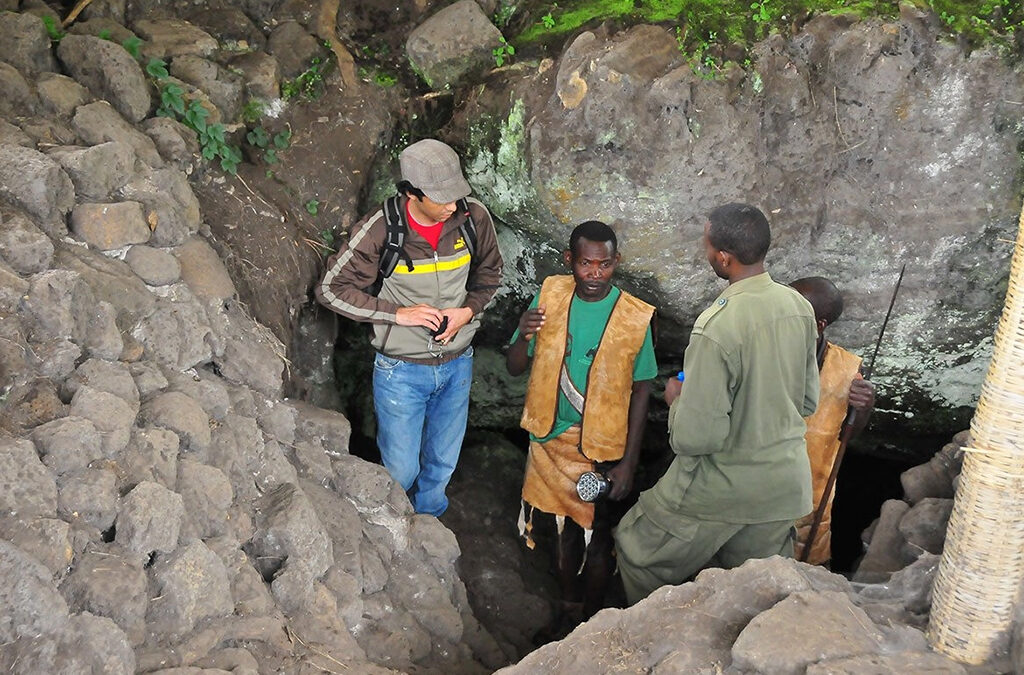
Mgahinga Gorilla National Park offers more than gorillas and volcanoes. Deep within this beautiful park lies a hidden treasure—the Garama Cave. This ancient cave tells a powerful story of Uganda’s Indigenous Batwa people. Once forest dwellers, the Batwa called this cave home before being relocated. Here, they planned raids and protected their families. Today, visitors walk through history during the Garama Cave Walk, led by Batwa guides. These guided walks allow you to witness how the Batwa lived, fought, and survived. Along the trail, traditional songs echo through the cave, adding life to the dark chambers. This experience blends nature, culture, and history into a single journey, offering lessons about a vanishing lifestyle.
The History of the Garama Cave
Garama Cave sits in the northern part of Mgahinga National Park. It lies 3 kilometers from Ntebeko. This spot once belonged to the dense forest. Over time, farming cleared the land around it. However, the cave remained intact. The Batwa used it for centuries as shelter and a meeting place.
They also used it as a hiding place after raiding nearby communities. These raids were common during conflicts with their agricultural neighbors, the Bantu. The cave’s location helped the Batwa plan and retreat without detection. It offered a perfect place to hide and protect their people.
Eventually, the Batwa lost access to their forest lands. They moved out of the Garama Cave. Despite their removal, the stories stayed alive through oral traditions and songs. Today, these tales help us understand their connection to this sacred place.
A Walk with Meaning and Stories
Guided walks to the Garama Cave now tell the Batwa’s story. The trail starts at the Ntebeko Visitor Centre. From there, you walk 3 kilometers to reach the cave entrance. The walk takes around four hours, depending on your pace.
Batwa guides lead the way. They explain how life unfolded in the forest. Their stories cover hunting, gathering, and survival strategies. Along the path, they share how the Batwa defended their land and used the cave for strategy.
At the cave, the air cools and darkens. Inside, it stretches 342 meters in length and 14 meters deep. The guide shows key spots within the cave. These include chambers once used for meetings and hideouts.
A Performance of Song and Spirit
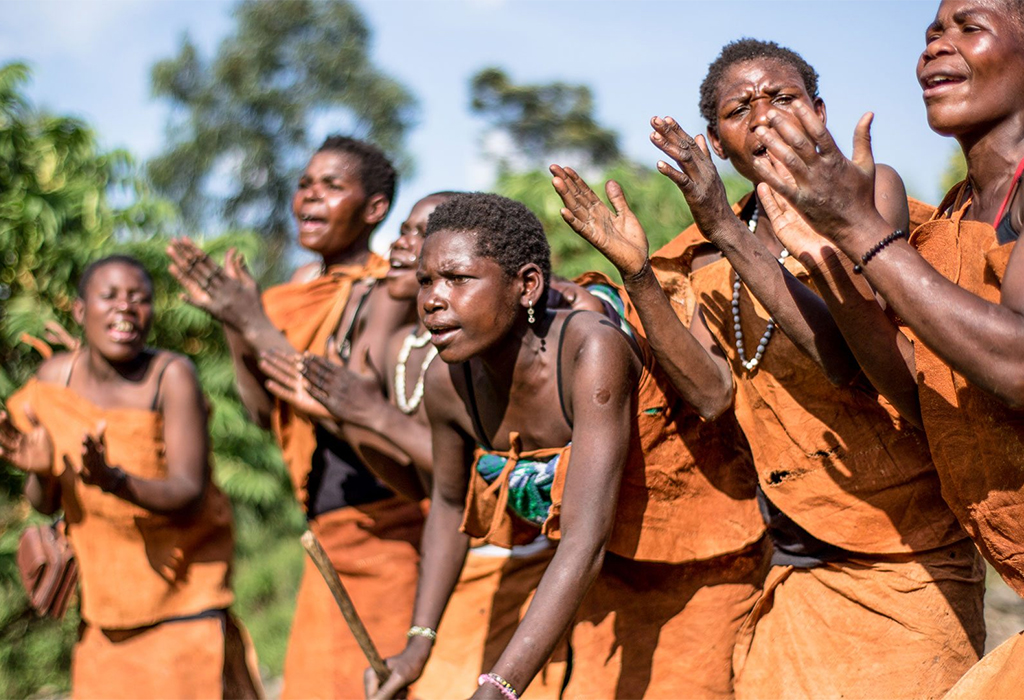 One of the trail’s highlights comes at the end. Inside the cave, Batwa women perform traditional songs. Their music honors ancestors and past warriors. The performance is haunting and powerful. Their voices echo through the stone walls, creating a moving atmosphere.
This part of the walk shows how music kept Batwa culture alive. Even after losing their land, they preserved their identity through rhythm and voice. The cave, once silent, now speaks again through their songs.
These performances go beyond entertainment. They teach and remind us of the Batwa’s deep forest connection. Their songs hold lessons, prayers, and memories. Every note reminds us of a people still fighting to keep their culture alive.
The Cave’s Features and Layout
Garama Cave remains one of the longest known caves in southwestern Uganda. Its entrance lies at the base of a small hill. A wooden ladder helps visitors climb to the mouth. Inside, you find different sections that once served different purposes.
Some parts stored food and weapons. Others gave shelter to families. The walls remain damp and dark, with bats now the only residents. However, the scent of history still lingers in every chamber.
The cave provides a cool escape from the tropical sun. You move carefully, guided by torchlight. Your guide shows you places where warriors once met to plan their moves. You might even spot carvings made by early inhabitants.
Viewing Platform and Scenic Views
Just 800 meters from the park gate lies a scenic viewpoint. You reach this area before beginning the main cave walk. It offers wide views of Mgahinga Gorilla National Park. On clear days, you see the volcanic peaks rising in the distance.
Birds call from treetops. Butterflies flutter near your feet. This point gives a full view of the ecosystem that once fed and sheltered the Batwa. You pause here to learn more from display panels placed at the site.
These panels explain the cave’s significance and the Batwa’s past lifestyle. This stop prepares you for the deeper cultural lessons ahead. It also gives photographers a perfect shot of the surrounding beauty.
Cultural Preservation Through Tourism
The Garama Cave Walk plays an important role in preserving Batwa culture. Each visitor helps support the Batwa families involved in the trail. Through this income, they fund schools, clinics, and cultural projects.
This tourism model respects tradition while providing support. It gives former forest dwellers a way to share their story with the world. As you walk with them, you become part of their journey toward dignity and recognition.
The walk also educates visitors. Many know little about the Batwa before coming. After the experience, they leave with a deep appreciation for their resilience and traditions.
When and How to Visit
The Garama Cave Walk is open throughout the year. Dry seasons offer the best walking conditions. These months fall between June to September and December to February. During these times, trails stay dry, and visibility improves.
Wear comfortable walking shoes. The trail involves some gentle climbs and uneven paths. Carry water, especially on sunny days. You also need a torch for cave exploration. Guides provide some lighting, but extra light helps with photos.
The walk begins at Ntebeko Gate. Arrive early in the morning for the best experience. You register at the park headquarters before starting. From there, guides lead your group along the marked trail.
Cost and Booking Details
This activity does not require a separate entry fee. It is often included with the Batwa Trail experience. However, you still need to pay park entrance fees for Mgahinga. Always confirm charges before your visit.
Tour operators and park officials assist with booking. Some tour packages include the Garama Cave Walk with other activities. These may involve gorilla trekking or volcano hiking. Combining them allows deeper exploration of the region.