
How to plan Gorilla Habituation Safari in Uganda
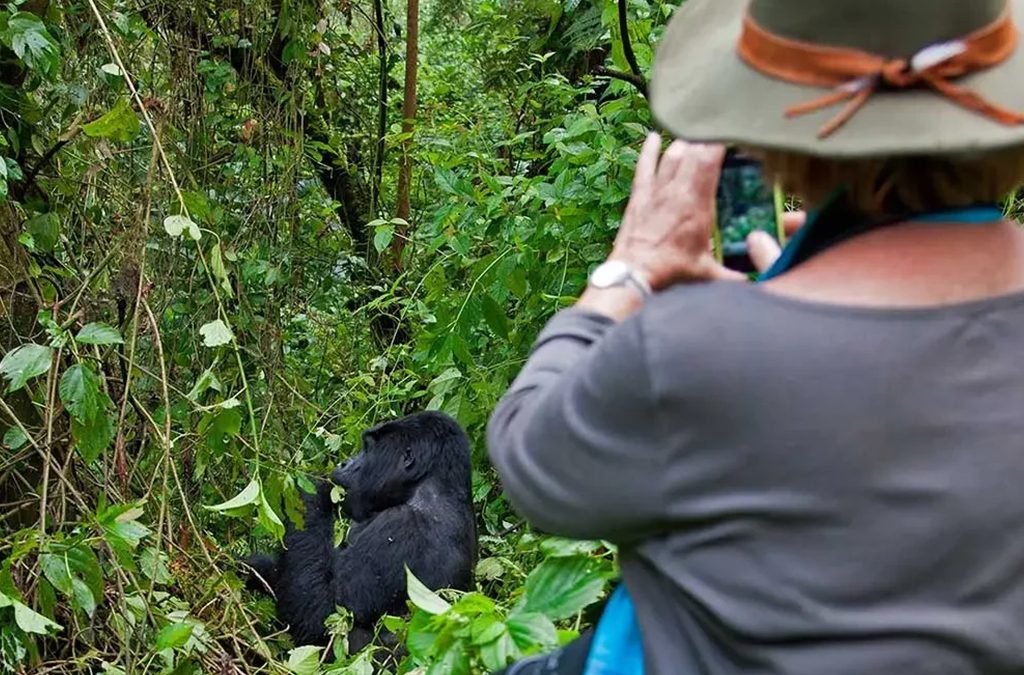
Planning Gorilla Habituation Safari in Uganda opens the door to one of the world’s most intimate wildlife encounters. As you step into the mist-covered slopes of Bwindi Impenetrable Forest National Park, you immediately sense the pulse of the forest. The air feels cool and earthy, the canopy glows green, and every path seems alive with mystery. This adventure pulls you closer to mountain gorillas than any standard trek, allowing you to spend up to four remarkable hours with a semi-habituated family. Instead of simply observing, you join researchers and rangers who guide these gentle giants toward accepting human presence. You move with the forest, you listen to its sounds, and you witness moments that feel raw and untouched. This safari lets you experience Uganda not just as a visitor, but as part of an unfolding conservation story.
What the Gorilla Habituation Experience Involves
Gorilla habituation takes place only in the Rushaga sector of southern Bwindi. Here, your day begins at dawn with a detailed briefing. Rangers explain forest behavior, gorilla signals, safety rules, and how the team works each day to build trust with the troop. You feel a growing sense of anticipation as the sun rises and the forest slowly comes alive.
Soon after, you step onto the trail with researchers, trackers, and guides. They walk ahead, studying footprints, broken leaves, and fresh droppings. They read the forest the way others read a map. Every sound matters; every trail tells a story. As you follow them, you notice the textures of the forest floor, the cool mist on your skin, and the layered calls of birds echoing through the trees. You feel like you are entering the gorillas’ private world.
During tracking, the team identifies nests from the previous night. You watch them examine vegetation and discuss the family’s movement. This is part of the experience—learning how experts understand a gorilla family’s rhythm. When the trackers finally locate the troop, the atmosphere instantly shifts from exploration to gentle focus. Rangers mimic gorilla grunts to show peace. They whisper instructions, reminding you to move slowly, keep your voice low, and respect the troop’s comfort.
Your four hours begin the moment the gorillas are found. You observe them feeding, climbing, resting, and interacting. Some may stay hidden if they are early in the habituation process. Others might sit in clear view, calmly chewing leaves or watching you with soft, curious eyes. Being close to a silverback or a playful juvenile makes you feel both humbled and privileged. You sense their strength, but also their gentleness.
Understanding the Habituation Process
Gorilla habituation takes two to three years, involving daily visits from researchers and rangers. They spend hours each day reducing the distance between themselves and the troop. Over time, the gorillas learn that humans mean no harm. However, early stages can involve mock charges or nervous behavior. The team manages these situations with calm expertise.
This long-term process protects gorillas from poaching and helps scientists study their behavior. It also supports tourism that funds conservation and strengthens local communities. When you join a habituation group, you directly support these efforts. You witness the extraordinary patience and dedication required to help a wild gorilla family feel safe around people.
Currently, the Bushaho and Bikingi families are undergoing habituation in Rushaga. Spending time with these families offers a deep, authentic look into their world. They remain completely wild, but gradually learn to live calmly near a small, respectful group of humans.
What You Do During the Experience
Your day begins much earlier than a standard gorilla trek. After the briefing, you hike alongside the habituation team. You watch as trackers cut paths through dense vegetation and communicate with soft calls. You hear the sound of machetes slicing vines and the gentle thud of footsteps on moist earth. This becomes your rhythm as you move deeper into Bwindi.
Once you reach the gorillas, the rangers continue to make soft gorilla sounds. They want the troop to recognize these noises and remain relaxed. The team shares stories about each family member—dominant silverbacks, protective mothers, playful juveniles, and shy individuals. These details make you feel like you’re meeting personalities rather than just observing animals.
If the troop is still early in habituation, some gorillas may keep their distance. This adds to the authenticity of the encounter. You experience a truly wild family, still cautious and learning to trust. If the troop is further along, you may enjoy very close, clear views. Either way, the experience feels real, emotional, and unforgettable.
Time, Fitness and Age Requirements
Although your permit grants up to four hours, some of this time is spent tracking from the night nests to the troop’s current location. These hikes can be long and physically demanding. The trails are often steep, muddy, and tangled with roots. You walk at a slow but steady pace, supported by rangers who guide your every step. Because of the terrain, reasonable fitness is required.
Hiring a porter is highly recommended. Porters offer steady support on slippery paths and carry your backpack with ease. Their help provides local employment and enhances your comfort.
Children under 15 are not allowed to join gorilla habituation for safety reasons.
Booking, Safety and Ethics
Only four permits are issued each day for habituation, so booking 4-6 months in advance through Uganda Wildlife Authority or Iconic Africa Safaris is essential. Permits cost about $1,500 per person and include park entry fees. The best time to go is during the dry seasons—June to August and December to February—when trails are firmer and visibility is better.
The experience is safe because you are always with trained professionals. Rangers read gorilla behavior instantly and know how to respond to any sign of discomfort. If a silverback beats his chest or a female grunts, the team gently guides you on how to react.
The activity is ethical because it follows strict conservation guidelines set by Uganda Wildlife Authority. The high permit fees support anti-poaching patrols, ranger salaries, community projects and habitat protection. While these apes remain wild, responsible tourism helps secure their future.
What to Wear and Bring
Bwindi’s terrain demands practical clothing. Wear long sleeves, long trousers, and dark-neutral colors like green, brown, or grey. These help you blend into the forest and protect you from scratches and insects. Strong, water-resistant hiking boots are essential.
Carry these items for comfort and safety:
- A small backpack with a waterproof cover
- Plenty of drinking water
- Packed lunch
- A warm jacket for the cold mornings
- A lightweight rain jacket (rain can fall anytime)
- Thick hiking socks
- Gardening-type gloves for gripping vines
- A hat and sunscreen
- Gaiters to keep mud out of your boots
- Trekking poles or a walking stick for slippery trails
With the right gear, your experience becomes smoother, more enjoyable, and safer.
Why this Experience Stays With You
A Gorilla Habituation Safari is not just a wildlife activity—it is a deeply emotional journey. You walk through silent valleys, hear the soft rustle of leaves, and suddenly see a giant silverback in the green shadows. You feel awe, respect, and connection in a way that few experiences can offer. The forest wraps around you, the gorillas move with natural grace, and every moment feels like a privilege.
By the end of the day, you leave with memories shaped by nature, conservation, and human dedication. Bwindi touches your heart, and the gorillas stay with you long after you step out of the forest.