
Budget Safari Uganda Cost
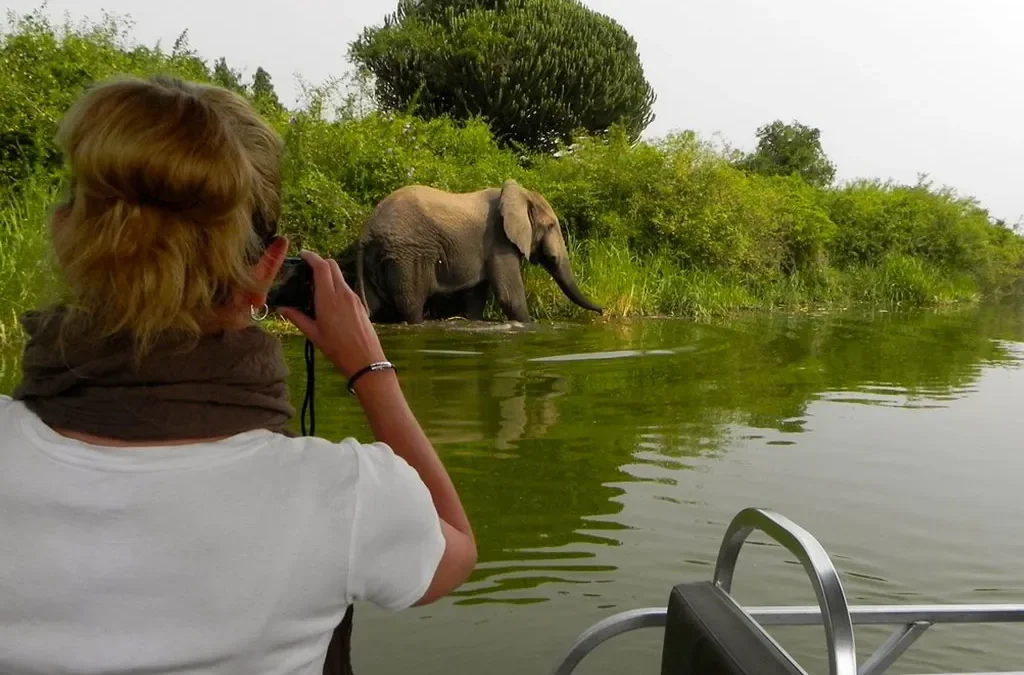
How Much Does a Budget Safari in Uganda Cost?
A budget safari in Uganda costs about $150 to $260 per person per day when travelling in a shared vehicle and staying in budget accommodation. This usually covers transport, a driver guide, lodging, meals, fuel, and park fees. Gorilla trekking is extra, with permits costing $600 to $800 per person for foreign non residents, depending on the season.
The total cost depends mainly on your safari length, accommodation, transport arrangement, number of travellers, and activities. Wildlife safaris without gorilla trekking are considerably cheaper because they do not require the expensive primate permit. Travelling as a group, choosing budget lodges, and visiting during low season can further reduce your overall safari cost.
Gorilla trekking costs more because the permit is charged separately from most safari expenses. Foreign non residents can pay $600 during low season or $800 during high season for a gorilla permit. This fixed permit can represent a large part of the total cost of a short budget safari.
The easiest ways to reduce your total safari cost are joining a group departure, choosing budget accommodation, travelling during low season, and selecting parks that are reasonably close together. Avoiding unnecessary long transfers can also reduce fuel costs while giving you more time for wildlife viewing and other activities.
Uganda Budget Safari Cost at a Glance
| Trip Length | Budget Cost Without Gorillas | Budget Cost With One Gorilla Permit |
|---|---|---|
| 3 days | $450 to $780 | $1,050 to $1,580 |
| 5 days | $750 to $1,300 | $1,350 to $2,100 |
| 7 days | $1,050 to $1,820 | $1,650 to $2,620 |
| 10 days | $1,500 to $2,600 | $2,100 to $3,400 |
Figures are per person and assume shared group travel, budget accommodation, and one gorilla permit at the $800 rate. A $600 low season permit can reduce the gorilla safari total by about $200 per person.
Budget Safari Uganda Cost Per Day
Most budget operators, including Iconic Africa Safaris, price a basic group safari at $150 to $260 per person per day. The daily rate usually combines the major costs travellers need for a comfortable safari, including shared transport, accommodation, meals, fuel, park entrance fees, and the services of an experienced driver guide.
A typical budget package can include:
• Transport and guiding: Shared 4×4 safari vehicles or vans with an experienced driver guide, fuel, and transportation between destinations.
• Accommodation and meals: Budget lodges, campsites, bandas, or guesthouses with breakfast, lunch, and dinner included.
• Park activities: Applicable park entrance fees, game drives, and UWA ranger support where required for specific activities.
Gorilla and chimpanzee permits, alcoholic drinks, international flights, travel insurance, visa costs, tips, and personal expenses are normally excluded. Solo travellers using a private vehicle should expect a higher daily rate, often around $220 to $320 per day, because vehicle and driver costs are not shared.
Your final daily price depends heavily on accommodation and transport choices. Campsites and bandas are usually cheaper than budget lodges, while shared vehicles reduce costs compared with private safari vehicles. Choosing an efficient route can also keep fuel and transfer expenses under control.
How Much Does a 3-Day Budget Safari Cost?
A 3-day budget safari is suitable for travellers with limited time who want a short wildlife trip or gorilla trekking experience. Depending on the itinerary, accommodation, transport arrangement, and activities included, the estimated cost is $450 to $780 without a gorilla permit or $1,050 to $1,580 with one gorilla permit.
• Without gorilla permit: Approximately $450 to $780 per person for a short wildlife safari using shared transport and budget accommodation.
• With gorilla permit: Approximately $1,050 to $1,580 per person, including one gorilla permit and the main safari costs.
A short gorilla safari is popular with travellers who have limited time in Uganda. Our 3-Day Uganda Gorilla Trekking Tour fits this type of itinerary, allowing travellers to combine transportation, accommodation, gorilla trekking, and return travel within three days.
How Much Does a 5-Day Budget Safari Cost?
A 5-day Uganda safari gives you more time to combine different experiences without making every day feel rushed. You can combine gorilla trekking with a wildlife park or choose a traditional wildlife route covering destinations such as Queen Elizabeth National Park, Lake Mburo, or Murchison Falls National Park.
• Without gorilla permit: Approximately $750 to $1,300 per person, depending on accommodation, route, group size, and activities included.
• With gorilla permit: Approximately $1,350 to $2,100 per person, including one gorilla permit and the main safari arrangements.
Our 5-Days Gorillas and Game Safari and 5-Days Gorillas and Chimpanzees Safari provide examples of how travellers can combine several experiences within five days. These trips can offer good value when the itinerary is planned efficiently and accommodation is selected according to your budget.
How Much Does a 7-Day Budget Safari Cost?
A 7-day budget safari provides enough time to combine Uganda’s primates and wildlife without packing too many activities into each day. A typical route could include Bwindi, Queen Elizabeth National Park, and Kibale National Park, although the exact combination depends on your interests and preferred travel pace.
• Without gorilla permit: Approximately $1,050 to $1,820 per person, depending on the route, accommodation, vehicle arrangement, and activities.
• With gorilla permit: Approximately $1,650 to $2,620 per person, including one gorilla permit and standard safari costs.
A seven day itinerary is particularly useful for travellers who want gorillas, tree climbing lions, elephants, hippos, and a Kazinga Channel boat cruise. With careful route planning, you can experience several highlights without spending unnecessary time travelling between distant destinations.
How Much Does a 10-Day Budget Safari Cost?
A 10-day budget safari allows you to explore several major wildlife and primate destinations at a more relaxed pace. You can combine Bwindi with Queen Elizabeth, Murchison Falls, Lake Mburo, Kibale, or other destinations depending on your interests, available budget, and preferred travel route.
• Without gorilla permit: Approximately $1,500 to $2,600 per person, depending on accommodation, transport, activities, and group size.
• With gorilla permit: Approximately $2,100 to $3,400 per person, including one gorilla permit and the main safari expenses.
Travellers can add a second primate experience during a longer safari. Chimpanzee trekking is around $250, while another gorilla permit can cost $600 to $800 depending on the applicable category and season. Adding permits increases the price but creates a broader primate focused itinerary.
What Is Included in a Budget Uganda Safari?
A standard budget package from Iconic Africa Safaris normally combines the essential services required for a comfortable Uganda safari. Budget does not mean removing important services or compromising basic safety. It mainly means choosing simpler accommodation, shared transport, and practical itinerary arrangements that keep the overall price manageable.
A typical package can include:
• Safari transport: Ground transportation in a properly equipped safari vehicle with fuel included throughout the itinerary.
• Professional guiding: An English speaking driver guide accompanying you during transfers and safari activities.
• Accommodation: Budget bandas, campsites, guesthouses, and basic lodges selected according to your route and preferences.
• Meals: Breakfast, lunch, and dinner according to the agreed meal plan.
• Park fees: Applicable national park entrance fees for destinations included in your itinerary.
• Safari services: Game drives, airport or hotel transfers, and bottled drinking water during transfers and drives.
Budget accommodation and shared transport help lower the price while maintaining the core safari experience. Reputable operators should still use maintained vehicles, experienced drivers, and qualified guides. Always confirm the inclusions before paying because different operators may use different definitions of a budget safari package.
What Is Not Included?
Budget safari quotations do not always include every expense you may encounter before and during your trip. The excluded costs can make a significant difference to your final budget, particularly when you are comparing several operators. Always request a detailed quotation showing exactly what is included and excluded.
Common exclusions include:
• Permits: Gorilla and chimpanzee trekking permits are normally charged separately because they are major fixed costs.
• International travel: Flights, Uganda visa costs, travel insurance, and other international travel expenses are usually excluded.
• Personal expenses: Tips, alcoholic drinks, laundry, souvenirs, and personal purchases are normally paid separately.
• Optional activities: Experiences not included in the agreed itinerary may require additional payment.
When comparing safari quotations, check whether park fees, permits, meals, accommodation, transport, and activities are already included. A very cheap advertised price may become considerably higher after important costs are added later, so the cheapest headline price is not always the best overall value.
Budget Accommodation in Uganda
Budget accommodation around Uganda’s national parks generally costs about $30 to $80 per night, although prices vary by location, season, facilities, and room type. Travellers can choose from campsites, bandas, guesthouses, and basic lodges, allowing them to match accommodation standards with their available safari budget.
• Campsites: Around $10 to $25 per night, usually offering a tent pitch and shared bathroom facilities.
• Bandas and guesthouses: Around $30 to $60 per night, with simple rooms and either private or shared bathrooms.
• Budget lodges: Around $50 to $80 per night, often offering private bathrooms, electricity, and hot water.
Community run bandas near Bwindi and Lake Mburo can provide particularly good value while supporting nearby communities. Before booking, confirm whether your room has a private bathroom, hot water, electricity, and meals. These details can make a noticeable difference to comfort during a multi day safari.
Budget Safari Transport
Ground transport is usually one of the largest components of a Uganda safari budget because the country has long distances between several major parks. Your transport choice affects both the daily price and overall comfort, particularly when travelling between Entebbe, Bwindi, Queen Elizabeth, Kibale, Murchison Falls, and other destinations.
• Shared group safari vehicle: Usually the cheapest option because vehicle, fuel, and driver costs are divided among travellers.
• Private safari vehicle: Often costs around $100 to $180 per day, depending on vehicle type, route, and arrangement.
• Self drive 4×4: Can cost around $50 to $70 per day before fuel, park fees, and other expenses.
• Public transport: Cheaper for reaching towns but generally unsuitable for game drives and remote park areas.
Road distances can take longer than expected because of mountain roads, dirt tracks, traffic, and changing park conditions. A well planned itinerary allows sufficient time for transfers instead of combining long journeys with too many activities on the same day.
Uganda National Park Fees
Uganda Wildlife Authority entrance fees are an important part of your safari budget because most wildlife itineraries visit one or more national parks. For foreign non residents, commonly used 2026 rates include the following amounts, although travellers should confirm the current UWA tariff before booking because government fees can change.
| National Park | Entrance Fee Per 24 Hours | Notes |
|---|---|---|
| Murchison Falls National Park | $45 | Boat cruise and some activities cost extra |
| Queen Elizabeth National Park | $40 | Kazinga Channel activities cost extra |
| Kibale National Park | $40 | Chimp trekking permit charged separately |
| Lake Mburo National Park | $40 | Good value for general wildlife |
| Kidepo Valley National Park | $40 | Remote park with fewer visitors |
| Bwindi Impenetrable National Park | Included in gorilla permit | No separate entrance fee for gorilla trekking |
Optional activities normally have separate charges. A Kazinga Channel boat cruise or Nile boat trip can add to the safari budget, but these activities often provide excellent opportunities to see hippos, crocodiles, elephants, birds, and other wildlife from the water.
UWA fees can change, so confirm the latest rates before booking. Your tour operator should provide a quotation showing which park fees and activities are included, helping you understand the real cost before making a deposit.
Gorilla Trekking on a Budget
Gorilla permits are the largest fixed cost on most budget gorilla safaris in Uganda. While the permit itself cannot normally be negotiated, you can reduce the total trip cost by choosing budget accommodation, joining a group safari, selecting efficient transport routes, and travelling during an applicable low season.
• Foreign non resident permit: $800 in high season and $600 in low season.
• Foreign resident permit: $700 in high season and $500 in low season.
• East African citizen permit: Around $80, subject to the applicable UWA category and current tariff.
• Booking arrangements: An operator may include a service or booking charge depending on the quotation and payment arrangement.
Travelling during April, May, and November can save a foreign non resident traveller about $200 per person on the gorilla permit when the low season rate applies. These months can also bring lower accommodation prices, making them worth considering for flexible travellers.
Budget tip: If your dates are flexible, low season can provide one of the biggest single savings available on a Uganda gorilla safari. Combining the lower permit price with budget accommodation and shared transport can make a short gorilla trip significantly more affordable.
Cheapest National Parks for a Uganda Safari
Travellers mainly interested in wildlife can choose parks that provide strong experiences without the additional cost of a gorilla permit. Lake Mburo, Queen Elizabeth, and Kibale are useful options because they offer different wildlife and primate experiences while allowing you to build an itinerary around your available time and budget.
- Lake Mburo National Park: One of the closest parks to Kampala and Entebbe, making it useful for short safaris. It also offers walking and cycling activities alongside traditional game drives, providing several ways to explore without spending many days on the road.
- Queen Elizabeth National Park: A strong choice for wildlife viewing, with opportunities to see elephants, buffalo, hippos, lions, and other species. The Kazinga Channel boat cruise adds another experience and can make a two or three day safari more varied.
- Kibale National Park: A good choice for travellers interested in chimpanzees and forest experiences. Although chimpanzee trekking requires a separate permit, it remains a different and often more affordable primate experience than gorilla trekking.
Murchison Falls vs Queen Elizabeth vs Lake Mburo for Budget Safaris
| Factor | Murchison Falls | Queen Elizabeth | Lake Mburo |
|---|---|---|---|
| Entrance fee | $45 | $40 | $40 |
| Distance from Entebbe | About 5 to 6 hours | About 7 to 8 hours | About 3 to 4 hours |
| Best for | Big game and Nile boat cruise | Wildlife and tree climbing lions | Short, affordable safari |
| Budget verdict | Great value | Excellent overall value | Cheapest and easiest to reach |
For a strict budget safari with limited time, Lake Mburo National Park is one of the easiest parks to add because of its relatively short distance from Kampala and Entebbe. Travellers with more time can choose Queen Elizabeth or Murchison Falls for broader wildlife experiences and longer safari routes.
How to Make a Uganda Safari Cheaper
There are several practical ways to reduce the cost of a Uganda safari without removing the main experiences. The biggest savings usually come from sharing transport, choosing simpler accommodation, travelling during low season, and planning a route that avoids unnecessary backtracking between distant destinations.
• Travel in low season: April, May, and November can offer lower gorilla permit and accommodation prices.
• Join a scheduled group departure: Sharing vehicle and guide costs can significantly reduce the price for solo travellers and couples.
• Choose nearby parks: Lake Mburo can reduce driving time and fuel costs compared with remote destinations.
• Choose one primate experience: If your budget is tight, select either gorilla or chimpanzee trekking.
• Stay in bandas and campsites: These options provide cheaper accommodation near several national parks.
• Combine nearby destinations: Grouping parks along an efficient route reduces unnecessary driving and fuel costs.
Best Time for a Cheap Uganda Safari
April, May, and November are among the more affordable months for a Uganda safari. During these periods, the foreign non resident gorilla permit can drop from $800 to $600, creating a potential $200 saving before considering accommodation and other seasonal discounts.
Accommodation may also be cheaper, and some safari operators offer special low season rates. The main tradeoff is wetter weather and muddier trekking trails. If you have flexible travel dates and your priority is reducing the overall safari cost, these months are worth considering.
Budget Uganda Safari for Solo Travellers
Solo travellers usually get the best value by joining a scheduled group departure. Sharing the safari vehicle, fuel, and driver guide costs with other travellers can reduce the daily price to roughly $150 to $220 per person, depending on the itinerary, accommodation, and activities included.
A private solo safari can cost around $220 to $320 per day because one traveller carries most of the vehicle and guide expenses. Single room supplements may also apply, so ask your operator whether accommodation is priced per person or per room when comparing quotations.
Budget Uganda Safari for Couples
Couples can often find good value through either a small group safari or a private budget itinerary. A private budget safari may cost approximately $180 to $260 per person per day, depending on accommodation, route, vehicle arrangement, and included activities.
Sharing a safari vehicle allows couples to divide transport and guide costs between two people. Budget bandas and guesthouses can also provide good value because couples normally share one room. Choosing a practical route can further reduce fuel and transfer expenses.
Budget Uganda Safari for Families
Families travelling with children should plan carefully around age restrictions and the suitability of different activities. Gorilla trekking is generally restricted to visitors aged 15 and above, so families with younger children need alternative activities and destinations when designing their safari.
Families with younger children can focus on Queen Elizabeth, Murchison Falls, Lake Mburo, boat cruises, nature walks, and other suitable activities. A private vehicle is often more comfortable because the itinerary can be adjusted around children’s needs, meal times, rest periods, and preferred travel distances.
Sample Budget Uganda Safari Itineraries
3-Day Budget Sample: Bwindi Gorilla Trekking
Day 1: Depart Entebbe or Kampala early morning for Bwindi Impenetrable National Park. The journey takes roughly 8 to 9 hours with stops. Arrive in the evening for dinner and an overnight stay in a budget banda near the trailhead.
Day 2: Attend the morning briefing before gorilla trekking with a UWA ranger team. Trekking can take several hours depending on the location of the gorilla family. Spend the afternoon resting or joining an optional Batwa cultural experience.
Day 3: Return to Entebbe or Kampala, with arrival generally expected in the evening depending on road conditions, traffic, stops, and the exact starting location.
Estimated cost: $1,050 to $1,580 per person, including one gorilla permit.
5-Day Budget Sample: Gorillas and Game
- Day 1: Travel from Entebbe toward Lake Mburo National Park, with a game drive or wildlife viewing opportunity depending on arrival time and the agreed itinerary.
- Day 2: Enjoy Lake Mburo activities before continuing toward Bwindi. The route allows travellers to combine a wildlife experience with the gorilla trekking portion of the safari.
- Day 3: Arrive in Bwindi, settle into your budget accommodation, rest after the journey, and attend the briefing arrangements required for the following day’s gorilla trek.
- Day 4: Complete your gorilla trekking experience in Bwindi with the ranger team, then return to the lodge for rest and an optional community activity.
- Day 5: Begin the return journey to Entebbe, Kampala, or another agreed drop off point, depending on your onward travel arrangements.
Estimated cost: $1,350 to $2,100 per person.
7-Day Budget Sample: Bwindi, Queen Elizabeth and Kibale
- Day 1: Travel from Entebbe toward Queen Elizabeth National Park, arriving in time for an evening activity or rest depending on the journey and road conditions.
- Day 2: Enjoy a morning game drive followed by an afternoon Kazinga Channel boat cruise, providing opportunities to see elephants, buffalo, hippos, crocodiles, birds, and other wildlife.
- Day 3: Transfer toward Bwindi through the Ishasha sector, where travellers may have an opportunity to search for the famous tree climbing lions before continuing toward the forest.
- Day 4: Complete your gorilla trekking experience in Bwindi after the morning briefing. Trek duration varies depending on the location and movement of the gorilla family.
- Day 5: Transfer toward the Kibale area, enjoying scenery and communities along the route before settling into your accommodation for the night.
- Day 6: Take part in chimpanzee trekking in Kibale National Park with the relevant ranger team and enjoy the forest experience.
- Day 7: Begin the return journey to Entebbe, with the final arrival time depending on road conditions, stops, and your selected accommodation location.
Estimated cost: $1,650 to $2,620 per person, including one gorilla permit and one chimpanzee permit.
10-Day Budget Sample: Bwindi, Queen Elizabeth and Murchison Falls
Days 1 to 2: Travel from Entebbe toward Murchison Falls National Park, followed by game drives and a Nile boat cruise toward the base of the falls. This section provides opportunities to see elephants, giraffes, buffalo, hippos, crocodiles, and many bird species.
Days 3 to 4: Continue south toward Queen Elizabeth National Park. Enjoy game drives and a Kazinga Channel cruise, giving you opportunities to explore both the park’s savannah and its wildlife rich waterways.
Day 5: Visit the Ishasha sector in search of tree climbing lions before continuing toward Bwindi. The timing depends on road conditions, wildlife sightings, and the selected accommodation.
Day 6: Complete your gorilla trekking experience in Bwindi with the UWA ranger team. Trekking time varies according to the gorilla family’s location and movement.
Day 7: Enjoy a rest day or optional community walk around Bwindi. This creates a slower pace after trekking and provides time to enjoy the forest environment.
Days 8 to 9: Travel toward Lake Mburo, with a wildlife drive or nature walk depending on your selected route and available time.
Day 10: Return to Entebbe for your onward flight or hotel drop off, allowing sufficient travel time for road conditions and airport requirements.
Estimated cost: $2,100 to $3,400 per person, including one gorilla permit.
Contact Iconic Africa Safaris to tailor any of these itineraries around your travel dates, group size, preferred accommodation, activities, and available budget. A customized quotation can also help you compare shared and private transport options before making your final booking decision.
Frequently Asked Questions about the Budget Safari Uganda Cost
Is a budget safari in Uganda safe?
Yes. Budget mainly refers to accommodation, transport, and overall travel style rather than safety. A reputable operator should provide experienced drivers, maintained safari vehicles, qualified guides, and appropriate park arrangements. Choosing cheaper accommodation should not mean accepting poor safety standards or unreliable transport.
What is the cheapest way to see gorillas in Uganda?
Travelling during low season in April, May, or November can reduce the foreign non resident gorilla permit from $800 to $600 when the applicable low season rate is available. Joining a group safari and choosing budget accommodation can further reduce the remaining transport and lodging costs.
How much should I budget per day for a basic Uganda safari?
Plan for approximately $150 to $260 per person per day for a shared budget safari. This normally covers transport, accommodation, meals, fuel, and applicable park entrance fees. Gorilla and chimpanzee permits are usually excluded because they are separate fixed costs that can significantly change the final safari price.
Do budget safaris include park fees?
Most complete budget safari packages include national park entrance fees for the parks listed in your itinerary. Gorilla and chimpanzee permits are normally shown separately because they are major fixed expenses. Always check your quotation carefully to confirm which entrance fees, activities, permits, and other costs have already been included.
Can I do a budget safari without gorilla trekking?
Absolutely. Queen Elizabeth, Murchison Falls, and Lake Mburo provide excellent wildlife experiences without the additional cost of a gorilla permit. A traditional wildlife safari can therefore fit more easily into a smaller budget, especially when travellers use shared transport and choose campsites, bandas, or other budget accommodation.
How far in advance should I book a budget gorilla safari?
For high season travel, booking several months ahead is sensible because gorilla permits are limited and popular dates can sell out. Low season dates may offer more flexibility, but early booking remains useful when your travel dates, preferred trekking sector, accommodation, or flight schedule are already fixed.
Is it cheaper to book directly with a local operator than through an international agency?
It can be, although prices depend on the services and inclusions provided. A Uganda based operator may arrange transport, accommodation, permits, and guides locally. Compare complete quotations rather than choosing only the lowest advertised price because two similar looking packages may contain very different accommodation standards, activities, transport arrangements, and exclusions.
Do I need a visa, and does it add much to the budget?
Most international travellers need a Uganda visa, which is an additional travel expense separate from the safari quotation. Your overall travel budget should also allow for international flights, insurance, personal spending, tips, and any required health related expenses. Check the current entry requirements before travelling because requirements can change.
Can I negotiate the price of a budget safari package?
Government charges such as national park entrance fees and gorilla permits are generally fixed according to the applicable tariff. Ground costs may have more flexibility, particularly for groups, longer safaris, low season travel, and different accommodation choices. Asking for alternative accommodation or transport arrangements can sometimes reduce the total quotation.
What vaccinations or health costs should I budget for?
Travellers should research Uganda’s current entry requirements and speak with a qualified travel health provider before departure. Include travel insurance and any recommended vaccinations, medicines, or health consultations in your overall travel budget. These costs vary between travellers, so they are best treated as separate personal expenses rather than fixed safari costs.
Ready to Plan Your Budget Uganda Safari?
Contact Iconic Africa Safaris at info@iconicafricasafaris.com or through booking form or through whatsapp for a tailored quotation. Your safari can be adjusted around your travel dates, group size, preferred accommodation, activities, and available budget, helping you choose a practical itinerary without paying for services you do not need.