
Top Five Primates to See on an East African Safari
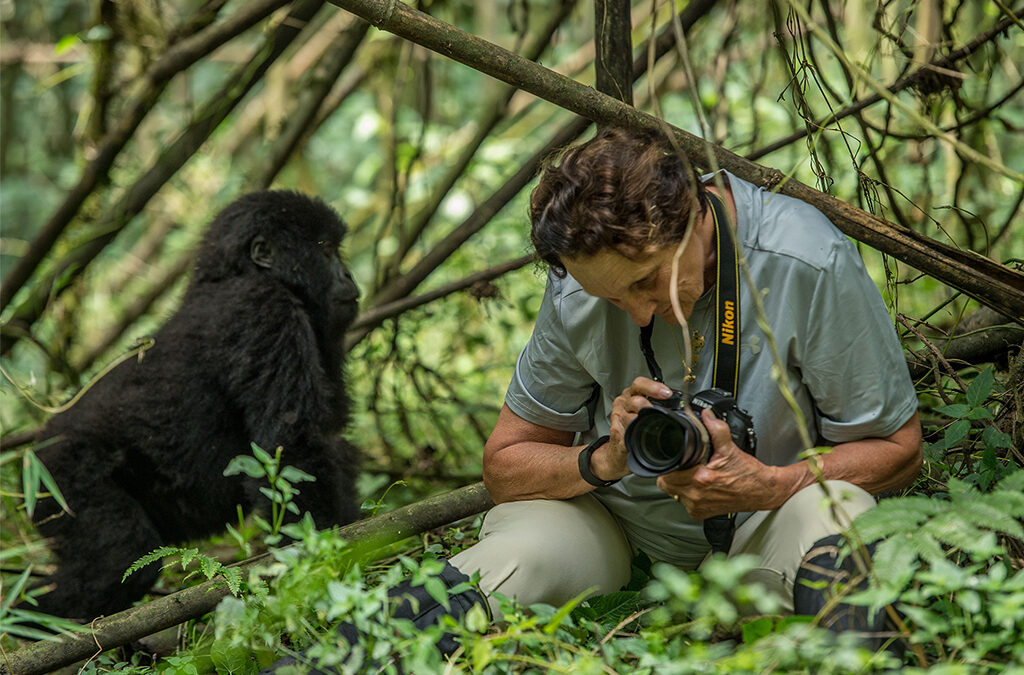
Top Five Primates to See on East African Safari are fascinating creatures that live in lush forests. Travelers can observe mountain gorillas, chimpanzees, golden monkeys, black and white colobus monkeys, and vervet monkeys in their natural habitats. These primates display unique behaviors, making them exciting to watch. Uganda, Rwanda, and DR Congo provide excellent locations for seeing them. Conservation efforts help protect these species, ensuring their survival. Watching primates in the wild supports conservation and provides an enriching experience. Knowing the best places and times to visit increases the chances of sighting them. Each species thrives in specific regions, offering different viewing opportunities.
Mountain Gorillas
Mountain gorillas remain the most sought-after primates in East Africa. These gentle giants live in dense forests and move in family groups. Uganda’s Bwindi Impenetrable Forest and Mgahinga Gorilla National Park protect several groups. Rwanda’s Volcanoes National Park and DR Congo’s Virunga National Park also offer mountain gorilla trekking. These primates feed on leaves, stems, and fruits found in the forests.
Trained rangers guide visitors through thick vegetation to locate the gorillas. Rangers track their movements daily, making sightings more predictable. Watching these massive apes interact provides an incredible experience. The dominant silverback leads the group and ensures their safety. Permits are required to visit mountain gorillas, with costs varying by country.
Chimpanzees
 Chimpanzees share about 98% of their DNA with humans, making them highly intelligent. They use tools, display emotions, and live in large communities. Uganda has several places to see these playful primates. Kibale Forest National Park, Budongo Forest, and Kyambura Gorge host significant populations. Rwanda’s Nyungwe Forest National Park and Gishwati-Mukura National Park also offer chimpanzee tracking.
Chimpanzees swing through trees and move in groups. Observing them offers a glimpse into their complex social behaviors. They groom each other, communicate with gestures, and hunt small animals. Guided treks take visitors deep into the forests where chimpanzees live. Unlike gorillas, chimpanzees move fast, making tracking more active. Their vocalizations fill the forest, creating an exciting atmosphere.
Golden Monkeys
 Golden monkeys stand out with their bright golden-orange fur. These small primates live in high-altitude forests, feeding mainly on bamboo. They reside in Rwanda’s Volcanoes National Park and Uganda’s Mgahinga Gorilla National Park. Their striking colors make them easy to recognize.
Golden monkeys move in lively troops, leaping between bamboo stems. Unlike other primates, they remain active during the day, making sightings frequent. Watching them play and interact adds excitement to any safari. Since they are less elusive than gorillas and chimpanzees, visitors often see them in open spaces. Golden monkey trekking requires a permit, but the cost remains lower than gorilla tracking.
Black and White Colobus Monkeys
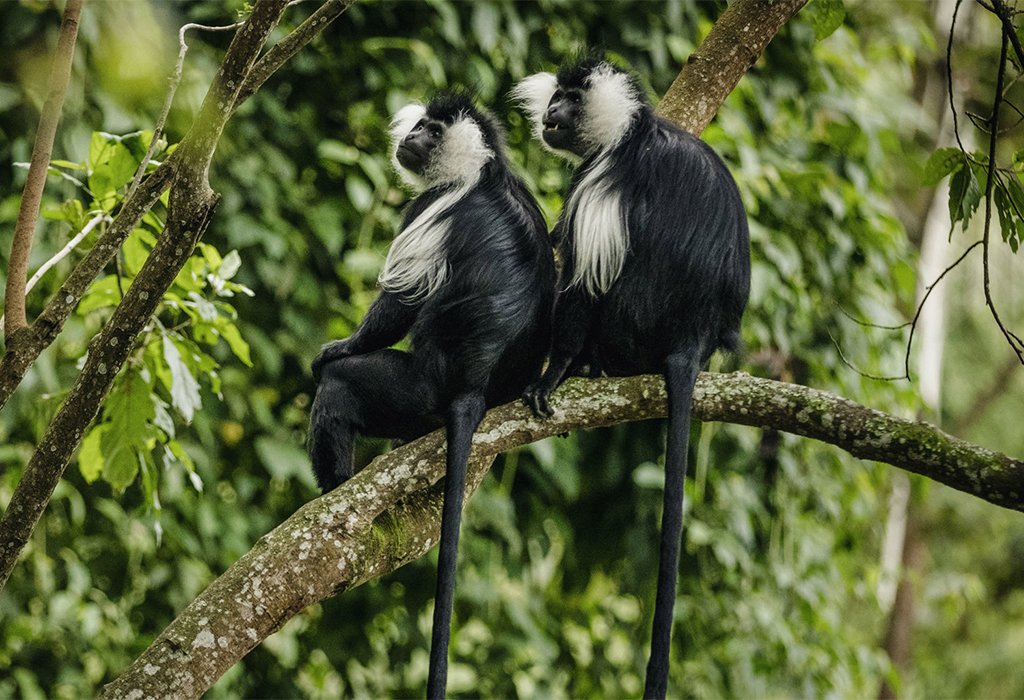 Black and white colobus monkeys have distinctive long, flowing fur. They lack thumbs but use their strong limbs for climbing. They live in Uganda’s Kibale National Park, Budongo Forest, and Rwanda’s Nyungwe Forest National Park. These monkeys prefer staying high in the tree canopy.
Their diet consists of leaves, flowers, and unripe fruits. Unlike chimpanzees, they do not descend often, making observation slightly challenging. However, their bold black-and-white contrast makes them easy to spot. They move gracefully from branch to branch, using their tails for balance. Guided forest walks provide a chance to see these beautiful monkeys. They travel in small groups, making them quieter than other primates.
Vervet Monkeys
 Vervet monkeys are small, black-faced primates common across East Africa. They live in national parks, along roadsides, and near human settlements. Unlike forest-dwelling species, vervet monkeys adapt to various environments.
They feed on fruits, seeds, and insects, often raiding farms for food. Their playful nature makes them entertaining to watch. They live in large troops and communicate through different calls. Travelers often see them jumping between trees or sitting along roads. Their adaptability allows them to thrive in both wild and urban areas. Unlike other primates, vervet monkeys do not require guided tracking.
Cost of Mountain Gorilla, Chimpanzee, and Golden Monkey Permits
Primate trekking requires permits, with prices varying by country. Mountain gorilla permits remain the most expensive. In Uganda, a gorilla permit costs $800 per person. Rwanda charges $1,500 per person, while DR Congo offers permits at $450. These fees support conservation and community projects.
Chimpanzee tracking permits cost less. In Uganda, Kibale Forest permits cost $250, while Kyambura Gorge permits go for $100. Rwanda’s Nyungwe Forest chimpanzee trekking permits cost $150 USD per person for international visitors, $75 USD for foreign residents, and $25 USD for Rwandan/East African citizens
Golden monkey trekking permits remain the most affordable. In Uganda, permits cost $100 per person. Rwanda’s golden monkey permits cost $100 as well. This makes golden monkey tracking a budget-friendly option for primate enthusiasts.
Best Time to See Primates in East Africa
East Africa offers primate safaris throughout the year. However, certain months provide better conditions. The dry seasons, from June to September and December to February, offer the best trekking experiences. Trails remain dry, making movement easier. Visibility also improves since thick vegetation reduces during these months.
During the rainy seasons, from March to May and October to November, trekking becomes more challenging. However, these months offer lush landscapes and fewer tourists. Some travelers prefer this period for a more private experience. Rain makes forest trails slippery, but primates remain active throughout the year.
Planning a primate safari requires considering weather, permit costs, and availability. Booking permits early ensures a smooth experience, especially during peak months. No matter the season, East Africa’s forests promise incredible primate encounters. Each trek brings a chance to witness rare behaviors and connect with nature.