
How to Capture the Perfect Gorilla Trekking Photo
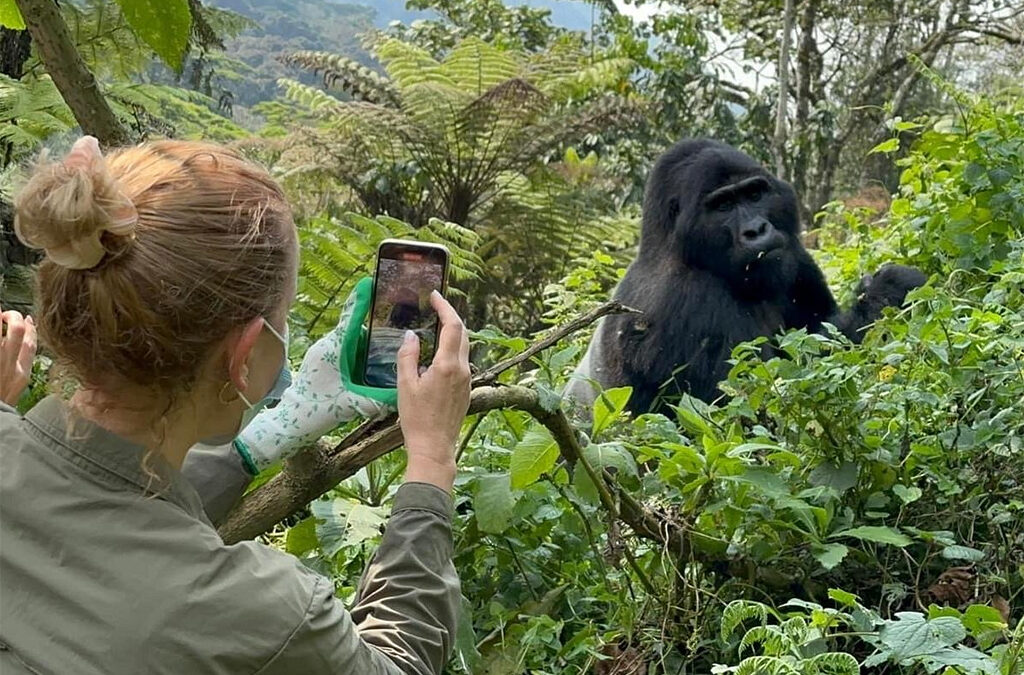
Capturing the perfect gorilla trekking photo requires skill, patience, and a good understanding of photography techniques. Gorillas in Uganda and Rwanda live in dense forests, making it challenging to take clear shots. Their unpredictable behavior adds to the difficulty. However, with the right approach, you can capture stunning images that showcase their beauty and character.
Photographing gorillas requires preparation and practice. You need to understand their movements and expressions to create captivating shots. The forest environment often presents lighting challenges, but adjusting camera settings helps achieve excellent results. A well-composed image tells a story about the gorilla’s life and its surroundings.
Using the correct equipment improves the quality of your photos. A telephoto lens allows you to capture detailed shots from a distance. A wide aperture creates a beautiful background blur that enhances the subject. Getting close and focusing on the eyes brings out emotions in your photos. Here are nine essential tips to help you take incredible gorilla trekking photos in Uganda and Rwanda.
Get Low for More Intimate Shots
Lowering your camera position improves the quality of your gorilla portraits. Sitting or kneeling brings you to the gorilla’s eye level, making the photos feel more personal. This technique helps capture their raw expressions, creating a connection between the subject and the viewer.
Lying down provides a different perspective, but the dense forest makes it impractical. Limited space during trekking means staying mobile while ensuring the best angles. Finding a good position helps frame the gorilla naturally within the environment. Taking shots from a lower angle emphasizes the gorilla’s size and presence, making the photo more impactful.
Use a Wide Aperture for Stunning Effects
A wide aperture blurs the background, making the gorilla the main focus. This technique enhances the image by removing distractions. An aperture setting of f/2.8 works well for wildlife photography. It isolates the subject while adding a soft, dreamy effect to the surroundings.
The aperture determines how much light enters the camera. A wider setting brightens the image and creates a shallow depth of field. This effect highlights the gorilla and makes its features stand out. Leaves and vines in the background become colorful smudges, adding to the artistic feel of the shot. Adjusting the aperture correctly improves the overall quality of your photos.
Focus on Their Eyes for Expressive Shots
A gorilla’s eyes reveal emotion, making them the most important part of a portrait. Focusing on the eyes adds depth and life to the image. A sharp eye focus creates an instant connection between the viewer and the subject.
Natural light enhances the effect of eye focus. Positioning yourself so sunlight hits the gorilla’s face at a 45-degree angle creates a balance of light and shadow. This technique helps capture catchlights, which add brightness and depth to the eyes. Soft lighting conditions, such as cloudy weather, also work well. Avoid harsh sunlight, as it may create shadows that hide important details.
Simplify the Background to Reduce Distractions
A clean background makes the gorilla the main focus of the photo. Cluttered surroundings distract the viewer from the subject. Finding an angle that eliminates unnecessary elements improves composition.
Including the environment in the shot provides context. A well-balanced background shows how gorillas interact with their habitat. Positioning the gorilla slightly off-center creates a natural and visually appealing composition. Watching the gorilla’s movements and adjusting your angle ensures a balanced and effective frame.
Use a Telephoto Lens for Detailed Close-Ups
A telephoto lens helps capture detailed shots without getting too close. This type of lens allows you to photograph gorillas from a safe distance. It also reduces background distractions and keeps the focus on the subject.
A shallow depth of field created by a telephoto lens enhances portrait photography. This effect blurs the background, making the gorilla stand out. When photographing silverbacks, a telephoto lens captures their facial details and expressions with clarity. Using this equipment ensures better quality images without disturbing the gorillas.
Adjust ISO Settings for Proper Exposure
Lighting conditions in the forest change constantly. Adjusting your camera’s ISO setting helps maintain proper exposure. A higher ISO setting brightens the image in low-light conditions.
However, too much ISO introduces noise, reducing image quality. Finding a balance between ISO, aperture, and shutter speed ensures well-exposed photos. Testing different settings before the trek helps determine the ideal combination. Using automatic ISO with a set limit prevents excessive noise while keeping the images bright.
Capture Natural Behaviors for Storytelling
Photographing gorillas in action tells a story about their lives. Observing their behaviors helps you anticipate interesting moments. Capturing interactions, such as feeding or playing, adds meaning to the image.
Patience plays a key role in wildlife photography. Waiting for the right moment increases the chances of getting a unique shot. Avoid rushing to take pictures, as this may result in missed opportunities. Observing gorillas for a few minutes before shooting helps understand their movements and expressions.
Avoid Using Flash to Prevent Disturbance
Flash photography disturbs gorillas and is not allowed during treks. Bright light startles them, making them uncomfortable. Instead, rely on natural light and adjust camera settings accordingly.
Using a wide aperture and high ISO compensates for low-light conditions. A slower shutter speed allows more light into the camera. These adjustments help capture well-lit photos without the need for artificial lighting. Ensuring proper exposure before shooting improves the quality of your images.
Take Multiple Shots for the Best Results
Gorillas move frequently, making it difficult to capture the perfect shot in one attempt. Taking multiple photos increases the chances of getting a well-composed image. Using burst mode helps capture different expressions and actions.
Reviewing photos after the trek helps select the best shots. Some images may have slight focus issues, while others may have better lighting. Choosing the best photos ensures high-quality results. Practicing different settings and angles improves photography skills over time.
Conclusion
Photographing gorillas in Uganda and Rwanda requires preparation, patience, and skill. Using the right techniques enhances the quality of your images. Lowering your position, focusing on the eyes, and using a wide aperture create compelling portraits. Simplifying backgrounds and using a telephoto lens improve composition.
Adjusting ISO settings and avoiding flash ensures proper exposure. Capturing natural behaviors tells a visual story about the gorillas’ lives. Taking multiple shots increases the chances of getting the perfect image. By applying these techniques, you can create stunning photos that showcase the beauty and character of gorillas in their natural habitat.