
5-Day Uganda Safari: Gorilla Trekking & Wildlife
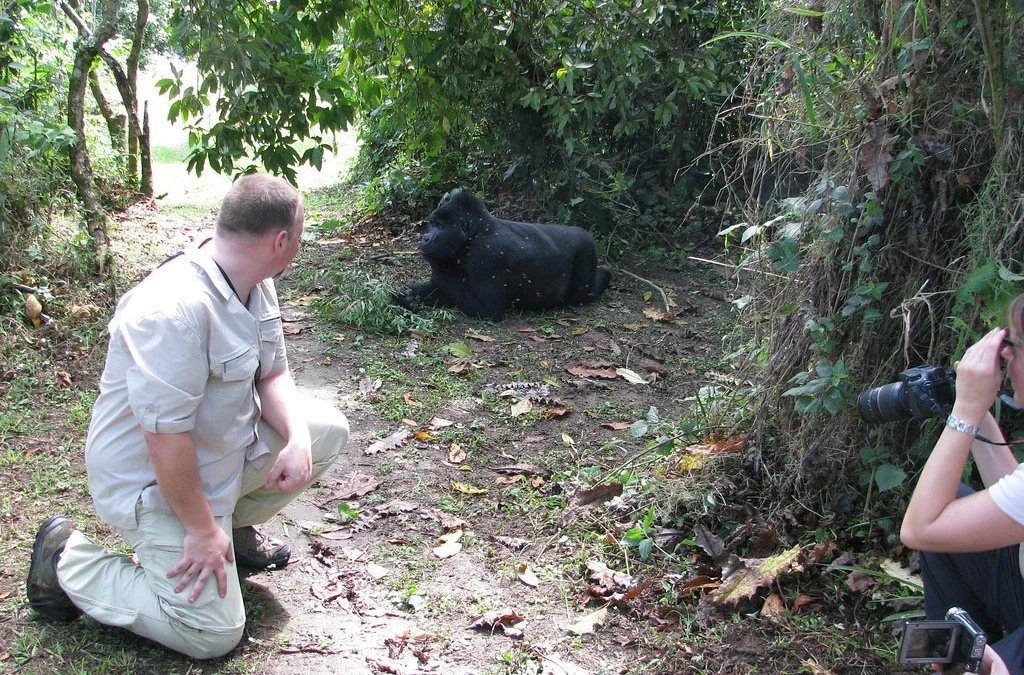
5-Day Uganda Safari: Gorilla Trekking in Bwindi & Game + Boat in Queen Elizabeth National Park
A 5-Day Uganda Safari gives travelers enough time to experience two of Uganda’s finest offerings: tracking mountain gorillas in the forest and viewing big game on the open plains. We have guided many travelers along this exact route, and five days is a real sweet spot. It is short enough to fit a normal holiday, yet long enough to combine Bwindi Impenetrable Forest with Queen Elizabeth National Park without feeling rushed.
In this guide, we walk through the full itinerary, real costs, packing advice, and the questions we get asked most often before travel. This comes from firsthand experience guiding on the ground, not from a brochure. By the end, we hope you will feel confident planning your own five-day gorilla and wildlife adventure through southwestern Uganda, from Entebbe or Kigali all the way into the forest.
5-Day Uganda Safari at a Glance
Here is the typical route we recommend to most first-time visitors:
| Day | Destination | Main Experience |
|---|---|---|
| Day 1 | Entebbe → Queen Elizabeth National Park | Travel day with an evening game drive |
| Day 2 | Queen Elizabeth (Kasenyi Sector) | Morning game drive and Kazinga Channel boat cruise |
| Day 3 | Queen Elizabeth (Ishasha Sector) → Bwindi | Morning game drive for tree-climbing lions, then drive to Bwindi |
| Day 4 | Bwindi | Gorilla trekking or gorilla habituation |
| Day 5 | Bwindi → Entebbe or Kigali | Return journey |
This route can be adjusted to suit your interests. Some guests prefer starting with gorilla trekking and ending with wildlife, and that works well too. We generally recommend doing gorillas after wildlife, since guests tend to be more rested and better prepared for the physical demands of the trek by day four.
Why Choose a 5-Day Uganda Safari?
Uganda is often called “the Pearl of Africa,” and five days is enough to understand why. In this short window, you can watch elephants crossing the road ahead of your vehicle, cruise past hippos and buffalo along the Kazinga Channel, and later sit quietly metres from a gorilla family in the misty forest of Bwindi. Very few countries allow both experiences in one trip.
Five days works well for:
- First-time visitors wanting a taste of Uganda without a long holiday commitment
- Couples and honeymooners seeking a memorable, romantic shared experience together
- Groups of friends traveling together on a flexible, relaxed schedule
- Photographers wanting both dramatic landscapes and close wildlife shots
- Travelers also visiting Rwanda or Kenya who have limited time to spare for Uganda
If you would like to add Kibale for chimpanzee tracking or Murchison Falls in the north, plan for more days. Five days stays compact and focused, built around gorillas and general wildlife within one manageable southwestern loop of the country, which keeps driving reasonable and leaves enough energy for the gorilla trek itself.
How Much Does a 5-Day Uganda Safari Cost?
This is one of the questions we hear most often, and the honest answer depends on accommodation style, group size, and vehicle type. As a starting figure, a 5-Day Uganda Safari with Iconic Africa Safaris begins from around $1,960 per person sharing, moving upward depending on the choices made during planning and booking of your trip.
What affects your final price:
- The gorilla trekking permit, currently $800 per person and a fixed government fee
- Accommodation category, whether budget, mid-range, or luxury lodges
- Group size, since private trips cost more per person than shared departures
- Vehicle type, comparing a dedicated 4×4 safari vehicle against a standard car
- Whether meals, park fees, and the boat cruise are already included in your quote
A simple comparison to help with your decision:
| Safari Style | Typical Features |
|---|---|
| Budget | Comfortable but simple accommodation, shared vehicles |
| Mid-range | Well-appointed lodges, private 4×4 vehicle, attentive service |
| Luxury | Premium lodges, added comfort, more personalized attention |
We always advise guests to confirm exactly what is included before booking, since two safaris quoted at similar prices can look very different once the fine print is reviewed carefully. Ask about permits, park fees, lodge category, meals, and vehicle type, and compare offers line by line so you understand exactly what your money covers.
Detailed Day-by-Day Itinerary
Day 1: Entebbe to Queen Elizabeth National Park
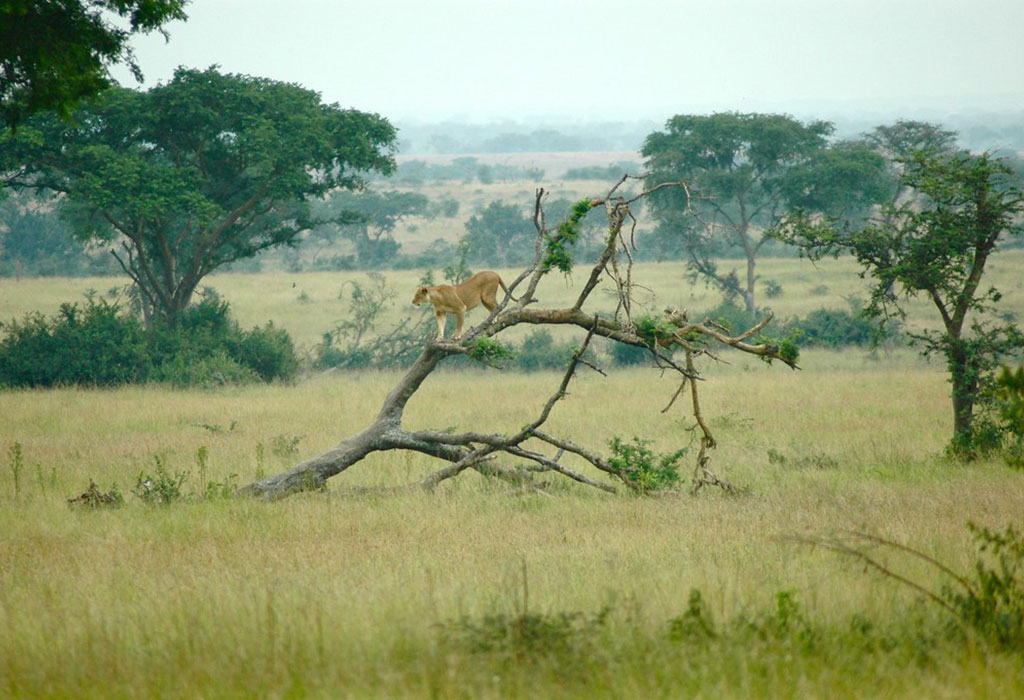
Your safari begins with pickup from Entebbe International Airport or your hotel. The drive to Queen Elizabeth National Park takes most of the day, so we usually stop for lunch along the way, often with a fine view of the western Rift Valley opening up as the road nears the park. You arrive in the late afternoon, check into your lodge, and enjoy a short evening game drive before dinner if time allows.
Day 2: Queen Elizabeth Wildlife Safari, Kasenyi Sector

This is a full wildlife day focused on the Kasenyi plains, one of the park’s richest sectors. Early morning is when animals are most active, so we head out while temperatures are still cool. Kasenyi offers strong chances of seeing large herds of Uganda kob, elephants, buffalo, and warthogs, with lions occasionally spotted resting nearby or moving through the grasslands.
After lunch and some rest, you will take a boat cruise along the Kazinga Channel, which connects Lake Edward and Lake George. This remains one of your favourite parts of the entire trip, offering close views of hippos, crocodiles, buffalo, and large numbers of waterbirds gathered along the shoreline, all enjoyed comfortably from the safety of the boat.
Day 3: Queen Elizabeth to Bwindi via Ishasha Sector
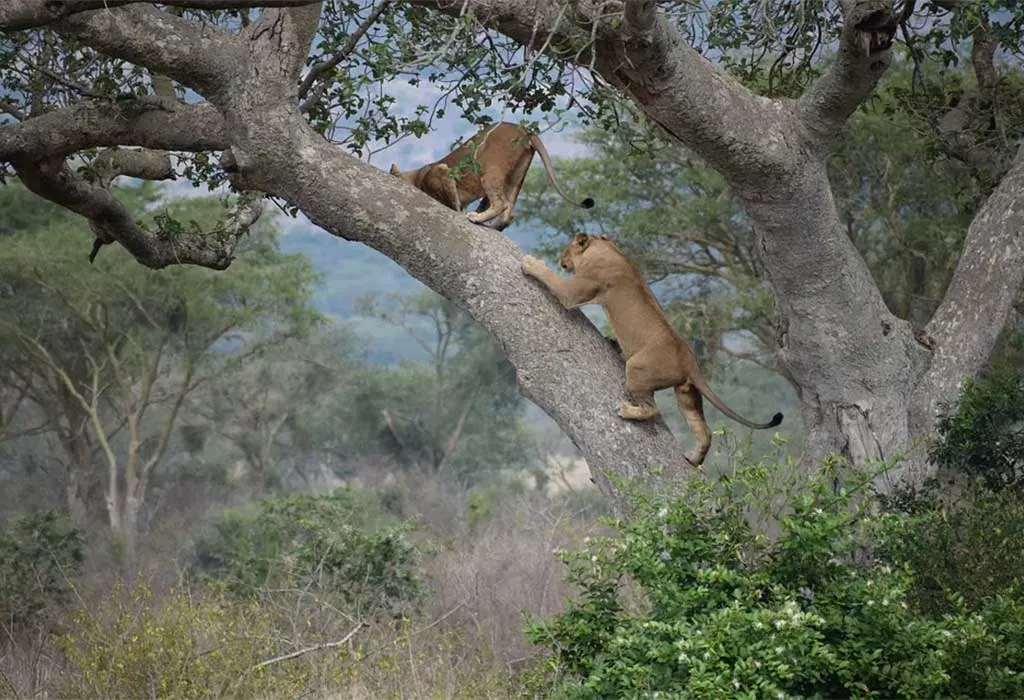
This day is often underrated before travel, yet it becomes a highlight afterward. You will begin with a morning game drive through the Ishasha sector, famous across Uganda for its tree-climbing lions resting in fig trees. Sightings are never guaranteed, but Ishasha also offers strong chances of spotting elephants, buffalo, and antelope grazing quietly across the open woodland.
From Ishasha, the drive continues through the hills of southwestern Uganda, past small farms, tea plantations, and terraced slopes. You pass through local villages, gaining a genuine sense of rural Uganda that feels very different from the parks. By late afternoon you reach Bwindi, where your guide gives a short briefing about the following day’s gorilla trek before dinner.
Day 4: Gorilla Trekking in Bwindi
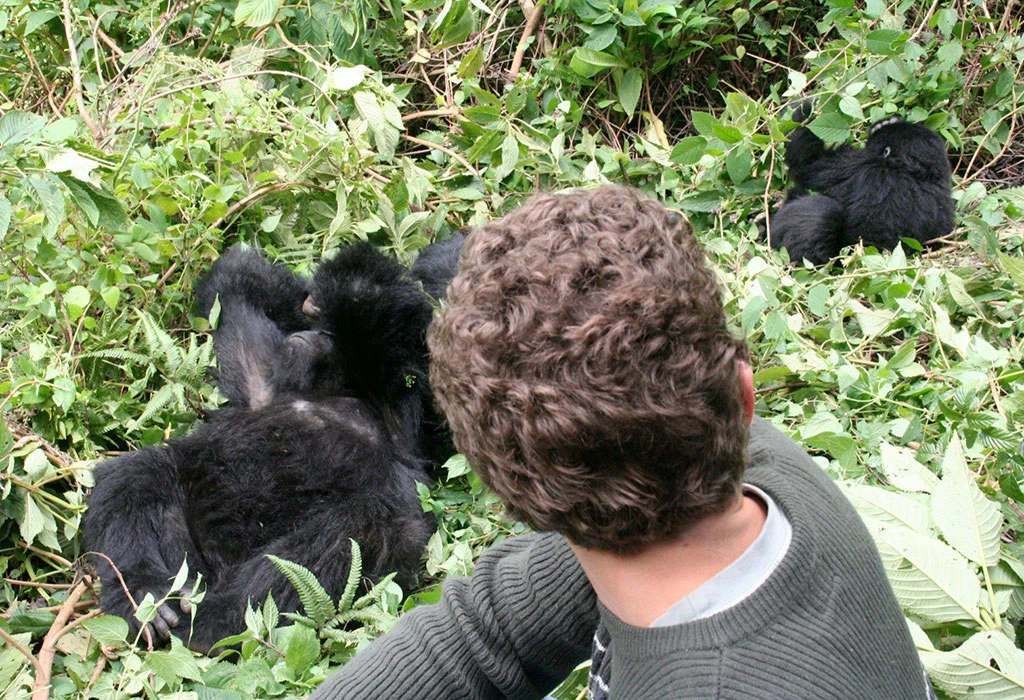
This day forms the true heart of your trip. After an early breakfast, you will head to the park headquarters for a briefing led by Uganda Wildlife Authority rangers. Groups are assigned to different gorilla families based on fitness level and interest, and the trek begins soon afterward through dense, often steep forest terrain.
Trekking time varies considerably between groups. Some reach their assigned gorilla family within two hours, while others walk for four or five hours through thick vegetation. Once located, you spend one hour observing the gorillas feeding, resting, and interacting naturally. It is a quiet, humbling experience, and most guests agree it is worth every step of the effort involved.
Day 5: Bwindi to Entebbe or Kigali
On your final day, we begin the journey homeward. Many guests fly out through Entebbe, but Bwindi also sits close to the Rwanda border, making it entirely possible to end your safari in Kigali instead. This flexibility proves useful whenever your next destination is Rwanda, or when better flight connections happen to run through Kigali rather than Entebbe.
Gorilla Trekking in Bwindi
Bwindi Impenetrable National Park shelters roughly half of the world’s remaining mountain gorillas, making it the main gorilla trekking destination on this itinerary. A gorilla permit is required for every trek, and this fee contributes directly toward gorilla conservation efforts and community development projects in the villages surrounding the park boundaries.
A few practical points about the trek:
- Only travelers aged 15 and above are permitted to trek gorillas
- Trek duration is never guaranteed and can range from one to six hours
- Hiring a porter is strongly recommended, even for fit travelers, given the steep terrain
- Proper hiking boots are essential, since sneakers offer little grip on muddy slopes
- Rain can occur at any time in the forest, so waterproof gear matters greatly
Gorilla Habituation Experience in Rushaga
For travelers wanting something deeper than a standard trek, there is a gorilla habituation experience, which takes place in the Rushaga sector of Bwindi. Rushaga has two semi-habituated gorilla families used for this activity: Bushaho and Bikyingi. Guests join researchers and trackers who are still training these families to accept human presence, which makes the encounter feel patient, raw, and very personal.
The cost of gorilla habituation is $1,800 per person with effect from 1st January 2027, compared with $800 for a regular gorilla trekking permit. The extra cost buys a much longer and quieter encounter. Because habituation is based in Rushaga, we plan your Bwindi nights in that sector, which slightly changes the final drive on day three.
| Feature | Standard Trekking | Gorilla Habituation |
|---|---|---|
| Cost | $800 | $1,800 (from 1st January 2027) |
| Time with gorillas | 1 hour | 4 hours |
| Group size | Up to 8 people | Up to 4 people |
| Location | Buhoma, Ruhija, Rushaga, Nkuringo | Rushaga only |
| Gorilla families | Fully habituated | Semi-habituated: Bushaho and Bikyingi |
Habituation suits photographers, repeat visitors, and anyone who wants time to watch gorilla behaviour unfold rather than leave after one hour. It is also physically demanding, because trackers may walk a long way to find the family, and then you stay with them for up to four hours. Good boots, patience, and a porter are wise choices.
Gorilla Trekking Rules and Requirements
Guests often ask the same set of questions before their trek, so here they are, answered plainly and directly based on what we see guests actually experience on the ground. Read these carefully before you travel, because preparing well makes the trek easier and far more enjoyable for everyone in your group.
How old must you be to trek gorillas?
Travelers must be at least 15 years old to join any gorilla trekking group in Uganda, and rangers do check ages at the briefing. Younger family members can enjoy nature walks, community visits, and game drives while older members trek.
How difficult is gorilla trekking?
It ranges from moderate to fairly demanding, since the forest floor is uneven, often muddy, and frequently sloped. No technical climbing skill is needed, but reasonable fitness, good boots, and a steady pace help a great deal. Porters and walking sticks make the trek easier and safer.
How long does gorilla trekking take?
Anywhere from one to six hours of walking, depending entirely on where the assigned gorilla family happens to be that day. Rangers track the families early each morning and guide your group along the easiest possible route, but the forest decides the final distance, so prepare for a longer day.
How close can you get to the gorillas?
Rangers maintain a recommended distance of about 7 metres, protecting the safety and wellbeing of both visitors and gorillas. Gorillas sometimes move closer on their own, and when this happens, guides calmly ask the group to step back slowly while everyone keeps voices low.
What happens if it rains?
The trek continues as planned. Rain is common in Bwindi and rarely causes any cancellation of scheduled trekking activities. A good waterproof jacket, a rain cover for your daypack, and a plastic bag to protect your camera keep wet conditions comfortable, and gorillas are often calm in the drizzle.
Do we need a porter?
Yes, strongly recommended for all fitness levels. Porters carry your daypack, help you up steep slopes, and steady you on slippery trails. They also provide direct income to communities living around the park, so hiring one improves your trek while supporting the families who protect the forest.
Wildlife on a 5-Day Uganda Safari
Queen Elizabeth National Park anchors the wildlife side of this trip, stretching along the Rift Valley with open savannah, forest patches, crater lakes, and the Kazinga Channel. Game drives here run through two distinct sectors, Kasenyi and Ishasha, each offering a slightly different mix of animals and different odds of encountering the park’s most sought-after species.
- In the Kasenyi sector, travelers have a high chance of encountering Uganda kob in large herds, elephants, buffalo, warthogs, and hyenas around dawn. On lucky days, lions resting near the grasslands or moving between kob herds can also be spotted, along with occasional leopard sightings deeper within the surrounding bush and thicket areas.
- In the Ishasha sector, buffalo, elephants, and various antelope species are commonly encountered along the open woodland tracks. The standout lucky-day sighting here is the tree-climbing lions, famous for resting in the branches of large fig trees. Leopards are occasionally reported too, though sightings remain rare and never guaranteed on any single visit.
- The boat cruise along the Kazinga Channel offers its own reliable wildlife viewing, separate from the game drives. Hippos and crocodiles are seen on nearly every cruise, alongside buffalo gathered at the water’s edge and abundant waterbirds. This slower, close-range viewing style complements the wider, faster-paced sightings typically experienced during vehicle-based game drives.
Getting from Queen Elizabeth National Park to the Bwindi Sectors
Bwindi has four trekking sectors: Buhoma in the north, Ruhija in the east, Rushaga in the south, and Nkuringo in the southwest. Your gorilla permit decides your sector, and sleeping in one sector while trekking in another is not practical. Below are the routes we use from Queen Elizabeth, with approximate drive times that vary with road and weather conditions.
Queen Elizabeth to Buhoma
Buhoma is the easiest sector to reach from Queen Elizabeth. From Ishasha, the road runs through Kihihi and Butogota to Buhoma, taking about two to three hours. It suits this itinerary well, because after the morning Ishasha game drive you arrive in the afternoon with time to rest, check in, and prepare for your trek the next day.
Queen Elizabeth to Ruhija
Ruhija sits in the higher eastern part of Bwindi. From Ishasha, we drive through Kihihi and Kanungu, then climb on a winding hill road, and the journey takes roughly four to five hours. The road is narrower than others, so we start early. The reward is cool air, misty forest views, and excellent birdwatching along the way.
Queen Elizabeth to Rushaga
Rushaga lies in the south of Bwindi and is where gorilla habituation takes place. From Ishasha, we follow the road through Kihihi and Kanungu toward the southern sector, which takes about four hours. Because Rushaga has the most gorilla families and daily permits, it is a popular base, and the scenery gets more dramatic as you approach.
Queen Elizabeth to Nkuringo
Nkuringo is the most remote sector, in the far southwest, with steep ridges and wide valley views. From Ishasha, expect roughly five hours, continuing beyond the Rushaga area on winding hill roads. If you start from Mweya or Kasenyi instead of Ishasha, add two to three hours. We plan an early departure so you still arrive with time to rest.
Where to Stay
Accommodation on this route falls into budget, mid-range, and luxury categories. In Bwindi, always choose a lodge in the same sector as your gorilla permit, because trekking between sectors on the same day is not practical. Below are lodges we know across all four sectors, and we adjust choices depending on availability, your budget, and your preferred comfort level.
Lodges in Buhoma Sector
- Budget: Buhoma Community Bandas and Buhoma Homestead offer simple rooms, friendly hosts, and easy access to the trailhead
- Mid-range: Buhoma Community Haven Lodge and Silverback Lodge offer comfortable rooms, private balconies, and forest views
- Luxury: Gorilla Forest Camp, Mahogany Springs Lodge, Buhoma Lodge, and Bwindi Lodge offer premium service and beautiful forest settings
Lodges in Ruhija Sector
- Budget: The Uganda Wildlife Authority guesthouse offers simple, affordable rooms close to the trailhead, which helps with early morning starts
- Mid-range: Gorilla Mist Camp, Trekkers Tavern Cottages, Bakiga Lodge and Agandi Lodge offer warm, comfortable rooms in cool highland surroundings
- Luxury: Kiho Gorilla Lodge. Options are limited here, so guests wanting higher comfort often base themselves in Buhoma or another sector instead
Lodges in Rushaga Sector
- Budget: Simple guesthouses and community bandas near the trekking start offer basic, affordable stays for travelers watching their costs
- Mid-range: Rushaga Gorilla Haven Lodge, Ichumbi Gorilla Lodge and Gorilla Valley Lodge provide comfortable cottages and good meals near the trekking start
- Luxury: Four Gorillas Lodge, Gorilla Leisure Lodge and Gorilla Safari Lodge sit close to the park edge, ideal for habituation guests too
Lodges in Nkuringo Sector
- Budget: Nkuringo Gorilla Campsite offers simple camping and basic accommodation, popular with adventurous travelers on tighter budgets who enjoy quiet surroundings
- Mid-range: Nkuringo Bwindi Gorilla Lodge offers hillside cottages, a good restaurant, hot water, and lovely views over the forest valley
- Luxury: Clouds Mountain Gorilla Lodge offers stone cottages with fireplaces and breathtaking views toward the Virunga Volcanoes
Lodges in Queen Elizabeth National Park
Most guests sleep near Mweya or Kasenyi on the first two nights. If you prefer a shorter drive on day three, sleeping in the Ishasha area on night two lets you start the lion drive earlier and rested.
- Budget: Simba Safari Camp, Mweya Hostels, and Kasenyi Safari Camp offer simple, affordable stays close to game drive areas
- Mid-range: Marafiki Safari Lodge, Ishasha Jungle Lodge, and Pumba Safari Cottages offer comfortable rooms, good food, and friendly service
- Luxury: Mweya Safari Lodge, Katara Lodge, Kyambura Gorge Lodge, and Ishasha Wilderness Camp offer premium comfort and superb settings
Best Time for a 5-Day Uganda Safari
Uganda can be visited year-round, and we have guided guests successfully across every season, though each comes with its own trade-offs. The dry seasons, roughly December to February and June to September, offer easier hiking conditions in Bwindi and generally firmer, more comfortable roads throughout the wider safari route.
The wetter months can bring muddier trekking conditions, though rain typically falls in short bursts rather than continuously through the day. Wildlife viewing in Queen Elizabeth remains strong throughout the year, since animals gather reliably near permanent water sources regardless of season, keeping both Kasenyi and Ishasha productive for game drives.
There is no single universally “best” month for every traveler. If easier trekking conditions matter most, aim for the drier months and book lodges early. If you are flexible and prefer fewer crowds along the trails and roads, the wetter months can also offer a genuinely rewarding safari experience.
Getting to Uganda for a 5-Day Safari
Most travelers fly into Entebbe International Airport, the country’s main international gateway. From there, the drive toward Queen Elizabeth and onward to Bwindi happens entirely by road, giving guests a real opportunity to see rural Uganda’s changing landscapes, small towns, and farmland along the way rather than skipping over them by air.
Some travelers instead choose to start or end their trip through Kigali International Airport in Rwanda, since Bwindi sits close to the Uganda-Rwanda border. This option suits travelers combining both countries in one journey, or those who simply found more convenient flight connections through Kigali. We arrange either route comfortably depending on your preference.
What Is Included in a 5-Day Uganda Safari?
A typical package includes:
- The gorilla trekking permit for your assigned day
- Accommodation for all nights across the itinerary
- Meals as specified within your chosen package
- Drinking water provided throughout the safari
- A dedicated 4×4 safari vehicle for the full trip
- A professional, experienced driver-guide throughout
- Game drives, the Kazinga Channel boat cruise, and standard park entrance fees
What Is Not Included?
Usually excluded are:
- International flights to and from Uganda
- Visa fees required for entry into the country
- Travel insurance covering your trip
- Personal expenses such as souvenirs or extra snacks
- Tips for guides, porters, and lodge staff
- Alcoholic drinks purchased at lodges
- Optional upgrades like gorilla habituation, which carry an additional separate cost
Knowing this upfront helps travelers budget properly and avoid unwelcome surprises once the final invoice arrives. If you plan to upgrade to gorilla habituation, tell us early so we can adjust the quote, secure the Rushaga permit, and arrange the right lodge for your stay.
What to Pack for a 5-Day Uganda Safari
Based on what guests forget most often, here is a practical packing list worth reviewing carefully before departure, especially given the mix of forest trekking and open savannah game drives involved in this particular itinerary:
- Lightweight clothing for warm daytime temperatures
- Long trousers and long-sleeved shirts for forest protection
- A waterproof jacket for sudden rain in Bwindi
- Sturdy hiking shoes or boots with good grip
- Gardening gloves for gripping vegetation during the trek
- A hat, sunglasses, and reliable sunscreen
- Insect repellent and a small daypack
- Binoculars, a camera, and extra batteries or a power bank
Who Should Choose a 5-Day Uganda Safari?
This itinerary suits first-time visitors, couples, honeymooners, friends, and dedicated wildlife photographers seeking memorable Ugandan experiences. It also suits travelers combining Uganda with Rwanda or Kenya, because five days fits comfortably within longer regional journeys.
However, five days remains a relatively compact schedule for exploring Uganda’s diverse attractions. Travelers seeking Kibale chimpanzee tracking, Murchison Falls, or slower travel should consider seven, ten, or more days instead.
Frequently Asked Questions
How much does a 5-Day Uganda Safari cost?
Prices typically start around $1,960 per person sharing, depending on accommodation, group size, and vehicle selected. However, the gorilla permit carries a fixed government fee, while lodge choice creates major differences between safari categories.
Is five days enough for a Uganda safari?
Yes, five days comfortably combines gorilla trekking with rewarding wildlife experiences across both sectors of Queen Elizabeth National Park. However, travelers seeking chimpanzees, northern parks, or slower travel should consider adding more days.
Can I combine gorilla trekking and wildlife in five days?
Yes, this itinerary deliberately combines both experiences, connecting Queen Elizabeth’s game drives with Bwindi’s forest trekking. Wildlife activities come first during days one to three, while the gorilla encounter follows on day four.
What animals have the highest chance of being seen during game drives?
In Kasenyi, travelers commonly encounter Uganda kob, elephants, buffalo, and warthogs, while hyenas often appear around dawn. Similarly, Ishasha regularly produces buffalo, elephants, and antelope sightings along its open woodland tracks. Meanwhile, Kazinga Channel cruises usually reveal hippos and crocodiles throughout the journey.
What animals might we see on a lucky day?
Lions and leopards in Kasenyi, alongside Ishasha’s famous tree-climbing lions and leopards, remain fortunate wildlife sightings. Nevertheless, patience, early starts, and experienced driver-guides improve opportunities, although every game drive remains naturally unpredictable.
Where can we see the tree-climbing lions?
The tree-climbing lions inhabit Ishasha, a southern sector of Queen Elizabeth National Park, where they rest within fig trees. During this itinerary, we search for them during day three’s morning game drive before continuing toward Bwindi. Although sightings remain uncertain, the scenic drive still provides rewarding wildlife opportunities.
What is gorilla habituation and how much does it cost?
Gorilla habituation takes place in Rushaga with the semi-habituated Bushaho and Bikyingi gorilla families. From 1st January 2027, the experience costs $1,800, compared with $800 for standard trekking. Moreover, visitors spend four hours with gorillas instead of one, within groups limited to four people rather than eight.
What is included in a 5-Day Uganda Safari?
Generally, the gorilla permit, accommodation, meals, transport, park fees, and boat cruise form the main inclusions. However, inclusions vary between tour operators, so confirm lodges, meals, and optional activities with additional charges before booking.
How much is a gorilla permit in Uganda?
A standard gorilla trekking permit costs $800 per person, while habituation costs $1,800 from 1st January 2027. Because Uganda Wildlife Authority sets these fees, prices can change, so confirm current rates before booking your safari.
Is gorilla trekking difficult?
Gorilla trekking ranges from moderate to demanding, depending on where your assigned gorilla family travels that day. Therefore, reasonable fitness, sturdy boots, and a porter help considerably, while rangers maintain a pace suitable for slower trekkers.
How do we get from Queen Elizabeth to Bwindi?
The journey travels by road from Ishasha toward your selected Bwindi sector during the safari. Buhoma takes approximately two to three hours, Rushaga about four, Ruhija four to five, and Nkuringo approximately five. However, road conditions can alter these journey times, so we schedule the day with sufficient time for rest.
Can I do a 5-Day Uganda Safari from Kigali?
Yes, Bwindi lies close to Rwanda’s border, making Kigali a convenient starting or ending point for many safaris. We arrange border-crossing support and transfers, then adjust the route according to your selected Bwindi sector.
What should I pack for a 5-Day Uganda Safari?
Pack lightweight clothing, sturdy hiking boots, a waterproof jacket, and essential trekking equipment described within our packing section. Also, bring binoculars, insect repellent, gardening gloves, and a small daypack for greater comfort during drives and trekking.
What is the best time for a 5-Day Uganda Safari?
The dry seasons generally provide easier trekking conditions, although forests and parks remain rewarding for wildlife viewing throughout the year. However, dry months attract more travelers, so secure permits and lodges early, while wetter months offer fewer crowds and greener landscapes.
Can I customize a 5-Day Uganda Safari?
Yes, you can adjust the route, accommodation level, and activities according to your interests, budget, and schedule. For example, we can change Bwindi sectors, upgrade to habituation, switch lodges, or begin and finish in Kigali.
Booking Your 5-Day Uganda Safari
If you are ready to plan your trip, secure your gorilla permit first because availability remains limited during peak travel periods. Then, we build your itinerary around accommodation preferences, travel dates, Bwindi sector, and starting point between Entebbe and Kigali.
Iconic Africa Safaris provides three straightforward ways to secure your next memorable Ugandan adventure with confidence today. Simply complete our online booking form to begin planning your preferred safari experience without unnecessary delays. Alternatively, email info@iconicafricasafaris.com to discuss your specific travel plans, preferences, and itinerary requirements directly. For immediate assistance, tap the green WhatsApp icon at your screen’s bottom-right corner anytime.
Our driver-guides serve as trusted trip managers, bringing professional training, wildlife knowledge, cultural interpretation, and extensive field experience. Some previously worked as park rangers, while all remain committed to guiding guests safely throughout their journeys. They accompany travelers from airport pickup through the final farewell, keeping each day organized, comfortable, and enjoyable.