
Kenya and Uganda Safari Itinerary: 12 & 17-Day Tours
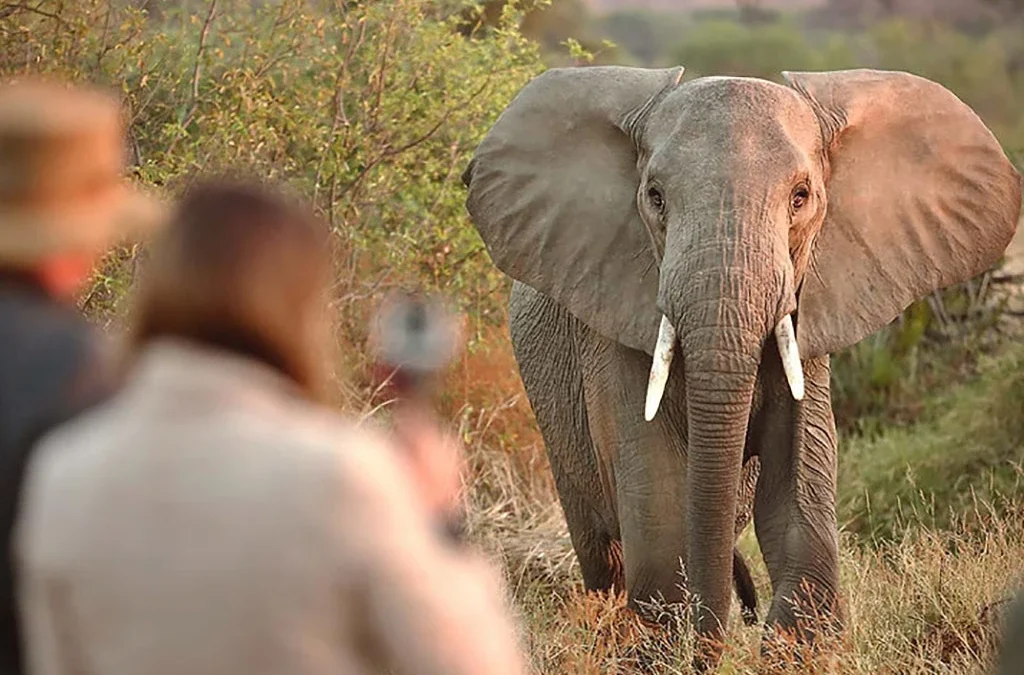
Kenya and Uganda Safari Itinerary: 12 & 17-Day Tours
A Kenya and Uganda safari brings together two of East Africa’s most complete wildlife experiences: the open savannahs and predator action of Kenya’s Masai Mara, and Uganda’s forested primate trekking, from mountain gorillas in Bwindi Impenetrable Forest to chimpanzees in Kibale.
In 12 days, you can comfortably combine Masai Mara game drives with Uganda’s headline primate experiences — chimpanzee trekking and gorilla trekking — without feeling rushed on the road. In 17 days, you get real depth: more time in the Mara (often with an Amboseli or Lake Nakuru extension), additional Uganda wildlife parks such as Queen Elizabeth and Murchison Falls, and a slower pace between primate treks. Both itineraries end with gorilla trekking in Bwindi, the experience most travelers build the whole trip around.
Below, we’ve laid out both itineraries day by day, along with realistic costs, accommodation options, seasonal advice, and answers to the questions travelers ask most before booking.
Why Combine Uganda and Kenya on One Safari?
Kenya and Uganda sit next to each other in East Africa but offer genuinely different safari experiences, which is exactly why combining them works so well.
Kenya is built around the classic safari: wide grass plains, huge wildebeest and zebra herds, and reliable predator sightings in the Masai Mara. Uganda, by contrast, is a forest and primate destination first — it’s one of only a few countries in the world where you can trek mountain gorillas, and it pairs that with chimpanzee trekking, savannah parks like Queen Elizabeth, and the Nile at Murchison Falls or Jinja.
Traveling between them means you get savannah wildlife and rainforest primates in a single trip, rather than choosing one or the other. The flight between Nairobi and Entebbe is short (around 2 hours), which makes combining the two countries far more practical than most people expect.
12-Day Kenya and Uganda Safari Itinerary
This itinerary is built for travelers with limited time who still want the full combination: Masai Mara wildlife, Uganda’s primates, and gorilla trekking, without unnecessary route repetition.
Day 1: Nairobi Arrival
Arrive at Jomo Kenyatta International Airport, where your driver-guide will welcome you and transfer you to your Nairobi accommodation. Depending on your arrival time, relax at the hotel or visit the David Sheldrick Wildlife Trust or Giraffe Centre. Overnight in Nairobi.
Day 2: Nairobi to Masai Mara National Reserve
Fly or drive to the Masai Mara National Reserve, enjoying spectacular landscapes along the way. The road journey takes approximately 5–6 hours and may include scenic stops in the Great Rift Valley, while a light aircraft flight takes about 45 minutes. After arrival, enjoy an afternoon game drive across the reserve’s wildlife-rich plains. Overnight in the Mara.
Day 3: Masai Mara Game Drives
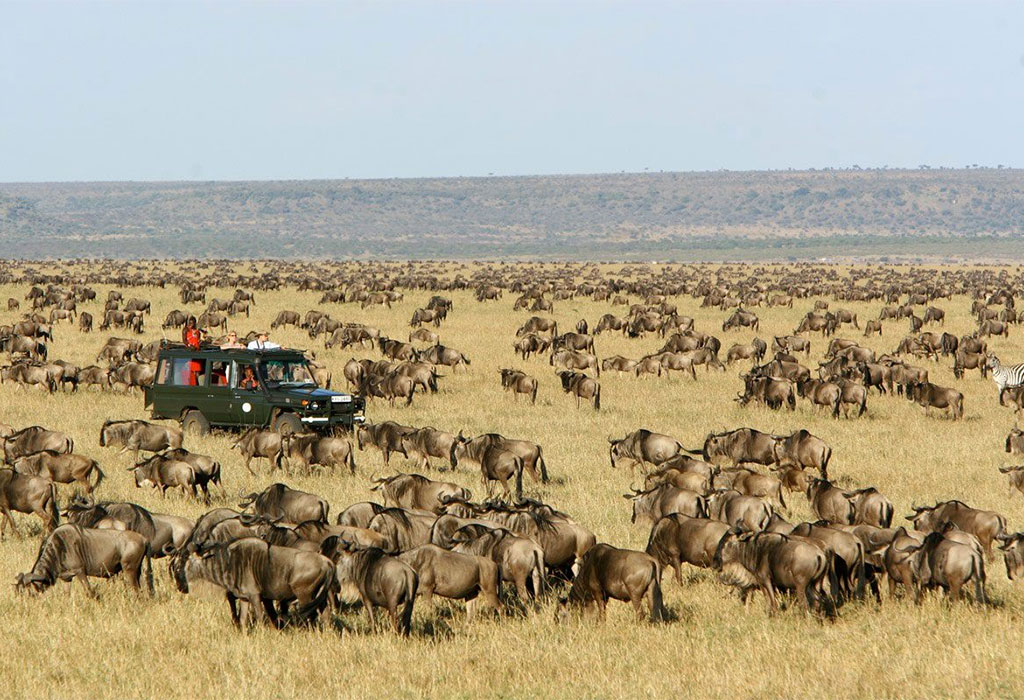
Spend the entire day exploring the Masai Mara on guided game drives. Search for wildlife around the Mara River, Musiara Marsh, and expansive grasslands, where lions, elephants, giraffes, zebras, and buffalo often gather. Depending on the season, you may also witness dramatic wildebeest migration crossings. Overnight in the Mara.
Day 4: Masai Mara to Lake Nakuru National Park
After breakfast, drive to Lake Nakuru National Park, passing through scenic rural landscapes and the Great Rift Valley. The park is famous for its diverse birdlife, incl
uding flamingos when conditions are suitable, as well as strong populations of black and white rhinos. Enjoy an afternoon game drive before settling into your accommodation near the lake. Overnight near Lake Nakuru.
Day 5: Lake Nakuru to Jinja or Kampala
Cross into Uganda by road or take a domestic-to-international flight connection, depending on your preferred schedule and route. Continue to Kampala or travel onward to Jinja, a lively town located along the River Nile. Jinja makes an excellent overnight stop if you want to divide the journey or add optional white-water rafting, a Nile boat cruise, or a visit to the Source of the Nile. Overnight in Jinja or Kampala.
Day 6: Kampala to Kibale Forest National Park
Drive west from Kampala through Uganda’s changing countryside, passing local communities, tea plantations, crater lakes, and rolling green hills. Continue to Kibale Forest National Park, renowned for its exceptional primate diversity and high chimpanzee population. Arrive at your lodge in the afternoon and relax in preparation for the next day’s forest adventure. Overnight near Kibale.
Day 7: Chimpanzee Trekking and Bigodi Wetland Walk
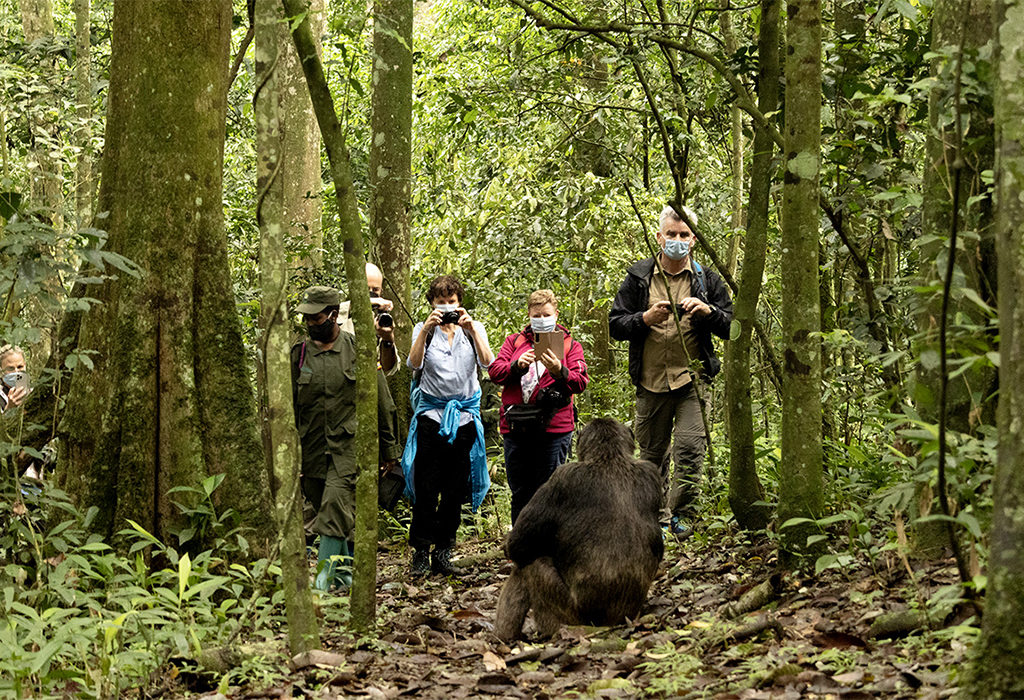
Begin with an early morning chimpanzee trekking experience in Kibale Forest, following experienced trackers through lush vegetation in search of habituated chimpanzee communities. After lunch, take an optional guided walk through Bigodi Wetland Sanctuary, where you can observe monkeys, colourful birds, butterflies, and traditional village activities. Overnight near Kibale.
Day 8: Kibale Forest to Queen Elizabeth National Park
Travel south to Queen Elizabeth National Park, enjoying views of tea-growing regions, crater lakes, and the Rwenzori Mountains when weather conditions allow. Stop at the Kyambura Escarpment viewpoint for sweeping views across the savannah and surrounding landscapes. Continue into the park for an afternoon game drive, watching for elephants, buffalo, antelope, and lions. Overnight in Queen Elizabeth.
Day 9: Queen Elizabeth Wildlife and Boat Safari

Enjoy an early morning game drive through the Kasenyi sector, one of the park’s best areas for spotting lions, leopards, elephants, buffalo, and Uganda kob. In the afternoon, take a memorable boat safari along the Kazinga Channel, where hippos, crocodiles, buffalo, elephants, and waterbirds gather along the shoreline. Overnight in Queen Elizabeth.
Day 10: Queen Elizabeth to Bwindi Impenetrable Forest
Drive south toward Bwindi Impenetrable Forest, following a scenic route through changing landscapes and rural communities. When conditions and park access allow, travel via the Ishasha sector, which is famous for its tree-climbing lions and excellent wilderness scenery. Continue toward your lodge near Bwindi and rest before the following day’s gorilla trek. Overnight near Bwindi.
Day 11: Gorilla Trekking and Optional Batwa Cultural Experience

Experience the highlight of your safari with a guided trek into Bwindi Impenetrable Forest to visit a habituated mountain gorilla family. After briefing, follow experienced trackers through dense vegetation and steep terrain before spending one unforgettable hour observing the gorillas. Trekking can last between 2 and 8 hours, depending on the family’s location. Later, join an optional Batwa cultural experience to learn about the forest people’s traditions, history, music, and way of life. Overnight near Bwindi.
Day 12: Bwindi to Kigali or Entebbe Departure
After breakfast, transfer out of the Bwindi region toward Kigali in Rwanda or Entebbe in Uganda. The journey to Kigali usually takes approximately 4–5 hours, while the road transfer to Entebbe can take around 8–9 hours, depending on border procedures, road conditions, and traffic. Connect with your international departure flight and bring your Kenya–Uganda safari to a memorable end.
17-Day Kenya and Uganda Safari Itinerary
The 17-day version isn’t simply a slower walk through the same route — it’s built to go deeper in both countries. Kenya expands beyond the Mara to include Amboseli (for close-up elephant viewing with Kilimanjaro as a backdrop) and more time for repeat Mara game drives across different habitats. Uganda adds Murchison Falls National Park, the country’s largest protected area, along with more relaxed pacing around chimpanzee and gorilla trekking. The exact combination can be adjusted depending on whether you prioritize more Kenya time or more Uganda time, but the structure below gives a balanced version.
Day 1: Nairobi Arrival
Arrive in Nairobi, meet your driver, and transfer to your hotel for check-in. Relax after your journey or explore optional afternoon activities, such as the Giraffe Centre, Nairobi National Museum, or Karen.
Day 2: Nairobi to Amboseli National Park
Drive from Nairobi to Amboseli National Park, enjoying changing landscapes as you approach the Kenyan-Tanzanian border. Famous for large elephant herds and Mount Kilimanjaro views, Amboseli offers an afternoon game drive before your overnight stay.
Day 3: Amboseli National Park Game Drives

Spend a full day exploring Amboseli’s open plains, seasonal wetlands, and wildlife-rich swamps. Look for elephants, lions, zebras, giraffes, and numerous bird species, while clear mornings may reveal spectacular views of Mount Kilimanjaro. Overnight in Amboseli.
Day 4: Amboseli to Masai Mara
Fly or drive from Amboseli to the legendary Masai Mara, passing through Kenya’s scenic countryside. After settling into your lodge or tented camp, enjoy an afternoon game drive and begin discovering the reserve’s abundant wildlife. Overnight in the Mara.
Day 5: Masai Mara Game Drives
Enjoy a full-day game drive across several sectors of the Masai Mara, searching for lions, cheetahs, leopards, elephants, buffaloes, and large herds of plains game. Your guide will select the best areas based on recent sightings. Overnight in the Mara.
Day 6: Masai Mara Game Drives (Extended)
Spend another full day exploring the Mara, allowing more time to follow wildlife and revisit productive areas. During migration season, you may witness a Mara River crossing, while a dawn hot-air-balloon safari offers unforgettable aerial views. Overnight in the Mara.
Day 7: Masai Mara to Lake Nakuru National Park

Drive toward Lake Nakuru National Park, enjoying changing scenery along Kenya’s Great Rift Valley. Explore the park in search of black and white rhinos, Rothschild’s giraffes, lions, leopards, and colorful birdlife before spending the night nearby.
Day 8: Lake Nakuru to Kampala or Jinja
Continue toward Uganda, crossing the border and travelling through lively towns and changing countryside. Travellers interested in adventure can stop in Jinja for an optional Nile activity, while others may continue to Kampala. Overnight in Jinja or Kampala.
Day 9: Kampala to Murchison Falls National Park
Drive north from Kampala to Murchison Falls National Park, Uganda’s largest protected area. Along the way, enjoy rural landscapes and local communities before reaching the park, where the Nile crashes through a dramatic, narrow gorge. Overnight in Murchison Falls.
Day 10: Murchison Falls Game Drive and Boat Cruise
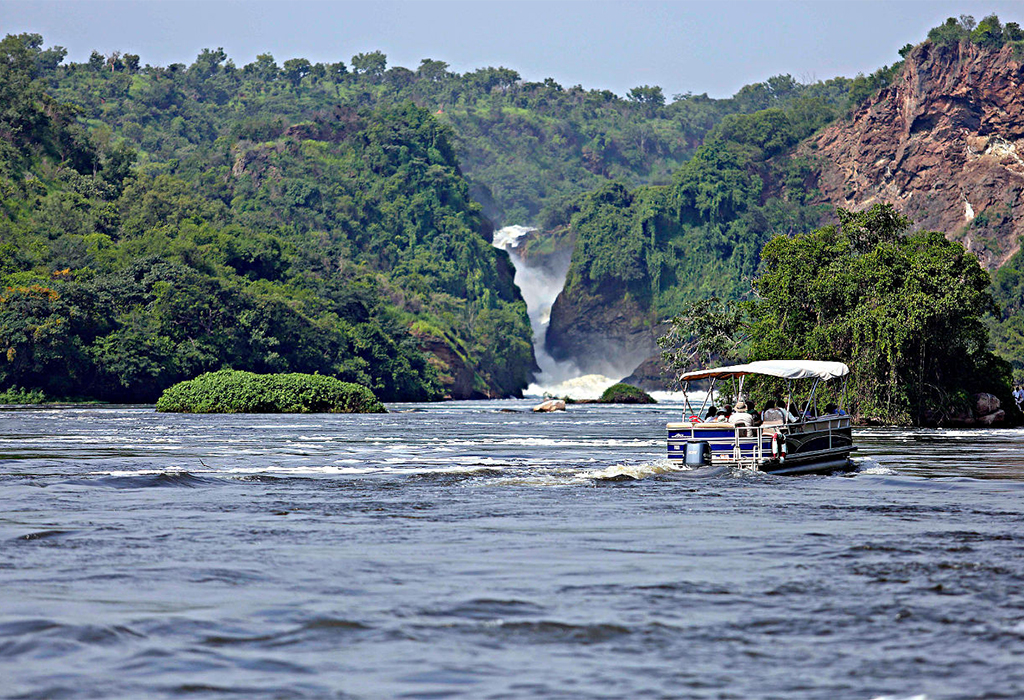
Start with a morning game drive on the northern bank, where you may see elephants, giraffes, lions, buffaloes, and antelope. In the afternoon, cruise along the Nile to the base of the falls for close views of hippos, crocodiles, and wildlife.
Day 11: Murchison Falls to Kibale Forest
Travel south toward Kibale Forest National Park, passing through Uganda’s scenic countryside, tea-growing areas, and rural communities. This is a long driving day, so some itineraries divide the journey with an overnight stop. Overnight near Kibale.
Day 12: Chimpanzee Trekking and Optional Bigodi Visit
Begin with morning chimpanzee trekking in Kibale Forest, listening for calls as you follow these lively primates through the trees. Later, enjoy an optional nature walk in Bigodi Wetland Sanctuary, known for monkeys, birds, butterflies, and community-led conservation.
Day 13: Kibale Forest to Queen Elizabeth National Park
Drive to Queen Elizabeth National Park, Uganda’s renowned savannah destination, with a possible stop at the Kyambura Escarpment. Continue into the park for an afternoon game drive, watching for elephants, lions, buffaloes, hippos, and Uganda kob. Overnight in Queen Elizabeth.
Day 14: Queen Elizabeth Wildlife and Boat Safari
Enjoy a morning game drive across the Kasenyi Plains, one of the park’s best areas for spotting lions, leopards, elephants, and grazing antelope. In the afternoon, take a Kazinga Channel boat safari for exceptional hippo, crocodile, elephant, and bird sightings.
Day 15: Queen Elizabeth to Bwindi via Ishasha
Travel south through the Ishasha sector, keeping watch for its famous tree-climbing lions resting in fig trees. Continue through beautiful southwestern Ugandan landscapes toward Bwindi Impenetrable Forest. Arrive at your lodge and prepare for the following day’s trek.
Day 16: Gorilla Trekking Experience
Spend the day trekking through Bwindi Impenetrable Forest in search of a habituated mountain gorilla family. The experience may involve steep, muddy trails, but meeting the gorillas in their natural habitat creates an unforgettable wildlife encounter. Overnight near Bwindi.
Day 17: Bwindi to Kigali or Entebbe Departure
Transfer from Bwindi toward Kigali or Entebbe for your international departure flight. Depending on your route and flight schedule, enjoy scenic views, a relaxed journey, or a final stop for refreshments before your safari concludes.
Kenya and Uganda Safari Cost
Costs vary significantly depending on travel style, season, and how many people are sharing vehicle and guide costs. As a general guide:
Budget (camping/basic lodges):
Roughly $200–$300 per person per day, excluding the gorilla permit and international flights. This typically means shared group vehicles, tented camps or budget lodges, and set-menu meals.
Mid-Range (comfortable lodges, private vehicle):
Roughly $350–$550 per person per day. This is the most common choice for combined Kenya-Uganda safaris, offering private 4×4 vehicles, ensuite tented camps or mid-range lodges, and more flexible itineraries.
Luxury (premium lodges, light aircraft transfers):
$600 per person per day and up, including luxury tented camps, private guides, and internal flights between parks instead of long road transfers.
What affects the price most:
- Gorilla permit — the single biggest line item, currently priced at $800 per person in Uganda for a one-hour trek (subject to change; always confirm current rates).
- Accommodation category — the difference between camping, mid-range lodges, and luxury camps is the largest driver of overall cost.
- Private vs. shared vehicle — a private vehicle and guide cost more but allow a flexible pace and better wildlife viewing positioning.
- Domestic flights — flying between Nairobi and the Mara, or between Uganda’s parks, saves time but adds cost compared with road transfers.
- Park fees — each national park charges daily entry fees, which vary by park and nationality (East African resident rates are typically lower than international visitor rates).
- Number of travelers — vehicle, guide, and sometimes accommodation costs are shared, so per-person costs drop as group size increases.
A 12-day mid-range itinerary for two travelers typically lands somewhere in the $4,500–$7,000 per person range including the gorilla permit; a 17-day trip usually adds another $1,500–$3,000 per person depending on the extra parks and activities included.
Uganda and Kenya Safari
Bwindi Impenetrable Forest, in southwestern Uganda, is home to roughly half of the world’s remaining mountain gorilla population. Trekking here means hiking through dense, often steep and muddy rainforest — anywhere from 2 to 8 hours round trip — to reach a habituated gorilla family, followed by a strictly limited one hour observing them at close range.
Adding gorilla trekking changes both the character and the cost of a Kenya safari in a few specific ways:
- Cost: the $800 gorilla permit is non-negotiable and must be booked well in advance, since only a limited number of permits are issued per gorilla family per day.
- Pace: trekking requires a reasonable level of fitness and at least one full day built into the itinerary that isn’t shared with any other major activity.
- Character: it shifts part of the trip from open-vehicle game viewing to on-foot forest trekking, which many travelers find to be the single most memorable part of a combined Kenya-Uganda safari.
- Booking lead time: because permits are limited and sell out, especially in peak season, gorilla trekking dates often need to be locked in 4–6 months ahead, which in turn fixes the dates for the rest of the itinerary.
Travelers who want a second, quieter gorilla trekking alternative sometimes also consider Rwanda’s Volcanoes National Park, though that requires a different border crossing and a higher permit fee, so most combined Kenya-Uganda itineraries stay within Bwindi.
Best Time for a Kenya and Uganda Safari
- Dry seasons (best overall): June to October and January to February are the two main dry windows. Wildlife viewing in the Masai Mara is excellent, as animals concentrate around remaining water sources, and Uganda’s forest trails are easier to hike for gorilla and chimpanzee trekking.
- Wildebeest migration: the Mara River crossings typically happen between July and October, making this the single best window if the migration is a priority, though it’s also the busiest and most expensive period.
- Green/rainy seasons: March to May and November are wetter, with fewer crowds and lower prices. Gorilla trekking is still possible year-round, but trails are muddier and more physically demanding. Birdwatching is particularly good during these months.
- Gorilla trekking specifics: gorilla trekking runs year-round since it doesn’t depend on migratory patterns, but the June–September and December–February dry spells make the forest trails noticeably easier.
In short: June to October is the strongest overall window for combining excellent Mara wildlife viewing with comfortable gorilla trekking conditions, but travelers prioritizing budget or fewer crowds can still have a very good trip in the shoulder months.
Kenya vs Uganda: What You Experience in Each Country
| Category | Kenya | Uganda |
|---|---|---|
| Wildlife | Big cats, huge herds, classic savannah game viewing, especially in the Masai Mara | Savannah wildlife in Queen Elizabeth and Murchison Falls, plus tree-climbing lions in Ishasha |
| Primates | Limited primate experiences | World-class: mountain gorillas (Bwindi), chimpanzees (Kibale), plus various monkey species |
| Landscapes | Open plains, Rift Valley, soda lakes | Dense rainforest, wetlands, the Nile River, volcanic landscapes |
| Culture | Maasai communities, especially around the Mara | Diverse ethnic groups; strong community-based tourism around Bwindi and Kibale |
| Activities | Game drives, hot air balloon safaris, walking safaris | Gorilla and chimpanzee trekking, forest walks, boat cruises on the Nile and Kazinga Channel |
| Safari style | Vehicle-based, open savannah | Mixed: vehicle-based savannah parks plus on-foot forest trekking |
Neither country is objectively “better” — they’re complementary. Kenya delivers the classic big-game safari; Uganda delivers primate encounters and forest landscapes that Kenya doesn’t offer. Combining them is what gives travelers the fullest picture of East African wildlife in one trip.
How to Travel Between Kenya and Uganda
- By air (recommended): Direct flights between Nairobi (Jomo Kenyatta International) and Entebbe International Airport take approximately 1 hour 45 minutes to 2 hours, with several flights daily on regional carriers. This is by far the most time-efficient way to connect the two countries and is what most combined itineraries use.
- Overland: It’s possible to travel overland between Kenya and Uganda via the Malaba or Busia border crossings, but the drive from Nairobi to Kampala takes roughly 12–14 hours, making it impractical for most itineraries unless overland travel is specifically part of the trip’s appeal.
- Within-country domestic flights: Beyond the Nairobi-Entebbe hop, domestic flights within Kenya (e.g., Nairobi to the Masai Mara) and within Uganda (e.g., Entebbe to parks near Bwindi or Murchison Falls) can save substantial road time, particularly useful on the 12-day itinerary where time is tighter.
For most travelers, the practical routing is: fly into Nairobi, road-safari through Kenya, fly or drive to Entebbe/Kampala, then road-safari through Uganda, finishing near Bwindi with a short transfer out via Kigali or back to Entebbe.
Where to Stay on a Kenya and Uganda Safari
Nairobi
- Budget: Wildebeest Eco Camp
- Mid-Range: Ole Sereni Hotel
- Luxury: Giraffe Manor or Hemingways Nairobi
Masai Mara
- Budget: Mara Explorer Tented Camp (budget tier) or public campsites
- Mid-Range: Mara Sopa Lodge
- Luxury: Angama Mara or Governors’ Camp
Lake Nakuru
- Budget: Naishi Guest House (inside the park)
- Mid-Range: Lake Nakuru Lodge
- Luxury: Sarova Lion Hill Game Lodge
Amboseli (17-day itinerary)
- Budget: Amboseli Sopa Lodge (budget-mid option)
- Mid-Range: Ol Tukai Lodge
- Luxury: Tortilis Camp
Jinja/Kampala
- Budget: Nile River Explorers Campsite
- Mid-Range: 2Friends Guest House or Kampala Serena Hotel (city)
- Luxury: The Pearl of Africa Hotel
Kibale
- Budget: Chimpanzee Forest Guesthouse
- Mid-Range: Turaco Treetops
- Luxury: Chimpundu Lodge
Queen Elizabeth National Park
- Budget: Pumba Safari Lodge
- Mid-Range: Buffalo Safari Lodge
- Luxury: Buffalo Safari Lodge (Upgraded Room)
Murchison Falls (17-day itinerary)
- Budget: Hornbill Safari Lodge
- Mid-Range: Pakuba Safari Lodge
- Luxury: Paara Safari Lodge or Chobe Safari Lodge or Baker’s Lodge
Bwindi
- Budget: Gorilla Valley Lodge
- Mid-Range: Gorilla Leisure Lodge
- Luxury: Gorilla Safari Lodge
What Is Included in a Kenya and Uganda Safari Package?
Tour packages Cost typically include:
- Ground transportation in a 4×4 safari vehicle with pop-up roof
- Professional driver-guide throughout
- Accommodation as specified (budget, mid-range, or luxury)
- Meals as noted in the itinerary (usually full board while on safari)
- Park entrance fees for all listed national parks and reserves
- Game drives and listed activities (boat safaris, nature walks)
- Gorilla and/or chimpanzee trekking permits, when included in the package price
- Bottled water during game drives
- Airport/border transfers as specified
What Is Not Included?
- International flights to and from Nairobi and/or Entebbe
- Visas for Kenya, Uganda, and any transit countries
- Travel insurance (strongly recommended, especially given gorilla trekking’s physical demands)
- Tips and gratuities for guides, drivers, and lodge staff
- Alcoholic beverages and drinks outside of meal times unless included in Luxury package
- Optional activities not listed in the itinerary (e.g., hot air balloon safari, Batwa Cultural, Bigodi Nature Walk, Masai Cultural)
- Personal expenses (souvenirs, laundry, phone/internet)
- Vaccinations and any required medications (e.g., yellow fever, malaria prophylaxis)
What to Pack for your Uganda and Kenya Safari
- Neutral-colored clothing (khaki, olive, brown) for game drives and forest walks
- Long-sleeved shirts and trousers for gorilla trekking (protection against nettles and insects)
- A good rain jacket, even in dry season, especially for Uganda’s forest parks
- Sturdy, broken-in hiking boots for gorilla and chimpanzee trekking
- Gardening-style gloves for gripping vegetation on steep forest trails
- Binoculars for game drives and birdwatching
- A wide-brimmed hat and high-SPF sunscreen
- Insect repellent with DEET
- A basic first-aid kit and any personal medication
- A dry bag or waterproof cover for cameras and electronics during trekking
- Cash in small denominations (USD) for tips and gorilla permit balance payments, where applicable
Ready to Book Your Kenya and Uganda Safari?
Iconic Africa Safaris offers three simple and reliable ways to secure your unforgettable Ugandan adventure:
- Complete our online booking form to begin planning your safari and share your preferred travel dates, destinations, interests, and accommodation style.
- Email our friendly team at info@iconicafricasafaris.com to discuss your travel plans, safari preferences, and any special requests.
- Message us on WhatsApp by tapping the green WhatsApp icon in the bottom-right corner of your screen for quick, convenient assistance.
Travel with Experienced Driver-Guides
Our driver-guides serve as trusted trip managers throughout your safari. They are trained professionals, and some previously worked as park rangers. With their expert knowledge of Uganda’s wildlife, landscapes, communities, and cultures, they help turn every journey into a richer and more meaningful experience.
From your first airport pickup to your final farewell, your driver-guide remains by your side. They coordinate daily activities, share fascinating insights, monitor road and park conditions, and help ensure that your safari runs smoothly, comfortably, and safely.
Kenya and Uganda Safari FAQs
How many days do I need for a Uganda and Kenya Safari?
12 days is the practical minimum to comfortably combine Masai Mara game drives, chimpanzee trekking, and gorilla trekking without excessive daily driving. Seventeen days allows for a more relaxed pace and additional parks in both countries.
Can I combine Masai Mara and Bwindi in one trip?
Yes. The most common routing flies between Nairobi and Entebbe, then drives overland within each country to reach the Mara and Bwindi respectively. It’s one of the most popular combined safari routes in East Africa.</p><h3>Is Uganda or Kenya better for safari?
Neither is strictly better — they offer different experiences. Kenya is stronger for classic big-game and predator viewing, while Uganda is the better choice for gorilla and chimpanzee trekking. Most travelers combine both for a complete trip.
How much does a 12-day Kenya and Uganda safari cost?
A mid-range 12-day trip typically costs $4,500–$7,000 per person, including the gorilla permit, though budget options can come in lower and luxury options considerably higher.
Can I fly between Uganda and Kenya?
Yes. Direct flights between Nairobi and Entebbe take under 2 hours and run multiple times daily, making this the standard way to connect the two countries.
How difficult is gorilla trekking?
Difficulty varies by the gorilla family’s location on the day of the trek, ranging from a relatively easy 2-hour hike to a strenuous 6–8 hour trek over steep, muddy terrain. A reasonable level of fitness is recommended.
How much is a gorilla trekking permit?
Uganda’s gorilla permit currently costs $800 per person for one hour with the gorillas, though prices can change, so it’s worth confirming the current rate before booking.
When should I book my gorilla trekking permit?
Ideally 4–6 months in advance, since only a limited number of permits are issued per gorilla family each day and popular travel periods sell out quickly.
What is the best time of year to visit Kenya and Uganda?
The June–October and January–February dry seasons offer the best overall combination of wildlife viewing and manageable trekking conditions, with July–October also covering the Masai Mara wildebeest migration.
Do I need a visa for both Uganda and Kenya?
Most nationalities require a visa for both countries, though the East Africa Tourist Visa allows single-entry travel across Kenya, Uganda, and Rwanda on one visa, which is convenient for this route. Requirements vary by nationality, so check current rules before traveling.
Is it safe to travel between Uganda and Kenya?
Both countries are established, popular safari destinations with well-developed tourism infrastructure. As with any international travel, it’s worth checking current government travel advisories before departure.
What vaccinations do I need?
Yellow fever vaccination is typically required for entry into both Kenya and Uganda. Malaria prophylaxis is strongly recommended for both countries. Consult a travel health clinic well before departure.
Can children do gorilla trekking?
Uganda Wildlife Authority sets a minimum age of 15 for gorilla trekking, largely due to the physical demands and group size restrictions. However, children who are below the age and can’t trek, can join arranged alternative activities at the lodge as adults trek.
What’s the difference between Uganda and Kenya12-day and 17-day itineraries?
The 12-day itinerary focuses on Kenya highlights plus Uganda’s primates and gorillas in the most efficient route possible. The 17-day itinerary adds more depth in both countries — including Amboseli and extra Mara time in Kenya, and Murchison Falls in Uganda — for travelers who want to go beyond the highlights.
Can I do this Uganda and Kenya Safari on a budget?
Yes, though the gorilla permit cost is fixed regardless of travel style. Choosing budget/camping accommodation and a shared group vehicle can bring the rest of the trip’s daily cost down significantly.
Do I need a 4×4 vehicle for this safari?
Yes. Most national park roads, especially in the Masai Mara and Uganda’s forest parks, require a 4×4 safari vehicle, which is standard in all tour packages.
How much walking is involved beyond gorilla trekking?
Chimpanzee trekking in Kibale involves 1–3 hours of forest walking, and nature walks such as the Bigodi Wetland Sanctuary add light additional hiking. Game drives themselves are vehicle-based with minimal walking.
Should I add Rwanda’s gorilla trekking instead of Uganda’s?
Rwanda’s Volcanoes National Park is a valid alternative for gorilla trekking, but it involves a different border crossing from Kenya and a higher permit cost, so most Kenya-Uganda combined itineraries stay with Bwindi for logistical simplicity.
Is travel insurance required?
It’s not always legally required, but strongly recommended given the physical nature of gorilla trekking and the remote locations involved on this itinerary.
What currency should I bring?
US dollars (in good condition, printed 2013 or later) are widely accepted for park fees, permits, and tips in both Kenya and Uganda, though local currency (Kenyan shilling and Ugandan shilling) is useful for smaller purchases.