
How to book Uganda Gorilla Trek from Morocco
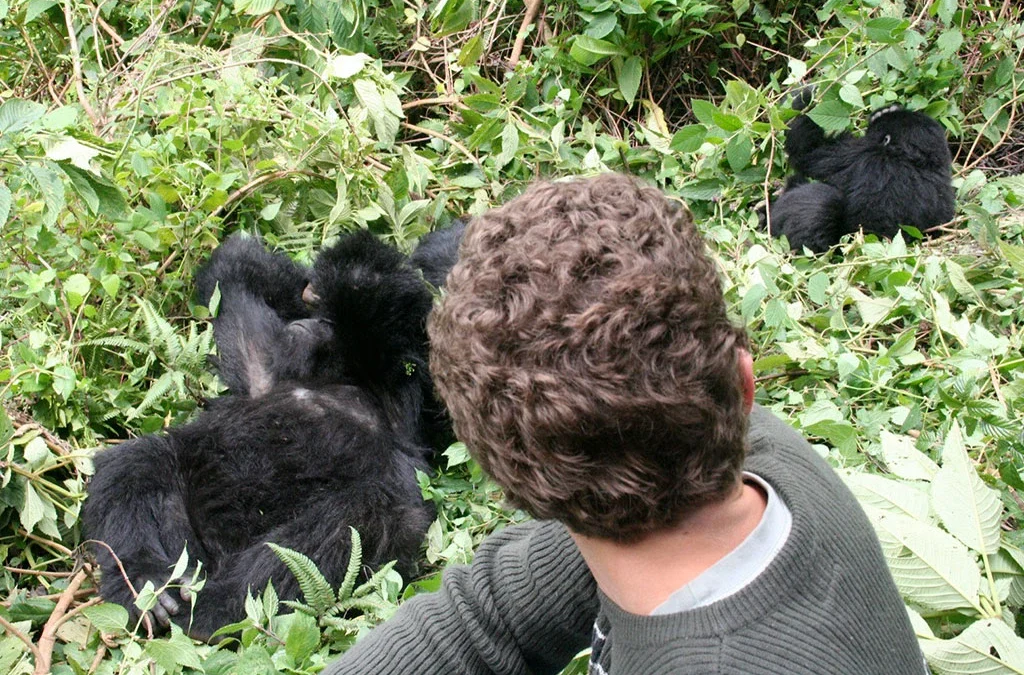
If you’ve dreamed of standing just a few feet from a wild mountain gorilla, Uganda turns that dream into a real, muddy, unforgettable morning in the forest. Travelling there from Morocco takes some planning, yet the journey rewards you many times over. This guide walks you through the whole trip, step by step. You’ll learn how to fly from Casablanca to Entebbe, where to trek, and what each gorilla park offers. We break down the permit costs so nothing catches you off guard, and we lay out four packages built for different budgets and timelines. By the end, you’ll know exactly how to book with confidence. Iconic Africa Safaris handles the hard parts, so you can focus on the magic waiting deep in Uganda’s misty hills.
How Do You Fly from Morocco to Uganda?
No airline flies straight from Morocco to Uganda right now, so your trip includes one stop along the way. You’ll leave from Mohammed V International Airport (CMN) in Casablanca and land at Entebbe International Airport (EBB), Uganda’s main gateway. Several trusted carriers serve the route, including Royal Air Maroc, Kenya Airways, Qatar Airways, Ethiopian Airlines, and RwandAir. Each one connects through a hub rather than flying direct.
Most journeys pass through one of a few busy airports. Here are the connection points travellers use most:
- Addis Ababa (Ethiopian Airlines): A reliable favourite, with smooth onward links straight into Entebbe.
- Doha (Qatar Airways): A comfortable pick if you like modern airports, though it swings you east before turning south.
- Nairobi (Kenya Airways): A handy East African hub with frequent short hops to Entebbe.
Plan for roughly 12 to 18 hours of total travel, depending on how long your layover runs. Some connections move fast, while others build in a longer wait. Because of that gap, always check the full itinerary before you pay. Once you touch down at Entebbe, the hard travel sits behind you. An Iconic Africa Safaris guide meets you right at the airport, ready to welcome you, brief you, and get your adventure rolling.
Why Should You Choose Bwindi Impenetrable National Park?
Bwindi is the crown jewel of gorilla trekking in Uganda, and it draws most visitors for good reason. This ancient rainforest shelters about half of all the mountain gorillas left on Earth, so your chance of a sighting runs high. The forest itself is a UNESCO World Heritage Site, wrapped in mist and buzzing with birdsong from dawn.
What really sets Bwindi apart is choice. The park protects more than 19 habituated gorilla families, which means there’s a group to suit almost any traveller. Here’s why that variety matters:
- More families to visit: With over 19 habituated groups across four sectors, Bwindi gives you the widest pick of gorillas anywhere in Uganda.
- Trails for every fitness level: Routes range from gentle strolls to steep, muddy climbs, so your guide matches you to a trek that fits your energy.
Bwindi also stands alone as the only Ugandan park offering the gorilla habituation experience. Rather than the usual single hour, you spend four hours with a family while researchers help them grow used to people. For keen wildlife lovers, those extra hours feel like pure gold. Its location makes building a bigger trip easy too. From here, you can swing over to Queen Elizabeth National Park for tree-climbing lions or head to Kibale for chimp tracking. Reaching the park takes about a ten-hour drive from Entebbe, or a quick one-hour flight if you’d rather skip the road.
Insider Tip: Ask our consultant which sector suits you before booking. Buhoma and Ruhija sit up north, while Rushaga and Nkuringo lie south, and the right choice saves you hours of driving.
Why Should You Choose Mgahinga Gorilla National Park?
Mgahinga is Bwindi’s quieter, smaller sibling, and it carries a mood all its own. Tucked into Uganda’s far southwestern corner, the park spreads across the slopes of three dramatic volcanoes. That scenery alone justifies the trip, with misty peaks rising above bamboo forests and open moorland.
Just one habituated gorilla family named Nyakagezi lives here, which keeps treks intimate and crowds thin. If you’d happily trade Bwindi’s variety for peace and space, Mgahinga delivers exactly that. Because the park sits where Uganda, Rwanda, and the Democratic Republic of Congo meet, the gorillas sometimes wander across borders, adding a wild edge to every trek.
Gorillas aren’t the only reason to come, though. Mgahinga packs in extra adventures you won’t easily find elsewhere:
- Golden monkey tracking: These bright, playful primates live in the bamboo forest and make a colourful add-on to your gorilla day.
- Volcano hikes: Fit travellers can climb one of the three volcanoes and catch sweeping views across three countries at once.
Getting to Mgahinga follows a similar route to Bwindi, whether you drive from Entebbe or hop a short flight to a nearby airstrip. Plenty of visitors pair the two parks, spending a few days in each to double their odds and soak up two very different landscapes. Choosing this park means choosing scenery, calm, and a real off-the-beaten-track feel. For anyone who wants their gorilla encounter wrapped in solitude and volcanic beauty, this little spot punches well above its weight.
Insider Tip: Add golden monkey tracking to the same trip. It’s a low-cost extra that fills a spare day and shows you a side of the forest most visitors never see.
What Is Trek Day Really Like?
Your day starts early, usually with a hot breakfast before the sun climbs too high. From your lodge, you drive to the park headquarters, where the real anticipation kicks in. Rangers gather everyone for a briefing and lay out the rules that keep both you and the gorillas safe. Two of those rules matter most:
- Keep your distance: Stay at least seven metres back to protect the gorillas from human illness and stress.
- Stay calm and quiet: Move slowly and speak in whispers, since sudden noise can unsettle the family.
Next, guides sort you into a group of no more than eight and match you to one gorilla family. That pairing weighs your fitness and how far you’re willing to hike, so gentle walkers and hardcore trekkers each land somewhere that fits. Meanwhile, trackers set out at dawn from where the family nested overnight, then radio your guide once they pin down the group.
Then the walking begins, and this is where “impenetrable” earns its name. Thick vines, muddy slopes, and towering trees block much of the sky. Some families rest near the trailhead for a short stroll, while others roam deep, turning the trek into three, four, even six hours of climbing. Along the way, your guide points out bent branches and knuckle prints that show you’re closing in. When you finally reach them, the clock starts on one precious hour. You watch a silverback lounge like a king while youngsters tumble and wrestle nearby. What surprises most people is how human it all feels, and that quiet connection stays with you long after you hike out.
Which Gorilla Package Fits You Best?
Uganda gives you plenty of ways to meet its mountain gorillas, whether you have a few days or a full week. Here are popular packages, each built around a different pace and budget:
- The 3-Day Gorilla Express: Short on time but set on gorillas? You drive from Entebbe to Bwindi, trek the next morning, and head back the day after. It’s the leanest way to tick this encounter off your list, perfect for busy travellers or honeymooners on a tight schedule.
- The 5-Day Gorilla and Wildlife Safari: This one pairs your Bwindi trek with a game drive through Queen Elizabeth National Park. After the forest, you swap jungle for savannah full of elephants, buffalo, and famous tree-climbing lions, then cruise the Kazinga Channel past hippos and birds.
- The 8-Day Primates and Wildlife Adventure: For the full experience, track gorillas in Bwindi, chimps in Kibale, and big game in Queen Elizabeth. Three headline adventures roll into one seamless trip, which makes it a dream for serious wildlife lovers and photographers.
- The Gorilla Habituation Experience: Ready to go deeper? This exclusive trip swaps the standard hour for four full hours with a semi-wild family in Bwindi’s Rushaga sector. You walk beside researchers as the group slowly grows used to company. It costs more, yet die-hard fans find those hours worth every shilling.
Let us know which package speaks to you, and we’ll shape it around your dates, group size, and comfort level. Nothing here is fixed, so we happily mix and match until the whole trip feels right.
What Do Gorilla Permits Cost?
Every gorilla trek in Uganda needs a permit, and the price depends on where you live and which experience you pick. That fee is far more than a ticket. It funds gorilla conservation, ranger wages, and the local communities who guard these animals daily. Here’s the standard pricing as of July 2026:
- Foreign non-residents: $800, the usual rate for international travellers flying in.
- Foreign residents: $700, for expats holding a valid regional residence permit.
- Africans from outside East Africa: $500, a solid discount for other continental visitors.
- East Africans: UGX 300,000, the local community rate.
During April, May, and November, standard permits drop to $600 for foreign non-residents and $500 for foreign residents. Rain is likely to fall more often then, yet thinner crowds make it a smart trade.
How Do You Book Your Uganda Gorilla Safari?
Ready to lock it in? Reach us through the booking form, email info@iconicafricasafaris.com, or tap the WhatsApp button in the bottom right corner of your screen for an instant chat. Tell us your travel dates, how many people are in your private group, your preferred comfort level among Budget, Mid-Range, and Luxury, and the number of days you’d like. One of our local consultants then builds a personalised, fully costed itinerary around your wishes. We’re just a message away, 24 hours a day. One more thing worth stressing: permits are limited and sell out fast. If you plan to travel during the peak months of June to September or December to February, book 3 to 6 months ahead to guarantee your spot.