
How to Book Uganda Gorilla Safari from Egypt
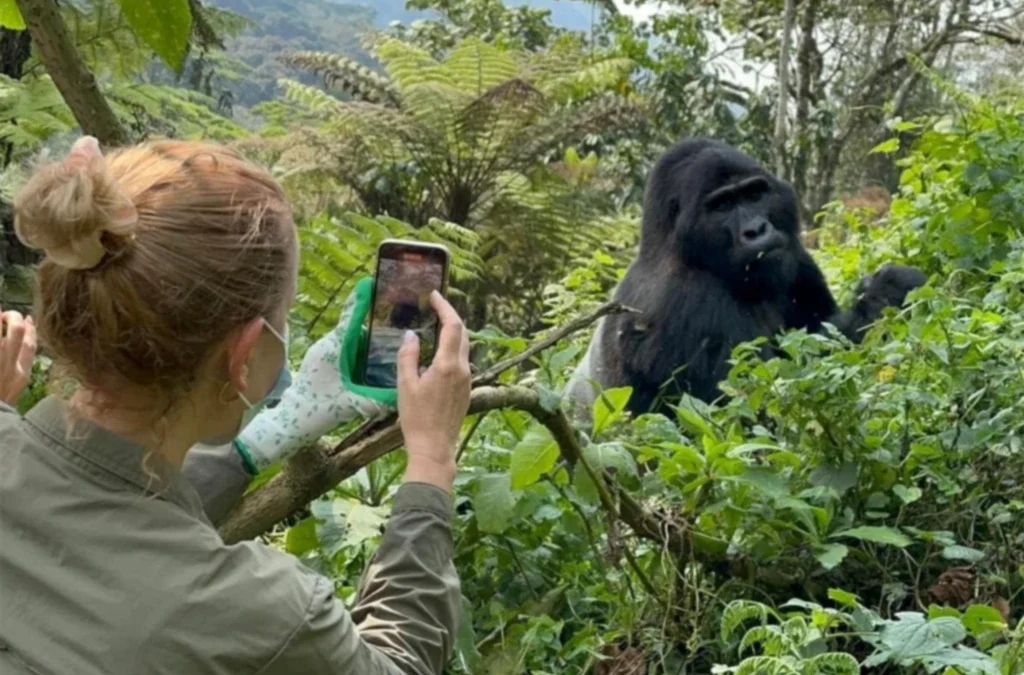
If you dream of standing a few feet from a wild mountain gorilla, Uganda is the best and affordable place where that dream comes true. Getting there from Egypt is easier than most people expect. You catch a flight from Cairo, land in East Africa, and within a day or two you’re deep in a misty rainforest tracking one of the rarest animals on Earth. This guide walks you through every step, from booking your flight to picking the right park and locking in your gorilla permit. We keep things simple and clear, so you spend less time stressing over logistics and more time picturing that first eye-to-eye moment. Uganda protects more mountain gorillas than anywhere else, which makes it the safest bet for a sighting. Ready to plan the trip of a lifetime? Let’s start with how you actually get from Egypt to the gorillas.
How Do You Get from Egypt to Uganda?
Flying is the quickest and simplest way to reach Uganda from Egypt. Two airports work as your entry point: Entebbe International Airport (EBB) in Uganda, or Kigali International Airport (KGL) in neighbouring Rwanda. Both put you within easy reach of the gorilla parks, so your choice often comes down to price and schedule.
For most travellers, the smoothest option is a direct flight from Cairo to Entebbe. EgyptAir runs non-stop service on this route, and the trip takes roughly five hours. Here’s what your flight options look like:
- Direct route: EgyptAir flies non-stop between Cairo (Terminal 3) and Entebbe, which saves you the hassle of changing planes.
- Layover airlines: Ethiopian Airlines and Qatar Airways offer one-stop flights through hubs like Addis Ababa or Doha, handy when you want more departure times or a cheaper fare.
Prefer to land in Rwanda instead? EgyptAir also flies non-stop from Cairo to Kigali in about five hours and twenty minutes. Ethiopian Airlines is another solid pick here, with daily departures that give you flexible planning. From Kigali, a short road transfer (4-5 hours drive) carries you across the border to Uganda’s southern gorilla parks, often faster than driving all the way from Entebbe (8-10 hours).
Whichever airport you choose, book your ticket early. Fares might climb as your travel date nears, and popular routes might fill up during peak safari months. Once your flight is sorted, the real adventure begins.
Why Choose Bwindi Impenetrable Forest National Park?
Uganda earns its title as the Pearl of Africa for good reason. More than half of the world’s remaining mountain gorillas live inside its borders, which gives you a real shot at a sighting. The country offers two parks for trekking and Bwindi Impenetrable Forest National Park is the star of the show.
Bwindi sits about a 10-hour drive or a quick 1-hour flight from Entebbe. What sets it apart is variety. The park is home to more than 19 habituated gorilla families, so there’s a group to match almost any fitness level and trekking style. Here’s why so many travellers pick it:
- More gorilla families: With over 19 habituated groups, Bwindi gives you the widest choice of gorillas to visit anywhere in Uganda.
- Trails for everyone: Routes range from gentle walks to steep, muddy climbs, letting you pick a trek that fits your energy and experience.
Because Bwindi is so large and diverse, your guides can often match you to a gorilla family based on how far you’re willing to hike. That flexibility matters, since some treks last an hour while others stretch across most of the day.
The forest itself is ancient and thick, wrapped in mist and alive with birdsong. Tracking gorillas through that tangled green world feels like stepping into another century. Few places on Earth deliver a wildlife moment this raw and this close, which is exactly why Bwindi tops the list.
Insider Tip: If you have fitness concerns, ask your consultant to match you to a gorilla family that suits your fitness. A shorter, easier trek leaves you more energy to enjoy the precious hour with the gorillas.
What Makes Mgahinga Gorilla National Park Unique?
Mgahinga Gorilla National Park is Uganda’s second gorilla destination, and it carries a completely different mood from Bwindi. Tucked into the far southwest corner of the country, the park spreads across the slopes of three towering volcanoes. The scenery alone makes the trip worthwhile.
Mgahinga feels smaller and quieter than Bwindi, which appeals to travelers who want fewer crowds. One habituated gorilla family (Nyakagezi) lives here, so treks stay intimate and personal. Because the park sits where Uganda, Rwanda and the Democratic Republic of Congo meet, the gorillas sometimes roam across borders, adding a wild unpredictability to every trek.
Beyond the gorillas, Mgahinga gives you plenty more to do:
- Golden monkey tracking: These bright, playful primates live in the bamboo forests and make a fun add-on to your gorilla trek.
- Volcano hikes: Fit travellers can climb one of the three volcanoes for sweeping views across three countries at once.
Getting to Mgahinga takes a similar journey to Bwindi, whether you drive from Entebbe or catch a short flight to a nearby airstrip. Many visitors pair the two parks, spending a few days in each to double their chances and soak up two very different landscapes.
Affordability is another strong draw. Gorilla permits in Uganda sit at $800 as of July 2026, which undercuts what you’d pay in neighbouring Rwanda. That gap lets you stretch your budget further, whether toward better lodging or an extra activity. For value seekers who still crave a top-tier encounter, Mgahinga delivers plenty of reasons to pack your bags.
How Much Does a Gorilla Permit Cost?
Every gorilla trek in Uganda requires a permit, and the price depends on where you live and which experience you choose. A permit isn’t just a ticket. The money funds conservation, ranger salaries, and the local communities who protect these animals every day.
Here’s the standard pricing for a regular gorilla trek:
- Foreign non-residents: $800
- Foreign residents: $700
- Africans from outside East Africa: $500
- East Africans: UGX 300,000
Want an even deeper experience? The gorilla habituation programme in the Rushaga sector lets you spend 4 hours with a gorilla family instead of the usual 1, as researchers help the group grow used to human visitors. That access costs more:
- Foreign non-residents: $1,800
- Foreign residents: $1,500
- Africans from outside East Africa: $1,000
- East Africans: UGX 750,000
Travelling on a tighter budget? Uganda drops its trekking permit prices during the low-season months of April, May and November. Within those windows, foreign non-residents pay just $600 and foreign residents pay $500. Rain falls more often then, though the discount and thinner crowds make it a smart trade for many.
Booking your permit early matters more than almost anything else. Only a limited number get released each day, and they sell out fast during peak months. Iconic Africa Safaris secures your permit the moment you confirm your dates, which saves you the stress of chasing availability.
Insider Tip: Travel in April, May, or November when you want to save. You’ll pay $200 less per permit and share the forest with far fewer people.
What Should You Expect on Trek Day?
Trek day starts early, usually with a sunrise breakfast at your lodge. After that, you drive to the park headquarters for a briefing, where rangers explain the rules and split visitors into small groups of 8. Each group gets its own gorilla family and a team of trackers who have already gone ahead to find them.
The hike itself can run short or long, and nobody knows for sure until you set off. Some families rest close to the trailhead, while others roam deep into the forest, which can mean several hours of climbing through thick vegetation. Sturdy boots, long sleeves, and a decent level of fitness go a long way here.
Once you reach the gorillas, the clock starts on your precious hour with them. You’ll watch them feed, groom, play,and nap just a few metres away. Silverbacks guard their families with calm authority, while babies tumble and wrestle like tiny acrobats. Cameras click, though many visitors simply stand still, stunned by how human these giants feel.
A few habits make the day smoother:
- Hire a porter: For a small fee, a local porter carries your bag and lends a hand on steep ground, all while supporting the community.
- Pack light but smart: Bring water, snacks, a rain jacket, and gardening gloves for gripping thorny branches.
When your hour ends, you hike back out carrying a memory that tends to stick for life. Trek day is tiring, muddy, and completely worth every single step.
Can You Combine Your Trek with Other Wildlife?
Gorilla trekking is the headline act, yet Uganda has a full supporting cast waiting for you. Because the parks sit within reasonable driving distance of each other, you can build one trip that packs in several bucket-list experiences.
Start with the gorilla habituation experience, which Bwindi offers exclusively. Instead of the standard one hour, this four-hour encounter ($1,800) lets you shadow a gorilla family as they slowly grow comfortable with people. Researchers and trackers walk beside you, sharing insights you’d never catch on a regular trek. For die-hard wildlife lovers, those extra hours are pure gold.
From there, you can branch out to Uganda’s other famous parks:
- Queen Elizabeth National Park: This classic safari destination is famous for tree-climbing lions, elephants, hippos, and boat cruises along the Kazinga Channel.
- Kibale Forest: Known as the chimpanzee trekking capital of Africa, Kibale lets you track our closest relatives through lush jungle.
Linking these places turns a single gorilla trek into a rich, varied safari. You might track gorillas one day, chimps the next, and watch lions lounging in fig trees soon after. Each stop adds a new layer to your adventure and a fresh set of photos you’ll show off for years.
Distances between parks stay manageable by road, and a good operator handles the transfers so you can relax and watch the scenery roll by. Uganda packs an incredible amount of wildlife into a small area, which makes combining experiences both easy and worth it.
Insider Tip: Plan a 9-day primates and game itinerary. Pair your Bwindi gorilla trek with chimpanzee tracking in Kibale and a classic safari in Queen Elizabeth National Park for one unforgettable journey.
How Do You Book Your Uganda Gorilla Safari?
Booking your safari takes just one message. Reach out through our booking form, drop us an email at info@iconicafricasafaris.com, or tap the WhatsApp button in the bottom-right corner of your screen for an instant chat. When you get in touch, tell us:
- Your travel dates and how many people are in your private group.
- Your preferred accommodation level, whether Budget, Mid-Range, or Luxury.
- The number of days you’d like to spend on safari.
Once we have those details, one of our local consultants builds a personalized, fully costed itinerary around your wishes. We’re available 24 hours a day, so help stays close.
One last thing worth reminding: gorilla permits are limited and sell out quickly. If you plan to travel during peak season, book 3 to 6 months ahead to lock in your spot.