
Best flights from Johannesburg to Uganda for Gorilla Safari
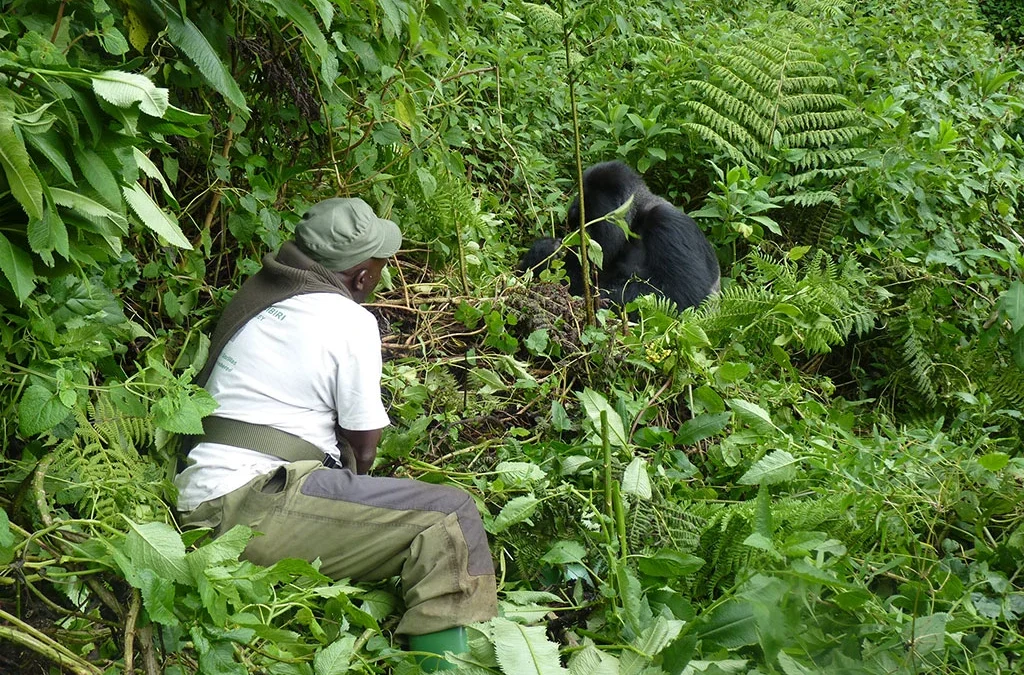
If you’re flying up from Johannesburg to meet Uganda’s mountain gorillas, the flight you pick shapes your whole trip. A smart route saves you a day of driving and gets you to the trailhead fresh. Uganda sits far north of South Africa, so you’ll cross several countries before you land at Entebbe. From there, the famous gorilla parks still lie a long way southwest. This guide walks you through the best flights, where the gorillas live, which forest sector suits you, and what the trek really feels like on the ground. You’ll also learn how safe the activity is, how likely you are to see the gorillas, and how to book everything without stress. Let’s get you sorted, step by step, from takeoff to that first eye-to-eye moment.
Which flights should you take from Johannesburg to Uganda?
Uganda Airlines flies you nonstop from Johannesburg (JNB) to Entebbe (EBB) in about 4 hours and 15 minutes, and that direct hop makes it the top pick for a gorilla trip. Since the main parks—Bwindi Impenetrable National Park and Mgahinga Gorilla National Park—sit an 8 to 10-hour drive or a short domestic flight past Entebbe, every hour you save in the air counts. Your best route depends on your budget, your schedule, and how many days you have. Cost, comfort, and connection times pull in different directions, so it pays to think ahead. Long layovers can also eat a trekking day, so mind your connections.
Here’s how the three main carriers compare:
- Uganda Airlines (best for speed): This one runs direct. Book the early flight (UR 713, leaving at 03:00) and you land at 08:15, in time to catch a domestic hop to the trekking region or knock out most of the overland drive on day one.
- Ethiopian Airlines (best for budget): The cheapest option, with a layover in Addis Ababa or Lilongwe. Pick this if you’d rather pour the savings into your gorilla permit.
- RwandAir (the clever detour): This flies through Kigali (KGL). Land there, then drive just 4 hours across the border into southern Bwindi—far shorter than the long haul from Entebbe.
So the choice comes down to what you value most. Speed lovers grab Uganda Airlines. Penny-pinchers lean Ethiopian. Anyone trekking in southern Bwindi should weigh the Kigali route seriously, because it trims hours off the road.
Where do Uganda’s mountain gorillas live?
Uganda’s mountain gorillas roam just two forests, both tucked into the country’s far southwestern corner. You’ll find them either in Bwindi Impenetrable National Park or in Mgahinga Gorilla National Park. For most trekkers, Bwindi wins hands down, and the numbers explain why.
Bwindi shelters roughly half of all mountain gorillas left on Earth. 19 gorilla families welcome visitors here, spread across four separate sectors—more habituated groups than any other gorilla sanctuary in the world. That range gives you real choice, whether you want easy access, a tough hike, or a quieter corner of the forest.
One rule matters before you book, though. Each Uganda gorilla permit ties you to a single sector or trailhead. So if you buy a permit for one part of Bwindi and later want to trek a different part, you’ll need to buy a fresh permit. Plan your sector first, then lock in the permit that matches it.
Mgahinga plays a smaller but charming role. This park holds one habituated gorilla family, called Nyakagezi, and it borders the dramatic Virunga volcanoes. Trekkers who visit often pair the gorillas with golden monkey tracking or a volcano climb, which turns one permit into a full mountain adventure.
Because the two parks sit close together in the same rugged highlands, many itineraries focus on Bwindi for the gorillas and add Mgahinga for variety. Think about the kind of day you want in the forest—gentle or grueling, busy or remote—and let that steer which park and which sector you aim for.
Which Bwindi sector should you pick?
All four Bwindi sectors deliver the same heart-stopping hour with the gorillas. What changes is the number of gorilla families, the difficulty of the hike, and the lodges nearby. Here’s a quick guide to help you choose:
- Buhoma (northwest): The oldest and most developed sector, with 5 habituated groups and 40 permits a day. Gorillas here sometimes sit just a 30-minute walk away, and the sector links easily to Queen Elizabeth National Park for a safari afterward. Lodges run from luxury to budget, so every traveler finds a bed.
- Nkuringo (southwest): Home to 3 groups and 24 permits, this sector rewards fit hikers with the toughest, most scenic trek. Photographers love the relaxed gorillas and the sweeping views of lakes, volcanoes, and the Rwenzoris. Expect mostly high-end lodges perched on the ridge.
- Rushaga (southwest): The permit king, with 6 habituated groups plus 2 semi-habituated families—48 trekking permits and 8 habituation permits daily. It sits about 30 minutes from Nkuringo’s fine lodges, so upmarket guests often sleep there and drive over for the trek.
- Ruhija (northeast): A quieter sector with 3 groups and 24 permits. Its handy position connects to both sides of the park and on to Queen Elizabeth, which draws budget trekkers, though good lodges here still take careful booking.
Over in Mgahinga, the Ntebeko trailhead runs the single Nyakagezi group with just 8 permits a day, plus golden monkeys and volcano hikes. So match the sector to your legs, your budget, and the trip you’re planning, and you’ll trek happy.
What happens on a gorilla trek?
Picture a long climb through misty, tangled rainforest, over ground that rises and dips with no clear path. You’ll trek in a group of eight, guided by an expert tracker with a machete and flanked by two armed rangers, until you reach a gorilla family and spend one magical hour beside them.
- Your day starts early. Reach the briefing point by 08:00 with a packed lunch, dressed for mud and thorns, and carry a copy of your passport plus your camera in a light backpack. A ranger then runs through the dos and don’ts before leading you into the trees.
- Once inside, the jungle closes around you—no signposts, no trails, just thick green in every direction. The tracker reads broken stems and fresh dung to work out which way the gorillas moved, cutting a path as he goes. You’ll sweat, you’ll slip, and you’ll get gloriously muddy.
- Altitude adds a twist. These gorillas live high, between 2,200 and 4,300 meters, so thin air may leave you puffing. Tell your guide at once if your head feels light, and sip water often to stay strong.
- Nobody can predict how far the family wandered overnight, so patience serves you well here. A trek might last 30 minutes or stretch to four hours before the trackers close in.
- Then comes the moment you came for. Dark shapes shift inside the leaves, and a heartbeat later you realize they’re wild gorillas, calm and close. One may glance up before returning to its meal. That first eye-to-eye look stays with you long after your boots dry out.
Is the trek safe, and will you actually see the gorillas?
Gorilla trekking in Uganda ranks as a very safe adventure. Each gorilla group spends five slow years getting used to people before tourists ever visit, and rangers cap numbers at fewer than eight guests per group each day. Armed rangers walk with you for any surprise wildlife, a skilled tracker leads the way, and everyone keeps a 10-meter (32-foot) gap from the gorillas. Uganda Wildlife Authority and its researchers have fine-tuned these rules over many years to protect both people and primates.
Your odds of seeing the gorillas sit remarkably high. Early each morning, a team of rangers tracks a group from where it nested overnight, then radios your guide with the family’s exact location. If night troubles scatter a group, your team learns before setting off and simply assigns you another one. Because of this careful system, about 99% of trekkers meet the gorillas face to face.
Now for the effort involved. The trek rates as moderately hard, since you’ll push through muddy ground, steep slopes, and thick undergrowth with no ready-made trail. Still, almost anyone over 15 with average fitness can manage it, especially with a little help.
That help comes from porters, and hiring one makes a real difference:
- They carry your load: For about $20, a strong porter hauls your backpack and camera gear, and will even steady or push you on the hardest stretches.
- They give back: These young men and women once relied on the forest, so your fee sends tourism money straight into local homes.
Book a porter even if you feel fit—the small cost supports the whole community and helps keep the forest protected.
How do get to Bwindi or Mgahinga from Entebbe?
Getting to Bwindi or Mgahinga from Entebbe takes a little effort, and you have two ways to do it. The road route covers roughly 480 to 520 km and runs 9 to 10 hours, passing through Kampala and heading southwest via Mbarara, Ntungamo, and Kabale. Prefer to skip the long drive? Catch a scheduled or charter flight from Entebbe or Kajjansi to Kisoro or Kihihi airstrip in about 1.5 hours, then drive just 1 to 1.5 hours to your lodge. Either way, your gorillas await.
How do you book your Gorilla Safari in Uganda?
Good planning turns a bucket-list dream into a smooth trip, and three details matter most before you go.
- Permits sell out fast: Book yours months ahead through a registered operator like Iconic Africa Safaris or straight from the Uganda Wildlife Authority. During peak season, aim for 3 to 6 months in advance to lock your spot.
- Timing shapes the trek: The dry months—June to August and December to February—make the forest floor firmer and the climb kinder on your legs.
- Yellow fever is non-negotiable: Uganda requires a valid yellow fever vaccination certificate before you enter, so sort this early.
Booking with us takes minutes. Reach out through the booking form on the site, email info@iconicafricasafaris.com, or tap the WhatsApp button in the bottom-right corner for an instant chat. Tell us your travel dates, your group size, your budget level (Budget, Mid-Range, or Luxury), and how many days you’d like. One of our local consultants then builds a costed, personal itinerary around exactly what you want—day or night, we’re a message away.