
The Best Month for Gorilla Safari in Uganda
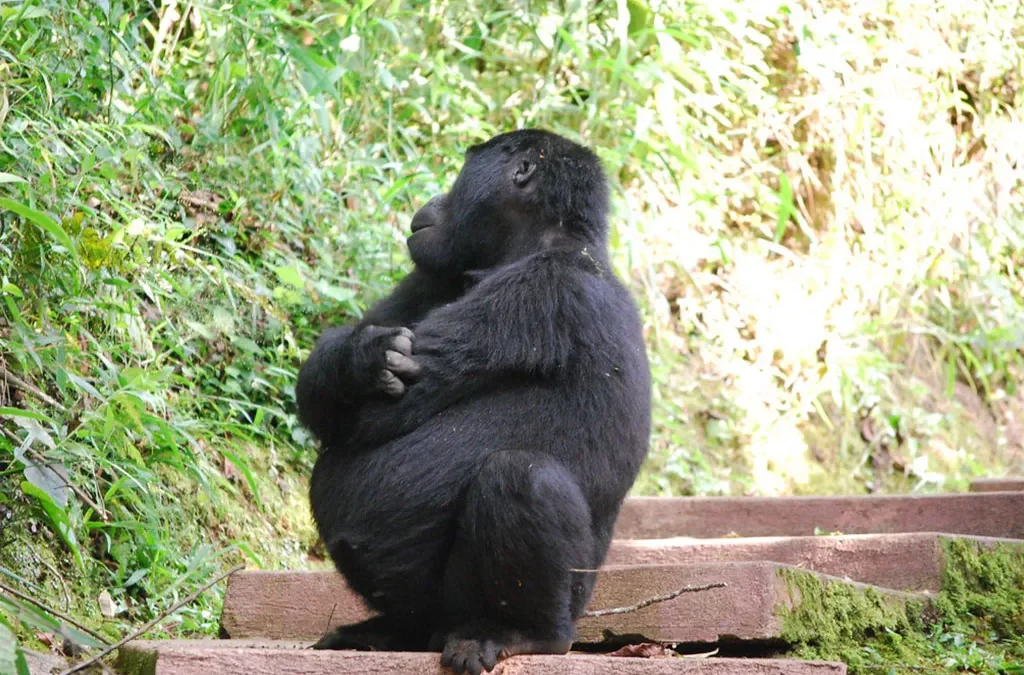
Are you planning a safari to see mountain gorillas in Uganda? If so, you’re aiming for one of the most memorable wildlife experiences on the planet. Choosing when and where to trek makes a big difference to the quality of your visit, your comfort on the trail and the cost of permits and lodges. This guide explains the best months to go, where to trek, what to expect from each park, and practical tips to help you plan a smooth, safe, and unforgettable gorilla safari.
What are the best months for gorilla trekking?
The ideal time for gorilla trekking depends on what you want from the trip. Two main dry seasons stand out: June to October and December to February. Trails are usually drier and easier to walk then, and gorillas often spend more time feeding in accessible areas. If you value easier hiking and higher chances of dry weather, these months are the safest bet.
That said, the dry-season months also attract the most visitors. Expect larger groups at trailheads, busier lodges and undiscounted prices for permits and accommodation. If you prefer quieter trails and lower prices, consider the shoulder months – April, May and November. During these months you may still enjoy clear days and easier treks, but with fewer crowds and discounted lodge rates. Permits for foreign non-residents in the shoulder periods, drops from 800 USD to 600 USD; and foreign residents from 700 USD to 500 USD. These discounts make shoulder months attractive for budget-savvy travelers who don’t mind unpredictable wet conditions.
In short:
- June–October, December–February: drier trails, easier hiking, higher crowds and prices.
- April, May, November: shoulder months, fewer visitors, discounted lodge costs and often discounted permit fees, but more chance of afternoon rain.
Where should you go for gorilla trekking in Uganda?
Uganda offers two prime gorilla destinations, both in the southwest. Each park has a different feel, terrain and trekking experience. Choosing between them depends on how much trekking you want to do, which views you prefer and whether you want to combine gorilla trekking with other activities.
Both parks protect mountain gorillas and provide world-class encounters, but their landscapes and logistics differ significantly.
Why choose Bwindi Impenetrable Forest National Park?
Bwindi is the classic gorilla destination in Uganda and contains the majority of habituated gorilla families available for trekking. It delivers a true rainforest experience, with dense jungle, steep slopes, misty valleys and a strong chance of dramatic close-up sightings.
Key features of Bwindi:
- Multiple trekking sectors: Buhoma, Ruhija, Rushaga, and Nkuringo. Each sector supports different habituated families and presents varying hiking difficulty levels. Some trails are short and steep; others are longer with more gradual slopes.
- Rushaga habituation experience: A unique option in Rushaga lets visitors participate in a gorilla habituation visit. This gives up to 4 hours with a semi-habituated family under researcher supervision, offering deeper insight into gorilla behavior and research work.
- Rich biodiversity: The forest supports chimpanzees, forest elephants, L’Hoest’s monkeys, black-and-white colobus monkeys, and more than 300 bird species. If you love lush rainforest and varied wildlife, Bwindi is ideal.
- Accessibility and accommodation range: Bwindi offers a wide range of lodges and guesthouses from luxury to budget, many positioned close to trailheads to simplify logistics.
Suitable for:
- Travelers who want the full jungle experience.
- Hikers prepared for varied, sometimes steep trails.
- Visitors who want multiple trekking options within the same park.
Why choose Mgahinga Gorilla National Park?
Mgahinga is smaller and more volcanic in character, sitting along Uganda’s borders with Rwanda and the Democratic Republic of Congo. It offers open bamboo forests, high ridges and dramatic views of extinct volcanoes. If you’d like a quieter, scenic trek with the chance to see golden monkeys too, Mgahinga is an excellent choice.
Key features of Mgahinga:
- Nyakagezi gorilla family: The park hosts a single, well-known habituated gorilla family that often includes several silverbacks. Sightings can be particularly dramatic because of their group composition.
- Volcanic scenery: Treks take place on the slopes of Mount Gahinga, Mount Sabinyo, and Mount Muhavura. The terrain can be more open and panoramic than the dense canopy of Bwindi.
- Golden monkey trekking: The park is one of the few places where you can trek for golden monkeys, a playful and rare primate species. Adding a golden monkey trek is simple when you visit Mgahinga.
- Less crowded: Because Mgahinga is smaller and less famous, it tends to draw fewer visitors. If you want quiet trails and fewer people, this park is a good match.
Suitable for:
- Travelers who prefer volcanic landscapes and panoramic views.
- Visitors who want a quieter, more intimate feel.
- Those who want to combine gorilla trekking with golden monkey trekking.
How long does a gorilla trek usually take?
Trekking time varies a lot depending on the gorilla family’s location on the day and the chosen sector. Treks can last anywhere from one hour to an entire day. Guides search until they find the group, and sometimes groups move higher into the forest or deeper into ravines.
A typical day:
- Early morning briefing at the visitor center.
- Walk up to the trailhead with a ranger, then follow trackers into the forest.
- Once the gorillas are found, you’ll have one hour with them (standard viewing time).
- Return to the park headquarters and receive a certificate or summary of your trek.
Pack for a full day and expect muddy trails, slippery roots, and variable weather.
What should you bring on the trek?
Bring only what you need, in a comfortable daypack. Here are the essentials explained:
- Sturdy walking shoes: Comfortable boots with good grip. Trails can be uneven and muddy.
- Rain jacket: Lightweight and breathable, for sudden showers in the forest.
- Long trousers and long-sleeved shirts: Protect against nettles, thorns, and insects.
- Gloves: Thick gardening-style gloves help when grabbing vines or sliding on steep sections.
- Gaiters: Keep mud and insect bites off your lower legs.
- Water and snacks: At least 1–2 liters of water and light snacks for energy.
- Camera with zoom lens: Respect the 7-meter rule or the guide’s instructions. Use silent mode and avoid flash.
- Insect repellent and sunscreen: The forest still has sunlit areas and mosquitoes.
- Small first-aid kit: Blister plasters, painkillers and any personal medication.
What are the rules during a gorilla trek?
Ranger-led gorilla encounters come with clear rules to protect both you and the gorillas. Following them keeps the group safe and preserves the gorillas’ health.
- Keep at least 7-10 meters (about 21 feet) from the gorillas unless the guide directs otherwise.
- No flash photography and no loud noises.
- Avoid coughing or sneezing near the gorillas; masks may be required if you’re ill.
- Do not eat or drink near the gorillas.
- Follow the guide’s instructions at all times.
- Respect the one-hour viewing limit.
Why choose Iconic Africa Safaris for this adventure?
Planning a successful safari requires meticulous attention to detail, reliable transport, and deep local knowledge. Iconic Africa Safaris structures custom journeys that ensure your safety and comfort throughout the entire expedition.
- Highly experienced driver guides: Local experts who have navigated the mountain roads for many years will drive you safely to the trailheads while sharing deep insights about Ugandan culture and wildlife behavior.
- Dedicated office consultants: Knowledgeable agents listen carefully to your personal budget, fitness levels and accommodation preferences to design a perfectly balanced, transparently costed itinerary.
- Robust 4×4 Land Cruisers: The entire fleet consists of customized four-wheel-drive vehicles equipped with popup roofs, charging stations, and heavy-duty suspension built to handle rough forest tracks easily.