
How to Travel Safely in Rwanda and Tanzania
Your Safe Journey Through Rwanda and Tanzania
East Africa welcomes you with open arms, stunning landscapes, and unforgettable adventures. Rwanda and Tanzania share strong connections that make traveling between them surprisingly easy. You’ll discover mountain gorillas in misty forests, climb Africa’s highest peak, and explore vibrant cities bursting with culture. These two nations offer incredible experiences for every traveler, from budget backpackers to luxury seekers. Moreover, both countries have worked hard to create safe, tourist-friendly environments. Whether you’re crossing borders for business, leisure, or wildlife encounters, multiple transport options await you. This guide walks you through everything you need to know about traveling safely and confidently between these remarkable destinations.
Getting from Tanzania to Rwanda
You have three practical ways to travel between these countries. Each option suits different budgets, schedules, and travel styles. Additionally, your choice depends on how much time you have and what kind of journey you want.
Flying Between Countries
Direct flights connect major Tanzanian cities to Kigali International Airport in just 1.5 to 2.5 hours. RwandAir operates the best direct routes from Dar es Salaam to Kigali, making your journey quick and comfortable. Precision Air offers connections through Mwanza or Nairobi, while Ethiopian Airlines routes you via Addis Ababa. Furthermore, Kenya Airways and Qatar Airways provide connecting flights through their hubs.
Book your tickets early, especially between June and September when demand peaks. Early booking saves you money and gives you better flight options. This becomes the ideal choice when you value time over budget.
Taking the Bus
Long-distance buses offer the most affordable way to cross borders. Buses depart from Mwanza, Arusha, or Dar es Salaam and arrive in Kigali after 12 to 16 hours. Kigali Coach provides comfortable seats at reasonable prices, while Tahmeed Coach runs reliable services via Mwanza. Mash Poa serves budget-conscious travelers perfectly.
Your bus crosses at Rusumo Border Post, where immigration officers process your documents. Pack snacks, water bottles, and local currency for small purchases along the way. Consequently, you’ll stay comfortable during the long journey.
Driving Your Own Vehicle
Private cars give you complete freedom to explore at your own pace. The journey takes 10 to 14 hours, depending on your starting point and road conditions. You can stop at scenic viewpoints, visit small towns, and create your own adventure. However, you must arrange proper documentation before hitting the road.
Your vehicle needs cross-border permits to pass through Rusumo Border Post legally. Carry your valid driver’s license and International Driving Permit for smooth interactions with authorities. Bring original vehicle registration documents and motor insurance covering cross-border travel. At the border, you’ll obtain a Temporary Import Permit allowing your foreign-registered vehicle into Tanzania temporarily.
Officials require third-party insurance at most border crossings, protecting you against accidents or vehicle damage. Your car should contain basic safety equipment including a reflective triangle, fire extinguisher, and first-aid kit. Prepare to pay small border fees for processing permits and customs inspections.
Benaco-Kabanga Border serves as an alternative route for travelers from western Tanzania. Nevertheless, Rusumo remains the shortest and most popular crossing point.
Border Crossing Essentials
Crossing between Tanzania and Rwanda requires proper documentation. Non-EAC citizens need valid visas for entry, while East African residents use alternative travel documents like Certificates of Identity or Inter-state Passes. Everyone must show proof of yellow fever vaccination and full COVID-19 vaccination certificates.
International airports throughout the East African Community connect you to the world. Most major towns have smaller airports serving regional flights. The region experiences two rainy seasons annually—long rains from late March to early May, and short rains from late October to early December. Temperatures vary from tropical heat to temperate coolness depending on elevation.
Staying Safe in Rwanda
Rwanda ranks as the sixth safest country worldwide and Africa’s safest destination for solo travelers, according to a 2022 Usebounce survey. This East African gem maintains one of the continent’s lowest crime rates. The government implements strong security measures, and police presence remains visible throughout the country.
Rwandan people genuinely welcome tourists with warmth and hospitality. Well-developed infrastructure includes safe, reliable transportation making exploration effortless. Violent crime rarely occurs here, though petty theft like pickpocketing can happen in crowded areas.
Practical Safety Measures
Stay aware of your surroundings, especially in busy marketplaces and tourist spots. Keep your belongings close and avoid walking alone after dark. Use only licensed taxis for getting around—they’re safer and more reliable. Avoid minibuses and motorbikes because they lack proper safety standards.
Store your valuables securely in hotel safes or locked vehicles. Dress modestly when visiting rural communities to respect local customs. Stay informed about border regions near the Democratic Republic of Congo, where occasional instability occurs. Follow these simple guidelines and Rwanda rewards you with an incredibly safe travel experience.
Navigating Tanzania Safely
Tanzania offers extraordinary adventures, but urban areas face challenges similar to cities worldwide. Understanding potential risks helps you stay protected throughout your journey.
City Safety Tips
Petty crimes like pickpocketing and snatch-and-grabs occur in crowded tourist areas. Use reputable taxi companies instead of unlicensed drivers to avoid scams and robberies. Don’t wander alone at night, particularly in unfamiliar neighborhoods. Stick to well-lit, populated streets and explore with groups or trusted guides whenever possible.
Leave flashy jewelry, expensive gadgets, and large cash amounts at home. Carry essentials in concealed money belts or bags with difficult access. Make copies of your passport and identification, keeping originals locked safely at your accommodation. Walk away from busy roadsides to prevent opportunistic snatch-and-grabs.
Communicate regularly with your tour operator or trusted local contacts. They provide valuable insights about areas to avoid and situations requiring extra caution. If someone threatens you, prioritize your safety over your possessions. Comply with demands rather than resisting, then report incidents immediately to local authorities.
Border Security Concerns
Exercise heightened caution near Tanzania’s southern border with Mozambique, specifically in Mtwara, Lindi, and Ruvuma regions. The border areas near Burundi and the Democratic Republic of Congo around Kioma also require vigilance. Terrorist activities occasionally target these zones, threatening government buildings, religious sites, and public spaces.
Monitor travel advisories from your government and Tanzanian authorities regularly. These sources provide crucial security updates and regional warnings.
Safari Adventures
National parks rarely experience robberies, but precautions ensure memorable wildlife encounters. Choose licensed tour companies employing well-trained guides who prioritize client safety. Listen carefully to park rangers and campsite staff—their local knowledge proves invaluable.
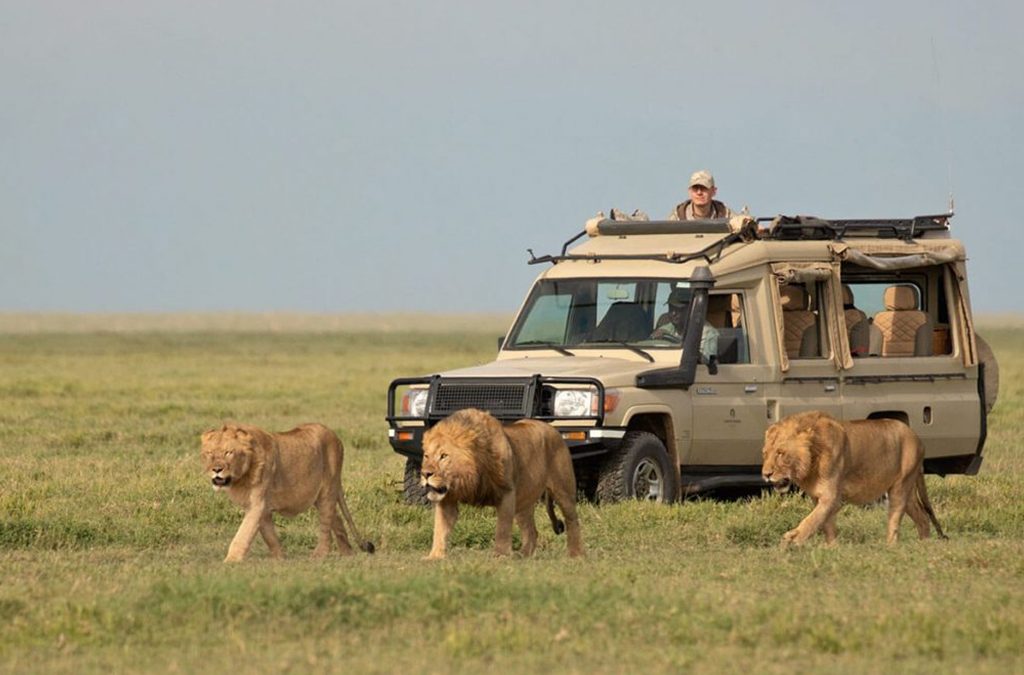
Protect yourself from wild animals by following your guide’s instructions precisely. Stay inside vehicles during game drives, maintain safe distances from animals, and never provoke wildlife. Watch children constantly and teach them about respecting animals and maintaining safe distances. Ask your tour operator about child-friendly activities ensuring comfortable family experiences.
Climbing Kilimanjaro
Altitude sickness and climbing injuries pose real risks on Africa’s highest peak. Choose longer routes allowing proper acclimatization, maintain slow climbing paces, and trust experienced guides. Stay hydrated, wear appropriate gear, and maintain physical fitness through pre-climb training.
Research thoroughly before selecting your climbing operator. Read reviews, seek recommendations, and verify comprehensive safety protocols. Reputable companies make all the difference between challenging adventures and dangerous situations.
Road Travel Precautions
Many park roads feature long stretches of bumpy, gravelly terrain causing uncomfortable rides. Consult your doctor if you have back problems before embarking on extended road trips. Keep windows up and doors locked while traveling to minimize carjacking risks.
Use only government-operated taxis in cities beyond your tour operator’s services. Never accept rides from strangers claiming taxi services—many tourists become robbery victims this way. Plan your routes beforehand and remain vigilant about your surroundings.
Female Travelers
Women traveling solo should book tours with reputable operators prioritizing guest safety. Consider carrying pepper spray or personal alarms for added security. Avoid going out alone at night—join group activities or stay in well-lit, populated areas instead.
Share your location and travel plans with trusted contacts back home. Inform accommodation management when leaving property. Watch your food and drinks carefully to prevent tampering.
Zanzibar Island
Apply the same mainland safety guidelines when exploring Zanzibar’s stunning beaches. Respect local customs, traditions, and laws throughout your visit. Choose reputable ferry companies and avoid overcrowded vessels when traveling from the mainland.
While pirate activity exists in surrounding waters, tourist risks remain extremely rare. Stay within designated safe areas and avoid venturing too far into the ocean. Consult local authorities and tour operators before participating in water sports.
Essential Safety Guidelines
Learn about Tanzanian and Rwandan customs, traditions, and cultural norms before arriving. Show respect for local practices to build positive connections. Keep emergency numbers saved, including local police, ambulance services, and your embassy contact information.
Inform family or friends about your complete itinerary, including accommodation details and schedule changes. Use location-sharing apps to keep loved ones updated about your movements. Research tour operators thoroughly before booking safaris, mountain climbs, or excursions.
Trust your instincts throughout your travels. Stay alert in crowded areas and unfamiliar environments. Exercise caution when meeting new people. These simple practices significantly enhance your safety while allowing you to fully embrace East African adventures.
Rwanda and Tanzania await with incredible experiences, welcoming communities, and breathtaking natural wonders. Follow these guidelines and your journey becomes both safe and unforgettable.