
How Many Days You Need for a Safari in Tanzania
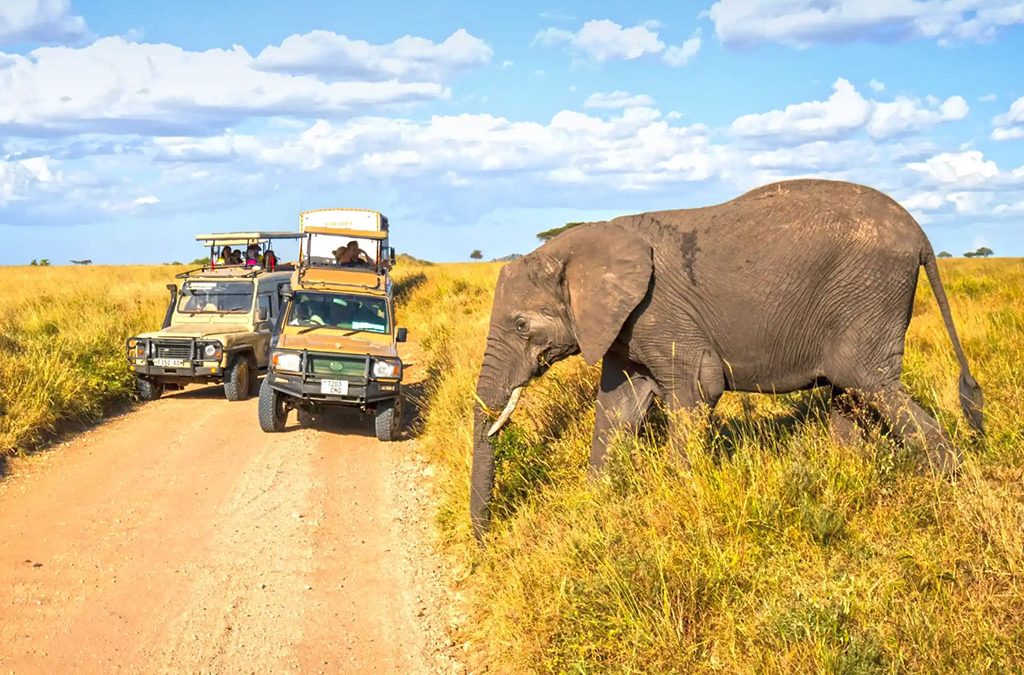
The Number of Days You Need for a Safari in Tanzania
A typical safari in Tanzania takes between 5 to 7 days to give you the best experience. Most travelers find this timeframe perfect for seeing Africa’s famous wildlife without feeling rushed. During this period, you can visit multiple national parks and witness incredible animals in their natural habitat. The length of your trip depends on your budget, interests, and available time.
Tanzania offers some of the world’s best wildlife viewing opportunities. You can see the Big Five animals, watch the Great Migration, and explore diverse landscapes. However, planning the right duration requires careful thought. Too short, and you miss amazing experiences. Too long, and costs increase significantly.
First-time visitors often wonder how much time they need. Safari experts recommend at least 5 days for a meaningful experience. This allows you to adjust to the African environment and fully appreciate the wildlife encounters. Additionally, you need time to travel between parks and settle into the safari rhythm.
Short Safari Options (3-5 Days)
Short safaris work well for travelers with limited time or budget. These quick trips focus on one or two major parks. You spend less time traveling and more time viewing animals. Many tour operators offer 3-day packages that include Serengeti National Park or Ngorongoro Crater.
During a short safari, you typically stay in one area. This approach reduces travel time between destinations. However, you sacrifice variety in landscapes and wildlife experiences. Short trips often use small aircraft to maximize game viewing time. These flights cost more but save precious hours on the road.
Budget travelers often choose short safaris as their first African experience. The reduced duration keeps costs manageable while still providing authentic wildlife encounters. Nevertheless, you might feel rushed and miss out on special moments that longer trips offer.
Standard Safari Duration (5-7 Days)
Most safari-goers choose the 5-7 day option for good reasons. This timeframe provides excellent value for money and comprehensive wildlife experiences. You can visit three to four different parks during this period. Each park offers unique animals and landscapes.
A week-long safari typically includes Serengeti National Park for its vast plains and predator action. You also visit Ngorongoro Crater, famous for its high animal density. Furthermore, you can add Tarangire National Park for elephant herds or Lake Manyara for tree-climbing lions.
This duration allows for relaxed game drives without constant rushing. You have time to photograph animals and enjoy sundowner drinks. Moreover, you can experience both morning and afternoon game drives in each location. The pace feels comfortable, and you return home satisfied with your African adventure.
Standard safaris offer flexibility in accommodation choices. You can mix budget camping with mid-range lodges. Alternatively, you might splurge on luxury tented camps for the full safari experience.
Extended Safari Adventures (7-10+ Days)
Longer safaris appeal to serious wildlife enthusiasts and photographers. These extended trips allow you to explore remote areas and witness seasonal events. You can time your visit to catch the Great Migration in different locations. Additionally, you have opportunities to visit less crowded parks.
Extended safaris often include cultural experiences with local tribes. You might visit Maasai villages or learn about traditional hunting methods. These interactions add depth to your African experience beyond wildlife viewing.
Longer trips also allow for different activities. You can go on walking safaris, night game drives, or hot air balloon rides. Some travelers add beach time in Zanzibar after their mainland safari. This combination creates a perfect vacation mixing adventure with relaxation.
However, extended safaris require larger budgets and more vacation time. The additional days significantly increase accommodation and park fees. Weather conditions might also affect longer trips more than shorter ones.
Important Planning Factors
Several factors influence your ideal safari length. First, consider which animals you most want to see. The Big Five require visits to specific parks and adequate time for spotting them. Lions and elephants appear more commonly than leopards or rhinos.
Your photography goals also matter. Wildlife photographers need extra time to capture perfect shots. They often spend entire days waiting for the right lighting or animal behavior. Casual travelers need less time for photography.
Budget plays a crucial role in determining safari length. Longer trips cost significantly more in park fees, accommodation, and meals. However, the per-day cost often decreases with longer safaris due to package deals.
Travel style preferences affect your choice too. Some visitors prefer a fast-paced itinerary covering many parks quickly. Others enjoy a slower pace with more time in fewer locations. Consider your personality and travel preferences when deciding.
Sample Safari Itineraries
A 5-day safari might include two days in Serengeti, one day in Ngorongoro Crater, and one day each in Tarangire and Lake Manyara. This itinerary covers diverse ecosystems and wildlife populations.
For 7-day trips, you can spend three days in Serengeti during migration season. Add two days in Ngorongoro area and one day each in other northern parks. This allows for more relaxed exploration and better wildlife photography opportunities.
Ten-day safaris can combine northern and southern circuits. You might spend time in Ruaha National Park or visit the remote Katavi region. These longer trips often include domestic flights to cover greater distances efficiently.