
Number of Days to spend on Gorilla and Chimp Tour in Uganda
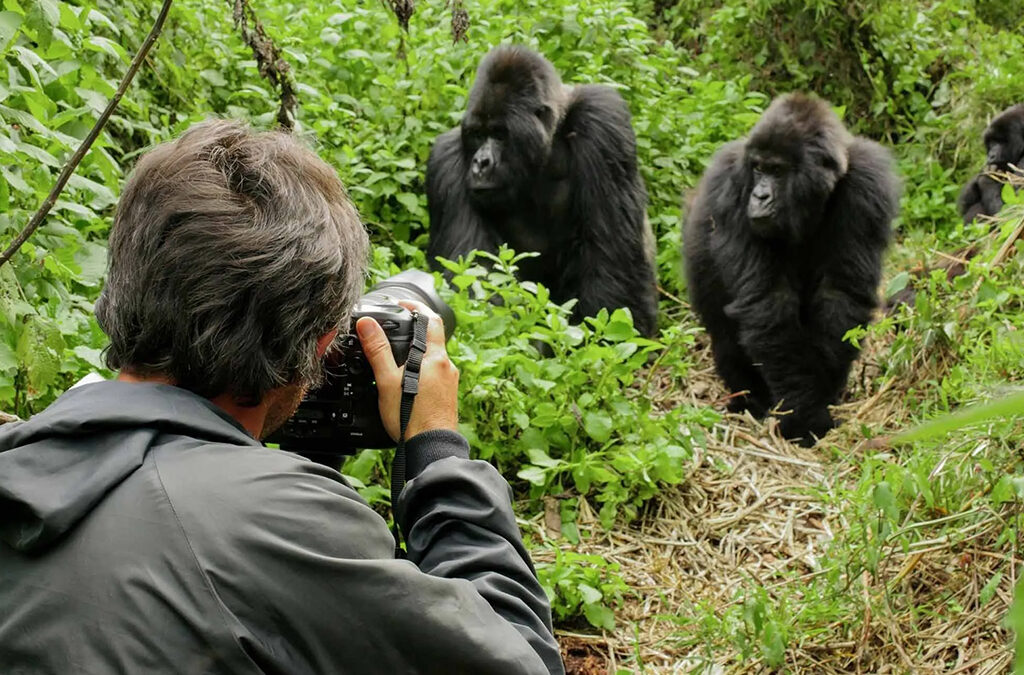
Planning a Gorilla and Chimp Tour in Uganda requires careful timing to maximize your wildlife experience. Most travelers need at least five days to visit both Bwindi Impenetrable Forest National Park for gorillas and Kibale Forest National Park for chimpanzees. This duration allows proper travel time between parks while providing adequate opportunities for successful wildlife encounters. The journey involves traversing Uganda’s scenic landscapes and experiencing two of Africa’s most remarkable primate habitats. Extended trips of six or seven days offer more relaxed schedules and additional activities for nature enthusiasts.
Recommended Duration for Your Primate Adventure
Five Days: The Minimum Timeline
Five days represents the shortest practical timeframe for experiencing both gorilla and chimpanzee trekking in Uganda effectively. This schedule accommodates travel logistics between the two national parks while ensuring adequate time for each trekking experience. Most tour operators recommend this duration because it balances efficiency with proper wildlife viewing opportunities. The timeline also accounts for potential weather delays and varying trekking difficulty levels at both locations.
Extended Options: Six to Seven Days
Longer itineraries provide more flexibility and reduce the rush between destinations while allowing for additional wildlife activities. Six-day trips often include cultural experiences with the Batwa people or visits to scenic Lake Bunyonyi. Seven-day adventures frequently incorporate Queen Elizabeth National Park for traditional game drives featuring elephants and lions. These extended options suit travelers who prefer relaxed schedules over intensive wildlife viewing marathons.
Day-by-Day Itinerary Breakdown
Day 1: Journey to Bwindi Impenetrable National Park
Your adventure begins with travel from Kampala or Entebbe to Bwindi Impenetrable National Park in southwestern Uganda. The journey typically takes eight to nine hours by road through Uganda’s beautiful countryside and rolling hills. Most travelers stop in Mbarara town for lunch and fuel before continuing toward the park entrance. Upon arrival, you settle into your chosen accommodation and prepare for the next day’s gorilla encounter.
About Bwindi Impenetrable National Park
Bwindi Impenetrable National Park covers 331 square kilometers of ancient rainforest along Uganda’s border with the Democratic Republic of Congo. The park protects nearly half of the world’s remaining mountain gorilla population with approximately 459 individuals. Dense vegetation creates a challenging but rewarding environment for gorilla tracking through steep terrain and thick undergrowth. The forest also hosts over 350 bird species and numerous other primates including chimpanzees and colobus monkeys.
Day 2: Gorilla Trekking Experience in Bwindi
Pre-Trek Briefing Process
Your gorilla trekking day starts early with a comprehensive briefing at the park headquarters by 7:30 AM. Park rangers explain safety protocols, tracking procedures and rules for gorilla encounters during this essential orientation session. You receive walking sticks and have the opportunity to hire local porters who assist with carrying backpacks. The briefing also covers physical fitness requirements and what to expect during the forest trek.
The Gorilla Tracking Adventure
Gorilla trekking involves hiking through dense forest terrain following experienced guides who track specific gorilla families daily. Trek duration varies from one to eight hours depending on gorilla location and movement patterns. Once you locate a gorilla family, you spend exactly one hour observing these magnificent creatures from a safe distance. The experience includes watching gorillas feed, play and interact in their natural habitat while maintaining strict viewing guidelines.
Gorilla Permit Costs and Requirements
Gorilla trekking permits in Uganda cost $800 per person for foreign non-residents, $700 per person for foreign residents, $500 per person for Africans outside East Africa and UGX300,000 for East Africans. The permits include park entrance fees, ranger guide services and the one-hour gorilla viewing experience. All permits must be booked well in advance through the Uganda Wildlife Authority or or Iconic Africa Safaris. Each gorilla family allows only eight visitors per day, making advance booking essential for securing your preferred dates.
Day 3: Travel to Kibale National Park
The third day involves traveling from Bwindi to Kibale National Park, a journey of approximately six to seven hours. The route passes through scenic landscapes including tea plantations, banana farms and traditional Ugandan villages along the way. Most travelers stop in Fort Portal town for lunch and to stretch before reaching Kibale Forest area. Evening arrival allows time to rest and prepare for chimpanzee trekking the following morning.
About Kibale National Park
Kibale National Park encompasses 795 square kilometers of tropical rainforest in western Uganda near the Rwenzori Mountains. The park contains Uganda’s highest concentration of primates with 13 species including approximately 1,500 chimpanzees. Dense canopy forest provides ideal habitat for chimpanzees while supporting over 375 bird species and numerous butterfly varieties. The park also features crater lakes and diverse ecosystems ranging from grassland to swamp areas.
Day 4: Chimpanzee Trekking in Kibale Forest
Chimpanzee Trek Briefing
Chimpanzee trekking begins with a detailed briefing at Kanyanchu Visitor Center starting at 8:00 AM each morning. Rangers explain chimpanzee behavior, safety guidelines and forest regulations before assigning groups to experienced local guides. The briefing covers appropriate clothing, photography rules and procedures for chimpanzee encounters in the wild. Visitors also learn about ongoing conservation efforts and research projects within the park.
The Chimpanzee Tracking Experience
Chimpanzee trekking typically lasts two to five hours as you follow forest trails searching for active chimpanzee communities. The experience involves listening for chimpanzee calls, following fresh tracks and observing feeding signs throughout the forest. Once located, you spend one hour watching chimpanzees as they swing through trees, groom each other and communicate. The encounter provides insights into chimpanzee social behavior and their close relationship to humans.
Chimpanzee Permit Pricing
Chimpanzee trekking permits cost $250 per person for foreign non-residents, $200 per person for foreign residents and UGX180,000 for East Africa Residents. The permit includes park entrance fees, professional guide services and the one-hour chimpanzee viewing session. Advanced booking through the Uganda Wildlife Authority or Iconic Africa Safaris ensures availability, especially during peak travel seasons from June to September. Group sizes are limited to eight people per chimpanzee community to minimize disturbance to the animals.
Day 5: Departure from Uganda
Your final day typically involves traveling back to Kampala or directly to Entebbe International Airport for departure. The journey from Kibale to Kampala takes approximately five to six hours depending on traffic and road conditions. Many travelers use this travel day to purchase souvenirs and reflect on their incredible primate encounters. Alternative options include extending your stay to explore additional Ugandan attractions and national parks.
Additional Activities and Extensions
Cultural Experiences with the Batwa People
The Batwa people, also known as “Pygmies,” offer cultural experiences near Bwindi Impenetrable National Park. These forest-dwelling communities share traditional hunting techniques, medicinal plant knowledge and ancient forest survival skills. Batwa cultural walks typically last three to four hours and include traditional dances, storytelling and demonstrations. Revenue from these cultural tourism activities directly supports Batwa communities and their traditional way of life.
Lake Bunyonyi Relaxation
Lake Bunyonyi, located near Bwindi, offers peaceful relaxation after intensive gorilla trekking through its scenic islands and calm waters. The lake features over 29 islands, each with unique stories and cultural significance to local communities. Activities include canoeing, island hopping, bird watching and visiting local communities around the lake shores. Many travelers add one or two nights at Lake Bunyonyi for rest and scenic photography opportunities.
Queen Elizabeth National Park Addition
Queen Elizabeth National Park provides traditional African safari experiences with elephants, lions, leopards and numerous antelope species. The park features the famous Kazinga Channel boat cruise where hippos, crocodiles and water birds gather. Game drives through different park sectors offer diverse wildlife viewing opportunities in savanna and woodland habitats. Adding Queen Elizabeth to your itinerary creates a comprehensive Uganda wildlife experience beyond just primates.