
Buhoma Sector – Your Gateway to Bwindi’s Northern Gorillas
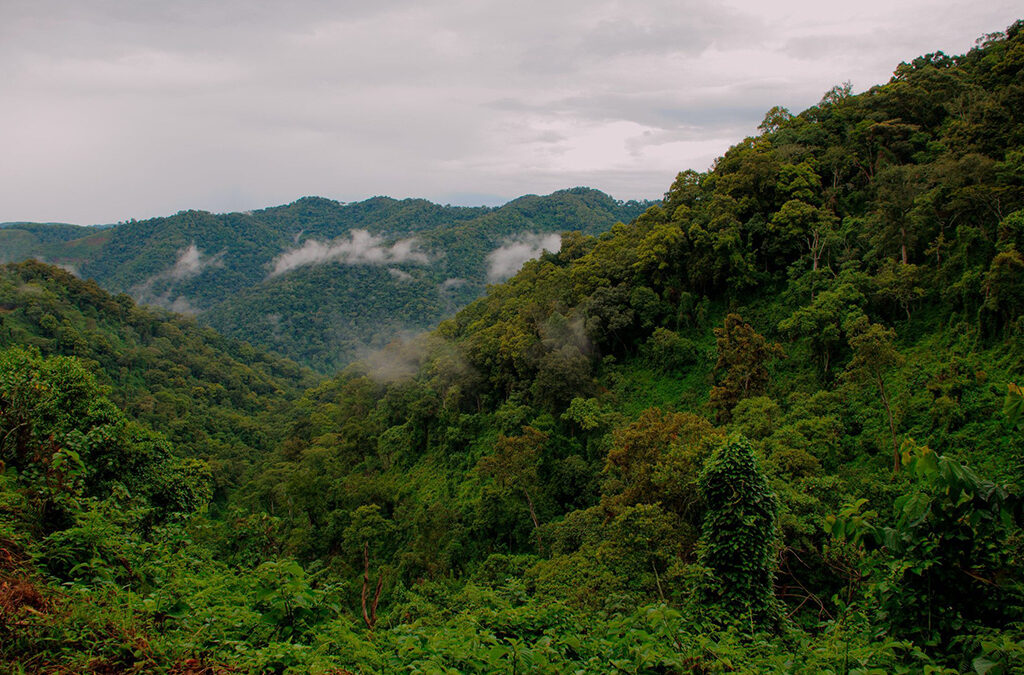
Buhoma Sector stands as Uganda’s premier destination for mountain gorilla trekking adventures in Bwindi Impenetrable National Park. This historic location opened its doors to tourists in 1993 and quickly became the most popular choice for wildlife enthusiasts. The sector offers visitors access to four habituated gorilla families while providing excellent tourism infrastructure. Travelers choose Buhoma for its accessibility, luxury lodges and rich cultural experiences with local communities. The area combines wildlife viewing with nature walks, bird watching and traditional Batwa cultural encounters for complete safari experiences.
The Pioneer of Gorilla Tourism
Uganda Wildlife Authority (UWA) established Buhoma as the first gorilla trekking destination in the country back in 1993. This small trading center transformed into a bustling tourism hub after gorilla families became available for visitor encounters. The sector’s success created numerous employment opportunities for surrounding communities while attracting significant infrastructure investment over the years.
Buhoma serves as the headquarters for Bwindi Impenetrable National Park operations across all four sectors of the protected area. Park officials conduct daily briefings here before tourists enter the UNESCO World Heritage Site for their gorilla trekking adventures. The strategic location allows easy access to northern gorilla populations while maintaining proper conservation management practices.
Location and Geography
Bwindi Impenetrable National Park covers 331 square kilometers of ancient rainforest in southwestern Uganda near the Democratic Republic of Congo border. The park divides into four distinct sectors based on gorilla family locations: Buhoma, Ruhija, Rushaga and Nkuringo areas. Mountain gorillas exist in two separate populations across East-Central Africa surrounded by human settlements and agricultural lands.
The northern population lives within Bwindi while the southern group inhabits the Virunga Mountains shared between Uganda, Rwanda and Congo. Buhoma operates at lower altitudes starting from 1,400 meters above sea level making treks moderately easier for visitors. This elevation advantage attracts many tourists who prefer less strenuous hiking conditions during their gorilla encounters.
Gorilla Families in Buhoma Sector
Mubare Gorilla Family
Mubare holds the distinction of being Uganda’s first habituated gorilla group available for tourism since October 1993. The family takes its name from the beautiful Mubare hills where researchers first discovered this troop. Currently six members make up this group including one silverback, three adult females and two young infants.
The original leader Ruhondeza welcomed visitors warmly and helped establish successful gorilla tourism in Uganda. He left his family prematurely to live alone in nearby villages until his death in 2012 at age fifty. His son Kanyonyi took over leadership responsibilities but died in November 2017 causing the group to scatter temporarily.
Habinyanja Gorilla Family
Habinyanja became the second group available for trekking in 1999 with eighteen current members under silverback Makara’s strong leadership. The name means “near the swamps” in local Rukiga language referring to wetland areas where researchers first spotted them. This large family includes one silverback, four adult females, four blackbacks, four sub-adults, three juveniles and one infant.
The group originally contained thirty members under powerful silverback Mugurusi before splitting in February 2002. The division created the Rushegura group while Habinyanja maintained its core family structure and territory within the forest.
Rushegura Gorilla Family
Rushegura formed when the Habinyanja family split in February 2002 under silverback Mwirima’s initial leadership before Kabukojo took control. Fifteen members currently make up this active group including one silverback, six adult females, three blackbacks, one sub-adult, three juveniles and one infant. The name comes from Ebishegura trees abundant in areas where the family separation occurred.
This group gains popularity among tourists for foraging close to park headquarters and visiting community gardens regularly. Their surprise appearances at nearby lodges create exciting wildlife encounters for guests staying in the area.
Katwe Gorilla Family
Katwe represents the newest habituated group in Buhoma with eight members led by dominant silverback Mahaane since 2018. Uganda Wildlife Authority began monitoring this family closely after the Mubare group dispersed following their leader’s death. The habituation process prepared them for tourist visits while maintaining their natural behaviors and social structure.
Accommodation Options
Luxury Lodges
Buhoma offers the widest selection of high-end accommodation compared to other Bwindi sectors with spectacular forest canopy views. Luxury lodges provide full-board pricing and prime locations within walking distance of trekking departure points. Sanctuary Gorilla Forest Camp operates as the only facility built inside the national park boundaries.
Bwindi Lodge charges from $800 per person nightly while Gorilla Forest Camp starts at $415 per person. Buhoma Lodge offers rates from $380 per person with Mahogany Springs Lodge beginning at $300 nightly. Silverback Lodge provides the most affordable luxury option starting at $280 per person per night.
Mid-Range Options
Mid-range accommodations balance comfort with reasonable pricing while including meals and standard amenities for guests. Gorilla Safari Lodge charges $250 per person nightly while Engagi Lodge starts at $235 per person. Lake Kitandara Camp and Haven Community Lodge both offer rates beginning around $200 per person per night.
Budget Accommodation
Budget facilities focus on basic sleeping arrangements with shared bathrooms and minimal amenities for cost-conscious travelers. Ride 4 A Woman provides the best budget option with private ensuite rooms at $70 per person. Bwindi View Bandas and Eco Marvel Gorilla Resort both charge $80 per person while Gorilla Friends Lodge offers the most affordable beds at $30 per person.
Activities Beyond Gorilla Trekking
Nature Walking Trails
The Ivy River Trail covers eight miles from park headquarters to Ivy River following an abandoned road from the 1980s. This relatively flat path takes approximately eight hours to complete while offering chances to spot forest elephants, primates and numerous bird species. The trail continues uphill to Nteko and connects with Nkuringo Sector for multi-day hiking adventures.
Kashasha River Trail branches from the Ivy route and descends to Kashasha River in a challenging ten-hour hike. Bird watching enthusiasts particularly enjoy this more difficult trail for its diverse wildlife viewing opportunities and pristine forest sections.
Mountain Biking
Morning biking tours begin at 8:00 AM and follow the well-maintained thirteen-kilometer trail to Ivy River through dense jungle sections. Cyclists often encounter bushbuck, black-and-white colobus monkeys, chimpanzees and red-tailed monkeys along the route. The maintained path provides safe riding conditions while offering wildlife viewing opportunities throughout the journey.
Bird Watching
Bwindi hosts 350 bird species including twenty-three endemic varieties found nowhere else in the region. Expert guides lead three to four-hour birding excursions along various forest trails near Buhoma headquarters. Visitors commonly spot Short-tailed Warblers, Blue-headed Sunbirds, African Green Broadbills and Shelley’s Crimsonwings during guided walks.
The Waterfall Trail, Ivy River route and Kashasha path all provide excellent birding locations for serious wildlife photographers. Early morning walks offer the best chances for spotting rare species while they remain most active.
Batwa Cultural Experiences
The Batwa people lived in Bwindi forests for thousands of years before park establishment displaced their traditional lifestyle. Full-day cultural visits allow tourists to learn about their hunting and gathering traditions while observing traditional cooking methods. Former forest dwellers share their extensive knowledge of medicinal plants and survival techniques developed over centuries.
These cultural encounters provide income opportunities for Batwa communities while preserving their traditional knowledge for future generations. Visitors gain valuable insights into sustainable forest living practices and indigenous conservation methods.
Transportation to Buhoma
Road Access
Driving from Kampala or Entebbe takes nine to ten hours through Kabale town before reaching Buhoma Sector. Travelers from Queen Elizabeth National Park’s Ishasha Sector need only two to three hours to reach the destination. Lake Mburo National Park visitors require five to six hours while those coming from Kigali, Rwanda need four to five hours.
Air Travel
Scheduled flights operate daily between Entebbe International Airport and Kihihi Airstrip located ninety minutes from Buhoma by road. Charter flights provide more flexible scheduling options from both Entebbe and Kajjansi Airfield directly to Kihihi. Air travel significantly reduces journey time while offering scenic views of Uganda’s landscape.
Public Transportation
Direct buses connect Kampala with Buhoma daily in both directions for budget-conscious travelers seeking affordable transportation options. Local taxis and pickup trucks operate between Kabale and Butogota towns with connections to Buhoma available. Public transport requires more time but costs significantly less than private vehicle hire or charter flights.
Planning Your Visit
Buhoma Sector issues only thirty-two gorilla permits daily with eight visitors allowed per family group. Advanced booking becomes essential during peak seasons from June to September and December to February. The sector operates year-round but dry seasons provide easier trekking conditions and better wildlife photography opportunities.
Visitors should arrive one day before their scheduled trek to complete registration and attend mandatory briefings. Physical fitness requirements remain moderate due to lower altitude conditions but participants should prepare for several hours of forest hiking. Professional guides accompany all groups while armed rangers provide security throughout the experience.