
Chimpanzee Trekking and Tea Picking in Rwanda
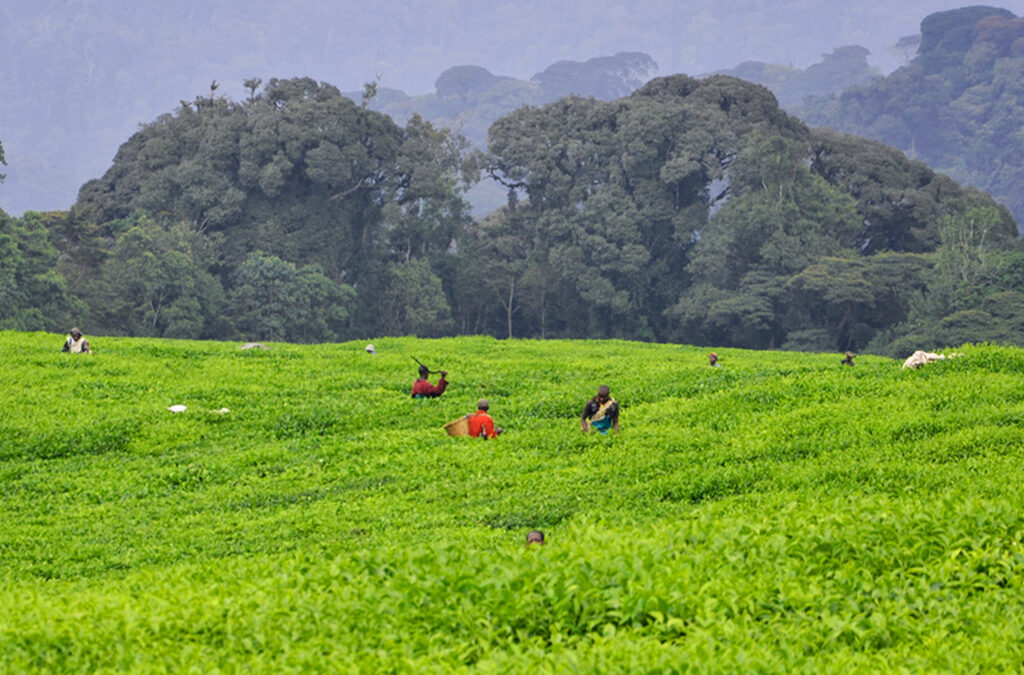
Chimpanzee trekking and tea picking in Rwanda give travelers two very different but exciting activities. One involves hiking through thick rainforests to see wild chimpanzees in their home. The other shows how tea is grown, picked, and prepared in beautiful green fields. These two experiences happen near each other in Nyungwe Forest National Park. Visitors spend time with primates in the wild and later walk through peaceful tea farms. These tours offer fun and learning. They also help visitors understand local traditions. Both activities are great for people who love nature, walking, and learning new things. Chimp trekking is more active, while tea picking is calm and quiet. Together, they create a full Rwandan experience. This guide explains where to go, what to expect, and how to plan the trip.
Chimpanzee Trekking in Nyungwe National Park
 Chimpanzee trekking takes place in Nyungwe Forest, one of Africa’s oldest rainforests. This park is in southwestern Rwanda and covers a large area full of trees, birds, and animals. Visitors walk through forest paths to find and watch wild chimpanzees. These primates live in large groups and move often, so the trek requires patience and energy.
Two chimpanzee groups are used for tourism in Nyungwe. The first group lives in Uwinka, the main park center. The second group lives in Cyamudongo, a smaller forest patch nearby. Both groups have gotten used to people, which means they stay calm when humans come near.
The hike may last two to six hours. This depends on how far the chimps move from the trail. Guides start early in the morning, usually around 5:30 am, to track the chimps before they go deeper into the forest. Visitors should wear strong hiking shoes because trails are often wet and steep.
Permits are required to track chimpanzees in Nyungwe. For international tourists, a permit costs $150 per person. These permits support park work and pay the rangers who protect the animals. Tour operators help with permit booking and offer full packages with transport and guides.
Only people aged 16 years or older joins the trek. This rule helps protect both chimps and visitors. Children may have trouble with the long walks and loud sounds might scare the animals. Visitors also need to stay quiet when near the chimps to avoid stress or danger.
What to Expect During the Trek
Chimpanzees are very active animals and move fast through the trees. Visitors must follow quickly and quietly. When the guide spots them, the group watches from a short distance. Chimps may climb trees, groom each other, or make loud calls to their group.
Sometimes, chimps stay on the ground and walk close to the group. Guides tell visitors how to act. People must avoid flash photography, sudden movement, or shouting. These rules keep everyone safe and make sure the chimpanzees remain comfortable.
The forest is full of other wildlife too. While looking for chimps, visitors often see monkeys, birds, and butterflies. Guides also point out plants and trees used by local people for medicine or food. Even if chimps move far away, the walk itself is worth the effort.
Trekking during the wet season increases the chances of seeing chimps. Rain makes fruit grow, so chimps stay near feeding areas. The best months are from March to May and October to November. In the dry season, chimps move more and are harder to find.
Physical Fitness and Trek Preparation
Chimpanzee trekking is not easy. The forest trails are muddy, steep, and sometimes slippery. Visitors should prepare by walking long distances before the trip. Bringing water, snacks, and walking sticks helps during the trek.
Wear long-sleeved shirts and trousers to avoid insect bites or scratches. A waterproof jacket is useful because it rains often in the forest. Good hiking boots are important for grip and support. Some tour guides offer walking sticks to help with balance.
Guides check the group before the walk begins. They explain the plan and what to do when chimps appear. Listening to the guide is very important. It keeps the group safe and helps the trek go smoothly.
Tea Picking Near Nyungwe Forest
After trekking, visitors enjoy a slower experience by visiting a tea estate. Gisakura Tea Estate is the most popular place for this. It sits just outside Nyungwe National Park and welcomes visitors to see how tea grows and gets prepared.
Tea grows best in Rwanda’s high hills and cool climate. The fields look green and stretch far into the distance. Workers show how tea is picked by hand, using simple tools and strong baskets. Visitors walk between the rows of plants and try picking tea themselves.
Guides at the estate explain how tea leaves are sorted and dried. The process includes drying, rolling, and packing. Each step affects the taste and smell of the tea. At the end of the tour, guests drink fresh tea and relax while enjoying the view.
Learning Local Culture at the Tea Estate
The tea experience is more than just picking leaves. It also teaches visitors about local work, family life, and farming. Many workers live near the estate and have picked tea for many years. They speak proudly about their role in Rwanda’s tea trade.
Tour guides help translate and share stories. Visitors ask questions, take photos, and sometimes help with the work. This exchange builds respect and interest in Rwandan culture. It also supports local jobs and brings income to the area.
The tea tours are good for children, older travelers, and anyone who prefers slow walks. Unlike the chimp trek, there is no age limit or need for strong fitness. Visitors should still wear comfortable clothes and shoes for walking.
Combining Chimp Trekking and Tea Tours
Many travelers choose to do both chimpanzee trekking and tea picking on the same trip. Tour companies help plan multi-day visits that include forest hikes and tea farm visits. This makes travel easier and saves time.
Most people stay near Nyungwe National Park in guesthouses or lodges. These places offer meals, guides, and transport to activities. Some lodges sit on hills with wide views of the forest and tea fields.
Planning both activities allows people to balance active and calm days. For example, one day includes trekking through the forest. The next day may include visiting tea farms and resting at the lodge.
Tour packages include permits, guides, food, and sometimes cultural dances or village visits. Booking early is helpful, especially during peak travel months. The dry season is easier for driving and hiking, but the wet season offers better chimp sightings.
When and How to Plan the Visit
The best time to plan this trip depends on your goals. If seeing chimpanzees is the main goal, come during the wet season. If comfort and dry walking paths matter more, the dry months from June to September are better.
Nyungwe National Park sits far from Rwanda’s capital, Kigali. Visitors drive six to eight hours to reach the park. Some people stop at Lake Kivu or other towns along the way. Tour companies provide drivers and guides for the full journey.
Booking chimp permits and lodging early avoids problems later. Some lodges fill up fast during holidays and peak seasons. Travelers should talk to trusted tour companies for help with transport, guides, and entry tickets.
Always carry cash for tips and small purchases. Some remote places don’t accept cards.
Bring a camera with extra batteries, a water bottle, sunscreen, and insect spray.