
Cultural Differences Between Rwanda and Uganda
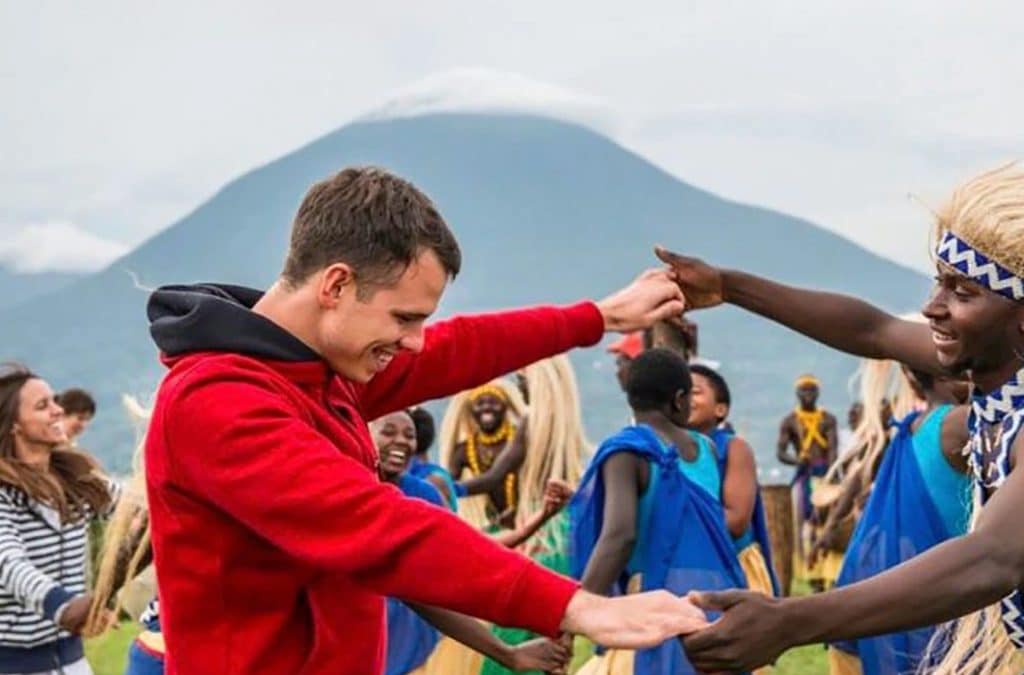
Rwanda and Uganda are two neighboring countries in East Africa. While they share many similar values and traditions, they also have important differences that make each country unique. Both nations are known for being warm and welcoming to visitors, and both place great importance on family life. However, the way these countries are organized culturally is quite different.
How the Cultures in two Countries Differ
Many ethnic Groups vs. One United Culture
Uganda is like a colorful patchwork quilt made up of many different pieces. The country has more than 50 different ethnic groups, each with their own customs, traditions, and ways of life. Some of the major groups include the Baganda, Ankole, Basoga, Bagisu, and Acholi people. Each group has its own traditional leaders, sometimes including kings, and their own special customs. This diversity means that when you travel through Uganda, you experience many different cultures in one country.
Rwanda is quite different. The country has worked hard to build one strong national identity that all citizens share. After difficult times in its history, Rwanda focused on bringing people together under one unified culture. The country is known for being very organized, clean, and structured. Some people even call Rwanda the “Singapore of Africa” because of its focus on development, cleanliness, and strong organization.
How People Communicate
Language is another area where these countries differ. In Rwanda, almost everyone speaks Kinyarwanda as their main language. This shared language helps unite the country. Rwanda also recognizes English, French, and Swahili as official languages, which helps with international communication and business.
In Uganda, the language situation is more complex because of all the different ethnic groups. The official languages are English and Swahili. However, many people also speak Luganda, especially in the central region around the capital city. This language works as a common language that different groups use to communicate with each other. Other widely spoken languages include Runyankole and Rusoga, among many others.
Music and Traditional Celebrations
Both countries have rich musical traditions, but they express them differently. Uganda’s music and dance are incredibly varied because each of the many ethnic groups has its own special performances, instruments, and celebration styles. When you attend cultural events in Uganda, you might see completely different dances and hear different music depending on which region or group is performing.
In Rwanda, traditional music centers strongly on drumming. The Ingoma drum holds a sacred and special place in Rwandan culture. These drums are not just musical instruments but are considered very important cultural symbols. They feature prominently in ceremonies and celebrations. Rwandan drummers are known for their powerful, coordinated performances that are deeply meaningful to the culture.
The Overall Feel of Each Country
The general atmosphere in each country reflects their different approaches to culture and development. Rwanda, particularly after overcoming past conflicts, has put tremendous energy into building national unity and rapid economic growth. The country emphasizes discipline, organization, and forward progress. Cities are clean, rules are followed carefully, and there is a strong sense of shared national purpose.
Uganda, being larger in both population and economic size, offers a more varied and mixed cultural experience. Life can feel more relaxed and diverse. With so many different groups and traditions existing side by side, Uganda presents visitors with an eclectic mix of experiences. The country feels more like a collection of different cultures living together rather than one unified culture.
What Both Countries Share in Common
Despite their differences, Rwanda and Uganda share many important cultural values that reflect their common East African heritage.
Welcoming Visitors
Both countries are famous for their hospitality. Visitors consistently report being warmly welcomed and treated with kindness. In both cultures, there is a strong tradition of sharing what you have with guests and making them feel at home.
Family and Community Life
Family is extremely important in both Rwanda and Uganda. Extended families often live close together, and family members support each other through challenges. Elders are treated with great respect, and their wisdom is valued. Community support is also strong—neighbors help each other, and people feel responsibility for their community’s wellbeing.
Religious Beliefs
Christianity is the main religion in both countries, with most people identifying as either Catholic or Protestant. There are also some Muslims in both countries. However, alongside these formal religions, many people still maintain traditional beliefs and customs that have been passed down through generations.
Connection to the Land
Both cultures maintain deep connections to nature and the land. Farming is central to life in both countries, and many traditional ceremonies and customs relate to the agricultural calendar and respect for the natural world.
Cultural Experiences for Visitors in Both Countries
Both countries offer wonderful opportunities to experience traditional culture, particularly in the Gorilla Highlands region where both countries meet.
Rwandan Cultural Sites
In Rwanda, visitors can experience the Iby’iwacu Cultural Village near Volcanoes National Park. Here, you can meet people who used to hunt illegally but now share their culture with tourists instead. You can learn how traditional banana beer is made and watch Rwandan dancing.
The King’s Palace Museum in Nyanza shows how Rwandan royalty lived. The museum includes a reconstructed traditional palace and the famous Inyambo cattle, which have extraordinarily long horns and were considered royal cattle.
The Ethnographic Museum in Huye contains one of the best collections of cultural artifacts in East Africa. The Kigali Genocide Memorial helps visitors understand Rwanda’s recent difficult history and how the country has worked to heal and move forward.
Ugandan Cultural Sites
In Uganda, the Batwa Trail in Mgahinga Gorilla National Park offers a unique experience. The Batwa people, who are forest-dwelling pygmies, guide visitors through the forest and demonstrate their ancient survival skills and culture.
The Kasubi Tombs and Buganda Kings Palace in Kampala are UNESCO World Heritage sites that show the traditional architecture and customs of the Buganda Kingdom, one of Uganda’s most important traditional kingdoms.
The Igongo Cultural Centre near Mbarara teaches visitors about the Ankole kingdom and surrounding cultures. The Amabere Ga Nyina Mwiru Caves combine natural beauty with local folklore and history.
Both countries also offer performances of traditional drumming and dancing, with Uganda’s Ndere Troupe in Kampala being particularly famous.
These two countries, while sharing many values, offer distinctly different yet equally rich cultural experiences for visitors and residents alike.