
How to Plan a Peak Season Gorilla Safari in Rwanda
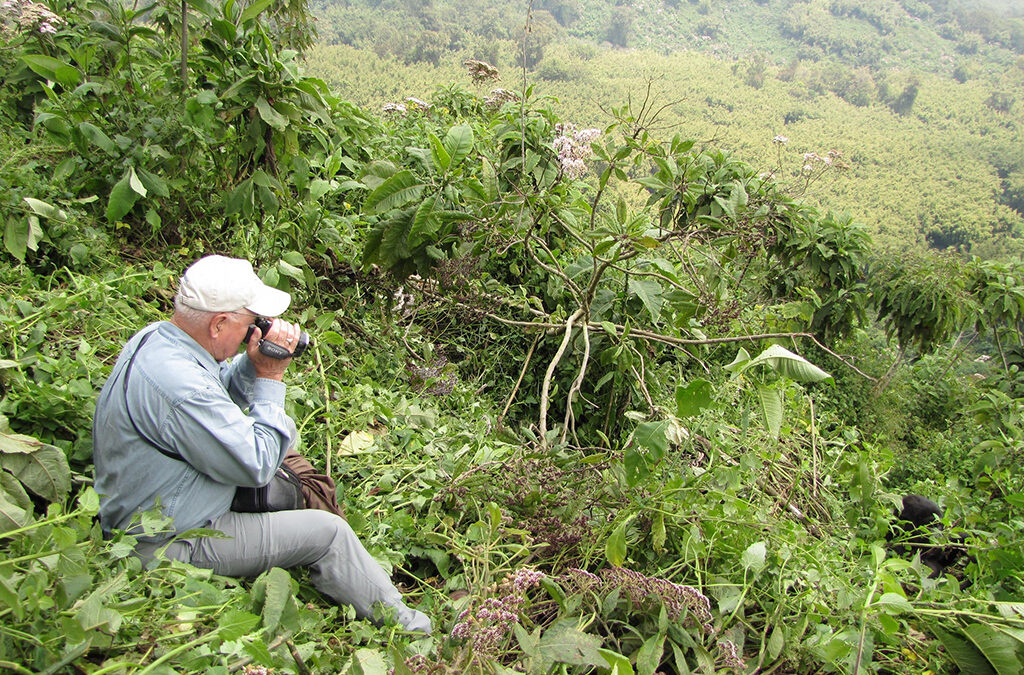
A peak season gorilla safari in Rwanda offers a rare chance to see mountain gorillas up close in their natural home. This experience draws travelers from all over the world during June to September and December to February. These months are the best time to visit because the weather is cooler and the forests are lush. You must plan well in advance, as demand for permits and lodges grows quickly during these periods. Visiting Volcanoes National Park in Rwanda to track gorillas through misty mountain forests will give you memories that last a lifetime. The trek is physically challenging but rewarding, and you will be part of a unique wildlife encounter in Africa’s green hills. This guide helps you plan every step of your trip carefully and with ease.
Booking Your Gorilla Permit
To visit the gorillas in Volcanoes National Park, you need a permit. This permit controls how many visitors enter the park daily. It costs $1,500 for each person and helps protect the gorillas and their habitat. Only 8 permits are issued per gorilla family every day. There are 12 habituated gorilla groups, so the total number of permits is limited. You must be at least 15 years old to get a permit. Booking your permit well in advance is very important, especially during peak season. Many people want to see the gorillas, so you should try to reserve your spot 6 to 12 months before your trip.
How to Get a Permit
You can buy your permit in two main ways. The first is by going directly to the Rwanda Development Board (RDB) website. You can also contact their offices by email or phone. The second, and easier way, is to use a trusted tour company. For example, Iconic Africa Safaris helps you book permits quickly and guides you through all steps. Tour companies also help with travel plans and accommodation. This service is helpful, especially if you are a first-time visitor to Rwanda. Booking early is key because permits sell out fast in the busiest months. Always keep your passport details ready, as you must provide full information when booking.
Preparing for Your Gorilla Trek
Before you start the trek, prepare your body and gear carefully. Gorilla tracking requires good physical condition because the walk is steep and can take several hours. Wear sturdy hiking shoes and dress in layers, as the forest climate changes quickly. Bring rain gear, insect repellent, and plenty of water. Carry a walking stick if you need extra support on rough paths. Remember to respect the rules set by park rangers. You must keep a safe distance from the gorillas to protect both yourself and the animals. Avoid loud noises or sudden movements during the trek. Follow all instructions given at the briefing to keep the experience safe and enjoyable.
The Gorilla Tracking Experience
Your day starts early with a briefing at the park’s headquarters in Kinigi at 7 AM. Rangers explain gorilla behavior and safety rules during this meeting. They also assign you to a trekking group based on your fitness level. After the briefing, you walk through the dense forest, following rangers and trackers who know the gorillas’ locations. The hike can last from one hour up to six hours, depending on how far the gorilla family is. When you find the gorillas, you spend one hour with them. This time allows you to watch their social life, see how they eat, play, and care for their young. This close encounter is deeply moving for many visitors.
Costs and Discounts
The standard cost for a gorilla permit is $1,500 for foreigners who do not live in East Africa. However, there are discounts for certain groups. East African citizens pay $200, and other African residents pay $500. Rwandan nationals also pay $200. Foreign residents living in Rwanda pay $500. If you visit other national parks in Rwanda for at least three days during the low season (November to May), you get a 30% discount on your permit, lowering the price to $1,050. Private trekking tours are available but come at a high price, starting at $15,000 for an exclusive group. These tours offer personal guides and extra privacy.
Important Health and Safety Rules
Health is very important when visiting the gorillas. If you feel sick before your trek, you must tell park staff. The park has a strict rule to protect gorillas from human illnesses. If you are declared unfit for trekking due to illness, you may get a 50% refund of your permit fee. This rule helps keep the gorillas safe from diseases that humans can spread. While trekking, keep a distance of at least seven meters from the gorillas. Avoid coughing or sneezing near them. Do not touch the gorillas or leave any waste behind. Respect all guidelines given by your guides to protect both yourself and the animals.
Accommodation and Travel
Most travelers base themselves in Kigali, Rwanda’s capital, before heading to Volcanoes National Park. Kigali is about a two to three-hour drive from the park entrance at Kinigi. Many lodges and hotels are available near the park. Booking accommodation early is important because places fill up quickly during peak season. Options range from luxury lodges to simple guesthouses. Staying close to the park allows you to start your trek early and rest well afterward. Ask your tour operator for advice on where to stay based on your budget and preferences.
What to Expect During Your Trek
Tracking gorillas involves walking through thick forests and climbing steep hills. You may cross streams and muddy paths. The forest is often cool and misty, and the air smells fresh with earth and leaves. Along the way, you will see other wildlife, such as birds, monkeys, and insects. The rangers and trackers share information about the forest and animals. When you reach the gorilla family, the experience changes. You watch the silverback male lead the group, protect them, and interact with younger gorillas. You see mothers feeding their babies and hear their soft calls and grunts. These moments create a strong connection to the wild.