
Why a $1,500 Rwanda Gorilla Permit Fee Is Worth It
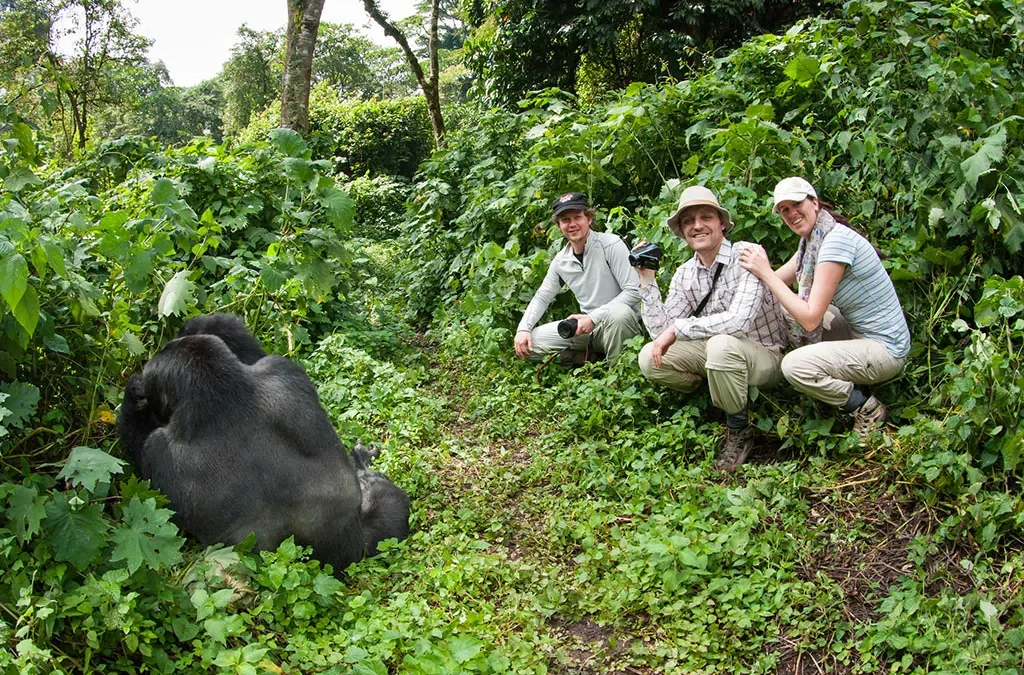
A $1,500 gorilla permit sounds steep at first glance. Then you sit 7-10 meters from a 200kg silverback and everything changes. This fee isn’t just a ticket into a forest. It’s a direct investment in bringing mountain gorillas back from near extinction. It funds anti-poaching patrols, veterinary care, and habitat protection across Volcanoes National Park. It also caps daily visitor numbers, so your encounter feels personal, not crowded. A slice of that money reaches nearby villages too, building schools, clinics, and roads. By the time you reach the forest, you’ll understand exactly where your money went, and why it mattered.
The Real Value Behind the $1,500 Fee
That fee covers far more than forest access. Here’s where the money actually goes, and why each piece matters.
- Direct conservation success: The Rwanda Development Board relies on permit revenue to fund anti-poaching patrols. It also pays for veterinary teams who treat injured or sick gorillas in the wild. Habitat expansion projects, funded the same way, give gorilla families more room to roam safely.
- Unparalleled exclusivity: Volcanoes National Park limits trekker numbers every single day. Only 8 visitors are allowed per gorilla family, per permit. This keeps encounters calm and intimate, nothing like a crowded zoo enclosure.
- Community enrichment: A meaningful share of permit revenue flows straight into surrounding villages. It builds schools, funds healthcare centers, and improves local roads. Some former poachers now work as trackers and porters instead, earning steady income from conservation rather than harming it.
- Flawless logistics: Your fee bundles park entry, an expert guide, and armed ranger protection into one seamless package. Rwanda has positioned itself as a premium, well-organized destination. Every stage, from booking to trekking, reflects that standard.
Gorilla Trekking in Rwanda: The Park and Trekking Process
Volcanoes National Park
Volcanoes National Park sits along the Virunga Massif, a chain of 5 volcanoes. This range stretches across Rwanda, Uganda, and the Democratic Republic of Congo. On Rwanda’s side alone, the park covers roughly 160 square kilometers. Montane rainforest, bamboo groves, and volcanic slopes rise above 2,500 meters here.
This same park hosted Dian Fossey’s gorilla research back in the 1960s and 70s. Her research center, Karisoke, still operates near the park’s boundary today. Around 12 habituated gorilla families welcome visitors throughout the year. Golden monkeys, forest elephants, buffalo, and over 200 bird species also call this forest home. Still, gorillas remain the undeniable star attraction.
Where Every Trek Begins: Kinigi Headquarters
Every trekking day starts at Kinigi, the park’s official headquarters. It sits near Musanze town, roughly 2 to 3 hours’ drive from Kigali. All trekkers gather here each morning before entering the forest.
The morning briefing, 7:00 AM sharp, includes several key steps:
- Confirming your permit and identification documents
- Watching a short cultural performance by local Intore dancers
- Enjoying coffee, tea, and light snacks before departure
- Receiving your group and gorilla family assignment
Insider tip: Be completely honest about your fitness level during this briefing. Rangers use that information to match you with an appropriate gorilla family. Some families live near the boundary, while others require longer, steeper climbs.
After the briefing wraps up, groups drive 15 to 30 minutes toward their assigned trailhead. That’s where the real trek begins.
What the Trek Actually Feels Like
Terrain varies dramatically across the park. A stone wall and farmland mark the park’s outer edge. Beyond it, trails climb through dense vegetation, stinging nettles, and often muddy ground. Families living at higher altitudes may require hiking through thick bamboo forest or steep volcanic terrain.
Duration depends entirely on where the gorillas settled that day, since families move constantly. Treks can last anywhere from 30 minutes to 6 hours. Most groups, however, hike somewhere between 1.5 and 3 hours each way.
Armed rangers accompany every group throughout the hike. This is a safety measure tied to wildlife encounters, not danger from gorillas themselves. Local porters are available for hire at a small fee. Many trekkers use them to carry bags and get assistance across difficult terrain. Hiring a porter also puts income directly into the local community. Trackers head out ahead of each group at dawn to locate the gorilla family. This means guides usually know roughly where to head once the trek begins.
Insider tip: Wooden trekking poles are provided free at the trailhead. Given the mud and steep sections, they’re genuinely worth using.
The Encounter Itself
Once trackers locate the family, your group leaves backpacks and poles with an assigned guard. From there, you approach the gorillas on foot, carrying only your camera.
- Time with the gorillas is strictly limited to 1 hour
- Visitors must stay at least 7 meters away, though gorillas don’t always follow that rule themselves
- Flash photography is never permitted
- Conversations stay hushed to a whisper
- Anyone showing signs of illness won’t be allowed to approach, protecting gorillas from human disease
During that hour, you’ll watch ordinary family life unfold naturally. Juveniles tumble and play nearby. The silverback keeps a steady, watchful eye over everyone. Mothers groom their infants gently, seemingly unbothered by your presence. Guides narrate the action throughout and can identify individual gorillas by name.
Heading Back
Once the hour ends, your group retraces its steps back to the trailhead. From there, you’ll transfer back to Kinigi or straight to your lodge. Most trekkers arrive back at their accommodation by early-to-mid afternoon, tired but thoroughly amazed.
What to Pack for Trekking Day
- Waterproof hiking boots with solid ankle support
- Long trousers and long sleeves, mainly to guard against nettles
- Gardening gloves, surprisingly useful against stinging plants
- A rain jacket, even during dry season
- Water bottles and energy snacks
- A camera with the flash switched off
- Cash on hand for tipping guides, porters, and trackers
A Few Practical Notes Worth Knowing
- The minimum age for gorilla trekking in Rwanda is 15 years old
- Permits must be booked well ahead through the Rwanda Development Board, since daily numbers are strictly capped
- Treks proceed rain or shine, with no refunds issued for bad weather
- On the rare occasion gorillas aren’t found, most operators arrange a return visit
That unpredictability is part of the magic. You won’t know your exact hiking distance until the morning arrives. No two treks ever unfold quite the same way.
Best Time for Gorilla Trekking in Rwanda
Mountain gorillas don’t migrate, so trekking happens all 365 days of the year. Still, timing shapes your overall experience in a few noticeable ways.
Dry seasons, generally the easiest window, fall into two stretches:
- Mid-June through mid-September
- Mid-December through mid-February
These months remain the most popular for good reason. Trails stay firmer and far less slippery underfoot. Your chances of getting drenched mid-hike drop considerably. Visibility improves too, which photographers especially appreciate. The trade-off is real, though: permits sell out faster, and lodges fill up quickly during these windows.
Wet seasons bring fewer crowds and more mud, spanning:
- March through May, the long rains
- October through mid-December, the short rains
Trekking during these months means muddier trails and a higher chance of rain mid-hike. On the upside, permits become easier to secure on shorter notice. Lodge rates often drop as well during these quieter months. The forest itself turns lush and vividly green, a look many photographers genuinely prefer. Fewer trekkers share the trail with you overall.
Rain here tends to arrive in short, heavy bursts rather than lasting all day. A wet-season trek isn’t automatically a washout, just something worth preparing for properly.
Insider Tip: choose June through September or December through February for easier, drier conditions. If you’re flexible or budget-conscious, the wetter months still deliver an unforgettable, less crowded experience.
Booking Your Gorilla Safari in Rwanda
Ready to experience this yourself? Iconic Africa Safaris handles every detail, so you can focus entirely on the moment itself. Reach the team through the booking form, by email at info@iconicafricasafaris.com, or via the WhatsApp button in the bottom right corner of your screen for an instant reply. Share your preferred travel dates and trip length, and a local consultant will craft a personalized, fully costed itinerary around your wishes.
The team arranges permits, lodge bookings, domestic flights, and 4×4 Land Cruiser transfers straight from your lodge to the trekking point. All that’s left for you to do is show up, lace up your boots, and step into the forest for one of the most extraordinary wildlife encounters on the planet.