
What to Pack for a Rwanda Safari
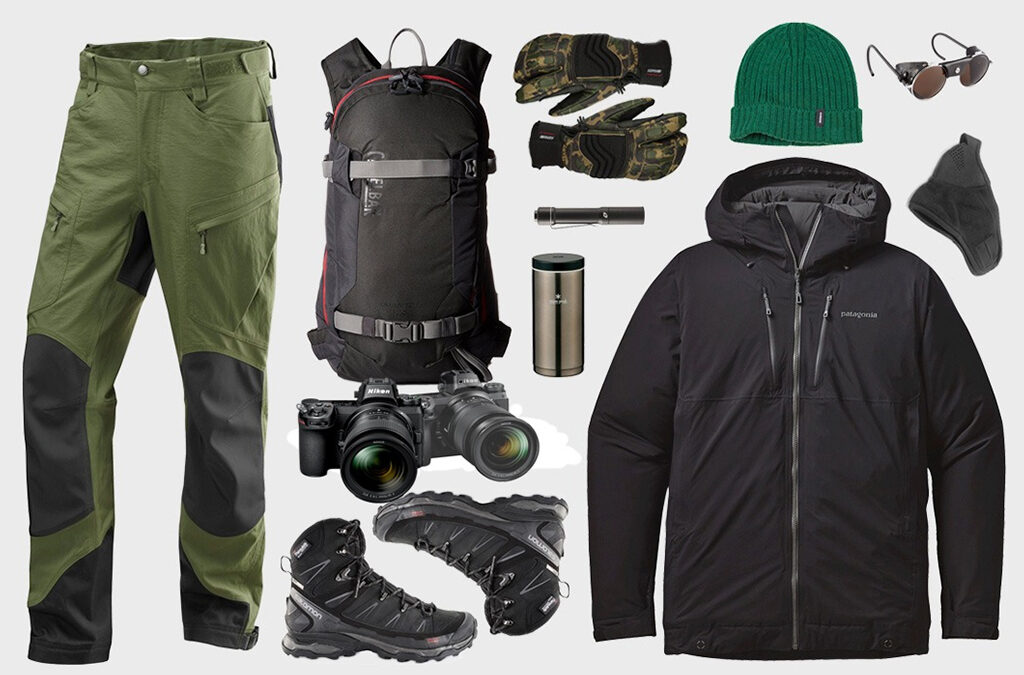
Packing correctly ensures a comfortable and enjoyable Rwanda safari. The right clothing, gear, and accessories help travelers navigate different terrains, weather changes, and wildlife encounters. Neutral-colored, moisture-wicking clothing remains ideal for outdoor activities. Sturdy hiking boots and a waterproof jacket keep trekkers prepared for unpredictable rain. Essential accessories such as insect repellent, sunscreen, and binoculars enhance the safari experience. Carrying travel documents, energy snacks, and a hydration pack adds to convenience. Careful preparation ensures a smooth trip through Rwanda’s national parks and cultural sites.
Clothing for Comfort and Protection
Choosing the right clothing helps in staying comfortable while protecting against insects, vegetation, and the sun. Neutral colors such as khaki, beige, and green prevent attracting tsetse flies. Lightweight, breathable fabrics wick moisture away, keeping the body dry. Long-sleeved shirts shield from sunburn and insect bites. Long pants protect against thorny bushes and stinging nettles. A sweater or fleece provides warmth during early morning and evening drives. Layering clothing remains essential, especially for varying temperatures. Gardening gloves offer protection while trekking through dense vegetation.
Essential Footwear for Trekking
Sturdy, waterproof hiking boots help in navigating rugged trails and muddy paths. Wearing well-broken-in boots prevents blisters and discomfort during long treks. Gaiters keep legs protected from mud, dust, and insects, adding extra comfort during hikes. Bringing an extra pair of lightweight shoes allows for relaxation at lodges after a long day outdoors.
Accessories for Convenience and Safety
Carrying the right accessories enhances the safari experience. A wide-brimmed hat shields the face from the sun. Sunglasses protect the eyes from glare. Binoculars bring distant wildlife into clear view, making sightings more enjoyable. A camera captures memorable moments and beautiful landscapes. A refillable water bottle or hydration pack ensures proper hydration. Sunscreen and lip balm prevent sun damage. Insect repellent keeps mosquitoes and other bugs away. A small first aid kit containing pain relievers, band-aids, and personal medication remains useful. Wet wipes provide quick freshness during long hours outdoors.
Practical Items for Trekking
A lightweight backpack allows travelers to carry essential items comfortably. Trekking poles provide extra support and stability, especially on steep trails. Cash proves useful for tipping guides and purchasing local souvenirs. Carrying travel documents such as a passport, visa, and required permits prevents last-minute inconveniences. Energy snacks help maintain stamina during trekking activities. Biodegradable tissue or toilet paper ensures hygiene in remote locations. Hand sanitizer keeps hands clean, reducing the risk of infections. Bringing personal facemasks remains advisable, especially for close interactions with guides and locals.
Common Rwanda Safari Experiences
Rwanda offers diverse safari experiences, from primate trekking to wildlife spotting and cultural tours. Each national park provides unique opportunities to observe animals and explore scenic landscapes. The country’s rich history and traditions make cultural visits engaging. Travelers can enjoy thrilling activities while learning about conservation and local heritage.
Gorilla Trekking in Volcanoes National Park
Gorilla trekking remains the highlight of Rwanda safaris. Volcanoes National Park hosts a significant population of endangered mountain gorillas and golden monkeys. Tracking these gentle primates requires a trekking permit, which should be obtained in advance. The experience involves hiking through thick vegetation and steep trails, making physical fitness essential. Guides lead small groups to locate a gorilla family, allowing one hour of observation. Watching gorillas interact in their natural environment creates a deep connection with wildlife. The best trekking seasons fall between June and September and from December to February, when trails remain drier and more accessible.
Chimpanzee Trekking in Nyungwe Forest
Nyungwe Forest National Park provides another exciting primate adventure. Chimpanzee trekking allows visitors to observe these intelligent animals in their natural habitat. Rangers track chimps at dawn, leading trekkers through lush rainforest trails. Besides chimpanzees, Nyungwe hosts colobus monkeys and various bird species. The forest’s canopy walk adds a thrilling perspective, offering panoramic views of the treetops. The combination of primate encounters and diverse wildlife makes Nyungwe a must-visit destination for nature lovers.
Wildlife Safaris in Akagera National Park
Akagera National Park offers classic game drives with diverse wildlife sightings. This park, located in eastern Rwanda, features savannah plains, wetlands, and rolling hills. Lions, leopards, elephants, and buffalo roam the vast landscapes. Antelopes such as impalas and topis graze in open fields. Boat safaris on Lake Ihema provide opportunities to see hippos, crocodiles, and aquatic birds. The park’s conservation efforts have successfully restored predator populations, making it a rewarding safari destination. Birdwatchers can spot over 300 bird species, including the rare shoebill stork. The mix of land and water safaris creates a well-rounded wildlife experience.
Cultural Tours in Kigali and Local Communities
Rwanda’s capital, Kigali, blends history, culture, and modernity. Visiting the Kigali Genocide Memorial offers insight into the country’s past while honoring those affected by the 1994 genocide. Exploring local markets provides a glimpse into daily life and traditional crafts. Cultural visits to villages allow travelers to engage with Rwandan communities, learning about traditional dances and customs. The Gorilla Guardians Village showcases conservation efforts while promoting local heritage. Meeting locals and experiencing their way of life adds a meaningful dimension to any Rwanda safari.