
What Makes Uganda a Birder’s Paradise
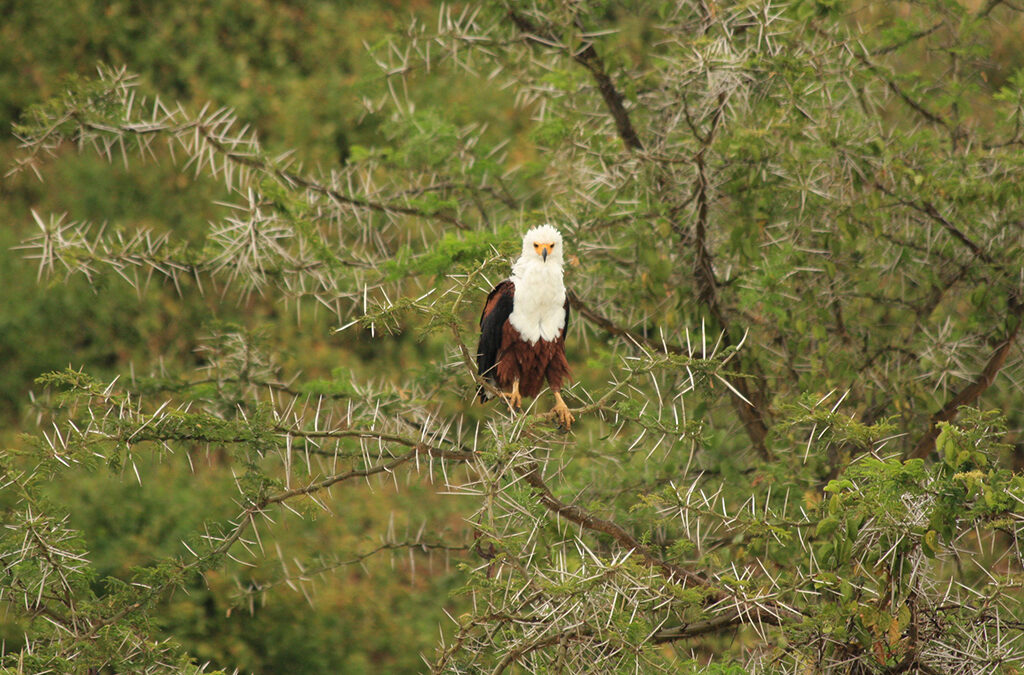
Are you looking for the best birding destination in Africa where rare species thrive in diverse habitats? Uganda offers over 1,000 bird species across forests, wetlands, savannas and mountains that create perfect conditions for birdwatchers. The country holds more bird diversity than any other African nation while providing easy access between different birding locations. Local guides with expert knowledge help visitors spot both common and rare species throughout the year. You will find endemic birds like Fox’s Weaver and the famous Shoebill Stork that make Uganda truly special for birding enthusiasts worldwide.
What Makes Uganda Perfect for Birdwatching
Incredible Bird Species Count
Uganda hosts over 1,000 bird species that include both resident and migratory birds throughout the year. This impressive number represents a major portion of Africa’s total birdlife and includes many species found nowhere else. The country’s bird count exceeds most other African destinations while offering consistent sightings across different seasons. Both beginner and expert birdwatchers find species that match their interests and skill levels in Uganda’s varied landscapes.
Diverse Natural Habitats
Uganda’s landscapes create multiple habitat types that support different bird communities throughout the country. Dense forests provide homes for colorful turacos, broadbills and other forest specialists that prefer shaded environments. Wetlands and swamps attract waterbirds, herons and the famous Shoebill Stork that draws visitors from around the world. Open savannas host birds of prey, ground-dwelling species and colorful bee-eaters that hunt insects in grasslands. Mountain regions support highland species that adapt to cooler temperatures and different vegetation types.
Important Bird Areas and Conservation
Uganda maintains numerous Important Bird Areas that protect critical habitats and ensure healthy bird populations. These protected zones focus on conservation while providing excellent opportunities for birdwatchers to observe species safely. Park management creates conditions that benefit both birds and visitors through habitat protection and controlled access. Conservation efforts help maintain breeding grounds and feeding areas that support Uganda’s rich bird diversity.
Endemic and Rare Species
Several bird species live only in Uganda or the greater East African region and nowhere else worldwide. Fox’s Weaver builds unique nests and displays behaviors that fascinate birdwatchers who travel specifically to observe this species. The Shoebill Stork stands as Uganda’s most famous bird that attracts thousands of visitors to wetland areas. Other rare species include various sunbirds, turacos and forest specialists that require specific habitat conditions to survive.
Easy Travel Between Locations
Uganda’s compact size allows birdwatchers to visit multiple habitats and ecosystems within short travel times between destinations. Most major birding sites connect through good roads that make day trips and multi-location tours very practical. Visitors often combine forest birding with wetland species and savanna birds during single trips to maximize sightings. This geographic advantage helps birdwatchers experience Uganda’s full range of bird diversity without extensive travel requirements.
Expert Local Guides
Trained local guides throughout Uganda possess detailed knowledge about bird identification, behavior patterns and best viewing locations. These guides recognize bird calls, know seasonal patterns and help visitors spot both obvious and hidden species. Their expertise increases success rates for finding target species while teaching visitors about bird ecology and conservation. Local knowledge proves essential for locating rare or shy species that require specific timing and techniques.
Combined Wildlife Experiences
Birding tours in Uganda often include other wildlife activities like gorilla trekking and chimpanzee tracking for comprehensive experiences. Many national parks offer both excellent birding and traditional game viewing that appeals to diverse interests. This combination approach maximizes travel value while introducing visitors to Uganda’s complete wildlife heritage beyond just birds. Safari activities complement birding by providing different perspectives on Uganda’s natural ecosystems and animal communities.
Top Birding Destinations in Uganda
Mabamba Swamp: Shoebill Stork Haven
Mabamba Swamp sits along Lake Victoria’s shores and provides the best opportunity in Africa for observing Shoebill Storks. This extensive wetland system creates perfect habitat conditions for waterbirds and marsh specialists that thrive in papyrus environments. Visitors access the swamp easily from Entebbe while enjoying peaceful boat rides through narrow water channels.
The swamp’s bird community includes African Jacanas that walk across floating vegetation with their long toes. Malachite Kingfishers flash bright blue and orange colors while diving for small fish in shallow waters. Papyrus Gonoleks hide deep in reed beds but reveal themselves through distinctive calls and brief appearances. Blue-breasted Bee-eaters perch on tall stems while hunting flying insects above the water surface.
Birding activities focus on quiet boat trips that allow close approaches to shy species without disturbance. The peaceful environment provides excellent photography opportunities while guides point out different species and their behaviors. Early morning trips often produce the best sightings when birds are most active and vocal.
Bwindi Impenetrable Forest: Endemic Bird Paradise
Bwindi Impenetrable Forest combines world-famous gorilla trekking with outstanding birding opportunities in dense mountain forest habitat. The park protects over 350 bird species including 23 Albertine Rift endemic species found nowhere else worldwide. Thick forest vegetation and steep terrain create challenging but rewarding conditions for serious birdwatchers seeking rare species.
African Green Broadbills represent one of Africa’s most sought-after forest birds that require patient searching in dense undergrowth. Shelley’s Crimsonwing displays brilliant red and black colors while feeding quietly in forest clearings and edges. Handsome Francolins call from thick cover but rarely show themselves except during early morning and evening periods. Black-billed Turacos move through forest canopies while making loud calls that help locate these colorful birds. Western Green Tinkerbirds stay high in trees but respond well to playback of their distinctive calls.
Forest birding requires patience, good listening skills and willingness to walk steep trails through dense vegetation. Guides use various techniques including playback calls and knowledge of feeding areas to locate target species. The forest environment provides unique birding challenges that reward persistent effort with sightings of rare endemic species.
Queen Elizabeth National Park: Mixed Habitat Excellence
Queen Elizabeth National Park offers Uganda’s highest bird diversity with over 600 species across savanna, wetland and forest habitats. The park’s varied landscapes support different bird communities while providing multiple birding approaches from game drives to boat trips. This diversity makes the park suitable for all birding skill levels and interests.
African Skimmers demonstrate unique feeding behavior by flying low over water while skimming the surface with their bills. White-winged Terns arrive seasonally and gather in large flocks over productive fishing areas throughout the park. Great Blue Turacos inhabit forest edges and display impressive size and brilliant blue coloration during flight. Black Bee-eaters nest in riverbank colonies while performing aerial displays during breeding season activities. Saddle-billed Storks wade through shallow areas while hunting fish and frogs in wetland sections.
Game drives provide opportunities to observe savanna species while boat cruises on Kazinga Channel focus on waterbirds and shoreline species. Nature walks around lakes George and Edward offer close encounters with smaller forest and wetland birds. This variety of birding approaches maximizes species encounters while accommodating different physical abilities and interests.
Semuliki National Park: Central African Specialties
Semuliki National Park borders the Democratic Republic of Congo and protects lowland tropical forest that hosts Central African bird species. The park’s unique position creates habitat for birds typically found further west in Africa’s Congo Basin. This geographic location makes Semuliki essential for birdwatchers seeking complete East African species lists.
Nkulengu Rails live secretively in dense forest undergrowth but respond to careful playback of their calls. Congo Serpent Eagles soar above forest canopies while hunting for reptiles and small mammals in tree branches. Long-tailed Hawks prefer forest edges and clearings where they hunt from prominent perches throughout the day. White-crested Hornbills move through forest canopies in small groups while making loud calls that carry long distances. Red-billed Dwarf Hornbills stay lower in forest vegetation but show curiosity toward human observers in many situations.
Forest birding at Semuliki requires early starts, patience and local guide expertise to locate these specialized species. The park’s remote location and challenging terrain reward serious birders with sightings of birds found nowhere else in East Africa. Hot springs and other park features add interest beyond just birding activities.
Murchison Falls National Park: Savanna and River Birds
Murchison Falls National Park covers Uganda’s largest protected area while supporting over 450 bird species across woodland, savanna and riverine habitats. The park’s size and habitat diversity create excellent opportunities for observing both common and uncommon species. The famous Nile River adds aquatic birding dimensions that complement terrestrial species throughout the park.
Goliath Herons stand impressively tall while hunting fish in shallow river areas and backwater channels throughout the park. Secretary Birds stride across open grasslands while hunting snakes, lizards and small mammals with their powerful legs. Abyssinian Ground Hornbills walk in family groups through woodland areas while searching for insects and small prey items. Northern Red Bishops display bright breeding plumage during seasonal periods while building intricate woven nests in tall grass. Giant Kingfishers perch along riverbanks while watching for fish in deep pools and slow-moving water sections.
Boat trips along the Nile River provide the best opportunities for observing waterbirds, raptors and other species that prefer aquatic environments. Game drives through woodland and savanna areas reveal different bird communities while offering chances for wildlife photography. The combination of river and terrestrial birding makes Murchison Falls a complete birding destination for all interests.