
What are the easy steps to Plan a Uganda Safari
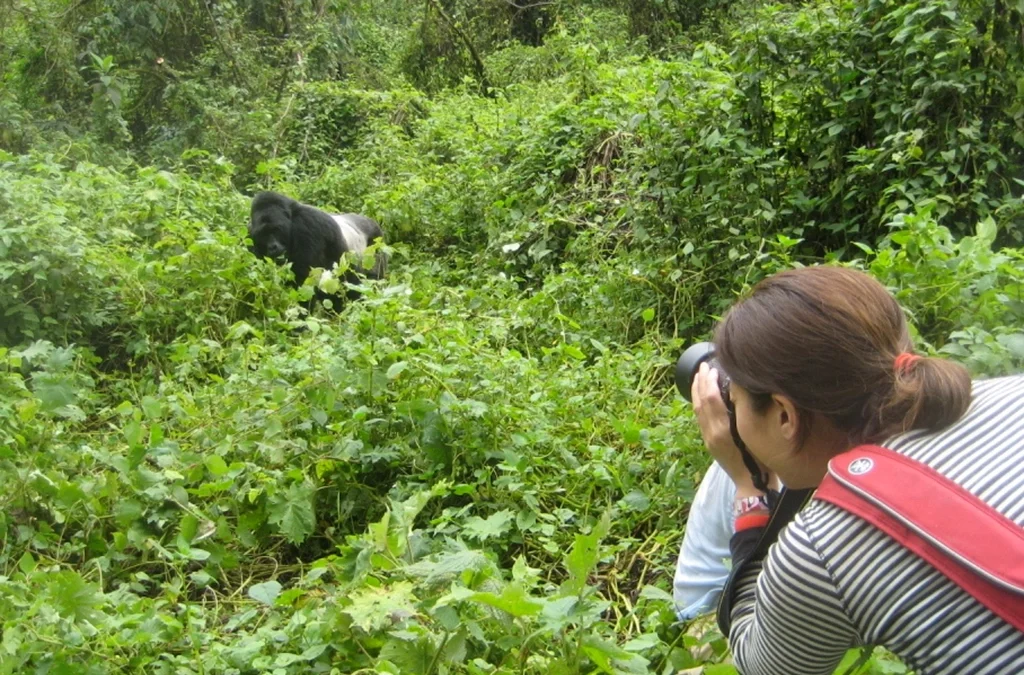
Planning a Uganda Safari
Planning a Uganda Safari feels exciting the moment you begin thinking about it. Uganda, the “Pearl of Africa,” pulls you in with its green landscapes, calm lakes, misty mountains, and warm, friendly people. When you picture yourself standing in a rainforest, hearing gorillas rustle leaves only meters away, the journey already feels real. When you imagine cruising along the Nile and watching elephants drink at the riverbanks, you can almost smell the wild air. Uganda gives you a sense of calm and adventure at the same time. Its villages, forests, and savannahs seem to whisper stories that make every traveler curious. With the right plan, your safari becomes smooth, joyful, and unforgettable.
Easy Steps to Plan a Uganda Safari
1. Choose Where You Want to Go
Start your safari plan by deciding the places that match your travel dreams. Uganda has 10 National Parks, 4 Wildlife Reserves, and many towns full of culture. Each place gives you a different feeling. When you want a classic African safari, choose Queen Elizabeth National Park or Murchison Falls National Park. These parks give you wide plains, big herds of animals, and great photo moments. When you want to meet ancient cultures, visit Karamoja or remote Kidepo Valley. These areas feel untouched, quiet, and full of tradition.
If your dream is to walk through deep forests, choose Bwindi Impenetrable Forest to meet mountain gorillas or Kibale Forest to see chimpanzees. When you love birds, visit Entebbe and western Uganda. Their lakes, swamps, and forests hold hundreds of beautiful bird species. When you want city life with nightlife and adventure, choose Kampala or Jinja. Jinja gives you the thrill of visiting the source of the Nile. Uganda welcomes families, but if traveling with very young children who cannot take malaria medication, speak to your doctor first. Otherwise, the country offers safe and memorable travel moments for families.
2. Choose the Best Time to Travel
Next, decide when to go. Uganda has two main travel seasons: the Dry Season and the Rainy Season. Most travelers prefer the Dry Season from June to September and December to February. Forest trails are easier to walk during these months, and your gorilla trekking experience becomes smoother. The ground is less slippery, and rain is lighter. However, even in the dry season, always expect some showers because Uganda is naturally lush.
The dry months also make wildlife safaris perfect. Animals gather around rivers, grass is short, and skies stay clear. When you want boat trips on the Kazinga Channel or the Victoria Nile, this season gives you calm waters and excellent views. When work schedules or school holidays guide your travel, match your calendar with Uganda’s climate so you do not miss the activities you want most.
3. Book Activities and Lodging Early
Then decide how you want to travel. You can plan the safari on your own or choose a trusted local tour operator to manage the details. Many visitors prefer an all-inclusive guided safari because the operator handles the itinerary, transport, meals, activities, and accommodation. This option removes stress and lets you enjoy each moment. Even if you book some parts yourself, permits for gorilla trekking and some activities must be arranged through a professional operator.
Self-driving works for travelers who know the region, but most visitors choose guided tours to avoid navigating unfamiliar roads. If you want a reliable operator, Iconic Africa Safaris is a strong choice. Contact your operator 4 to 6 months before travel, especially when booking gorilla permits, because spots are limited each day.
4. Book Your Flights
After planning your activities, book your flights. Uganda has one international airport, Entebbe International Airport, and flights can fill up quickly. Booking early gives you better prices. When you have air miles, check if your airline flies into Entebbe. If not, use comparison websites to find affordable fares. Share your flight information with your tour operator or your hotel so they can arrange airport pick-ups. This makes your arrival smooth and relaxing.
5. Buy Travel Insurance
By this point, you have invested in permits, lodges, and flights. Protect your trip with travel insurance. In Africa, flights can change suddenly, luggage can delay, and unexpected events can happen. Choose insurance that covers medical emergencies, cancellations, baggage loss, and evacuation if needed. This small step gives you peace of mind throughout your journey.
6. Check Visa Rules
Several months before departure, confirm visa rules for your nationality. Uganda’s immigration system may update requirements, so rely on official sources. Most travelers apply for visas online before arrival. Your passport must be valid for at least six months. Uganda offers single-entry visas for short visits and multiple-entry visas when you plan several regional trips. Check the rules early to avoid last-minute stress.
7. Prepare Travel Medication
Two months before travel, visit a travel clinic. Doctors will recommend vaccinations such as hepatitis A, typhoid, and rabies. Uganda requires yellow fever vaccination for entry. Malaria exists in many regions, and your doctor will help you choose the right medication. If you are pregnant, ask about Zika virus zones. Prepare any personal medicine and pack enough to last your entire trip.
8. Buy the Right Travel Gear
Shopping for safari gear is one of the fun parts of planning. Buy mosquito repellent, sunscreen, a water bottle, and strong hiking shoes. Pack clothes for both warm days and cold nights. Southwest Uganda can feel chilly, especially near Bwindi. Carry a rain jacket because tropical showers can appear suddenly. Bring a camera or extra phone storage to capture your memories. Add a small first-aid kit with painkillers, plasters, and personal items.
9. Plan How You Will Handle Money
A few weeks before travel, decide how to manage money. Uganda accepts credit and debit cards at many lodges, but ATMs are not everywhere in remote areas. Do not carry too much cash. Instead, withdraw money at the airport or in major towns and exchange some into Uganda Shillings for tipping. Visit a forex bureau for smaller notes. Divide your cash into different bags for safety. Inform your bank about your travel to avoid blocked cards abroad.
10. Read About Uganda Before You Arrive
Finally, take time to read about Uganda. The more you learn, the more excited you feel. Travel guides help you understand local culture, history, and hidden attractions. Learn a few words of Luganda or Swahili—simple greetings make locals smile. Read novels by African writers or stories set in Uganda to feel the rhythm of life before you land. The more you know, the richer your experience becomes.