
Top Activities for a Family Safari Holiday in Uganda
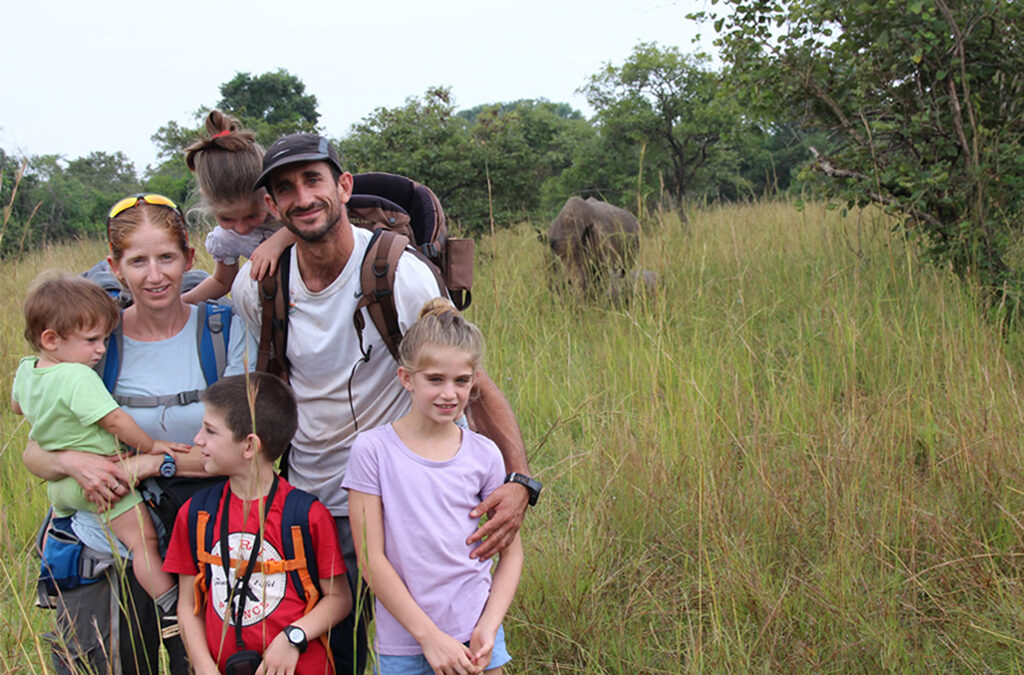
A family safari holiday in Uganda is a wonderful way to create lasting memories, strengthen family bonds and introduce children to the beauty of African culture and nature. Uganda provides a perfect blend of wildlife, adventure, and relaxation for families. Here are some of the best activities to enjoy on a family safari in Uganda.
Game Drives
 Game drives are a highlight of family safaris in Uganda. They take place in national parks like Kidepo Valley, Murchison Falls, Lake Mburo, and Queen Elizabeth. During these drives, families can spot a variety of animals, both big and small. Elephants, buffalo, lions, leopards, giraffes, zebras, antelopes, and warthogs are among the many animals you can see. These experiences are thrilling for children, allowing them to observe wildlife in their natural habitat.
Cultural Adventures
 Uganda has rich and diverse cultures that provide an exciting learning experience for families. With over 50 unique ethnic groups, the country offers a variety of traditions, beliefs, and ways of life. The Bantu people, the largest group, live in the central, eastern, and southern parts of the country. The Nilotic communities are found in the north and northeast. Families can visit local communities to learn about these cultures. A visit to the Batwa community, known as the original forest dwellers, offers a unique and memorable cultural encounter.
Bird Watching
 Uganda is a bird-watching paradise, home to about 1,000 bird species. Families who enjoy birding can include this activity in their itinerary. Popular bird-watching spots include Semuliki National Park, Kibale Forest, Budongo Forest, Murchison Falls, and Mount Elgon. Birds like the African fish eagle, shoebill stork, pied kingfisher, and the great blue turaco are among the species to watch. Bird-watching is a peaceful activity that brings families closer to nature.
White Water Rafting on the Nile
 Families can enjoy white water rafting on the River Nile, the world’s longest river. Rafting trips are designed to suit different age groups and levels of experience. While younger children can take part in gentler rapids, older kids and adventurous teenagers can try more challenging ones. Safety is always a priority, and children must meet minimum age and weight requirements. The experience is thrilling and a great way to create lasting memories with the family.
A Visit to the Uganda Wildlife Education Centre
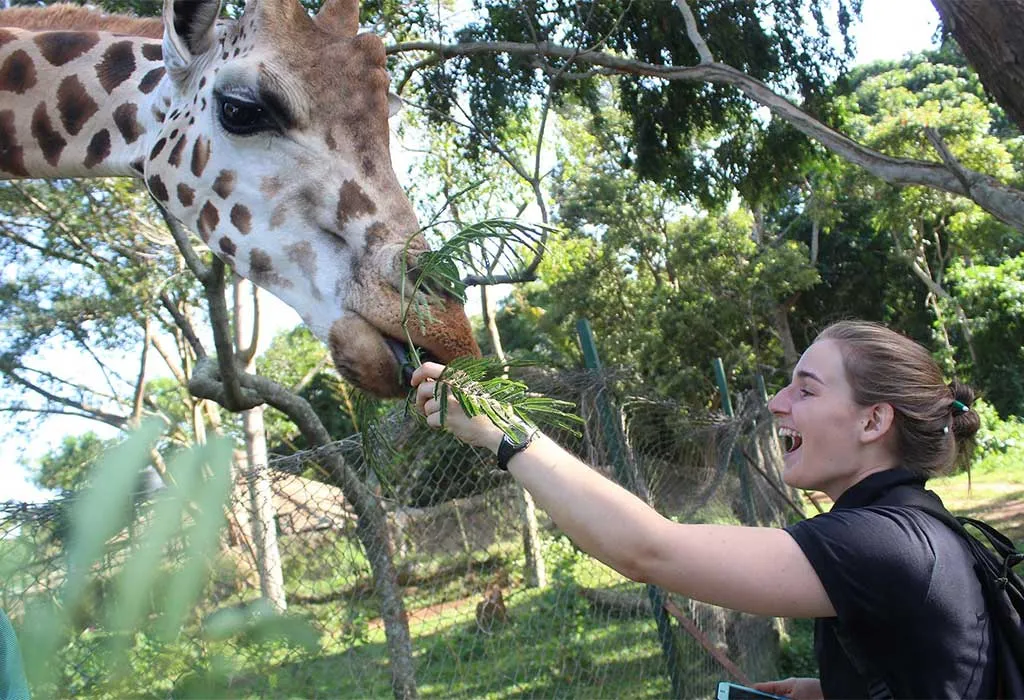 The Uganda Wildlife Education Centre (UWEC) offers more than just a chance to see animals. It is a place for learning about wildlife conservation. Families can see rescued animals being cared for and learn about how veterinarians and animal keepers help them recover. This experience is educational and inspiring for children, teaching them the importance of protecting wildlife.
Exploring Sipi Falls
 Sipi Falls, located in eastern Uganda, is a beautiful spot for families to visit. These waterfalls are formed by the Sipi River as it flows down Mount Elgon into the Kyoga Basin. The tallest waterfall is 100 meters high, offering stunning views. The area has a cool climate, making it a relaxing place to unwind. Families can also enjoy guided community tours to learn about coffee farming, from planting to harvesting and processing.
Nature Walks
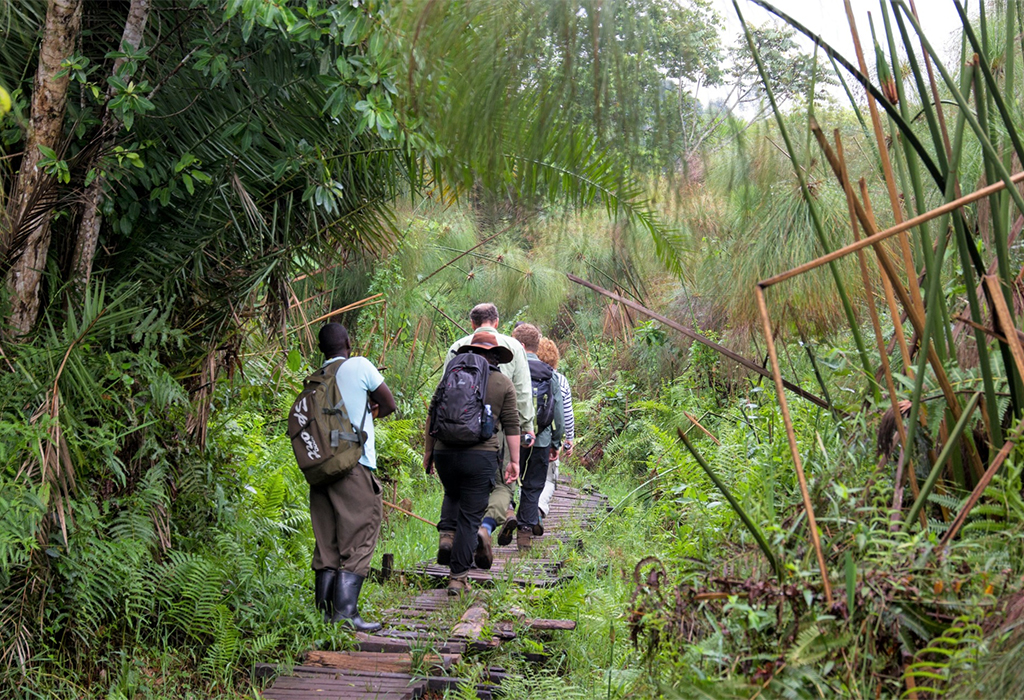 Nature walks are a fantastic way to connect with the outdoors as a family. Guided by local experts, families can explore Uganda’s wilderness on foot. Kids enjoy the adventure of walking or biking through the natural environment and spotting animals like giraffes and smaller wildlife.
Uganda offers many locations for nature walks. In Queen Elizabeth National Park, families can explore areas like the Maramagambo Forest and Mweya Peninsula. Murchison Falls National Park has trails leading to the top of the falls and the Kaniyo Pabidi forest, known for its tall trees and birdlife. Kibale National Park offers well-maintained hiking trails, while Lake Mburo National Park features a salt lick with an observation platform for wildlife viewing.
Mabira Forest, a tropical forest with over 1,000 tree species, and the Bigodi Wetlands near Kibale National Park are also excellent spots for nature walks. These walks not only offer a chance to see wildlife but also help families relax and enjoy quality time together.
Best Time for a Family Safari Holiday in Uganda
Uganda is a great destination for a family safari holiday. The best time to visit depends on the weather, which is tropical all year round. The dry months, from June to September and December to February, are perfect for a safari. During this time, the weather is warm and dry, making it easier to travel around. Roads are not muddy, and the animals are more active as they search for food.
The wet season in Uganda is from March to May and October to November. During these months, it rains more often, and roads can become slippery and muddy. However, a safari is still possible, and it is quieter with fewer tourists, which can make it feel more peaceful.
What to Pack for a Safari Holiday in Uganda
When packing for a family safari in Uganda, it is important to bring the right clothes and equipment for both warm days and cool evenings. Here is a list of things you should pack:
Light Safari Clothing: Since the weather is usually warm during the day, pack lightweight clothes like shorts, T-shirts, and sleeveless tops. These will keep you comfortable while out on safari.
Warm Clothing for the Evening: Even though it’s warm during the day, it can get chilly in the evenings, especially in the mountains or higher areas. A warm jacket or sweater is a good idea to stay cozy.
Vaccinations: Make sure that everyone in the family is vaccinated for malaria and yellow fever. It’s important for the safety and health of your family while traveling in Uganda.
Comfortable Shoes: Pack sturdy shoes for walking or hiking. You may go on nature walks, hikes, or game drives, so comfortable shoes are a must.
Binoculars: Bring binoculars so that you can get a closer look at the animals during your safari. This can make the experience more exciting, especially for kids.
Snacks: Long game drives and activities can make you hungry, so bring snacks to keep everyone happy and energized.
Tips for a Successful Family Safari in Uganda
A family safari in Uganda can be an unforgettable experience if you plan ahead. With the right preparation, you can ensure everyone, from young children to teenagers, has a great time. Here are some valuable tips to help you get the most out of your family safari:
Introduce the Idea Gradually: Before the safari, talk to your children about the experience and get them excited about seeing wildlife and spending time outdoors. Let them know what to expect so they can look forward to it.
Choose Direct Flights: Long flights can be tiring for young children, so it’s a good idea to choose direct flights to Uganda. This will reduce travel stress and make the journey smoother. If necessary, you can also use domestic flights within Uganda to cut down on long driving hours between destinations.
Check for Age Restrictions: Some activities, like gorilla trekking or walking safaris, have age restrictions. Before booking any activities, make sure they are suitable for the ages of your children. If certain activities are not suitable for young kids, contact us, and we can suggest other family-friendly activities that everyone can enjoy.
Include Family-Friendly Activities: When planning your safari, make sure to include activities that everyone will enjoy. These could include game drives, boat trips, cultural experiences, or nature walks. You can also visit national parks and wildlife reserves where kids can learn about animals in a safe and exciting environment.
Consider an All-Inclusive Private Safari: For a more relaxed and hassle-free experience, consider booking an all-inclusive private safari. This way, you can avoid crowded places and customize the trip to suit your family’s needs. You’ll have more flexibility and privacy, and everything will be taken care of for you.
Capture the Moments: A family safari is a special time, and it’s important to capture the memories. Encourage everyone to take photos and videos of the animals, landscapes, and special moments. Kids will love looking back at these memories later.
Child Supervision and Safety: Keep a close eye on your children during the safari. While Uganda is a safe destination for tourists, the wildlife is wild, and it’s important to follow safety guidelines. Make sure your kids understand the importance of staying close to adults and following instructions from guides.
Spend More Time in Fewer Destinations: Instead of trying to visit too many places during your trip, consider spending more time in fewer destinations. This will allow your children to enjoy the experience at a relaxed pace, without feeling rushed. It also gives them a chance to explore the area in more depth and get to know the wildlife better.
Additional Family Safari Tips
- Health and Safety: Ensure that all family members have the necessary vaccinations and travel health advice before going to Uganda. It’s a good idea to carry a first aid kit with you during your trip.
- Travel Insurance: Always take travel insurance that covers health emergencies, trip cancellations, and any unexpected events that may occur during your family safari.
- Respect Local Customs: Teach your children about local customs and how to be respectful to the people they meet. This will help them understand and appreciate the local culture.