
The Possibility of Rescheduling Gorilla Permits in Rwanda
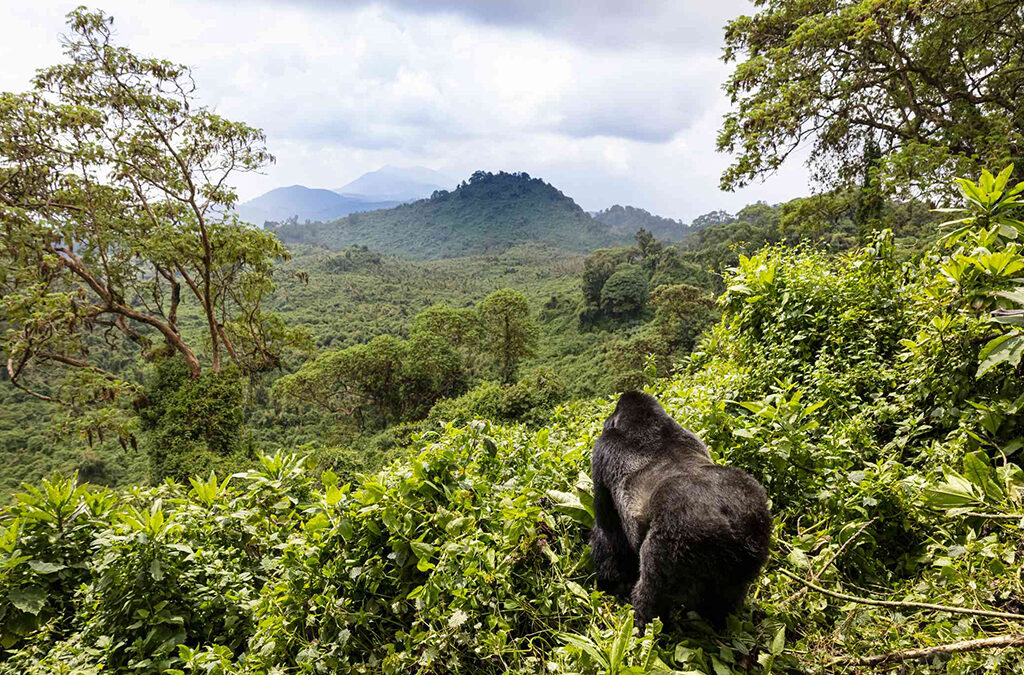
Rescheduling gorilla permits in Rwanda is possible but by following the correct procedures. First, you must write a formal letter to the Rwanda Development Board requesting a permit reschedule. You should attach evidence explaining why they cannot trek on the original date. If approved, the permit moves to a later date, depending on availability. Unlike Uganda, Rwanda charges a fee for rescheduling per person.
When canceling a gorilla permit, tourists must follow the refund policy:
- No refunds for cancellations made 0 to 8 days before the trek.
- 25% refund for cancellations made 9 to 45 days before the trek.
- 50% refund for cancellations made 46 to 90 days before the trek.
- 75% refund for cancellations made 91 or more days before the trek.
The Rwanda Development Board handles all cancellations, refunds, and reschedules, not tour operators. However, tour operators assist with the process to make it easier.
Ownership of Gorilla Permits in Rwanda
Tourists own gorilla permits from the time of purchase until the trek. After the briefing, the permit returns to the Rwanda Development Board for reuse. Even after purchase, gorilla permits remain government property. Tourists cannot leave with the permit.
The Gorilla Trekking Experience in Rwanda
Gorilla trekking is for tourists aged 12 and above. It begins early morning with a briefing conducted by lead guides. The briefing covers rules and regulations, group assignments, and gorilla family allocations.
After the briefing, the trek begins from the trailhead. Each group follows a different route to locate their assigned gorilla family. The trek’s duration varies between one and six hours, depending on gorilla movements. The terrain is diverse, requiring patience. Once trekkers find the gorillas, they spend one hour observing them. Afterward, they return to the national park headquarters for a certificate of participation.
Gorilla trekking is safe because the gorillas undergo habituation before tourists visit them. Security teams protect both tourists and gorillas throughout the trek. Rangers provide 24/7 security, and strict rules ensure safety. Trekkers should also take personal precautions, such as following guidelines, avoiding valuables, and not displaying money in public.
Each morning, trackers locate gorillas based on their last seen location. They use radio communication to guide lead guides toward the gorillas. However, gorillas move constantly, so locating them may take time.
Ranger guides carry machetes to clear thick vegetation along the trails. An armed ranger accompanies each group for safety. If necessary, they fire shots into the air to deter threats.
Best Time to Book Gorilla Permits in Rwanda
Booking gorilla permits six months to a year in advance is ideal. Permits sell out quickly, especially during peak seasons from June to September and December to February. Booking three months before the trek is possible, but availability is not guaranteed. Last-minute permits may be available during the rainy seasons from March to May and October to November, though this is not always certain.
Gorilla Trekking Rules and Regulations in Rwanda
The Rwanda Development Board enforces rules to protect both gorillas and tourists. All trekkers must follow these regulations. Failure to comply may result in denied access and fines. The rules include:
- The minimum age for trekking is 15 years.
- Tourists must keep an 8 to 10-meter distance from gorillas to prevent disease transmission.
- Each gorilla family is visited by only eight people per day.
- Trekkers can spend a maximum of one hour with the gorillas.
- Eating and drinking near gorillas are prohibited.
- Feeding gorillas is not allowed.
- Smoking during the trek is forbidden.
- Tourists cannot touch gorillas.
- If a gorilla approaches, crouch down and avoid eye contact.
- Camera flashes must be turned off when taking photos.
- Tourists should speak in low tones and avoid making noise.
- Human waste must be buried in a 30cm deep hole.
- Sick tourists cannot trek to prevent disease transmission.
- Spitting on vegetation inside the park is prohibited.
Plan Your Gorilla Safari in Rwanda
For more information about gorilla trekking permits, contact us. Let Iconic Africa Safaris assist you in planning your gorilla safari in Rwanda.