
Self-Drive Safari in Akagera -Tips and Regulations
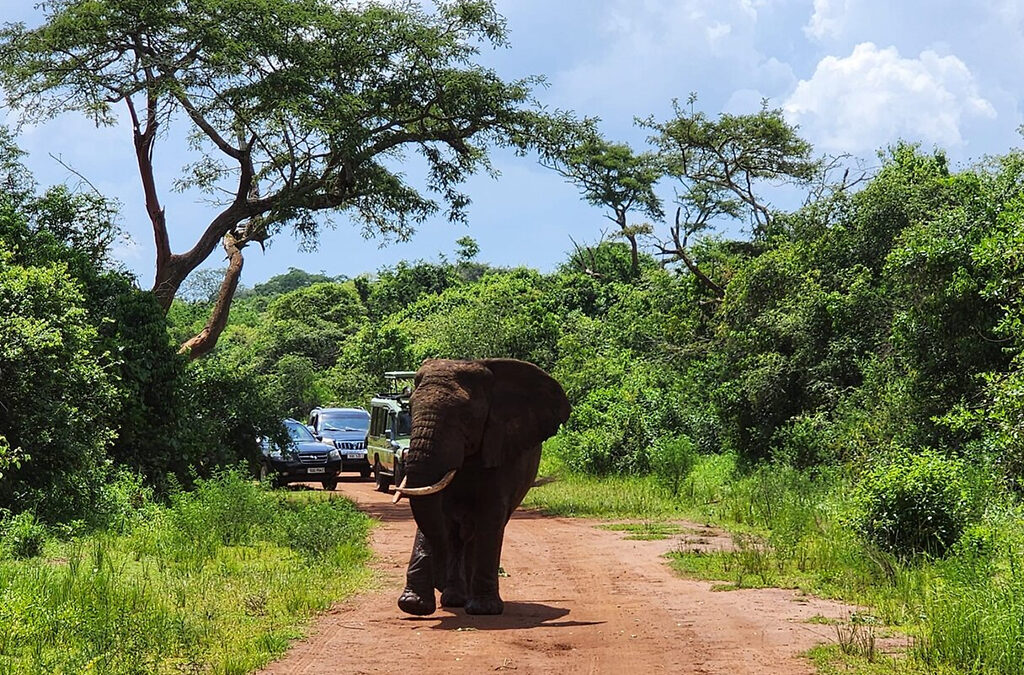
Self-Drive Safari in Akagera National Park offers visitors the freedom to explore Rwanda’s premier wildlife destination at their own pace. This incredible park spans over 1,122 square kilometers and protects diverse ecosystems including savanna, wetlands and rolling hills. Visitors who choose self-drive options experience direct contact with African wildlife while maintaining complete control over their schedule and route. The park requires careful preparation and strict following of safety rules to protect both visitors and wildlife. Most travelers find self-drive safaris rewarding because they provide intimate wildlife encounters without the constraints of group tours. Smart planning ensures your Akagera adventure becomes a safe and memorable experience that showcases the best of Rwanda’s natural beauty.
Game Drive Options and Pricing
Akagera National Park provides three distinct game drive experiences that cater to different preferences and wildlife viewing opportunities. Morning game drives run from 6:30 AM to 11:30 AM when animals remain most active during cooler temperatures. Afternoon drives operate between 12:00 PM and 5:00 PM as wildlife begins moving again in late afternoon hours. Night game drives take place from 5:30 PM to 8:30 PM in the southern sector using spotlight torches to spot nocturnal animals.
Half-day game drives lasting five hours cost from $180 per person and provide excellent value for shorter visits. Full-day game drives extending 11.5 hours start at $280 per person and offer comprehensive park exploration opportunities. Night game drives cost $40 for adults and $25 for children aged 6-12 years making them affordable family activities.
Wildlife and Bird Watching
Akagera hosts Africa’s famous Big Five including African elephants, buffaloes, lions, leopards and black rhinos in their natural habitat. Visitors regularly spot giraffes, zebras, various antelope species like impalas and topis during their game drives. Hippos and crocodiles inhabit the park’s numerous lakes and wetland areas providing exciting aquatic wildlife viewing opportunities.
The park supports over 500 bird species making it a premier destination for bird watching enthusiasts across East Africa. Rare shoebill storks attract international birders while various raptors soar overhead throughout the day. Early morning drives provide the best opportunities for bird photography when species remain most active.
Essential Preparation Tips
Vehicle Requirements and Preparation
Your vehicle must be in excellent condition especially during rainy season when some roads become completely impassable. Four-wheel-drive vehicles work best for exploring northern park areas where terrain becomes more challenging and remote. Regular maintenance checks before your trip prevent breakdown situations that could ruin your safari experience.
Navigation and Safety Equipment
Carry detailed maps or GPS devices to navigate the park’s extensive road network without getting lost. Park ranger services provide guidance for visitors venturing into less-traveled areas where self-navigation becomes difficult. Essential gear includes binoculars, sunscreen, hats and appropriate clothing for changing weather conditions throughout the day.
Photography and Documentation
Bring cameras with extra batteries and memory cards to capture amazing scenery and wildlife encounters throughout your visit. Professional photographers recommend telephoto lenses for wildlife shots while maintaining safe distances from dangerous animals. Keep your entrance fee receipt accessible as park staff may request to see it during your visit.
Critical Park Regulations
Vehicle and Movement Rules
Stay inside your vehicle at all times except in designated areas like campsites and official picnic spots. Maintain the 40km/hr speed limit throughout the park to protect wildlife and ensure visitor safety. Never drive off-road as this damages fragile ecosystems and increases your risk of getting lost or stuck.
Wildlife Interaction Guidelines
Maintain safe distances from all animals and avoid making loud noises that disturb wildlife behavior patterns. Never feed any animals in the park as this creates dangerous dependencies and alters natural feeding habits. Respect other visitors by keeping noise levels low and sharing prime viewing spots during popular times.
Environmental Protection
Dispose of all waste properly to protect the park’s delicate ecosystem from pollution and contamination. Carry out everything you bring in including food wrappers, plastic bottles and other non-biodegradable materials. Report any environmental damage or wildlife disturbances to park authorities immediately for proper handling.
Boat Safari Experience
Lake Ihema boat safaris operate four times daily with morning trips at 7:30 AM and 9:00 AM. Afternoon excursions depart at 3:00 PM while sunset cruises begin at 4:30 PM for spectacular evening experiences. Each boat safari lasts approximately one hour providing close encounters with hippos, crocodiles and water birds.
Best Visiting Times
Dry Season Benefits
The dry season from June to early September and December to February offers optimal wildlife viewing conditions. Animals congregate around water sources making them easier to locate while shorter vegetation provides clearer sightlines. Road conditions remain excellent allowing access to all park areas without weather-related restrictions or delays.
Wet Season Considerations
Wet season visits from March to May and late September to November showcase the park’s lush green transformation. Some animals move closer to trails due to abundant water sources throughout the park during this period. However, muddy roads may limit access to certain areas and frequent rain interrupts safari activities.
Accommodation Choices in Akagera National Park
Akagera National Park provides visitors with many different accommodation options for their safari experience. Travelers choose from luxury lodges that offer premium comfort to simple campsites for budget stays. The park houses several lodges directly within its boundaries while other facilities operate nearby.
Accommodation Inside the Park
Akagera Game Lodge
Akagera Game Lodge sits on a ridge overlooking Lake Ihema and offers comfortable rooms for guests. This well-known lodge features a restaurant plus swimming pool and bar for visitor enjoyment. The location provides easy access to wildlife viewing areas throughout the park territory. Guests enjoy beautiful lake views and watch animals come to drink water below.
Ruzizi Tented Lodge
Ruzizi Tented Lodge offers luxury tents right on the shores of Lake Ihema for intimate stays. This eco-friendly lodge focuses on sustainable practices that protect the local natural environment. Guests wake up to stunning water views and often spot wildlife drinking nearby. The lodge maintains high comfort standards while emphasizing environmental responsibility for all visitors.
Magashi Camp
Magashi Camp provides the most exclusive safari experience available within Akagera National Park boundaries. This high-end camp sits in the northeastern section and offers personalized service for guests. Visitors enjoy private game drives and access to remote areas of the park. The camp hosts fewer guests than larger facilities creating a more intimate atmosphere.
Karenge Bush Camp
Karenge Bush Camp offers mid-range accommodation with six canvas tents for authentic wilderness experiences. This seasonal camp operates throughout most months but closes during April rainy season. The camp emphasizes low-impact tourism that minimizes effects on local wildlife and their habitats. Guests experience traditional safari camping while enjoying modern comfort features during their stay.
Accommodation Outside the Park
Several lodges operate just outside Akagera National Park near the entrance gates for convenience. Mantis Akagera Game Lodge welcomes guests near the southern entrance with various activity options available. Akagera Safari Lodge and Akagera Rhino Lodge also provide comfortable bases for park exploration. Epic Hotel offers mid-range accommodation near the northern entrance for visiting travelers.
Camping Options
Akagera National Park maintains camping facilities for visitors who prefer outdoor sleeping under the stars. These campsites allow travelers to experience wilderness conditions more directly than lodge accommodations. Camping provides budget-friendly options while keeping guests close to wildlife viewing opportunities throughout the park.
Getting to Akagera National Park from Kigali
Most visitors reach Akagera National Park by driving from Kigali using well-maintained road connections. The journey covers approximately 110 kilometers and typically takes between two to three hours. Your trip begins on smooth tarmac roads before transitioning to dirt tracks near park entrances.
Distance and Route
The drive from Kigali to Akagera spans roughly 110 kilometers or 68 miles in total. The initial portion uses well-maintained tarmac roads with good surfaces and clear road signage. Then you transition onto dirt roads for the final 28 kilometers leading to park headquarters.
Vehicle Requirements
Park officials strongly recommend four-wheel drive vehicles for safely navigating rough dirt roads to Akagera. These vehicles handle challenging terrain better than regular cars especially during wet rainy seasons. However private cars and minibuses also receive permission to enter park boundaries when appropriate.
Public Transportation
Public buses travel regularly from Kigali to nearby towns like Kayonza and Kibungo each day. Visitors must then arrange private transport for the final journey segment to park entrance gates. Local taxi services and private drivers provide these connections for reasonable fees to travelers.