
People and Culture of Uganda
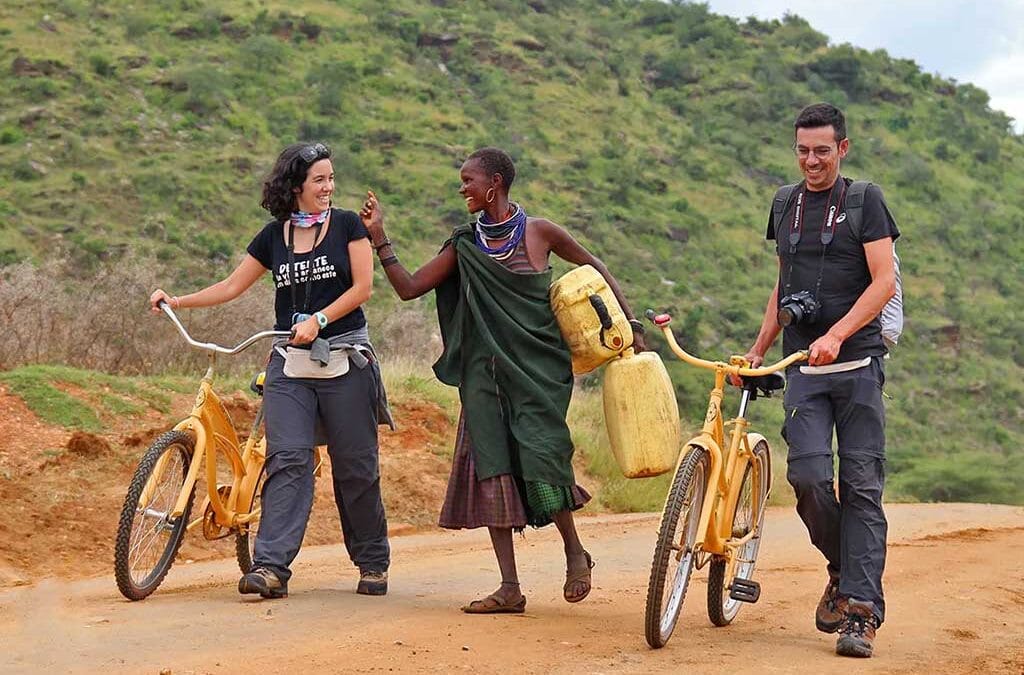
Uganda, a landlocked country in East Africa, is known for its rich diversity of people, cultures, and traditions. With a population of over 45 million, Uganda is a mosaic of ethnicities, languages, religions, and practices that have evolved over centuries.
Ethnic Diversity: Uganda is home to numerous ethnic groups, each with its own distinct culture and traditions. The largest ethnic group is the Baganda, who reside in the central region around the capital city, Kampala. Other major ethnic groups include the Banyankole, Basoga, Bakiga, and many more. These ethnic groups contribute to the cultural vibrancy of the nation through their unique languages, music, dance, art, and cuisine.
Languages: The country boasts a remarkable linguistic diversity with over 40 languages spoken. English is the official language and is used for administrative and educational purposes. Swahili, a widely spoken language across East Africa, is also recognized as a second official language. Additionally, various indigenous languages are spoken within different ethnic groups, serving as carriers of their cultural heritage.
Religions: Uganda is religiously diverse, with Christianity being the dominant religion. The influence of Christianity, particularly Roman Catholicism and various Protestant denominations, can be traced back to the colonial period. Islam is the second-largest religion, primarily practiced by the Baganda and other ethnic groups in the eastern and northern parts of the country. Traditional African religions are still practiced by a minority, often in conjunction with Christianity or Islam.
Cultural Traditions: Ugandans take great pride in their cultural heritage, which is expressed through music, dance, and traditional ceremonies. Traditional dances, such as the Kiganda, Banyankole, and Bagisu dances, are performed at various celebrations and events. The vibrant rhythms and colorful costumes reflect the diversity and vitality of the Ugandan people.
Art and Crafts: Ugandan art is a fusion of traditional and modern influences. Traditional crafts like bark cloth making, beadwork, pottery, and weaving are integral to cultural identity. The country’s contemporary art scene is also burgeoning, with artists exploring various mediums to express their experiences and perspectives.
Cuisine: Ugandan cuisine is a reflection of the country’s agricultural abundance and cultural diversity. Staple foods include matooke (cooking bananas), posho (maize porridge), cassava, and sweet potatoes. These are often served with a variety of stews, meats, and vegetables. Street food stalls offer samosas, roasted maize, and fried plantains, providing a taste of local flavors.
Family and Social Structure: Family is at the heart of Ugandan society. Extended families play a crucial role in providing support and security. Traditional gender roles are prevalent, with men often responsible for activities like farming and women taking care of household chores and children. However, these roles are evolving as urbanization and education reshape societal norms.
Challenges and Resilience: Uganda has faced various challenges, including political instability, economic struggles, and health crises like the HIV/AIDS epidemic. Despite these challenges, the Ugandan people have shown remarkable resilience. NGOs, community groups, and government initiatives have worked to improve healthcare, education, and overall living conditions.
Music and Entertainment: Music is an integral part of Ugandan culture. Traditional instruments such as drums, xylophones, and flutes are used in various ceremonies and celebrations. Modern Ugandan music spans genres like Afrobeat, reggae, and gospel, with artists gaining recognition both within Africa and internationally.
In conclusion, Uganda’s cultural tapestry is woven from the threads of diverse ethnic groups, languages, religions, and traditions. This richness creates a vibrant and dynamic society that celebrates its heritage while embracing the changes brought by modernization. As Uganda continues to evolve, its people and culture remain a testament to the beauty of diversity and the resilience of the human spirit.