
Nairobi Animal Orphanage: Is It Worth Visiting?
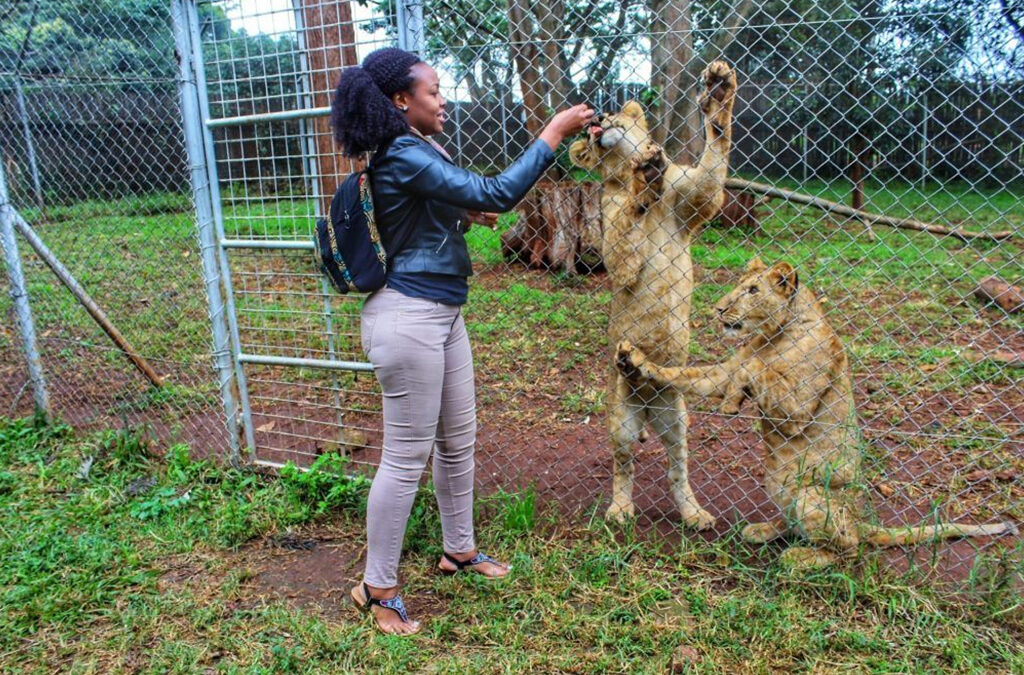
The Nairobi Animal Orphanage attracts thousands of visitors each year who want to see Kenyan wildlife up close. This facility houses rescued and orphaned animals from across the country in a controlled setting. Many families choose this destination when they visit Nairobi National Park for the first time. The orphanage offers a different experience from traditional safaris since animals live in smaller spaces. Visitors often debate whether the orphanage provides enough value for their time and money. Some people love the educational programs while others prefer seeing animals in their natural habitat. The decision to visit depends on your personal interests and what you expect from wildlife viewing.
What Makes the Orphanage Special
Close Animal Encounters
The orphanage gives visitors chances to see dangerous animals like lions and cheetahs from safe distances. Most safari trips require binoculars to spot these predators hiding in tall grass or trees. Here you walk along marked paths and observe animals in designed enclosures just meters away. Baboons play near the viewing areas while colorful birds perch on nearby branches throughout the day. Children especially enjoy watching the animals eat during scheduled feeding times each morning and afternoon.
Conservation Stories and Education
Each animal at the orphanage has a unique rescue story that staff members share with guests. Rangers explain how baby elephants lose their mothers to poaching or how injured cheetahs recover. The facility teaches visitors about threats facing wildlife populations across Kenya and East Africa. Educational signs near each enclosure provide facts about animal behavior and conservation efforts in progress. Schools often bring students here to learn about protecting wildlife for future generations to enjoy.
Rescue and Care Programs
The orphanage serves as a temporary home for animals that need medical treatment or care. Veterinarians treat injured animals brought in by Kenya Wildlife Service rangers from national parks. Young animals without mothers learn survival skills before returning to protected areas when possible. Some animals stay permanently because their injuries prevent them from surviving in the wild again. The facility works closely with other conservation groups to coordinate rescue efforts across the country.
Practical Benefits for Visitors
Easy Access and Location
The orphanage sits inside Nairobi National Park making it simple to combine with other activities. Visitors often spend mornings watching animals at the orphanage then drive through the park afterward. The location stays just 30 minutes from downtown Nairobi hotels and shopping centers by car. Public transport options also connect the city center to the park entrance gates daily. Most tour companies include the orphanage in their Nairobi National Park packages for convenience.
Perfect for Families
Parents with young children find the orphanage easier to manage than long safari drives. The walking paths stay short and children rest on benches placed throughout the facility. Restroom facilities and small shops sell snacks and drinks for families spending several hours there. The predictable animal locations help parents plan their visit around nap times and meal schedules. Safety barriers keep children away from dangerous animals while still allowing clear views and photos.
Common Visitor Concerns
Size and Space Limitations
Many visitors expect larger enclosures similar to modern zoos in other countries around the world. The orphanage covers a smaller area than most people imagine before their first visit there. Some animal enclosures appear cramped compared to the vast spaces these creatures roam in nature. The facility focuses more on rescue work than creating naturalistic habitats for permanent display purposes. Visitors coming from major international zoos might find the setup disappointing or outdated by comparison.
Mixed Visitor Reviews
Online reviews show divided opinions about the overall experience and value the orphanage provides to guests. Some families rate their visit highly because children enjoyed seeing animals up close safely. Other visitors complain about poor animal conditions or limited variety compared to expectations formed beforehand. Safari veterans often prefer seeing animals in natural settings rather than controlled environments like this. First-time visitors to Kenya generally appreciate the educational experience more than seasoned wildlife watchers do.