
Mubare Gorilla Family – Uganda’s First Habituated Group
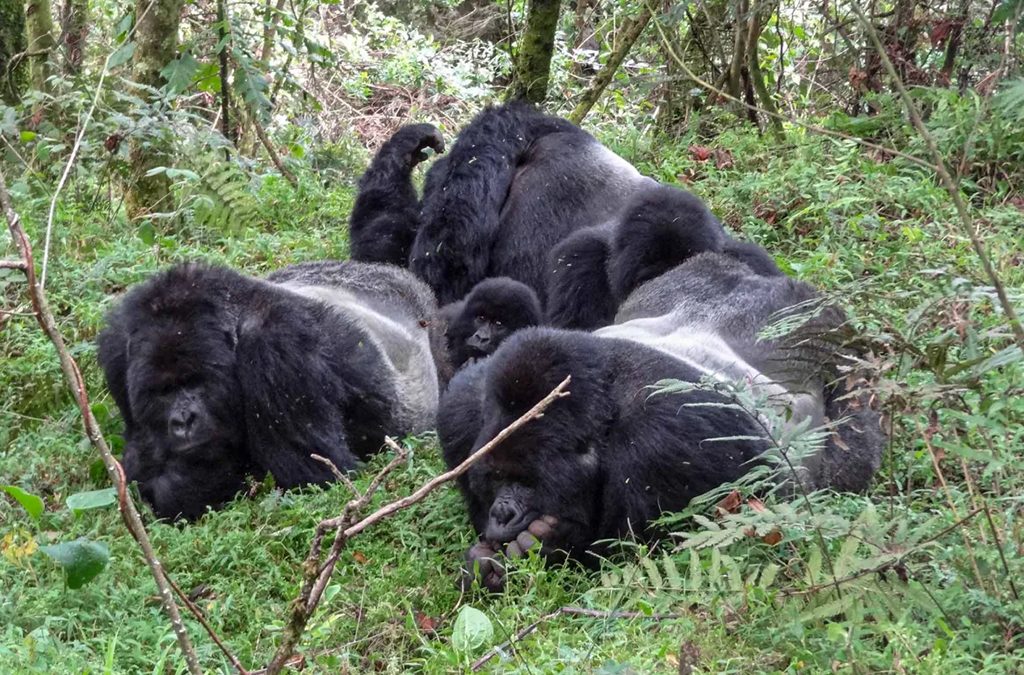
Mubare Gorilla Family holds a prestigious position as Uganda’s first habituated mountain gorilla group. Located in the Buhoma sector of Bwindi Impenetrable National Park, this family opened for tourism in 1993 after two years of careful habituation starting in 1991. Habituation means the gorillas became gradually accustomed to human presence, allowing visitors to observe them safely without disruption.
Historical Significance and Conservation Milestone
Mubare Gorilla Family pioneered gorilla tourism in Uganda by setting a foundational model for safe and sustainable visitation. The group’s habituation introduced a new era where wildlife protection and community benefits balanced each other. Consequently, this success helped boost both awareness and funding for mountain gorilla conservation efforts across Uganda and globally. The family takes its name from the Mubare Hills, where the gorillas were first discovered by trackers. This early habituation paved the way for other gorilla groups to be opened for trekking in Bwindi.
Leadership and Group Dynamics
Originally, the family started with 12 members led by Ruhondeza, a calm and strong silverback who ensured group stability during the early years of habituation. Under his leadership, the family expanded to about 18 members. Despite this growth, the group faced challenges such as territorial fights, natural losses, and some members migrating to other families.
Ruhondeza passed away peacefully in his sleep around 2012 at the age of about 50. By that time, the family size had decreased from 18 to roughly five gorillas due to natural attrition and conflicts. After his death, a younger silverback named Kanyonyi took charge. Kanyonyi succeeded in restoring some vitality to the family, increasing its size to about nine members. However, the group’s numbers have fluctuated over time, reflecting the dynamic and often fragile nature of gorilla family structures.
Location and Trekking Experience
The Mubare Gorilla Family roams the lush and biodiverse Buhoma sector in southwestern Uganda, home to roughly half of the world’s remaining mountain gorillas. This sector, named after the Mubare Hills within it, offers vital food sources, shelter, and safe passage for the gorillas. Visitors find the trekking experience rewarding because the gorillas display calm interactions and a rich habituation history.
Typically, trekking to see the Mubare family takes between 2 to 5 hours. Tourists witness gorillas as they engage in daily activities such as nest-building, grooming, playing, and socializing. Due to the family’s historical significance and its limited habituation permits—only eight sold daily—the trekking experience remains exclusive. Visitors must book permits well in advance to secure a chance to spend a memorable hour observing these gorillas in their natural habitat.
Significance of the Mubare Hills and Buhoma Sector
The Mubare Hills stand as an ecological cornerstone for the gorilla family’s home range. This rugged, forested terrain provides important resources and safe routes. Buhoma’s accessibility and presence of several habituated gorilla groups make it a hub for both tourism and conservation education.
How to Get to Buhoma Sector
Travelers can reach Buhoma by road from Uganda’s capital, Kampala, in about 8 to 10 hours. Alternatively, they can take charter flights to Kihihi or Kisoro airstrips near Bwindi and then drive shortly to Buhoma. This accessibility makes Buhoma the preferred gateway for tourists wishing to trek the Mubare Gorilla Family and other groups within Bwindi.
Accommodation Options in Buhoma
Buhoma offers accommodation options catering to different budgets:
Luxury lodges such as Buhoma Lodge and Clouds Mountain Gorilla Lodge provide fine dining, spa services, and guided nature walks.
Mid-range hotels like Silverback Lodge and Gorilla Mist Camp offer comfortable stays with balanced amenities.
Budget-friendly options include community lodges and campsites near the park boundary, offering authentic and basic accommodations.