
Mgahinga Primates with Birding in Echuya Forest Reserve
Mgahinga Primates with Birding in Echuya Forest Reserve
Mgahinga Gorilla National Park lies in southwestern Uganda and offers a rare chance to see endangered primates in the wild. The park protects two incredible primate species: mountain gorillas and golden monkeys. You can explore their natural habitat through trekking activities. Mgahinga also borders Rwanda’s Volcanoes National Park and Congo’s Virunga National Park. This shared ecosystem strengthens primate conservation in the entire Virunga Massif.
Mountain Gorillas in Mgahinga
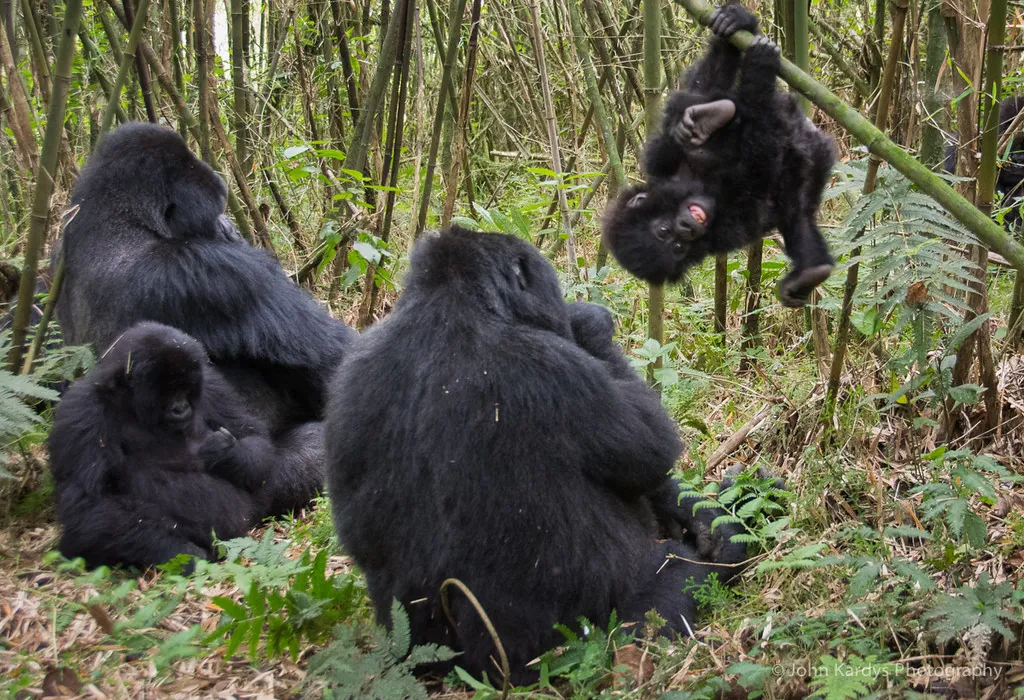 Mgahinga is home to the Nyakagezi gorilla family. This is the only habituated group in the park. These gorillas are famous for their calm behaviour. Scientists note they share 98% of their DNA with humans. Gorilla trekking offers a memorable way to observe their daily life. Treks begin early in the morning. Visitors follow trained guides into the forest, searching for the gorilla group. Once found, visitors can spend one hour with the family. This close encounter creates a lasting memory. Trekking is moderately challenging, but the reward of seeing these gentle giants up close is worth every effort.
Golden Monkeys in Mgahinga
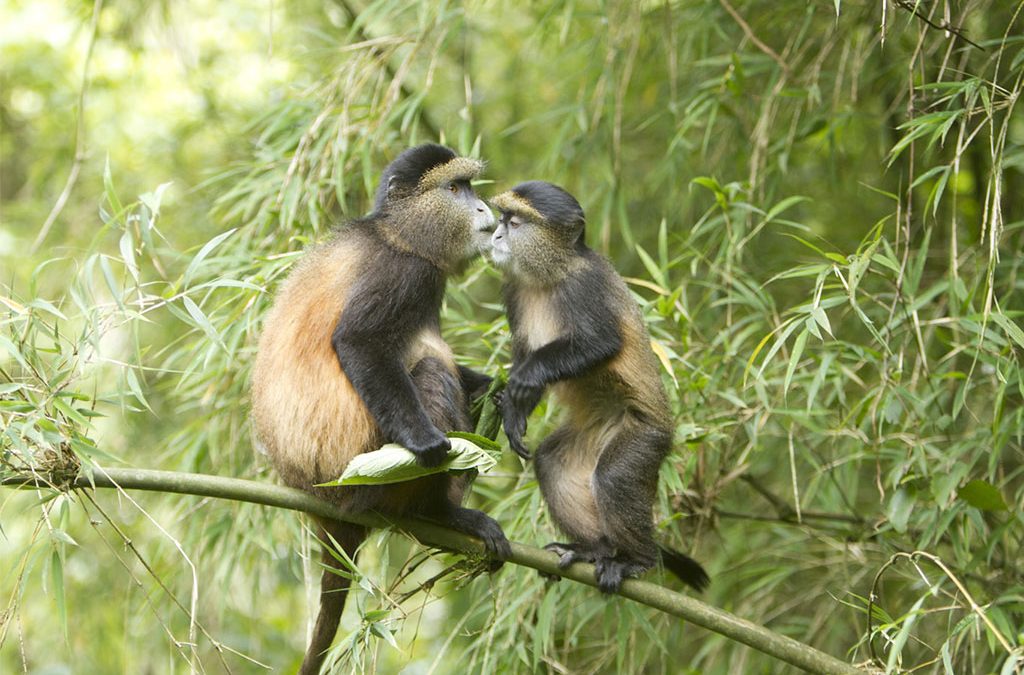
 Golden monkeys are also a highlight in Mgahinga. These rare primates live only in the Virunga region. Their golden-orange fur stands out in the green bamboo forest. Trekking to see golden monkeys is slightly easier than gorilla trekking. They live in large groups of about 30 members. You may find them leaping between trees or feeding on bamboo shoots. Their playful behaviour offers great photography opportunities. This activity suits travellers looking for a lighter trekking experience while still enjoying rare wildlife.
Other Wildlife and Vegetation
Mgahinga hosts more than just primates. You may also spot giant forest hogs, bushbucks, and buffalos. The landscape supports a wide variety of vegetation types. You will pass through bamboo zones, afro-montane forests, and even afro-alpine zones. These different habitats support a healthy ecosystem for all species. The park also sits within the Virunga Mountains. Three extinct volcanoes—Mount Muhabura, Mount Gahinga, and Mount Sabyinyo—form the backdrop. The elevation ranges from 2,227 to 4,127 metres (7,306 to 13,540 feet). This high-altitude environment brings cool temperatures and fresh air throughout the year.
Access and Location Details
Mgahinga Gorilla National Park lies about 15 kilometres (9.3 miles) from Kisoro town. You can also reach it from Kabale, which is around 55 kilometres (34 miles) away. The road network is good, especially from Kabale to Kisoro. From there, the drive to the park headquarters takes less than one hour. The park is part of the Nile River watershed. Its unique location at the borders of three countries makes it a strategic area for conservation.
Climate and Seasons
The climate in Mgahinga supports lush vegetation. It receives two rainy seasons. The first is from February to May. The second is from September to December. October sees the highest average rainfall at 250 mm (9.8 inches). July is the driest month with only 10 mm (0.39 inches) of rainfall. During dry months, hiking becomes easier and trails stay less slippery. Trekking experiences improve greatly in these periods. That’s why most travellers visit between June and September or from December to February.
Birdwatching in Echuya Forest Reserve
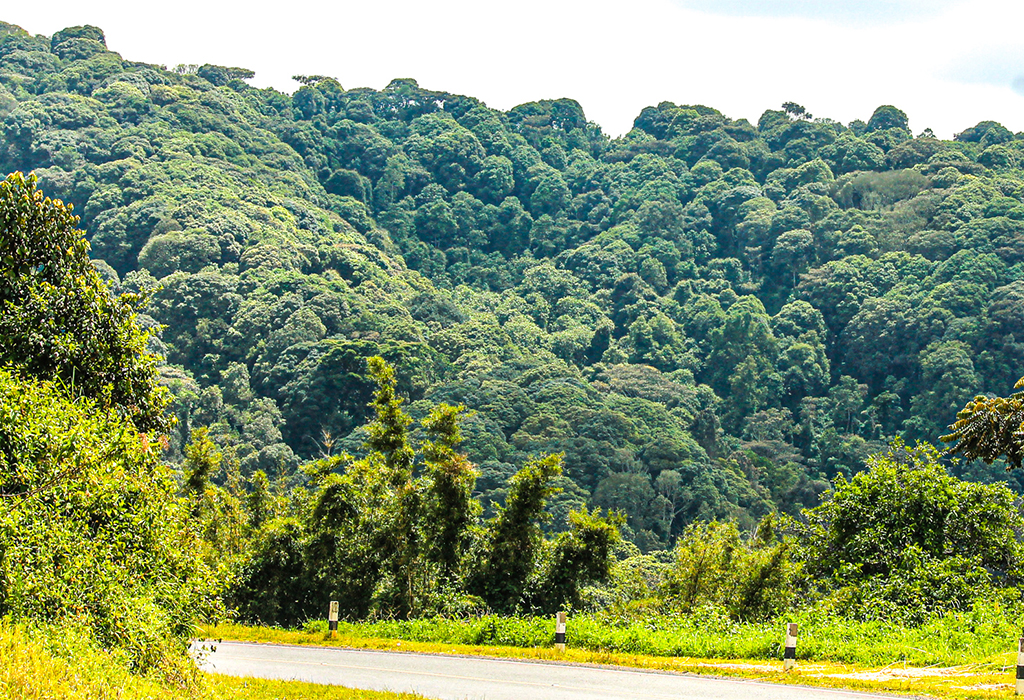 Echuya Forest Reserve complements your primate experience with birdwatching. Located in southwestern Uganda, this forest attracts birders from all over the world. It holds about 150 bird species. Among these, 18 are Albertine Rift endemics. These birds do not live anywhere else. The forest is especially known for the elusive Grauer’s Swamp Warbler. This rare species hides in papyrus swamps and reeds. Spotting it is a top goal for many birders.
Top Bird Species in Echuya
Echuya offers a list of rare birds to watch. Apart from the Grauer’s Swamp Warbler, look for the Red-throated Alethe, Archer’s Robin-Chat, and Kivu Ground Thrush. You may also spot the Red-faced Woodland Warbler, Dwarf Honeyguide, Regal Sunbird, Rwenzori Batis, and Strange Weaver. These colourful and active species keep birdwatchers engaged throughout the day. Most birds are active in the early morning. With help from an expert guide, you can increase your chances of spotting many species.
When to Go Birding in Echuya
The best time for birding is during the dry season. This is between June and September and again from December to February. During these months, the forest canopy opens slightly. Trails remain dry and easier to follow. With better visibility, birdwatching improves. You can move quietly through the forest and listen for bird calls. Experienced bird guides can lead you to the best birding spots. They also carry equipment like scopes and binoculars to help spot birds in the canopy.
Suggested 5 Days Safari Itinerary
You can enjoy a combined primate and birding safari in just five days. Start your journey with a long but scenic drive from either Entebbe or Kampala.
Day 1: Transfer to Mgahinga Gorilla National Park
You will begin with a pick-up from Entebbe International Airport or Kampala. From there, the road trip to Mgahinga takes between 9 to 10 hours. You will drive through the scenic western region of Uganda, passing rolling hills, banana plantations, and local markets. Upon arrival, you will check into your lodge and relax as you prepare for the exciting treks ahead.
Day 2: Gorilla Trekking in Mgahinga
On this day, you will go gorilla trekking. The experience starts early in the morning with a briefing at the park headquarters. Rangers explain safety rules and trekking tips. You will then join a group led by expert guides into the forest. Once you locate the Nyakagezi family, you will spend one hour observing them. You will watch them feed, play, or rest. After the trek, return to your lodge and relax.
Day 3: Golden Monkey Trekking and Optional Batwa Cultural Visit
Day three offers a gentler activity. You will go golden monkey trekking in the bamboo forest. These monkeys are very active and often move quickly through the trees. However, their bright colour and group behaviour make them easier to find. After trekking, you may choose to visit the Batwa people. This indigenous group once lived in the forest. They now share their culture through guided village walks and storytelling.
Day 4: Birding in Echuya Forest Reserve
You will spend the entire day birding in Echuya Forest Reserve. Your guide will take you to key birding spots, especially wetlands and forest edges. With patience and quiet movement, you will see various Albertine Rift endemics. Take time to listen for calls and enjoy spotting species through your binoculars. Have a packed lunch and enjoy a picnic break in the forest. Continue birding in the afternoon before heading back to your lodge.
Day 5: Return Journey
After breakfast, begin your return journey to Kampala or Entebbe. You may stop along the way for scenic views or local craft shopping. This marks the end of your safari.
Trekking Permits and Booking Tips
All trekking permits are issued by the Uganda Wildlife Authority (UWA). You can also secure them through a trusted tour operator like Iconic Africa Safaris. It is advisable to book your permits 3 to 4 months in advance, especially during peak travel seasons. Gorilla trekking permits cost $800 per person for Foreign Non-Residents. Foreign Residents pay $700, while Africans outside East Africa pay $500. East African Residents pay UGX300,000. Golden Monkey trekking permits cost $100 for Foreign Non-Residents. Foreign Residents pay $90. East African Residents pay UGX45,000. These fees include park entrance charges.
Best Time to Visit
The best time to visit Mgahinga and Echuya is during the dry seasons. From June to September and December to February, the weather is ideal for trekking and birding. Trails remain firm and passable. The forest is less dense, improving visibility. Wildlife sightings increase during these months.
How to Get to Mgahinga
You can reach Mgahinga by road or air. By road, the drive from Kampala or Entebbe takes about 9 to 10 hours. You can also take a domestic flight to Kisoro Airstrip. From there, it’s about one hour to the park. Road travel offers scenic views while air travel saves time. Tour operators can help you choose the best option based on your itinerary.