How to Plan a Queen Elizabeth Park Safari from Kigali
Queen Elizabeth National Park is one of Uganda’s most beautiful and second largest national park in Uganda after Murchison falls national park. If you are staying in Kigali, Rwanda’s capital city, you can easily plan a safari to this amazing park. The journey takes about 6 to 7 hours by car, covering around 268 kilometers. This trip usually lasts between 3 to 5 days and offers incredible experiences like seeing lions, elephants, hippos, and chimpanzees.
This guide will help you understand everything you need to know to plan your safari. We will explain the best time to visit, how to cross the border, what activities you can do, where to stay, and how much it costs. By the end of this guide, you will have all the information needed to enjoy a memorable safari adventure from Kigali to Queen Elizabeth National Park.
Understanding the Journey from Kigali to Queen Elizabeth
The trip from Kigali to Queen Elizabeth National Park takes you through beautiful landscapes across two countries. You will cross from Rwanda into Uganda through one of two border points: Katuna or Cyanika. The drive is scenic, with rolling hills, tea plantations, and rural villages along the way.
The distance is approximately 268 kilometers, but because some roads can be rough and you will need to clear immigration at the border, the journey takes 6 to 7 hours. This is why most people plan trips lasting at least 3 days—one day for traveling to the park, one full day for activities, and one day to return to Kigali.
Best Time to Visit Queen Elizabeth National Park
Choosing the right time to visit makes a big difference in your safari experience. The best times are during the dry seasons when animals are easier to spot and roads are in better condition.
Dry Seasons (Best for Safari):
- June to September: This is the main dry season. Animals gather around water sources, making them easier to see. The weather is pleasant and roads are more accessible.
- December to February: This is the shorter dry season. Wildlife viewing is still excellent, and the park is less crowded than during the June-September period.
Rainy Seasons:
- March to May and October to November: These are the wet seasons. While the landscape is greener and more beautiful, heavy rains can make some roads difficult to travel. However, bird watching is excellent during these months, and you may find lower accommodation prices.
How Long Should You Stay?
The recommended duration for a Queen Elizabeth Park safari from Kigali is 3 to 5 days. Here’s why different lengths work:
3-Day Safari:
- Day 1: Travel from Kigali to the park with an evening game drive
- Day 2: Full day of activities (morning game drive and afternoon boat cruise)
- Day 3: Morning activity and return to Kigali
4-Day Safari:
- Adds more time for exploring different areas of the park
- Allows for a visit to Ishasha sector to see tree-climbing lions
- More relaxed pace with less rushing
5-Day Safari:
- Includes all major activities without rushing
- Can combine with gorilla trekking in Bwindi Impenetrable National Park
- Opportunity to explore multiple sectors of Queen Elizabeth Park thoroughly
Border Crossing Requirements you need to consider
Crossing from Rwanda to Uganda requires proper documentation. Make sure you have everything ready before starting your journey.
Essential Documents:
- Valid Passport: Must be valid for at least 6 months from your travel date
- Yellow Fever Vaccination Card: This is mandatory for entering Uganda from Rwanda. You must have been vaccinated against yellow fever.
- East Africa Tourist Visa: This single visa covers both Rwanda and Uganda, making border crossing easier. You can apply online before your trip or get it at the border.
Border Crossing Points:
- Katuna Border: This is the most commonly used crossing point. It’s well-organized with clear immigration procedures.
- Cyanika Border: An alternative route that may be less crowded but still efficient.
The border crossing process usually takes 30 minutes to 1 hour, depending on how busy it is. Make sure to arrive with all your documents organized for a smooth experience.
Getting to Queen Elizabeth National Park from Kigali
Why You Need the Right Vehicle
Getting from Kigali to Queen Elizabeth National Park requires careful planning, especially when it comes to transportation. Therefore, the most recommended option is hiring a 4×4 safari vehicle that comes with an experienced driver-guide. This might seem like an expensive choice at first, but it actually provides the best value and safety for your journey.
Reasons Why a 4×4 Vehicle Is Essential:
- Rough Road Conditions: First and foremost, you need to understand that many roads leading to and within the park are not paved with smooth asphalt. Instead, they’re rough, bumpy dirt roads that regular cars struggle to handle. As a result, a 4×4 vehicle becomes necessary rather than optional.
- Better Performance on Different Surfaces: Additionally, 4×4 vehicles are specifically designed to handle various types of terrain. For instance, they can easily navigate through muddy sections during rainy season, climb steep hills, and cross small streams without getting stuck.
- Improved Wildlife Viewing: Furthermore, these vehicles sit higher off the ground compared to regular cars. Consequently, you get a much better view of animals during your game drives. This elevated position allows you to see over tall grass and spot wildlife from greater distances.
- Comfort During Long Journeys: Finally, the journey from Kigali to the park takes several hours. Therefore, the superior suspension system in 4×4 vehicles makes the trip significantly more comfortable, reducing the bumps and jolts you’d feel in a regular car.
Where to Stay: Accommodation for Every Budget
Budget-Friendly Options (For Travelers Watching Their Spending)
If you’re traveling on a limited budget, don’t worry – there are good affordable options available.
Recommended Budget Lodges:
- The Bush Lodge: First, this lodge offers basic but clean and comfortable rooms. While the amenities are simple, they include all the essentials you need for a good night’s rest. The staff is friendly and helpful, making it an excellent choice for budget-conscious travelers who still want a decent place to stay.
- Kazinga Wilderness Safari Camp: Similarly, this lodge provides simple, no-frills accommodation near the park entrance. The service is welcoming and friendly, and the location is convenient for early morning game drives.
Price Range: Generally, these budget options cost between $50 and $100 per person for each night you stay.
Mid-Range Accommodation (Comfortable and Worth the Price)
For travelers who want more comfort without breaking the bank, mid-range lodges offer excellent value for money.
Top Mid-Range Choices:
- Buffalo Safari Lodge: This well-located property offers comfortable rooms with good quality beds and linens. Additionally, the food served here is tasty and well-prepared. The lodge also provides nice views overlooking parts of the park, allowing you to spot wildlife even while relaxing at your accommodation.
- Elephant Hab Lodge: Furthermore, this lodge features clean, spacious rooms equipped with modern facilities including hot showers and comfortable furniture. The on-site restaurant serves good meals, and the staff members are notably helpful and attentive to guests’ needs.
- Parkview Safari Lodge: Moreover, this strategically positioned lodge makes it extremely easy to access both game drives and boat cruises. The convenient location saves you travel time and allows you to maximize your safari activities.
Price Range: Typically, these mid-range accommodations cost between $100 and $200 per person per night.
Luxury Accommodation (Premium Safari Experience)
For those seeking the ultimate safari experience with top-quality service and amenities, luxury lodges provide unforgettable stays.
Premium Luxury Options:
- Elephant Plains Lodge: This high-end establishment offers exceptional service with attention to every detail. The rooms are spacious and beautifully decorated, while the views are absolutely stunning. Furthermore, gourmet meals prepared by skilled chefs are included in your stay.
- Kyambura Gorge Lodge: Additionally, this luxury eco-lodge combines environmental responsibility with stunning design and architecture. The food is exceptional, featuring fresh local ingredients prepared to international standards. Moreover, the service is highly personalized, with staff remembering your preferences and catering to your specific needs.
Price Range: These luxury experiences typically cost between $250 and $500 or more per person each night. However, most include all-inclusive packages covering meals, some activities, and premium amenities.
Understanding Costs: Park Fees and Additional Expenses
Entry Fees to the Park
To properly budget for your safari, you need to understand all the costs involved. First and foremost, there’s the basic park entry fee.
- Foreign visitors who are not residents of East Africa pay approximately $40 USD per person. However, this fee is only valid for 24 hours from the exact time you enter the park. Therefore, if you plan to stay longer, you must pay for additional days at the same daily rate.
Other Important Expenses to Consider
Beyond the basic entry fee, several other costs are important to budget for.
- Chimpanzee Tracking Permits: These special permits are required if you want to track and observe chimpanzees in Kyambura Gorge. However, because only a limited number of permits are available each day, you must book them approximately 4 to 6 months before your planned visit. The cost is $100 per person.
- Boat Cruise Fees: The popular boat cruise on the Kazinga Channel usually costs around $30 per person. However, some safari packages include this activity in the overall price, so check your package details carefully.
- Guide Service Fees: If you’re not booking through a tour operator and instead arranging activities independently, park guides charge separate fees for their services during specific activities like nature walks or specialized game drives.
Exciting Activities to Do in the Park
Game Drives: The Classic Safari Experience
Game drives represent the main activity at Queen Elizabeth National Park. During these drives, you travel through the park in your vehicle specifically looking for wildlife.
Kasenyi Plains Game Drives:
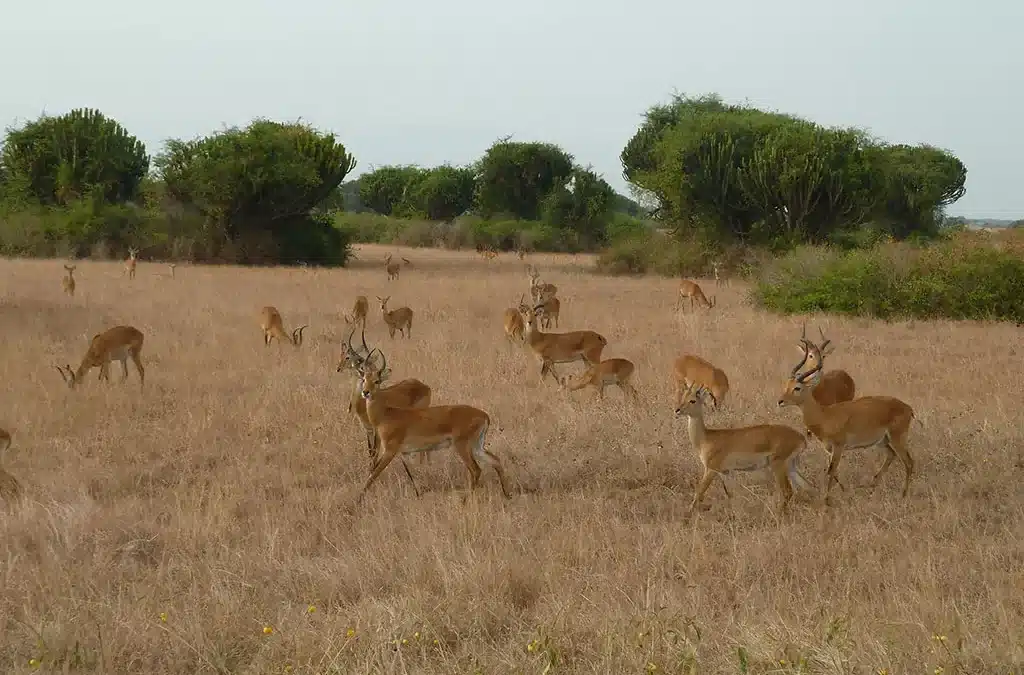
This area is the most popular location for game drives, and for good reason. Here, you can observe large herds of magnificent elephants, massive cape buffaloes, beautiful Uganda kobs (a type of antelope), and exciting predators including lions and leopards. Moreover, morning drives, which typically run from 6:00 AM to 10:00 AM or beyond, are considered the best time because animals are most active during these cooler hours. They’re out hunting, grazing, and moving around before the midday heat forces them to rest.
Ishasha Sector Drives:
Furthermore, the Ishasha sector is world-famous for its rare tree-climbing lions. These unique lions have developed the unusual behavior of climbing and resting in large fig trees during hot afternoons. Interestingly, this behavior is only observed in a few locations across the entire African continent. However, reaching Ishasha requires approximately 2 hours of driving from the main park area, so plan accordingly.
Kazinga Channel Boat Cruise: A Water-Based Adventure
This boat activity is consistently rated as one of the most enjoyable experiences in the entire park. The Kazinga Channel is a natural waterway that connects Lake George and Lake Edward.
What to Expect on the Cruise:
- Timing Options: Afternoon cruises typically begin at 2:00 PM and last approximately 2 hours. Alternatively, morning cruises are available for visitors who prefer cooler temperatures and different lighting for photography.
- Wildlife Viewing: During the cruise, you’ll see hippos lounging in the water – sometimes hundreds of them gathered together! Additionally, you’ll spot elephants coming to the shoreline to drink, buffaloes cooling off in the shallows, crocodiles basking on the banks, and countless species of beautiful water birds.
- Photography Opportunities: Moreover, the boat approaches quite close to the animals, making it perfect for capturing amazing photographs even without professional camera equipment.
Chimpanzee Tracking: A Forest Adventure
Kyambura Gorge is a beautiful, deep forested valley where habituated chimpanzee families live and can be visited by tourists.
How Chimpanzee Tracking Works:
- Advance Booking Required: First, remember that permits must be booked 4 to 6 months ahead of your trip because spaces are strictly limited to protect the chimpanzees.
- The Tracking Experience: Tracking begins early in the morning, usually around 8:00 AM. You’ll hike through beautiful forest terrain with experienced guides who know the territories of different chimpanzee families and can locate them using sounds and signs.
- Observation Time: When you successfully find the chimpanzees, you’re allowed to spend approximately one hour watching them. During this time, you can observe them playing, eating, grooming each other, and displaying fascinating social interactions.
- Success Rates: The likelihood of successfully finding and seeing chimpanzees is quite good, ranging between 70% and 80%.
Combining Your Safari with Gorilla Trekking
Many visitors choose to combine their Queen Elizabeth Park safari with gorilla trekking in nearby Bwindi Impenetrable National Park. This combination makes excellent sense for several compelling reasons.
Benefits of the Combined Experience:
- Both parks are located in the same general region of Uganda, making travel between them relatively straightforward
- You maximize both your time and your financial investment in traveling to this part of Africa
- You get to experience both general African wildlife and the incredibly rare mountain gorillas in one trip
- The combination creates a truly comprehensive Uganda safari experience that covers diverse ecosystems and wildlife
How the Combined Trip Works:
After completing your safari activities in Queen Elizabeth Park, you’ll drive to Bwindi Impenetrable National Park, which takes approximately 3 to 4 hours. Then, you spend 1 to 2 days participating in gorilla trekking activities. Note that gorilla trekking permits cost $800 per person, which is significantly more expensive than other activities but offers an once-in-a-lifetime experience. Finally, you return to Kigali from Bwindi, which takes about 4 to 5 hours. Overall, this combined trip typically requires 5 to 7 days total.
Sample 3-Day Safari Itinerary
Day 1: Journey from Kigali to the Park
Your adventure begins early in the morning with pickup from your Kigali hotel around 6:00 AM. First, you’ll drive through Rwanda’s beautiful countryside, experiencing the scenic “land of a thousand hills.” Next, you’ll reach the Uganda border at either Katuna or Cyanika, where border formalities typically take 30 to 60 minutes. After crossing into Uganda, you continue driving through more beautiful landscapes until arriving at Queen Elizabeth Park around 2:00 to 3:00 PM.
Upon arrival, you’ll check into your chosen lodge and enjoy a delicious lunch. Following some rest time, you’ll head out for an evening game drive in the Kasenyi Plains from 4:00 to 7:00 PM, where you might spot elephants, buffaloes, and possibly even lions. Finally, you return to your lodge for dinner and overnight rest.
Day 2: Full Day of Safari Activities in Queen Elizabeth National Park
After an early breakfast at 6:00 AM, you depart for a morning game drive in Kasenyi Plains from 6:30 to 10:30 AM, taking advantage of the time when animals are most active. Subsequently, you return to your lodge for lunch and afternoon rest during the hottest part of the day.
Later, you’ll enjoy an afternoon boat cruise on the Kazinga Channel from 2:00 to 4:00 PM, observing hippos, crocodiles, elephants, and numerous bird species. Following the cruise, you return to your lodge for dinner. Additionally, some lodges offer optional evening storytelling sessions or cultural performances.
Day 3: Final Morning and Return Journey
Following an early breakfast, you have the option of a morning game drive in the Ishasha sector to search for the famous tree-climbing lions if time permits. Then, around mid-morning, you begin your journey back to Kigali, stopping for lunch along the route. After crossing back into Rwanda at the border, you arrive in Kigali during the late afternoon or early evening, where you’re dropped off at your hotel or the airport.
Essential Tips for a Successful Safari
Important Items to Bring:
- Comfortable clothing in neutral colors like khaki, brown, or green (avoid bright colors that might disturb wildlife)
- A wide-brimmed sun hat and strong sunscreen to protect against intense African sun
- Effective insect repellent to ward off mosquitoes and other insects
- Binoculars for enhanced wildlife viewing from a distance
- A camera with a good zoom lens for capturing amazing wildlife photos
- A light jacket for early morning and evening game drives when temperatures drop
- Comfortable, sturdy walking shoes with good support
Staying Safe and Healthy:
- Take anti-malaria medication exactly as recommended by your doctor before, during, and after your trip
- Drink only bottled or properly treated water to avoid waterborne illnesses
- Always follow your guide’s instructions without exception – they’re given for your safety
- Stay inside the vehicle during game drives unless your guide specifically tells you it’s safe to exit
- Maintain a safe, respectful distance from all wild animals at all times – remember, they’re unpredictable and potentially dangerous despite appearing calm